REVIEW · MAUI
Maui Eco-Raft Tour: Eye-Level Whale or Dolphin Watching – Lahaina
Book on Viator →Operated by Hawaii Ocean Rafting · Bookable on Viator
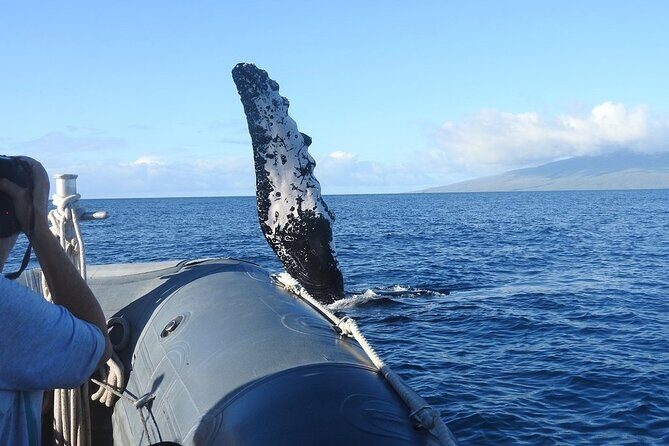
Whale songs feel close on this raft. Maui Eco-Raft Tour keeps you at eye-level water height on a small zodiac, with a marine naturalist explaining what you’re seeing and a hydrophone to catch whale sounds in season. In winter months, that means humpback viewing off Lahaina; in summer, the same style of outing shifts to dolphins and coastal cruising.
I also like how the crew runs this like a focused search, not a long drift. The raft is low to the water, and when whales show up they stop so you get real, clear moments for watching and photos. One downside: it’s not for everyone—no children under 3, no pregnant people, and boarding requires physical mobility.
In This Review
- Key things that make this Maui Eco-Raft Tour worth your time
- Maui Eco-Raft Tour: what a low zodiac raft changes for your whale watch
- From 1223 Front Street to the open water: check-in and boarding reality
- Season matters: humpback whale trips vs summer dolphin and coastal sightseeing
- How the marine naturalist and hydrophone make whale watching feel real
- The 2.5 hours on the water: what you’ll do once you’re underway
- Small group vibe: better viewing, calmer energy, and seating tips
- What to bring so you stay comfortable (and don’t get sunscreen-failed)
- Inclusions and extras: narration, hydrophone, life jackets, and snacks
- Safety and who should reconsider this tour
- Price and value: is $85.16 a fair deal for a Maui whale raft tour?
- Weather, sightings, and what no one can promise in the wild
- Who should book this Maui Eco-Raft Tour, and who should skip it?
- Should you book this Maui Eco-Raft Tour from Lahaina?
Key things that make this Maui Eco-Raft Tour worth your time
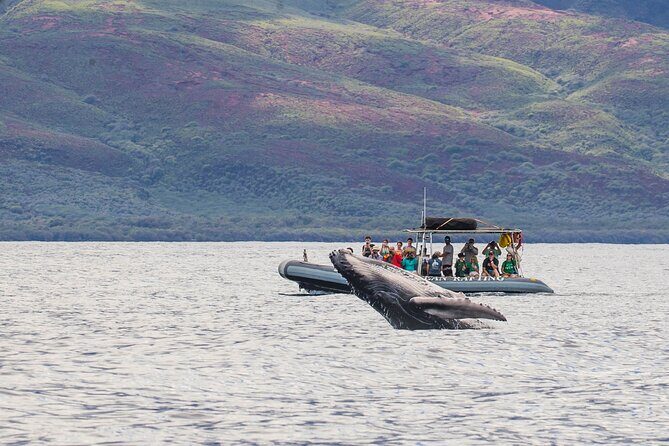
- Eye-level zodiac viewing helps you spot whales and dolphins faster than from higher platforms
- Hydrophone whale listening adds a whole extra layer to humpback watching (seasonal)
- Marine naturalist narration ties sightings to real behavior and the Hawaiian ocean
- Stop-when-they-find-them improves viewing time and photo chances
- Small group size (max 25) keeps the trip calmer and easier to manage
- Dolphin season snacks are included on the dolphin option
Maui Eco-Raft Tour: what a low zodiac raft changes for your whale watch
Most whale tours put you above the water. This one keeps you much closer. The zodiac is low to the water, so your eyes are right where the action happens—blows, flukes, and the little timing of surfacing events. That matters because whales often show fast. With a higher boat, you can miss the best part.
On top of the views, you get marine naturalist narration plus a hydrophone for listening to whale songs during whale season. That combo turns whale watching into something you can track: what the animal is doing, what the sound is, and why the crew is steering where they are.
And because the group is small, you’re more likely to get clear sightlines. I wouldn’t count on total “guaranteed” closeness—wild animals make their own rules—but the setup is built for better viewing odds.
You can also read our reviews of more dolphin watching tours in Maui
From 1223 Front Street to the open water: check-in and boarding reality
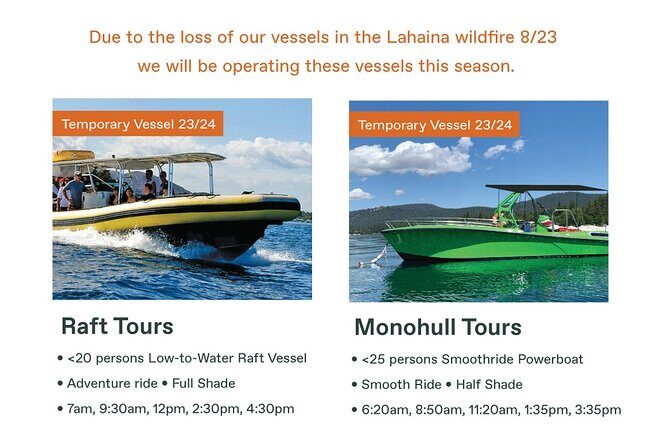
The tour starts and ends back at 1223 Front St, Lahaina, HI 96761. It’s not hotel pickup. You’ll meet at the shop location, check in, and then board the raft.
The timing is strict: the tour leaves promptly, and you must arrive 30 minutes before boarding or you may miss the trip. So don’t roll in with a casual “we’ll see” attitude. Parking can be tight in this area, and if you’re driving, give yourself extra buffer time so you’re not sprinting with wet shoes and sunscreen on.
Boarding can also be a factor. The tour says physical mobility is required due to the boarding location. In plain terms: you’ll want solid balance and the ability to get on and off safely. Also, life jackets are provided for emergencies but they’re not required to be worn during normal operation.
Season matters: humpback whale trips vs summer dolphin and coastal sightseeing
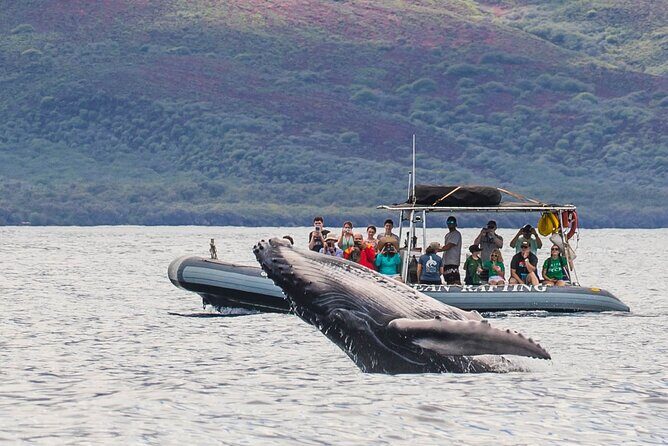
This tour runs two different personalities depending on the season.
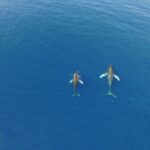
- December to April: whale watching, especially humpbacks. This is the window when you’ll also get hydrophone listening to whale songs.
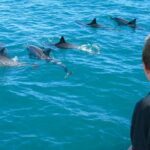
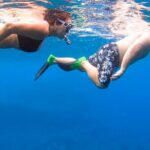
- Summer months: dolphin watching plus coastal sightseeing, with snacks included on the dolphin option.
So when you book, you’re really choosing your soundtrack. In winter, you’re tuning your ears to whale communication through the hydrophone. In summer, you’re focusing more on dolphins and the feel of the shoreline as the crew cruises and searches.
How the marine naturalist and hydrophone make whale watching feel real
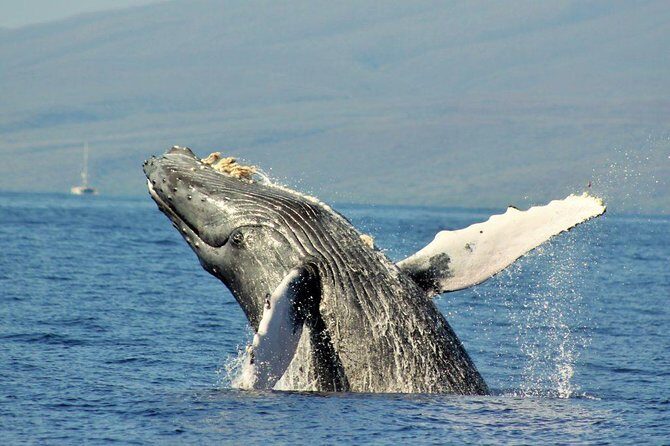
The crew role here is more than “point and wave.” You’ll have marine naturalist narration throughout the ride—explaining the whales and the Hawaiian ecosystem, and helping you connect what you’re seeing to behavior.
Then comes the hydrophone, which is built for the moments you can’t fully catch with just sight. Even if the whale isn’t right in front of you, the sound can still be there, giving you a better sense of what the animals are doing in the surrounding water.
A practical tip: whales don’t hang out just because you want a perfect photo. The crew tends to focus on the areas where activity is happening, and the raft stops at any whale sighting for good viewing time. That stop-and-search style is exactly how you turn a “we saw some blows” trip into “we watched real moments” trip.
If you’re photo-focused, the low raft plus the stop makes a big difference. You’re not constantly shooting over railings, and you’re not waiting for whales to come to you at the end of the route.
The 2.5 hours on the water: what you’ll do once you’re underway
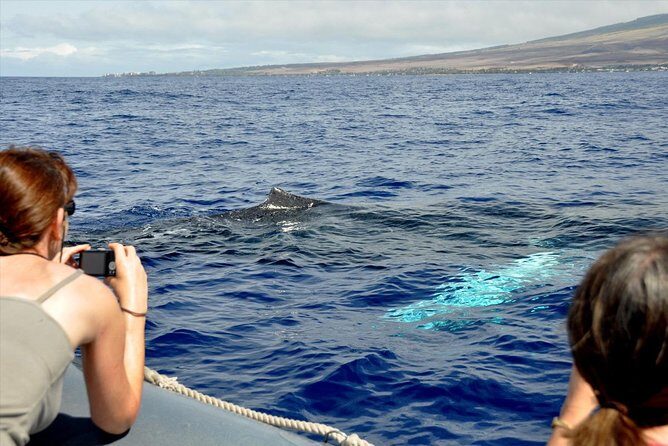
The experience is about 2 hours 30 minutes on the water and typically follows this rhythm:
- Cruise out and scan for migrating whales or dolphins
You head out from Lahaina and search for animals. Because the zodiac is eye-level, your job is easier: watch for spouts, movement, and surfacing patterns.
- Stop when activity shows up
When whales appear, the raft stops. You get time to look, watch behavior, and take photos. This is often where the best “story” moments happen—moms and calves, escorts, quick bursts of breaching or tail activity, when conditions line up.
- Return to shore when the session ends
The tour wraps back at the meeting point in Lahaina.
One thing to expect: you may move through more than one area while searching. That’s normal. Don’t treat it like a guarantee that you’ll see every kind of behavior. Wild animals change the script fast.


Small group vibe: better viewing, calmer energy, and seating tips
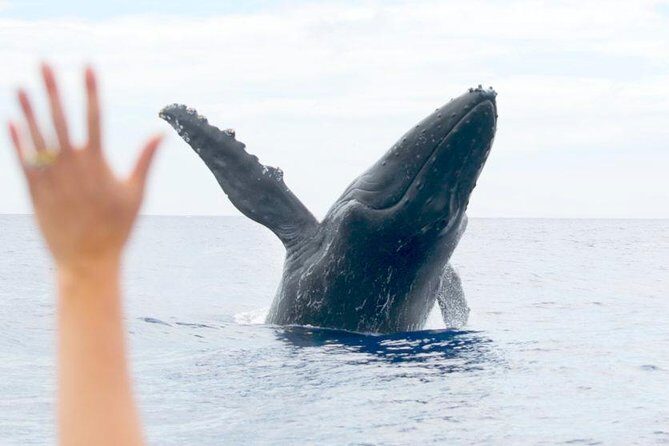
This tour caps at 25 travelers, which changes the whole feel compared with larger boats. You’ll be able to hear the narration more clearly, and the crew can manage the viewing flow without wrestling a crowd.
That size also affects seating. Some people have noted that being seated farther toward the back can mean slightly less view compared with front or center positions. If you want the best sightlines, arrive early, check in smoothly, and aim for earlier boarding.
Another crew habit you’ll appreciate: the captain and first mate actively manage visibility. In multiple experiences, guides have called out when to sit so others can see. It’s not dramatic, but it helps the whole group take in the action instead of everyone standing up at once.
What to bring so you stay comfortable (and don’t get sunscreen-failed)
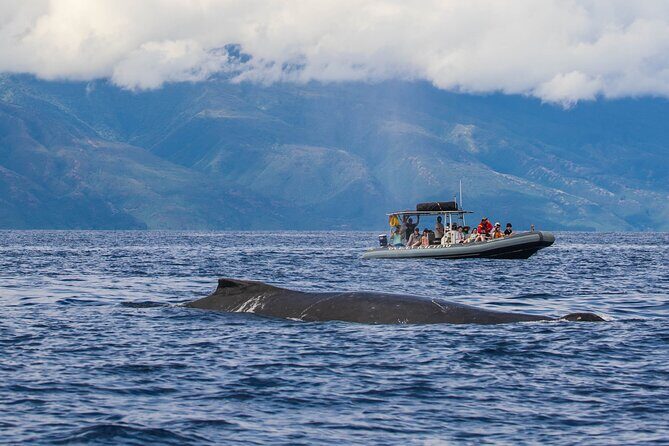
Plan to get wet. The tour says it’s a low-water boat, with ocean spray and light rain possible. That means you’ll want gear that still works after a splash.
Here’s what helps:
- Sun protection: hat, sunglasses, and reef-safe sunscreen
- Reef-safe sunscreen rules: no spray sunscreen is permitted; use a reef safe rub-on instead
- Rain layer: bring a light jacket. Some departures include ponchos if weather turns
- Shoes: slip-on shoes are a smart call. One review note also mentions removing shoes when entering the boat, so make that easy for yourself
Shade is not guaranteed. Shade “varies on boat,” so sun protection is not optional even if the day looks mild on land.
Inclusions and extras: narration, hydrophone, life jackets, and snacks
You should expect these inclusions:
- Marine naturalist narration
- Hydrophone (for whale sounds in season)
- Life jackets provided for emergencies
- The specific wildlife type depends on your season option (whales or dolphins)
On dolphin tours, snacks and beverages are included. A small note from one experience: the onboard beverages experience may be simpler than you imagine, with water often available when requested. So if you’re picky about drinks, don’t assume a full bar setup.
Everything else:
- No BYOB (it’s not BYOB for plastic or cans either)
- No hotel pickup/drop-off
Safety and who should reconsider this tour
Read the restrictions before you lock it in:
- Not suitable for pregnant individuals
- No children under 3 years old (no babies are allowed on the raft)
- Not suited for people with back/neck injuries
- Physical mobility is required for boarding
Also, the tour requires good weather. If conditions aren’t right, you’ll be offered a different date or a refund.
This is not a gentle “sit and be chauffeured” activity. It’s an ocean-raft outing with movement, splash risk, and hands-on boarding.
Price and value: is $85.16 a fair deal for a Maui whale raft tour?
At about $85.16 per person, you’re paying for three things that often cost extra on other tours:
- A small, low raft that’s designed for eye-level viewing
- A marine naturalist on board with narration that helps you interpret behavior
- The hydrophone experience during whale season
When a tour includes the audio layer (not just visuals) and the boat design matches the viewing goal, the price starts to make sense. You’re not just “watching from a distance.” You’re watching from the waterline, learning what you’re seeing, and (in season) hearing whale songs as part of the experience.
Value is also supported by performance signals: this tour has very high recommendation rates and a strong overall rating, which usually points to consistent guiding and good animal-finding effort.
Weather, sightings, and what no one can promise in the wild
Two truths you should carry into planning:
- Up-close encounters are not guaranteed. Wildlife decides that part.
- The tour does require good weather, so conditions can affect how long and how actively you’re able to search.
What you can control is your day-of approach: arrive early, dress for spray, and keep your expectations flexible. When the crew finds whale or dolphin activity, the raft stops for viewing. That’s the part you want to be ready for—camera, eyes, and patience.
Also, if you hear people describing fast changes in location, that’s normal here. The captain is looking for where the animals are.
Who should book this Maui Eco-Raft Tour, and who should skip it?
You’ll likely love this tour if:
- You want better sightlines than you get on higher boats
- You care about whale behavior and not just spotting a spout
- You like small group experiences with a focused crew
- You’re traveling in winter and want whale songs through a hydrophone
You should skip or choose another option if:
- You’re pregnant
- You’re traveling with kids under 3
- You have mobility challenges that make boarding risky
- You need a very stable, low-splash environment
Families often do well here because it’s small and energetic, and the time on the water feels long enough to matter without turning into an all-day haul.
Should you book this Maui Eco-Raft Tour from Lahaina?
If you’re aiming for eye-level whale watching in Maui, I think this is a smart bet. The low zodiac design, the marine naturalist narration, and the hydrophone whale listening in season give you more than “a quick wildlife sighting.” At around $85, you’re paying for an experience that’s built for seeing and learning at the same time.
Book it if you can meet the restrictions, you can board with some physical ease, and you’re okay with getting wet. If you’re sensitive to spray or you need a pregnancy-safe or baby-friendly option, you’ll want a different tour.
If you want my simple rule: choose this when whale season lines up with your trip and you’re excited to watch the ocean closely, not just ride along until the “big moment.”