Pedal down Haleakala, safely and with local stories. This 9am start helps you avoid the earliest sunrise crush, and the SAG safety vehicle follows behind so you’re not dealing with sketchy passing traffic while you’re concentrating on the road. You’ll bike downhill with a local Hawaiian guide, with a drive up first that includes lore and sight stops, plus time for photos and a food break.
The main catch is practical: there’s no hotel transportation, so you need to get yourself to the meeting point at 810 Haiku Rd in Haiku. Also, this is for people with at least moderate physical fitness, since you’re riding a mountain downhill for real, not just coasting around town.
In This Review
- Quick reasons this 9am Haleakala bike ride works
- Why a 9am start makes the ride feel calmer
- Getting to 810 Haiku Rd and why the small group matters
- The drive up: local lore, viewpoints, and how the day begins
- The downhill ride: the bike, the gear, and the safety plan that eases your mind
- Photo and food stops: breaks that don’t kill the momentum
- How hard is it, really? Fitness level and what to expect physically
- Value check: is $149 a good deal for Haleakala downhill?
- Who this tour fits best (and who might skip it)
- Should you book the 9am Haleakala Guided Downhill Tour?
- FAQ
- What time does the Haleakala guided downhill tour start?
- How long is the tour?
- Where is the meeting point?
- Is hotel transportation included?
- What’s provided with the tour?
- Are there limits on group size?
- What fitness level do I need?
- How do I get the ticket?
- Is there a cancellation policy?
- Is the meeting point easy to reach without a car?
Quick reasons this 9am Haleakala bike ride works
- A 9am departure keeps the vibe calmer than earlier sunrise-based options
- Trek Marlin 5 bike + full protective gear means you arrive ready to ride
- Helmet, gloves, and safety gear included so you’re not hunting for rentals
- Local Hawaiian guide with lore on the drive up adds meaning beyond just views
- Trailing vehicle support helps keep the ride feeling controlled
- Stops for photos and food build in breaks without turning the trip into a slog
Why a 9am start makes the ride feel calmer
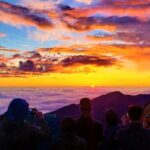
Haleakala at sunrise is popular for a reason, but popularity has a cost: crowds, traffic, and that general feeling of being herded. Starting at 9:00am flips the equation. You still get the big crater setting and the downhill payoff, but you miss the early scramble that forms around the top.
I like that the timing also helps you mentally. A downhill bike tour goes faster when you’re relaxed. By the time you begin the descent, you’ve already had time to meet up, get your helmet and gloves on, and meet your guide and group. That’s a big deal because you want your brain focused on safe pedaling and braking, not on logistics.
And yes, the views are the point. But the best part is how the schedule helps you enjoy them instead of just surviving them.
You can also read our reviews of more guided tours in Maui
Getting to 810 Haiku Rd and why the small group matters
You meet at 810 Haiku Rd, Haiku, HI 96708, and the tour ends back at the same meeting point. Since no hotel transport is included, plan on your own ride or another way to get there. The good news is it’s near public transportation, so you’re not stuck assuming everyone has a car.
Group size is capped at 20 travelers. That matters more than it sounds. On a guided ride, you want enough people that the tour feels like an event, but not so many that your guide can’t manage pacing, spacing, and safety calls. A smaller group tends to mean you get clearer instructions and more attention when it comes to staying together.
For your planning brain: aim to arrive a few minutes early. Even a quick check of your mobile ticket and getting geared up can take longer than you expect at altitude.
The drive up: local lore, viewpoints, and how the day begins
Before the bike hits the road, you’ll drive up to the volcano area for the start of the downhill. This is where the tour earns its guided status. A local Hawaiian guide leads you and shares local lore on the way up, turning the drive into part of the story instead of just time spent in a van.
You’ll also get learn-where-to-look energy. When someone points out what you’re seeing and explains why it matters, you get more out of the crater setting. Even if you’ve seen Haleakala photos before, the scale can still surprise you. A guide helps you match what you’re looking at with the right context.
The drive up is also where the day’s rhythm forms. Guides typically set expectations early—how the ride will work, where you’ll stop, and what to watch for—so you’re not guessing once you start descending.
The downhill ride: the bike, the gear, and the safety plan that eases your mind
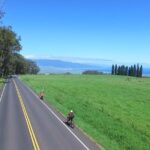
The core thrill here is straightforward: you bike down Haleakala with a local Hawaiian guide. You get a Deluxe Trek Marlin 5 bike, plus a helmet, gloves, and protective gear. That’s valuable because it reduces the number of things you have to arrange yourself. More importantly, it means you’re riding on equipment the tour is set up for.
Now for the part that really moves the needle: safety support. There’s a trailing vehicle behind you, and the guide can coordinate if cars build up behind it. In plain terms, your job is to ride your line and enjoy the descent. You’re not also trying to manage traffic surprises from multiple directions.
That support setup shows up in the way the ride is managed. In the guidance style described by the guides (including Seth and Forrest), the vibe is professional but relaxed, with stories and information while you’re moving. That matters because a calm group is a safer group. When people panic or rush, that’s when spacing and braking go sideways.
Also, you’ll want to treat this as an active ride even though it’s downhill. Expect real pedaling and controlled speed. If you go in assuming it’s effortless, you’ll spend the first part of the descent thinking about your brakes instead of the views.
Photo and food stops: breaks that don’t kill the momentum
This tour includes stops for photos and food. I like that the stops are built in rather than optional. On scenic rides, you often face a trade-off: keep rolling for the best light, or stop and lose time. Here, the structure gives you both: you pause when it’s helpful, then you get back to riding.
What to do during these breaks:
- Take your time with photos, especially at viewpoints where the light can shift fast
- Reset your gear (helmet position, gloves, water if you brought it) before you start moving again
- Refuel at the food stop so the second half of the ride doesn’t feel harder than it needs to
Because the schedule is about about 4 hours, every stop has to earn its place. The inclusion of a food moment is a smart way to prevent the “just one more ride segment” crash that can happen when you’re out at elevation and actively riding.
If you’re the type who hates stopping, you can still make the stops quick. The key is using them to stay comfortable and focused, not just to take photos and then forget to drink water.

How hard is it, really? Fitness level and what to expect physically
The tour calls for a moderate physical fitness level. Since you’re riding downhill, it might sound easy, but you’re still dealing with:
- holding steady on a bike while managing speed
- braking and controlling posture
- staying alert and together as a group
- riding in changing conditions at elevation
Moderate fitness here basically means you can handle a physically active ride for a few hours and you’re not starting from zero. If you’re recovering from an injury, have balance issues, or aren’t comfortable on a bike for an extended descent, you’ll likely find this more demanding than you expected.
A good strategy: show up rested, wear shoes you trust on pedals, and don’t try to be the fastest rider. The goal is to enjoy the descent safely, not win a downhill race.
Value check: is $149 a good deal for Haleakala downhill?
At $149 per person for about 4 hours, this isn’t a budget “just rent a bike and go” situation. You are paying for three things that are hard to recreate cheaply:
- Guiding and safety management
A downhill bike ride with traffic-free management and a trailing vehicle has real operational cost. The guide coordination is the difference between a fun ride and a stressful one.
- Gear included
You get the bike, helmet, gloves, and protective gear. If you’ve ever priced bike rentals plus safety gear separately, it adds up fast.
- Transport up and local storytelling
The tour includes the drive up and local Hawaiian lore, plus structured photo and food stops.
So the value isn’t just the bike. It’s the whole package that removes planning headaches: what time to go, how to ride safely, where to stop, and who tells you what you’re actually seeing.
If you already have a car, you’re fit enough to ride, and you want a guided experience that’s built for safety and timing, this price starts to feel fair.
Who this tour fits best (and who might skip it)
This is ideal for you if:
- you want a guided downhill experience on Haleakala rather than doing it solo
- you value local lore and commentary while you travel
- you like the idea of photo stops and a food break without turning it into a day-long production
- you’re comfortable with a moderate fitness level and biking for a few hours
It may not be your best choice if:
- you don’t have a way to reach the meeting point at 810 Haiku Rd (since there’s no hotel pickup)
- you dislike shared-group pacing and would rather ride at your own speed without a guide
One more practical note: this tour caps at 20 travelers, so it’s not for people who want absolute solitude on the descent.
Should you book the 9am Haleakala Guided Downhill Tour?
I’d book it if you want Haleakala to feel like a well-run adventure: a clear start time, a guide who brings the story, included gear so you show up ready, and a trailing safety setup that reduces the stress of traffic surprises.
I’d pause if you’re hoping for a low-effort ride with zero planning. You will have to get to the meeting point yourself, and you’ll need to be comfortable enough for a guided bike descent.
If that sounds like your style, this tour is a strong match for a first-time Haleakala day—especially because the 9am timing keeps the experience calmer than the earliest sunrise crowd vibe.
FAQ
What time does the Haleakala guided downhill tour start?
The tour starts at 9:00am.
How long is the tour?
It’s about 4 hours.
Where is the meeting point?
The meeting point is 810 Haiku Rd, Haiku, HI 96708.
Is hotel transportation included?
No. There is no hotel transportation included.
What’s provided with the tour?
You get a Deluxe Trek Marlin 5 bike, helmet and gloves, and bike protective gear.
Are there limits on group size?
Yes. The tour has a maximum of 20 travelers.
What fitness level do I need?
You should have a moderate physical fitness level.
How do I get the ticket?
You’ll receive a mobile ticket.
Is there a cancellation policy?
Yes. Cancellation is free up to 24 hours in advance for a full refund.
Is the meeting point easy to reach without a car?
The meeting point is near public transportation.