REVIEW · MAUI
Electric Surf Board Experience Hawaii
Book on Viator →Operated by electric surf board tours · Bookable on Viator
Standing on water feels impossible, until it isn’t. In Maui, the mix of electric power and hands-on coaching turns a classic beach dream into a controlled, do-it-yourself glide.
You’ll get two things I really like: stable boards that help you focus on balance, and a simple way to steer using a handheld remote while you cruise the shoreline.
One consideration: it can still be hard to stand comfortably at first, and without the right protection your knees or belly may get scraped.
In This Review
- Key things to know before you go
- Why Maui’s calm water is perfect for electric surfing
- Price and what $129 buys you (real value check)
- Where you meet and how timing affects the ride
- The safety briefing that makes a beginner feel human
- Standing, steering, and speed control (the learning curve)
- Black Rock Beach: what the ride feels like
- What to bring so your body doesn’t pay the price
- Photos, videos, and how to keep the memory
- Who should book this electric surfboard session
- Weather and what happens if conditions aren’t right
- Should you book Electric Surf Board Experience Hawaii?
- FAQ
- How long is the electric surfboard tour?
- How much does it cost?
- Is pickup available?
- Where do I meet if I’m not using pickup?
- What’s included in the price?
- What should I bring?
- Do I need surfing experience?
- What is the weather policy?
Key things to know before you go
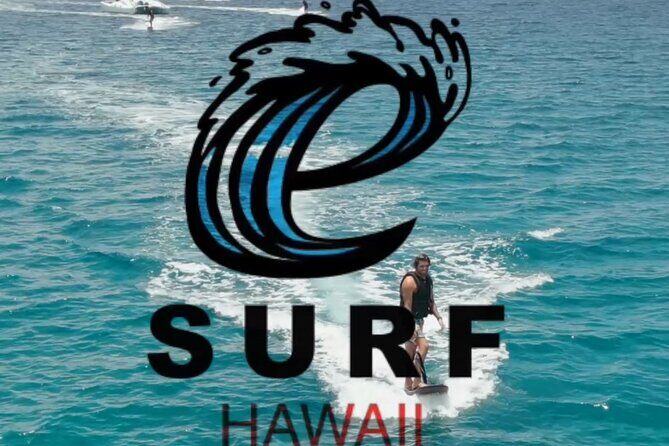
- About 90 minutes of total on-water time with coaching and encouragement
- Stable electric boards meant for all experience levels, including first-timers
- Handheld remote control plus your body for balance and turns
- Black Rock Beach as the main ride area, with calm water that makes it wave-free
- Small group size (maximum of 4 people), so you’re not stuck waiting on the sidelines
Why Maui’s calm water is perfect for electric surfing
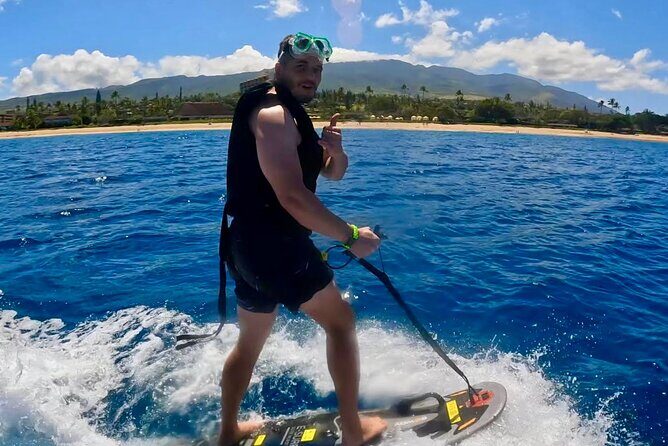
Maui’s west side can be ideal for an electric board session because the water is often calm and clear enough that you’re not fighting big waves. Instead of paddling out or hunting for the right conditions, you’re there to practice standing, controlling speed, and learning how to glide.
That matters for your stress level. You can spend your energy learning the board instead of bracing for rough water. And once you feel the board respond to your movements, the whole thing clicks fast.
You can also read our reviews of more tours and experiences in Maui.

Price and what $129 buys you (real value check)
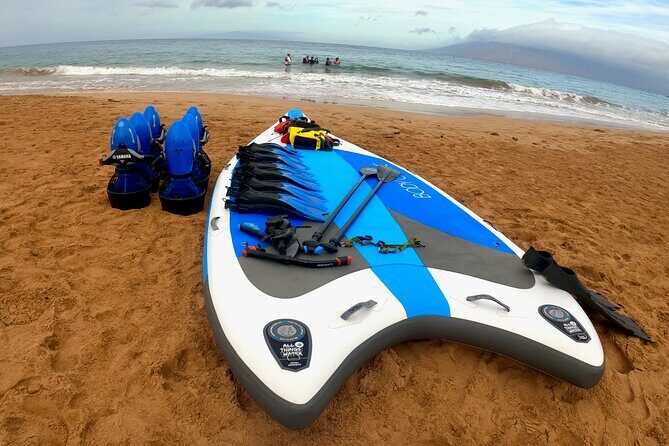
At $129 per person for about 90 minutes, this is a “pay for instruction + gear + a guided ride” type of experience. You’re not just renting equipment. You’re getting onshore safety instruction, hands-on guidance, and a guided ocean session on boards meant to be easy to operate.
The value jumps if you’re coming as a small group. With a maximum of 4 people, the experience doesn’t feel like a conveyor belt. That extra coaching time is what helps most first-timers get upright and confident before the session ends.
What’s not included is also useful to know. You’ll want your own sunscreen, water, and a towel, and gratuity is listed as not included.
Where you meet and how timing affects the ride
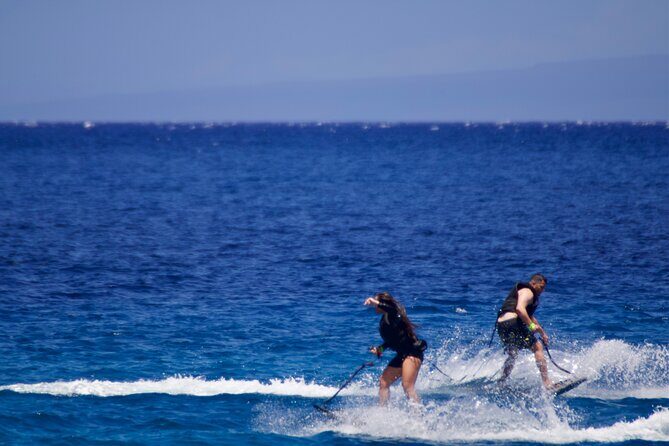
This tour is based out of Lahaina (start address: 65 Kai Ala Dr, Lahaina, HI 96761). You can do pickup, or you can meet at the beach—either way, you’ll want to arrive early because they build the safety briefing and gear-up time into the session.
If you’re being picked up, plan to be in your lobby 30 minutes before your scheduled tour time. If you’re meeting at the beach, arrive 15 minutes before at Airport Beach (Kahekili Beach Park) on the north end of Kāʻanapali.
That extra buffer matters because standing on an electric board is easier when you’re not rushing. You’ll also get more out of the coaching when you’re already relaxed and geared up.
The safety briefing that makes a beginner feel human
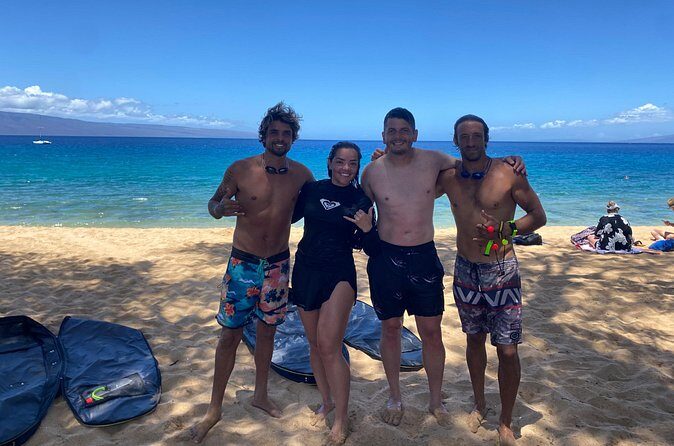
You start with a quick land-based safety briefing and hands-on instruction from experienced guides. Then you get geared up with safety equipment and take the board into the water.
The teaching style is practical: you’ll learn how to mount the board, how to shift your weight, and how to steer. The remote is handheld, and speed control is done with your thumb, so you’ll spend your first moments learning how small movements matter.
If your brain goes blank when you’re wearing a life vest, you’re not alone. The best part is that the guides focus on simple cues and keep you moving through the steps. In one set of coaching I looked at closely, Christian was highlighted for being responsive beforehand and patient during the lesson, which is exactly what helps people get past the first-wobble stage.
Standing, steering, and speed control (the learning curve)
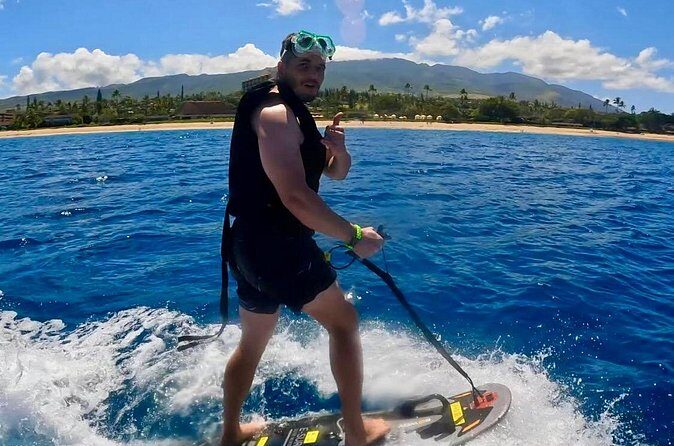
Here’s what you should expect when you’re actually on the board: the boards are designed to be stable, so you’re not starting from scratch like you would on a traditional surfboard. But stability doesn’t mean “instant success.”
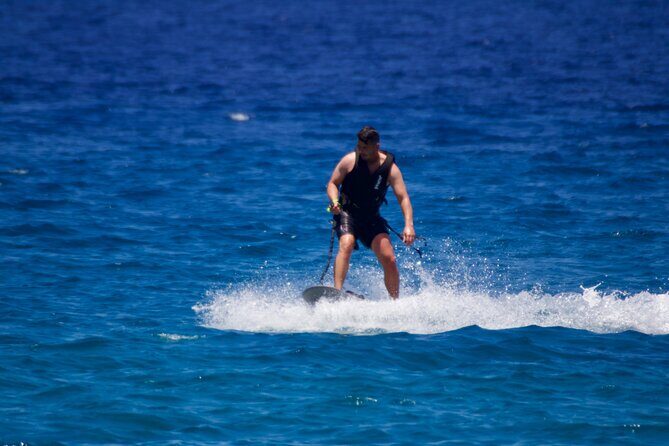
Standing takes practice because balance comes from your legs and hips, not from your hands. Once you’re up, the fun part starts: you can cruise while steering with the handheld remote and using your body for balance and maneuvering.
Speed control with the thumb can feel counterintuitive at first. One tip that comes up is to use less force than you think. Smooth inputs keep the board moving like it’s doing the work for you. Another helpful mindset: if you’re worried about standing, you can hold the board and glide like a sled while you get your body used to the motion.
That same “progress without pressure” approach also appears in another coaching highlight, with Tyler described as patient, giving clear tips, and helping create a positive experience even for a true first-timer.


Black Rock Beach: what the ride feels like
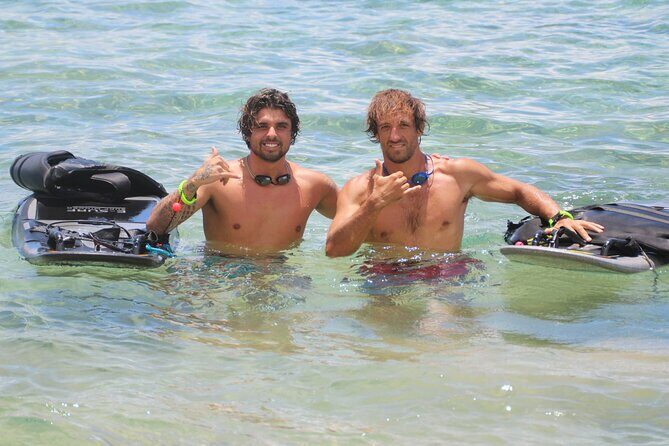
Your main ocean session is at Black Rock Beach. This is where you trade shoreline anxiety for a guided cruise across the water.
Because the board is electric and you’re in clearer, calmer water, the experience is more about gliding than battling conditions. You’ll cruise across Maui’s waters using your remote for steering and your body for turns and balance.
What makes Black Rock Beach special for this activity is the whole vibe: you’re close enough to the coastline to feel connected to Maui, but the water conditions are typically friendly for learning. That’s a big deal because it keeps the lesson focused on technique instead of survival.
A drawback to keep in mind: even with a life vest, the board can scrape you if your stance is still rough. In one lesson, the belly got scratched and the knees took hits too, which is why the advice to wear a long-sleeve rash guard gets repeated for a reason.
What to bring so your body doesn’t pay the price
You’ll be provided with safety gear and the electric surfboard rental, but you’re still responsible for sun protection and basic comfort.
Bring:
- Sunscreen
- Water
- A towel
And I strongly recommend you also bring a long-sleeve rash guard even though it’s not listed as included. It’s the simple upgrade that can save your skin. If your legs and torso are sensitive, plan for some friction during your first attempts to stand and adjust your posture.
Comfort tip: wear something you don’t mind getting a little scuffed. You’ll be using your core for balance, and you’re likely to shift position a lot early on.
Photos, videos, and how to keep the memory
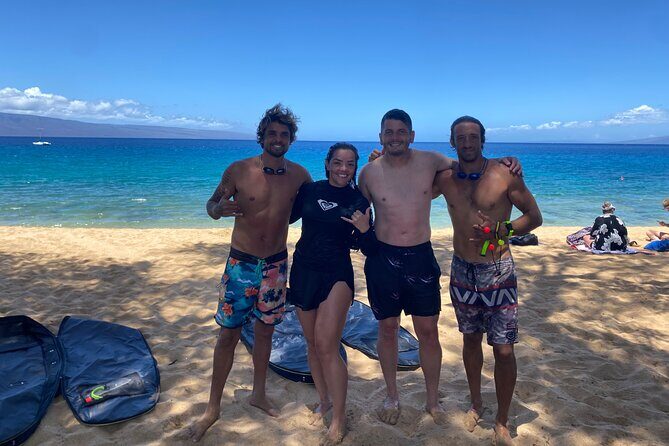
This is one of those activities where you’ll want proof you really did it, not just a fuzzy recollection. There’s a photographer who takes pictures during your session.
One additional detail: a guide mentioned that video of your session via drone may be available soon. Since that’s not presented as guaranteed in the information I have, treat it as a possible bonus rather than a must-have. Either way, ask on the day if video options are offered for your session time.
Practical note: if you’re prone to dropping your remote or forgetting your hands, remind yourself that the drone/video isn’t the goal. Your goal is to control speed smoothly and stay balanced.
Who should book this electric surfboard session
This tour is a strong fit for you if:
- you’re curious about surfing but don’t want to depend on waves
- you want a guided ocean ride with beginner-friendly boards
- you like hands-on instruction and want reassurance while learning
It also fits well if you want something more active than a beach stroll, but less intense than true surf training.
Who might want to consider having a bit more experience? If you already know your way around a surfboard, you’ll likely pick up standing faster and feel comfortable sooner. In one coaching case, the person doing the lesson found it was fun but also super hard, and improvement happened by the end of the session rather than immediately.
Still, that doesn’t mean it’s a bad choice. It just means your expectations should be realistic: you’re learning a skill, and the thrill comes from the progress.
Weather and what happens if conditions aren’t right
This experience requires good weather. If conditions are poor, the activity can be canceled and you’ll either be offered another date or a full refund.
That matters on Maui because conditions can change quickly. When your schedule is tight, check in early and be ready to be flexible if the ocean or wind isn’t cooperating.
Should you book Electric Surf Board Experience Hawaii?
Book it if you want an energetic Maui water activity where the focus is learning and gliding, not battling waves. The setup—stable boards, short safety briefing, coaching, and a guided ride—makes it a smart choice for first-timers who still want a real hands-on adventure.
Skip it (or at least adjust your expectations) if you know you hate the idea of standing on something moving, or if you’re not willing to protect your skin with the right rash guard. Also, plan around the weather. If the sky and sea don’t cooperate, this is the kind of tour that needs a clean window to work.
If you do book, go in with a simple goal: get up, get steady, and enjoy the coast. The rest is just learning how to steer with a thumb and balance like you mean it.
FAQ
How long is the electric surfboard tour?
The tour lasts about 1 hour 30 minutes.
How much does it cost?
It costs $129.00 per person.
Is pickup available?
Yes, pickup is offered. If you’re being picked up, be in your hotel or resort lobby 30 minutes before your scheduled tour time.
Where do I meet if I’m not using pickup?
If you’re meeting at the beach, arrive 15 minutes before your tour time at Airport Beach (Kahekili Beach Park) at the north end of Kāʻanapali.
What’s included in the price?
Onshore instruction and safety gear are included, along with electric surfboard rental, personalized coaching, and a guided ocean ride.
What should I bring?
Bring sunscreen, water, and a towel.
Do I need surfing experience?
No experience is needed. The boards are described as stable and easy to operate for all experience levels.
What is the weather policy?
The experience requires good weather. If it’s canceled due to poor weather, you’ll be offered a different date or a full refund.