REVIEW · MAUI
Haleakala Sunrise Best Guided Bike Tour with Bike Maui
Book on Viator →Operated by Bike Maui AND Haleakala EcoTours · Bookable on Viator
Waking up in the dark can be worth it. This Haleakala sunrise bike tour turns the summit drama into a real plan: shuttle up, sunrise ceremony at the top, then a guided ride down the volcano with the Fabulous 29 switchbacks. I like the way Bike Maui keeps the day structured and safety-led, and I love the photo-friendly pacing with breaks built in. One drawback to plan for: the sunrise can be clouded or rainy, and you’ll still be up early either way.
The vibe is big-Maui adventure, and the guides bring it. Names that show up again and again include Dan, Dru, Steve, Drew, Russell, Javier, and Kimo, and they seem to run the same theme: clear instructions, patient support, and frequent stops so you don’t feel herded.
In This Review
- Key Highlights Worth Your Early Wake-Up
- Haleakala Sunrise and the Switchbacks: What the Day Actually Feels Like
- The Core Itinerary, Step by Step (and What to Watch For)
- Meeting in Haiku and Gear Up for the Cold
- Summit Sunrise and the Ceremony Moment
- Start the Bike Down: 6,500 ft and the Real “World-Famous” Switchbacks
- Upcountry Maui Shuttle Segments and Makawao to Haiku
- Breakfast in Haiku: No-Host Means Bring Cash or a Card
- Bikes, Safety, and the Gear That Actually Makes a Difference
- Guides Make It (and Some Days Are About Attitude)
- Price and Value: What You’re Paying For at $317.89
- Who This Tour Suits Best (and Who Should Think Twice)
- It’s a great fit if you:
- You might want to rethink if you:
- What to Bring So the Ride Feels Easy
- If the Sunrise Is Cloudy or Rainy: How to Still Enjoy the Day
- Should You Book This Haleakala Sunrise Bike Tour?
- FAQ
- How long is the Haleakala sunrise bike tour?
- Where does the tour start and where does it end?
- What is included in the tour?
- Is there hotel pickup?
- What should I bring?
- What fitness level and experience do I need?
- Are there age and height minimums?
- What’s the weather plan for the sunrise?
Key Highlights Worth Your Early Wake-Up
- Real guided downhill focus: you’re on bikes for the main descent, with a lead guide and support van following
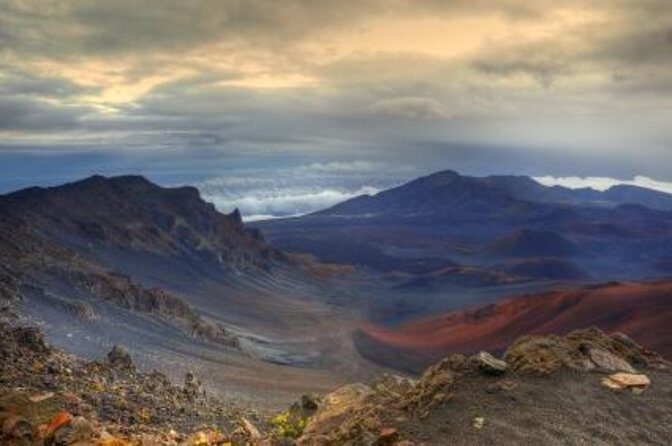
- Summit sunrise, then switchbacks: the day is designed around sunrise, then the famous 29 switchbacks
- Cold-weather gear included: a Helly Hansen windbreaker suit plus helmet and gloves
- Guides who talk and manage traffic: frequent photo stops, safety checks, and organized pacing
- Small-group feel: capped at 24 people for the ride and day flow
- Breakfast in Haiku (no-host): quick stop after you pedal your way back down
Haleakala Sunrise and the Switchbacks: What the Day Actually Feels Like
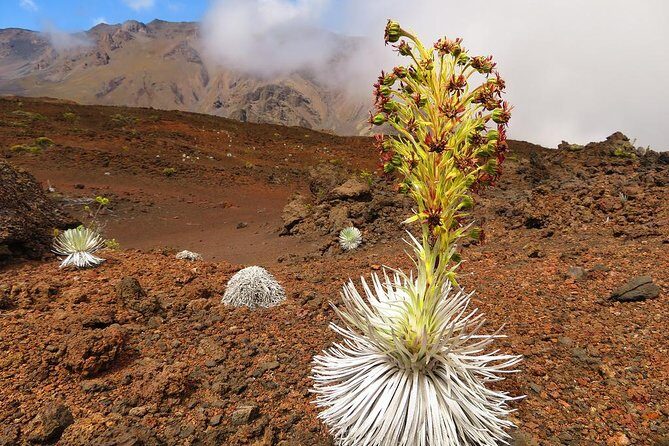
This tour is built around one simple idea: watch the sunrise on Haleakala, then turn that once-in-a-lifetime sky show into a fast, controlled, downhill bike ride. You start the biking portion at about 6,500 ft elevation just outside the national park entrance area, and from there you work your way through the heart of the descent.
The rhythm matters. You’re not just “going to a volcano.” You’re doing an early-morning summit moment, then you shift gears into motion—cruising downhill, stopping for photos, and learning enough along the way that the scenery feels more meaningful than just pretty.
If you’re an adrenaline person, this delivers. If you’re nervous about biking, you’ll still likely feel supported. Many riders say they felt safe because the guide sets expectations early and the group rides in a managed way (lead guide up front, vehicle behind). The “scary” part tends to be the feeling of speed and height, not a lack of control.
You can also read our reviews of more cycling tours in Maui

The Core Itinerary, Step by Step (and What to Watch For)
Meeting in Haiku and Gear Up for the Cold
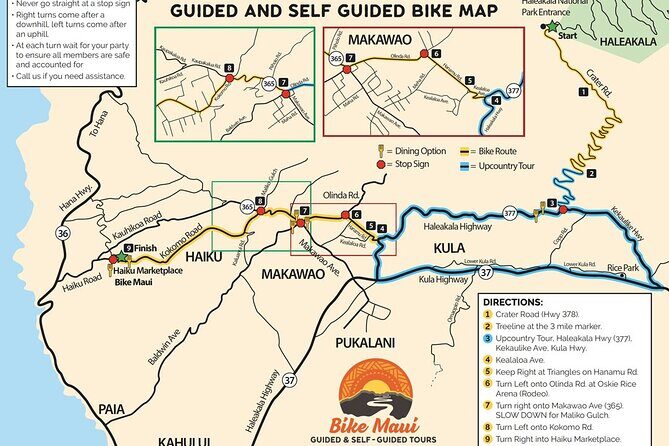
The day begins at 810 Haiku Rd, Haiku. There’s no hotel pickup, so plan to arrive early enough to check in without stress. You’ll want to be ready for cold: even though the ride ends in warmer Upcountry Maui, the top of Haleakala is famously chilly in the hours around sunrise.
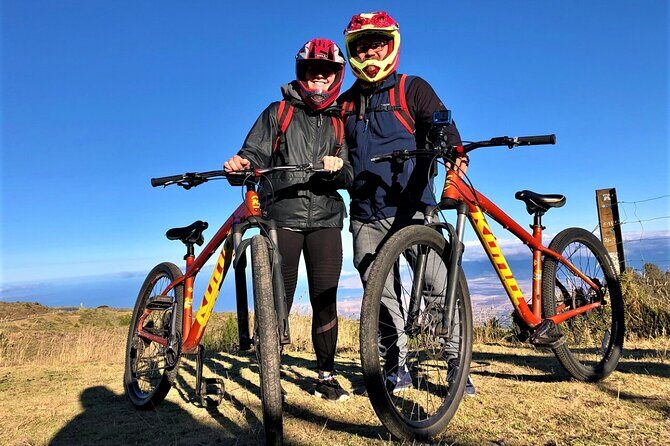
Bike Maui provides key clothing support and safety basics: a Helly Hansen windbreaker suit (top and bottom), a Kona mountain bike, and a bell helmet, plus gloves. You’ll still want your own base layers. Many people recommend dressing like you’re going to a windy mountain weather station, not like you’re on beach vacation.
Practical tip: if you tend to get cold fast, treat this as a full winter layering setup. A “t-shirt and wishful thinking” plan will get uncomfortable fast at elevation.
Summit Sunrise and the Ceremony Moment
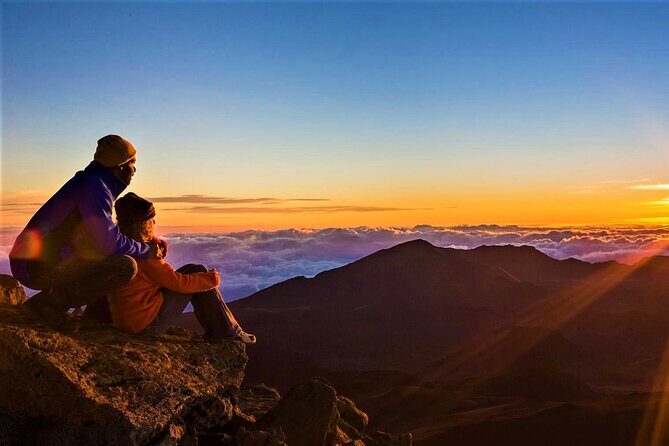
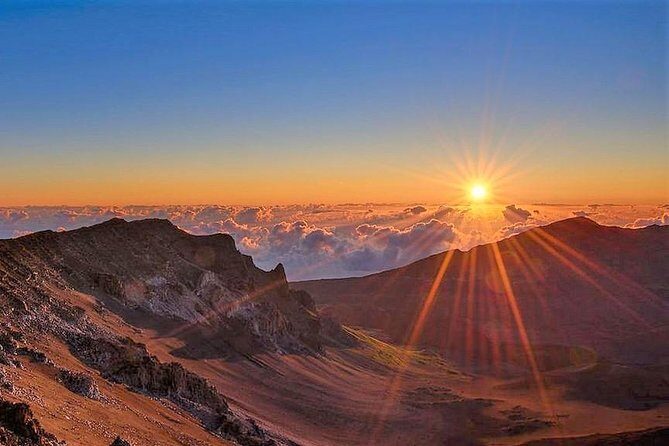
From Haiku, you’re transported up to the summit area for sunrise viewing. The timing is intense. Many riders describe a 2:00am or even earlier wake-up, which sounds brutal until you realize the sunrise is the actual point.
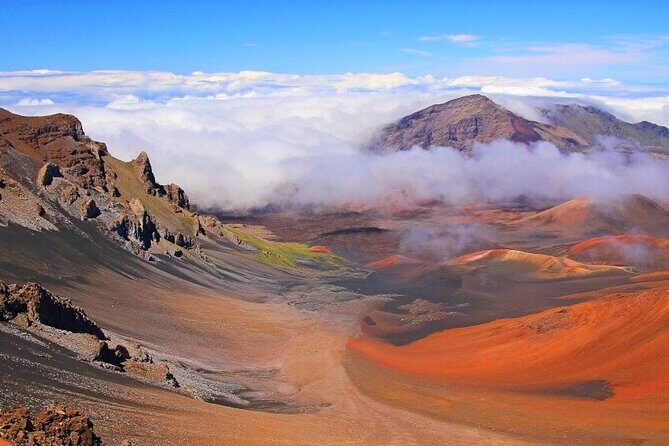
At the top, you’ll experience the sunrise moment as it unfolds around you. One detail that stands out: a ranger ceremony is part of the summit experience. That’s not the bike portion, but it’s one of the reasons the tour feels more than just a thrilling ride.
Important consideration: weather controls sunrise visibility. On some mornings, clouds or rain can block the view. If you’re planning your trip around a perfect-looking sunrise photo, know you might get a different kind of experience. You may still get an incredible ride even if the sunrise looks muted.
Start the Bike Down: 6,500 ft and the Real “World-Famous” Switchbacks
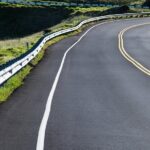
Once sunrise is done, you shift into the biking portion. You begin the ride at roughly 6,500 ft elevation just outside the national park entrance area. The tour description focuses on the world-famous “Fabulous 29” switchbacks—those repeated hairpin turns that make Haleakala feel like a giant roller coaster drawn into the landscape.
Here’s what I’d underline for your expectations: you’re guided, and you’re supported. You get a safety session before you start, and you ride with a lead guide who sets the pace while a support vehicle is behind the group. That matters because on switchbacks, confidence comes from predictability: clear instructions, consistent spacing, and frequent check-ins.
You might not pedal nonstop the entire way. People note that the ride is mostly downhill cruising, with only occasional pedaling. That makes it more doable for people who aren’t strong cyclists, as long as you have recent biking experience and you can handle the early-morning nerves.
You can also read our reviews of more guided tours in Maui

Upcountry Maui Shuttle Segments and Makawao to Haiku
After biking begins, the day continues through Upcountry Maui. You’ll ride through the Upcountry town area of Makawao, and then you continue down toward Haiku for the finish.
This is one reason the tour feels like two different Maui experiences in one: summit sunrise by shuttle, then the downhill adventure by bike, then a calmer recovery phase as you head back toward Haiku. A lot of people end up using the stops to manage layers and keep themselves comfortable as the air warms up.
Breakfast in Haiku: No-Host Means Bring Cash or a Card
After the ride, there’s a no-host breakfast stop in Haiku. That’s simple and practical, but do not assume it’s included. The tour notes you should bring a credit card or cash for breakfast.
I like this setup because it lets you choose what you actually want to eat when you’re hungry and cold, not force a pre-set meal. The downside is you’ll want to have payment ready. Also, while the stop is helpful, some riders say they would’ve liked a bit more time to eat. If you’re big on post-ride carbs, pack a plan for a snack.
Bikes, Safety, and the Gear That Actually Makes a Difference
The biggest trust-builder here is the safety system. Many riders point out that the guide stresses safety repeatedly, and that the ride is managed rather than treated like a free-for-all. The lead guide rides with the group and the support van follows behind, which makes a real difference if something goes wrong or someone needs a breather.
The bike setup is also part of why the ride feels accessible. You get a Kona mountain bike and a helmet, plus gloves. You’re not responsible for sourcing a rental or figuring out brakes, gearing, or fit. That also cuts down on the “start of day friction,” which is huge when the clock is already brutal.
Cold-weather comfort matters on Haleakala. The windbreaker suit is a big deal because it blocks wind and helps you stay warm enough to focus. Still, the provided gear doesn’t remove the need for layers underneath. People repeatedly mention that it’s colder than they expect at the top, even for experienced travelers.
My practical checklist:
- Wear base layers you can breathe in
- Add warm layers that fit under the windbreaker suit
- Bring a hat and extra cold protection if you run sensitive to wind
- Carry your own water and snacks since those are not included
Guides Make It (and Some Days Are About Attitude)
A strong theme across the best experiences is guide quality. Dan, Dru, Steve, Drew, Russell, Javier, and Kimo show up in comments about keeping the day fun, clear, and controlled. People praise guides for being patient, setting expectations, and teaching enough that anxious riders feel better about what they’re doing.
Also, the van rides aren’t silent. Some riders appreciate the stories and upbeat tone. One person did express discomfort with political banter from a guide, which is a reminder: if you prefer minimal joking or politics on tour, go in with that preference and read the room.
Bottom line: the “safety plus fun” combo is a major reason the rating is so strong.
Price and Value: What You’re Paying For at $317.89
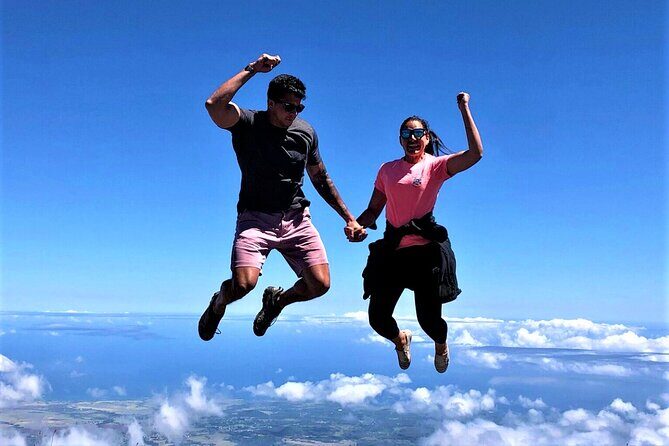
At about $317.89 per person for roughly an 8-hour day, you’re paying for a very specific package:
- early-morning summit access for sunrise
- a guided downhill bike experience (with bike, helmet, and gloves)
- transportation by air-conditioned vehicle
- a professional guide and support setup
Is it expensive? Yes. But you’re not just renting a bike and hoping for the best. You’re buying time discipline, safety management, equipment, and a guided experience built around altitude and timing.
For value, I weigh two things:
1) How hard is it to replicate on your own? Pretty hard, especially the summit timing and the coordinated ride format.
2) How much stress does the guide reduce? A lot. The safety brief, the lead guide, the vehicle support, and the pacing are the parts that make the descent feel doable.
If you’re hoping for a “cheap bike rental adventure,” this is not that. If you want a structured sunrise-to-switchbacks day with gear and guides handling the hard parts, the price makes more sense.
Who This Tour Suits Best (and Who Should Think Twice)
It’s a great fit if you:
- have moderate fitness and can handle an early morning
- have recent biking experience (the tour notes it’s required)
- like guided adventures where someone else handles the route and safety flow
- want both a sunrise experience and an adrenaline downhill ride in one day
You might want to rethink if you:
- hate being cold before sunrise (layers are non-negotiable)
- get uncomfortable with speed and height, even with guidance
- expect the entire day to be nonstop biking (there are shuttle components and safety sessions)
- are extremely sensitive to weather risk, since cloud cover or rain can reduce what you see at the summit
Also note the limits: minimum height is 4’10”, minimum age is 15, and there’s a maximum group size of 24. That small cap helps with control and makes the ride feel more personal.
What to Bring So the Ride Feels Easy
You’ll get the windbreaker suit, bike, helmet, and gloves. But you still need your own basics:
- water and snacks (explicitly not provided)
- cash or credit card for the no-host breakfast in Haiku
- gratuity (the tour notes it’s not included)
- extra layers beyond the windbreaker suit if you run cold
- a hat can help for wind and sunrise glare; it’s mentioned by multiple riders
Because the tour is at elevation, your “summer beach packing list” won’t cut it. Plan for wind, cold fingers, and a long day that starts in the dark.
If the Sunrise Is Cloudy or Rainy: How to Still Enjoy the Day
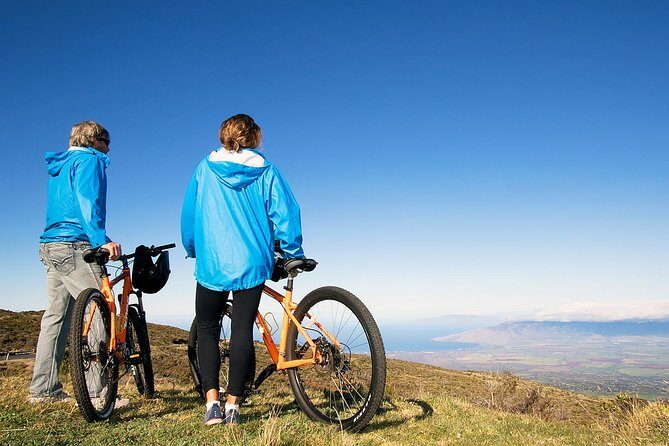
Not every Haleakala morning cooperates. You may see heavy clouds or rain at the summit. The tour runs as a sunrise-and-ride plan, not a guarantee of sunshine.
So mentally shift your goal. If the sunrise is muted, the bike ride still hits: the switchbacks, the downhill momentum, and the guided pacing through Upcountry Maui still make this tour memorable. Many riders describe the ride as the highlight even when weather softens the top-of-volcano view.
Should You Book This Haleakala Sunrise Bike Tour?
Book it if you want a guided sunrise on Haleakala plus the famous downhill biking experience, and you’re willing to prepare for cold and early wake-ups. The biggest wins are the safety-first structure, the frequency of photo stops, and the confidence-building ride style with a lead guide and support van.
Skip or reconsider if you’re hoping for a long, uninterrupted “bike from start to finish” day, or if your budget can’t handle a premium guided package. Also think twice if you’re not comfortable with weather uncertainty at the summit.
If you’re ready to dress in layers, bring water and snacks, and trust the guide-led pacing, this is one of those Maui days that sticks in your memory for a long time.
FAQ
How long is the Haleakala sunrise bike tour?
It runs about 8 hours (approx.).
Where does the tour start and where does it end?
It starts at 810 Haiku Rd, Haiku, HI 96708, USA, and it ends back at the same meeting point.
What is included in the tour?
Included are a no-host breakfast stop in Haiku, a Helly Hansen windbreaker suit (top and bottom), a Kona mountain bike and bell helmet, gloves, an air-conditioned vehicle, all fees and taxes, and a professional bike guide.
Is there hotel pickup?
No. Hotel pickup is not included, so you need to meet at the listed location.
What should I bring?
Bring your own water and snacks. For the breakfast stop in Haiku, bring a credit card or cash. Also plan for gratuity.
What fitness level and experience do I need?
You should have a moderate physical fitness level and recent biking experience is required.
Are there age and height minimums?
Yes. Minimum age is 15 years old, and minimum height is 4’10”.
What’s the weather plan for the sunrise?
The experience requires good weather. If it’s canceled due to poor weather, you’ll be offered a different date or a full refund.