REVIEW · MAUI
Honey Bee Adventure at the Maui Honey Bee Sanctuary
Book on Viator →Operated by Maui Honey Bee Sanctuary · Bookable on Viator
Some places teach you about bees. This one lets you see them up close. In Kula, you start with an education session, then move into an interactive live hive experience with protective gear and hands-on viewing. Afterward, there’s honey tasting and a farm stand stop with products made from the hive.
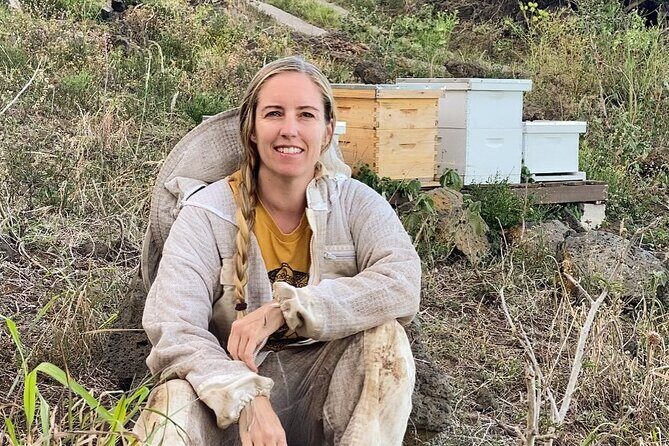
I especially love the way the tour blends education with real-world beekeeping, led by Erica, the beekeeper and operator behind Maui Honey Bee Sanctuary. I also like the small-group feel, capped at 8 travelers, which means you get more time to ask questions and get situated properly in the suit. One thing to consider: this activity is not recommended for people with severe bee sting allergies, so double-check your comfort level before you book.
In This Review
- Key Highlights at a Glance
- Honey Bee Adventure at the Maui Honey Bee Sanctuary: A Hands-On Bee Tour in Kula
- Entering the Sanctuary: What Happens from Arrival to Suit-Up
- The Live Hive Experience: Seeing Frames, Trays, and Bee Behavior Up Close
- The Presentation That Makes Honey Make Sense (Without a Lab Coat)
- Panoramic Apiary Views: Why the Setting Is Part of the Lesson
- Honey Tasting and the Farm Stand: Taking the Sweet Stuff Home
- Price and Value: What You’re Paying For (and What You Get Back)
- Who This Tour Suits Best (And Who Might Feel Off)
- Getting There: Meeting Point, Drive Vibes, and Timing Reality
- Practical Tips That Make the Tour Smoother
- Weather and Rescheduling: How Nature Plays the Scheduling Game
- Should You Book Honey Bee Adventure at Maui Honey Bee Sanctuary?
- FAQ
- What is the duration of the Honey Bee Adventure tour?
- Where does the tour start in Maui?
- What time does the tour begin?
- What language is the tour offered in?
- How big is the group?
- Are bee suits and gloves provided?
- What should I wear to the tour?
- Is this tour suitable for all ages?
- Is the tour recommended for people with bee sting allergies?
- What happens if weather is poor?
- What is the cancellation policy?
Key Highlights at a Glance
- Live hive time where you can see how the frames and hive boxes work up close
- Honey tasting straight from the hive, plus samples connected to the local Maui beekeeping community
- Panoramic views from the apiary over Maui’s coastline and countryside
- Small group size (max 8) for more hands-on guidance and calmer pacing
- Bee suits and gloves provided, so you can show up ready without hunting gear
Honey Bee Adventure at the Maui Honey Bee Sanctuary: A Hands-On Bee Tour in Kula
If you think you already know bees, this tour is likely to change your mind fast. Not with scary stings or hype, but with the simple reality of how a colony works day to day. In about 1 hour 30 minutes, you’ll go from learning the basics of pollination and honey-making to standing right near a working hive with protective gear on.
The setting helps. The sanctuary sits in Kula, and the views from the apiary are part of the experience, not just a backdrop. One of the best parts is the feeling that this is still a working farm operation where bees matter, people work with them carefully, and the whole thing is built around education.
You can also read our reviews of more tours and experiences in Maui.

Entering the Sanctuary: What Happens from Arrival to Suit-Up
Your tour starts at 16-655 Piilani Hwy, Kula, HI 96790 at 10:30 am, and it ends back at the same meeting point. Expect the schedule to feel structured, but also practical. This is not a giant bus tour where you get a quick wave and move on.
A key detail: you won’t be asked to bring bee gear. Bee suits and gloves are provided, which makes it easier for families and first-timers. You do need to show up prepared with closed-toe shoes and long white or light colored socks. That’s not just “nice to have.” It’s the difference between being comfortable in gear and feeling like you’re fighting your outfit for the whole experience.
The group size matters here. With a maximum of 8, the guide can help with getting suited up, managing where you stand, and answering questions without rushing. The vibe is calm, not chaotic.
The Live Hive Experience: Seeing Frames, Trays, and Bee Behavior Up Close
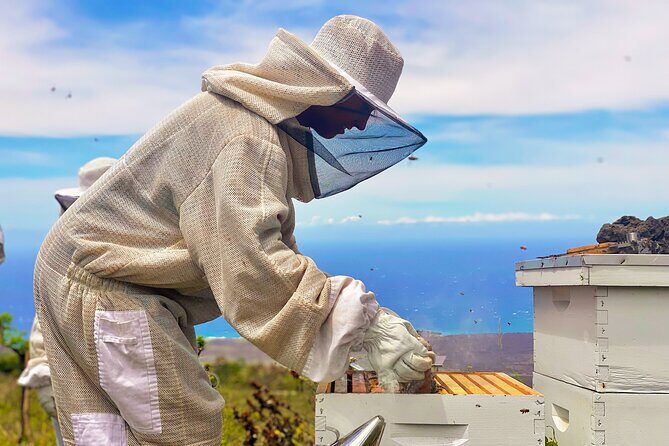
The main event is the interactive hive portion. After an educational presentation, you’ll spend time with a live hive using protective suits and gloves. The tour is designed so you don’t just look from far away. You get close enough to understand what you’re seeing.
From the way the experience is described, participants can view and even hold hive components when the hive boxes are handled safely. You’ll be shown what the different pieces are doing, and you’ll get guidance on how to handle the “blocks” or frame sections when they’re presented to the group. If you like tactile learning, this part is why the tour is memorable.
You should also know the limits up front. This experience is not recommended for severe bee sting allergies. If you fall anywhere in the “I react badly” category, don’t gamble. If you’re unsure, ask before you book. Your comfort comes first.
One small practical tip: because you’re in a suit, think about breathing, heat, and movement. Long socks help keep you covered and more comfortable. Closed-toe shoes also keep you steady when you’re standing near the apiary area.
The Presentation That Makes Honey Make Sense (Without a Lab Coat)
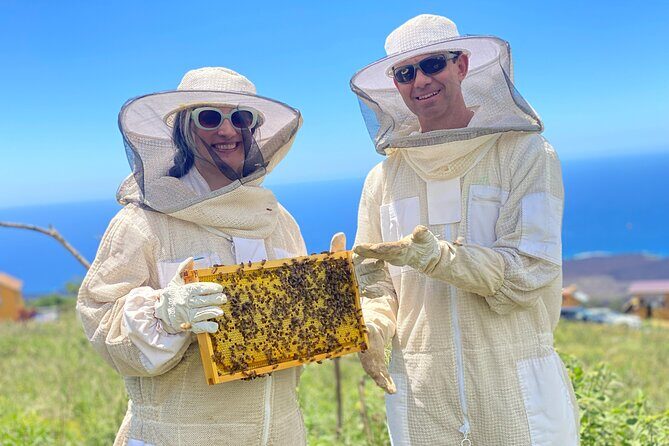
Before you get suited up, you’ll sit through an educational presentation that explains the colony’s role in pollination and how bees produce honey. The goal is clear: you should leave understanding what honey is and why bees matter beyond the taste.
This is also where Erica’s role really comes through. As a beekeeper and tour operator, Erica is focused on educating the public about the bees’ job on the planet. That mission shapes the tour. You don’t just learn what bees do in general. You learn why beekeeping and honey harvesting exist as part of caring for the colony.
You’ll also learn what gets produced besides honey. Erica harvests honey and makes other hive-related products such as beeswax candles, lotions, and lip balm. That makes the story practical. Honey isn’t treated like a mysterious food item. It’s one output of a larger system.
The best part of this kind of education is what it unlocks for you during the live portion. When you know what you’re looking for, you notice details you would normally miss. It turns the hive into a lesson you can see, not a lecture you have to memorize.
Panoramic Apiary Views: Why the Setting Is Part of the Lesson
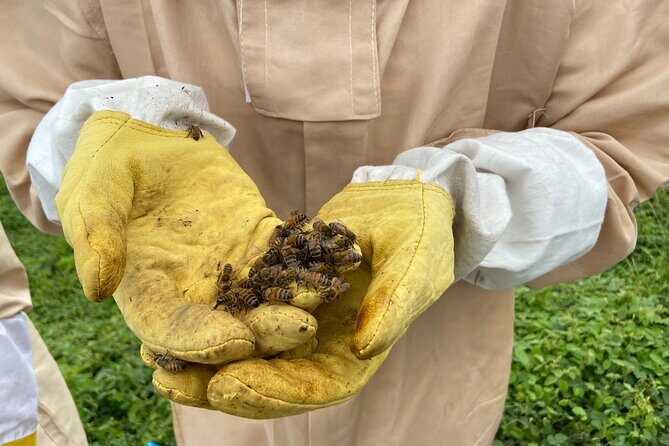
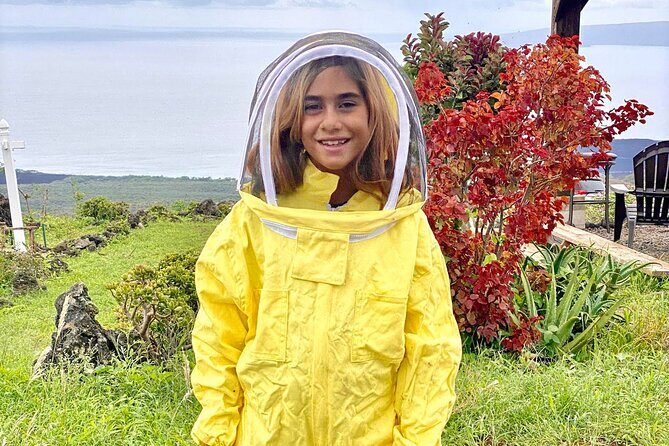
Beekeeping isn’t just about insects. It’s also about place. This sanctuary’s setting in Kula gives you sweeping views, and that changes the whole feel of the tour. You’re not stuck in a classroom or fenced-in corner.
During the apiary time, you get a chance to step back and take in the landscape while still being close to the action. From the descriptions shared, the location overlooks the water, so the views can feel extra special—especially if you’re used to seeing the island from roads and lookouts.
If you’re the type who likes a few photos that don’t feel staged, this stop helps. And yes, there’s also a nice bonus: the guide takes photos during the experience, which can save you from trying to balance a camera with a beekeeping suit.






Honey Tasting and the Farm Stand: Taking the Sweet Stuff Home
After the tour, you move into honey tasting. This includes tasting honey from the beehives and from the local Maui beekeeping community at the farm stand. That matters because it’s not just one jar. It’s an introduction to what “Maui honey” can taste like depending on local beekeeping and harvest.
This is the portion where you can slow down. You’re not in suit-up mode anymore. You can compare flavors, ask about products, and decide what you want to bring home.
The farm stand also works like a mini-marketplace for hive products and gifts. Erica’s operation includes items such as beeswax candles, lotions, and lip balm, and the shop area has been described as carrying additional products too, including items like jewelry and other bee-related goods. If you like souvenirs that feel tied to the place, this is a strong choice.
One more reason the tasting works: it gives you a reward that’s linked to the learning. You’re not just buying something. You’re tasting something you learned about a short time earlier.
Price and Value: What You’re Paying For (and What You Get Back)
Pricing can feel like a big question with tours like this, especially when you see a figure around $79 per person referenced by one couple. I get that. For some people, any tour at that price needs to justify itself quickly.
Here’s where the value comes from. You’re paying for three things at once: an education session, a protected, close-range live hive experience, and honey tasting paired with a farm stand with local products. Add in the small group size (max 8), and you’re less likely to feel like you’re standing around waiting your turn.
The tour also includes provided gear, which adds value compared to tours where you bring your own equipment or pay extra for it. And because it lasts about 1 hour 30 minutes, it fits well into a Maui day without swallowing the whole schedule.
That said, the experience may not feel worth it for people who only want a quick view of bees and plan to skip the tasting and shopping part. If you come for hands-on learning and want to leave with honey, this tour makes more sense.
Who This Tour Suits Best (And Who Might Feel Off)
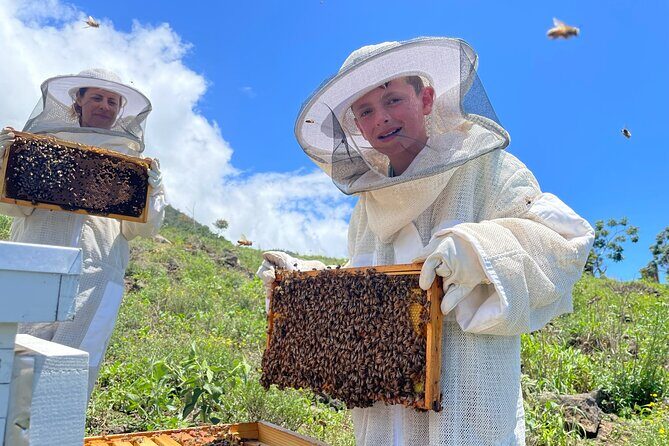
This is a good match for people who want a closer look at how a living colony works, not just a general nature talk. It’s also family-friendly and described as working for couples, friends, honeymooners, groups, and even corporate events. That’s usually a sign the guide keeps things clear and manageable.
You’ll likely enjoy it most if you:
- Like learning that connects to something you can see immediately
- Don’t mind suiting up for a hands-on experience
- Want a Maui activity that’s different from beach-only days
You should reconsider if you have severe bee sting allergies, since the tour is explicitly not recommended for that situation. And if you dislike being in protective gear, plan to bring a calm attitude. The tour is physical in a small way—standing near the hive, moving carefully, and keeping steady while the frames are shown.
Getting There: Meeting Point, Drive Vibes, and Timing Reality
Your start time is 10:30 am at 16-655 Piilani Hwy in Kula. Give yourself buffer time. Kula sits inland from the busier coastal zones, and the drive can be part of the experience for many people.
One person described the drive as almost like a road trip with twists and turns, similar to the feel of driving the Road to Hana area. Even if you’re not chasing that vibe, it’s still a reminder to plan for winding roads and allow extra time so you’re not rushing into your tour.
Because confirmation happens at booking time, you’ll want to keep that handy on your phone. This tour uses a mobile ticket.
Practical Tips That Make the Tour Smoother
A few details matter more than they seem.
First, dress for the suit. Wear closed-toe shoes and long light-colored socks. You’ll be in protective gear, and these choices help you stay comfortable while you move around.
Second, think about photo expectations. The guide may take photos during the activity, which is great, but you should also be ready to stop thinking about selfies during the hive portion. You’ll be focused on learning and following instructions.
Third, keep your questions ready. The small group size helps you get answers, but you still have to ask. Questions like how pollination ties into honey production, or why bees act the way they do, can lead to better explanations once you’re close to the hive.
Finally, bring your curiosity more than your knowledge. This kind of tour works best when you treat it like a conversation with a working beekeeper, not a one-way lecture.
Weather and Rescheduling: How Nature Plays the Scheduling Game
This is a weather-dependent experience. If conditions aren’t right, the tour can be canceled and you’ll be offered a different date or a full refund. The good news is the operator recognizes that outdoor bee work can’t be forced.
This means you should avoid locking in other time-critical plans right around your honey tour window. Build some flexibility. You’ll get a better day overall.
If the minimum number of travelers isn’t met, the tour could also be changed or refunded. That’s common for smaller operations, especially those running small groups.
Should You Book Honey Bee Adventure at Maui Honey Bee Sanctuary?
Book it if you want a Maui activity that’s hands-on, educational, and tied to real local beekeeping. The live hive portion, the provided gear, and the honey tasting afterward are a strong combo for people who like learning that lands in your hands and on your tongue.
Skip or pause if you have severe bee sting allergies or you strongly prefer animal encounters from a distance. Also consider whether you’ll actually use the honey tasting and farm stand portion. If you only want a quick look, you might find the price harder to justify.
If you do book, show up on time, wear the sock and shoe setup, and bring questions. This isn’t a generic bee tour. It’s a beekeeper-led farm experience with views and the chance to see how a colony works—up close and on purpose.
FAQ
What is the duration of the Honey Bee Adventure tour?
The tour lasts about 1 hour 30 minutes.
Where does the tour start in Maui?
The meeting point is 16-655 Piilani Hwy, Kula, HI 96790, USA. The tour ends back at the same meeting point.
What time does the tour begin?
The start time listed is 10:30 am.
What language is the tour offered in?
The tour is offered in English.
How big is the group?
The experience has a maximum of 8 travelers, which keeps it small-group.
Are bee suits and gloves provided?
Yes. Bee suits and gloves are provided.
What should I wear to the tour?
Bring closed-toe shoes and long white or light colored socks.
Is this tour suitable for all ages?
Yes. The tour is described as suitable for guests of all ages.
Is the tour recommended for people with bee sting allergies?
It is not recommended for travelers with severe bee sting allergies.
What happens if weather is poor?
The experience requires good weather. If it’s canceled due to poor weather, you’ll be offered a different date or a full refund.
What is the cancellation policy?
Cancellation is free. You can cancel up to 24 hours in advance for a full refund. If you cancel less than 24 hours before the start time, the amount you paid is not refunded.