REVIEW · MAUI
The Ultimate Road to Hana Slingshot Adventure from Kihei Maui
Book on Viator →Operated by Aloha Motorsports · Bookable on Viator
This is Hana with an open-air twist.
You’ll drive a Polaris Slingshot along Maui’s Road to Hana route with pre-loaded navigation and the kind of wind-and-ocean feel you just can’t get in a normal rental car.
I love how flexible the day is because you keep the Slingshot for a full 24 hours, so you’re not stuck watching the clock every time the road slows down. I also love the stops are built for real variety—turtles at Ho’okipa, viewpoints over Ke’anae Valley, and waterfall swims—so you’re not doing the same kind of scenery all day. One thing to plan carefully: Waiʻanapanapa State Park requires pre-reservations and other entrances may require fees, so you’ll want your timing and paperwork lined up ahead of time.
In This Review
- Key Things I’d Tell My Friend Before You Go
- Why the Slingshot Feel Makes Road to Hana Worth It
- Starting in Kihei: Your Simple Setup for a Big Day
- Ho’okipa Beach Park: Sea Turtles, Wind, and the Best Kind of Pause
- Wailua Valley State Wayside Park: A View That Explains Maui’s Shape
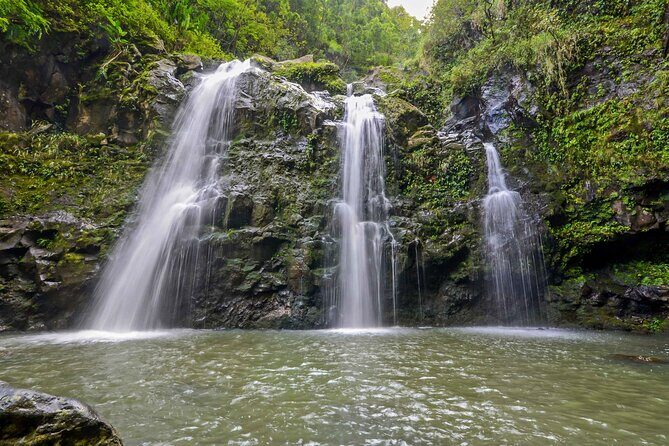
- Upper Waikani Falls (Three Bears Falls): Swim-Worthy Waterfall Energy
- Puaʻa Kaʻa State Wayside Park: Rainforest Cooling and Waterfall Pools
- Twin Falls: Why You Might Skip It, Even If It’s Pretty
- Waiʻanapanapa State Park: Black Sand, Freshwater Caves, and a Reservation Must
- Wailua Falls: The Roadside Waterfall With the Easy Pull-Off
- Kipahulu Point Park (Oheʻo Gulch): Pools at Oheʻo and the Pipiwai Trail Option
- Price and Value: What $541 Buys (and What It Doesn’t)
- Tour-Day Tips That Actually Matter on the Road to Hana
- Should You Book This Slingshot Road to Hana Adventure?
- FAQ
- How long do we get the Polaris Slingshot?
- Where does the tour start in Maui?
- What’s included in the price?
- Are park entrance fees included?
- Do we need reservations for Waiʻanapanapa State Park?
- What are the driver and passenger requirements?
Key Things I’d Tell My Friend Before You Go

- Open-air driving changes the whole vibe of the Road to Hana, and helmets are provided.
- You self-drive with pre-loaded navigation, so you control pace, parking decisions, and photo stops.
- Ho’okipa Beach Park is for sea turtles and serious waves, especially in the late afternoon.
- Waiʻanapanapa is the one stop that can derail plans if you don’t secure the required reservation.
- Kipahulu Point Park connects to the Pipiwai Trail, including banyan and bamboo (and possible slippery footing).
Why the Slingshot Feel Makes Road to Hana Worth It

Road to Hana already has a reputation for jaw-dropping scenery. What this adventure adds is how you experience it. Driving an open-air three-wheeler means you feel the breeze on your face, hear the road more clearly, and notice weather changes fast—sun, rain, and mist all hit differently on the route.
The biggest practical win is that you’re still doing Hana the “real way”: pulling off at the views you want, stopping when the traffic wave settles, and moving at your own rhythm. When the road gets slow, you won’t feel like you’re trapped in someone else’s schedule.
The second win is that your vehicle setup is simple and fun. Helmets are provided, the navigation is pre-loaded, and you’re not juggling paper maps on a hairpin road. For a place like Hana, that matters more than it sounds.
You can also read our reviews of more tours and experiences in Maui.

Starting in Kihei: Your Simple Setup for a Big Day
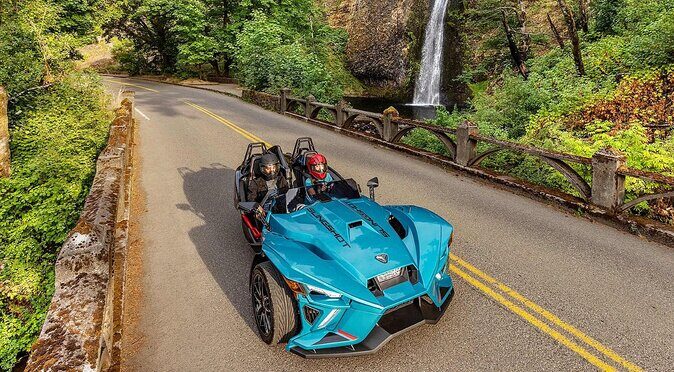
Your day begins at 1975 S Kihei Rd suite 5, Kihei. This is a private activity, so it’s only your group riding in the Slingshot—up to 2 people per group.
The driver needs a valid driver’s license from any country and must be 21+ for insurance. Passengers can be any age, as long as they can securely sit in the seat. Before you pick up the vehicle, plan on a fully refundable security deposit of $750 or $1,500, depending on what you choose at rental pickup.
You’ll receive a mobile ticket, and then you’re basically set up for a self-guided loop: you can complete the tour at your own pace because the Slingshot is yours for 24 hours. That’s important on Hana days, because “one hour” of driving can turn into more once you hit road slowdowns or people lingering at viewpoints.
Ho’okipa Beach Park: Sea Turtles, Wind, and the Best Kind of Pause

Ho’okipa Beach Park is one of those stops that makes you slow down on purpose. It’s famous for big, well-shaped waves and strong, consistent winds—so windsurfers and surfers treat it like a main event. The wave system is tied to reefs extending across the bay, which helps explain why the breaks look so dramatic.
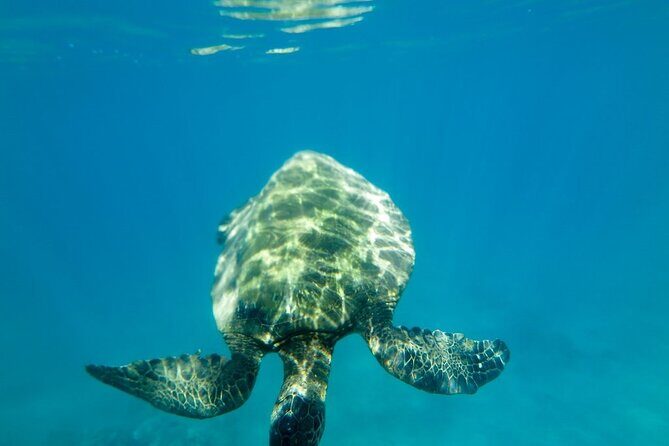
Then there are the sea turtles. You can often spot Hawaiian green sea turtles resting on the sand, especially later in the afternoon. This is also a protected wildlife area, so keep your distance and don’t try to get close for a better photo. I like this stop because it feels natural, not forced—like you’re catching a moment instead of chasing an attraction.
Plan about 30 minutes here. It’s long enough to watch the shoreline, grab photos, and check on turtles if they’re visible—without eating your whole day.
Wailua Valley State Wayside Park: A View That Explains Maui’s Shape
Next up is Wailua Valley State Wayside Park, which gives you an excellent lookout into Ke’anae Valley. From the viewpoint, you can see waterfalls, the Ko’olau Gap, the Wailua Peninsula, and even the rim of Haleakalā Crater.
I like this stop because it helps connect the dots. Hana isn’t just “pretty roadside stops.” It’s a chain reaction of valleys, openings, and ridges. A wide view like this helps you understand why the road bends the way it does—and why fog can make some sections feel extra mysterious.
Give it about 30 minutes. Use that time for a few photos, a breather from traffic, and a quick scan for clouds. Weather changes can happen quickly on Maui, and this is a good place to reset your expectations before you move on.
Upper Waikani Falls (Three Bears Falls): Swim-Worthy Waterfall Energy
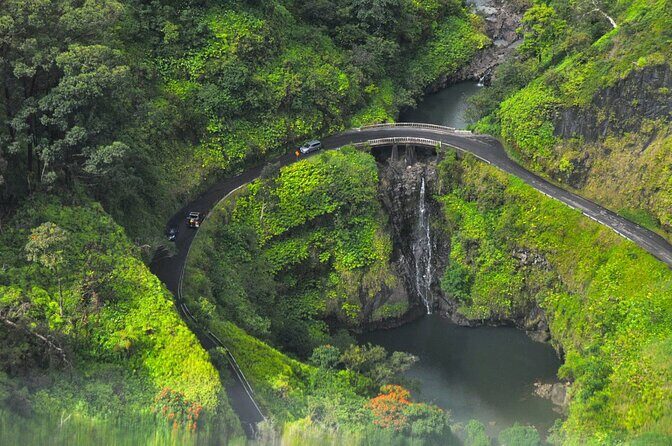
Upper Waikani Falls—also known as Three Bears Falls—is a popular waterfall and swim stop. This is one of those places where the “30 minutes” is more of a guideline, because once you see the waterfall and the pool area, it’s tempting to stay longer.
A practical note: water spots like this can mean slippery ground. If you plan to swim, bring the right footwear for getting in and out safely. If you don’t plan to swim, still take a moment to watch how the water moves—these falls feel more alive than many roadside waterfalls because of how close the action is.
Spend around 30 minutes, and move on before parking and crowding turn into extra hassle.




Puaʻa Kaʻa State Wayside Park: Rainforest Cooling and Waterfall Pools
Puaʻa Kaʻa State Wayside Park is small—about 5 acres—but it packs in a classic Hana feeling: lush rainforest, waterfalls, and pools you can cool off in. It sits at roughly 1,200 feet and is about 0.5 miles away from Waiohue Bay, so it’s not far from the water-and-valley vibe.
I like this stop because it’s the kind of break that works whether you’re hungry, tired, or just want to reset. You can picnic, stretch your legs, and (if you want) swim in the pools. The park is also designed to be convenient from the Hana Highway, which helps when you’re trying to keep your day smooth.
Plan about 30 minutes and come prepared to get a bit wet if you’re tempted by the pools. A towel is a lifesaver in this part of the day.
Twin Falls: Why You Might Skip It, Even If It’s Pretty
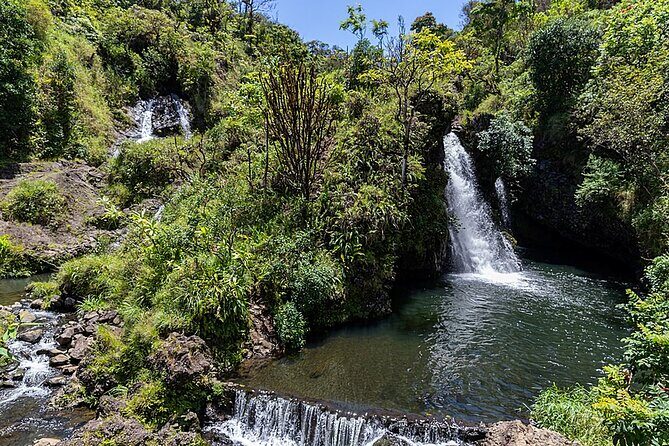
Twin Falls is one of the early accessible waterfalls on the Road to Hana. It’s known for scenic views and an easier walk compared with some deeper jungle hikes. The falls are on a privately owned area that still remains open to the public, and the destination includes two prominent falls close together (often called Twin Falls because of their parallel flow).
That said, here’s the consideration: I’d strongly consider skipping it if you’re trying to avoid traffic buildup in front of you on the road. It’s the kind of stop that can make your overall drive feel slower if timing is off.
If you do go anyway, you’re looking at a short hike through tropical vegetation—bamboo and fruit trees are part of the scene. You may also be able to swim in the pools or at least enjoy the view from a relaxed pace.
If you’re prioritizing the rest of the day—especially Waiʻanapanapa—skip this and keep your timing cleaner.
Waiʻanapanapa State Park: Black Sand, Freshwater Caves, and a Reservation Must
Waiʻanapanapa State Park is a big reason people plan Hana days carefully. The park is named for glistening fresh water, and you’ll see why once you’re there: sparkling pools, plus dramatic features like a black sand beach, freshwater caves, blowholes, and ancient Hawaiian sites.
There’s also a standout natural quirk: the tide pools can turn red several times a year, tied to small shrimp. Even if you don’t see the red tide pool effect, the mix of coastline, caves, and cultural sites makes the place feel very different from the “just waterfalls” stops.
Here’s the major planning item: pre reservations and fees are required to enter Waiʻanapanapa State Park, and the reservation link isn’t provided by the tour. You’ll need to look up the park by name and follow the current instructions. If you don’t have the reservation lined up, you may not be able to enter.
Plan time accordingly and don’t treat this as a quick stop. For value, it’s worth it—just make sure your entry is confirmed before you roll down Hana.
Wailua Falls: The Roadside Waterfall With the Easy Pull-Off
Wailua Falls is one of the most breathtaking waterfalls on the Road to Hana, and it’s right next to the roadway. There’s even a bridge passing in front of it, which gives you a built-in vantage point without needing a long walk.
This stop also has a human touch: local vendors often sell handmade goods in the pull-off area just past the waterfall. It’s a simple way to pick up something small without turning the trip into a shopping detour.
Give it about 30 minutes. It’s a good “reset” stop—quick, scenic, and easy to fit between longer moments on the road.
Kipahulu Point Park (Oheʻo Gulch): Pools at Oheʻo and the Pipiwai Trail Option
Kipahulu Point Park is where the Road to Hana turns into a nature destination. This area is part of Haleakalā National Park, so a National Park entrance fee is required. The good news: that entrance fee is valid for three days and also gets you into the Haleakalā Summit.
This stop is known as the Pools at Oheʻo, also called the Seven Sacred Pools. You’re looking at tiered waterfalls and pools in ’Oheʻo Gulch, surrounded by lush tropical vegetation. The area is serene in a way that feels different from the more roadside view points—like you’ve stepped into a protected water-and-green pocket.
There’s also hiking here. Kipahulu Point Park is the trailhead for the Pipiwai Trail, a roughly four mile round trip hike to Waimoku Falls. It’s described as a moderate hike and can be slippery. You’ll encounter a banyan tree and a bamboo forest along the way.
Since the stop time listed is about 2 hours, decide ahead of time how much hiking you want to attempt. If you go for the trail, keep it realistic—slick conditions can slow you down.
Price and Value: What $541 Buys (and What It Doesn’t)
The price is $541.00 per group for up to 2 people, and it covers the vehicle rental period. You get use of a Polaris Slingshot, helmets for all riders, and pre-loaded self-guided navigation.
What you don’t get is entrance fees to optional parks and attractions. In plain terms: the Slingshot experience is the main product, and park access is the add-on.
For value, I like this deal most when you:
- want the open-air drive without the hassle of planning navigation
- prefer self-guided timing over a strict tour schedule
- are coming as two people, so the per-person cost is reasonable
If you’re expecting everything to be fully included with no extra fees, you’ll want to budget for park entry—especially the Haleakalā National Park entrance fee at Kipahulu and any charges/fees related to Waiʻanapanapa.
Also note: most stops listed are free, which helps. The places that cost money are the ones you’ll remember—so it feels less like nickel-and-diming and more like paying for the big hitters.
Tour-Day Tips That Actually Matter on the Road to Hana
This route has quick weather shifts, and the Slingshot’s open-air design means you’ll feel them. I’d pack like you’re going from beach weather to cool mist fast: layers, a jacket or rain gear, and sunscreen.
Bring a swimsuit and a towel. If you stop at places with pools—like Upper Waikani, Puaʻa Kaʻa, or the Oheʻo area—you’ll be glad you can dry off and stay comfortable for the next drive.
Water and snacks are smart too. There’s ample storage available, and pulling over for food can break your rhythm if you wait too long.
One more practical note: the Slingshot day can involve driving plus short walks and occasional slippery surfaces at waterfall areas. Wear footwear that handles wet ground. It’s not glamorous, but it keeps your Hana day from getting stressful.
Finally, plan your pacing around the biggest “timing risk” stop: Waiʻanapanapa’s reservation requirement. If you handle that well, the rest of the day usually flows.
Should You Book This Slingshot Road to Hana Adventure?
Book it if you want Hana as a self-driven day trip with a memorable vehicle. The open-air Polaris Slingshot adds a lot of fun, and the pre-loaded navigation keeps things low-stress for a first-time Hana driver. It’s also a great fit for couples or friends who want flexibility and don’t want to rush every stop.
Think twice or plan extra carefully if reservations and fees will stress you out. Waiʻanapanapa is the key factor: if you can’t enter that park when you arrive, the day’s rhythm changes. Also, if you’re sensitive to sun, wind, or quick rain, pack for it—open-air riding is part of the magic, but it’s still weather exposure.
If you handle reservations, pack right, and keep a realistic hiking mindset for slippery trail conditions, this is a seriously fun way to experience the Road to Hana—especially as a two-person group.
FAQ
How long do we get the Polaris Slingshot?
You keep the Slingshot for a full 24 hours, so you can complete the stops at your own pace.
Where does the tour start in Maui?
The meeting point is 1975 S Kihei Rd suite 5, Kihei, HI 96753, USA.
What’s included in the price?
Included are use of a Polaris Slingshot, helmets for all riders, and pre-loaded, self-guided navigation.
Are park entrance fees included?
No. Entrance fees to optional parks and attractions are not included, and the National Park entrance fee is required for Kipahulu Point Park.
Do we need reservations for Waiʻanapanapa State Park?
Yes. Pre reservations and fees are required to enter Waiʻanapanapa State Park, and you’ll need to search the park name online to find the reservation instructions.
What are the driver and passenger requirements?
The driver must be 21+ and have a valid driver’s license. Passengers of any age can ride if they can securely sit in the seat. A refundable security deposit is also required at pickup.