REVIEW · MAUI
Discover Scuba Diving Class from Lahaina
Book on Viator →Operated by Dive Maui · Bookable on Viator
First breaths underwater are a Maui moment. This 3-hour Discover Scuba intro pairs PADI eLearning with hands-on coaching, so you’re not guessing once you’re in the water. I especially like the max-four setup for personal attention, and I like that you get all the gear. The one real drawback to consider: the program requires genuine ocean comfort, and the water time can feel intense if you’re not relaxed with the equipment and breathing.
You’ll meet at 1223 Front St in Lahaina, do a quick review of the online lessons with a PADI professional, then head out to practice essential skills. Maui’s coral reefs are the payoff, with frequent sightings of sea turtles and tropical fish. Just be prepared for the logistics of carrying your scuba setup and walking in—some people find it heavier than they expected.
In This Review
- Key things I’d watch for before you book
- Lahaina Discover Scuba: what you’re really signing up for
- The 3-hour flow: how your time usually goes
- PADI eLearning: the prep that actually makes or breaks it
- Gear, shore entry, and the part nobody wants to talk about
- In-water skills: what you’ll practice and why it matters
- Maui underwater payoff: turtles, sharks, reefs, and a wreck
- Who should book this, and who should think twice
- Price and value at about $158.43 per person
- Weather, medical screening, and the rules you should not ignore
- How it feels in the real world: instructors, patience, and pacing
- Should you book this Lahaina Discover Scuba class?
- FAQ
- Is prior scuba experience required?
- Do I need to complete PADI eLearning before I arrive?
- What gear is provided?
- What medical requirements apply?
- What are the age and swimming requirements?
- Can I fly or go to elevation after the tour?
Key things I’d watch for before you book
- Max four participants so your instructor can give frequent check-ins while you learn
- PADI eLearning beforehand means you arrive with the basics already covered
- All necessary scuba gear provided, but you’ll still need to carry your own kit
- Skill practice before the longer underwater time focused on safe breathing and core control
- Shore entry on Maui can include walking over uneven ground to reach the water
- Medical screening required; approval is needed if your questionnaire has any positive answers
Lahaina Discover Scuba: what you’re really signing up for
Think of this as an intro to safe scuba skills, not a certification course. The point is to get you comfortable enough to go underwater with a professional right there—show you how the equipment works, help you master a few core movements, and then let you enjoy Maui’s reef life.
The experience starts before you ever show up. You get a login for PADI eLearning with reading and videos that you’re expected to complete before your appointment. On the day of your session, your instructor reviews the material, then focuses on the practical part: what to do, what to feel, and how to respond when you notice you’re getting nervous, out of sync, or unsure.
That mix is why this class works well for many first-timers. You’re not just thrown into gear. You’re taught the basics, then coached while you put them into motion. One theme that pops up in the positive feedback: calm instructors who slow things down when you need it. People have specifically praised instructors such as Sean, Matt Stark, Joe, Abby/Abbi, Scott, Chris, Gretchen, and Annika for being patient and safety-focused.
The other theme—based on the less-positive feedback—is that the class can feel rushed if you arrive with low water comfort. This is not a pool-only training. It’s open ocean, with real currents and real ocean sensations.
You can also read our reviews of more tours and experiences in Maui



The 3-hour flow: how your time usually goes
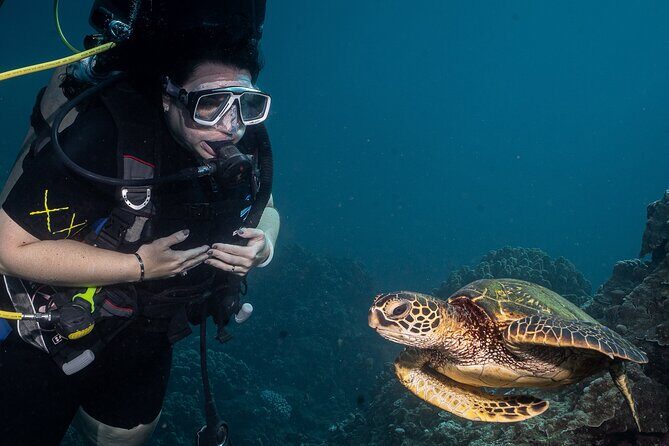
The whole outing is about 3 hours from start to finish, returning you to the same meeting point after you’re done. Within that block, you’re typically looking at three phases: prep, review + equipment, and then skills + underwater time.
First is the pre-visit prep: your PADI eLearning must be completed before you arrive. If you skip it, you’re not set up to participate safely. The operator’s policy is also clear that you won’t get a refund if you haven’t finished the online work.
Next comes the on-site part at the shop near 1223 Front St. You’ll review what you covered online, go over the scuba equipment, and talk through the dive plan at a level your instructor can confirm you understand. Since the group is capped at four, your instructor can tailor explanations to how you’re doing, not how a crowd is doing.
Then you’ll get in the water to practice core skills. You’ll start by doing the basics of how scuba feels: breathing control, equipment checks, and the movements you’ll use throughout your underwater time. Once you feel confident, you and your instructor continue with the longer reef portion.
If you’re curious about how this looks in real life: some groups reported seeing turtles close up, while others mentioned a route that included an old shipwreck area. That kind of variety depends on day conditions and the site plan, but the structure stays the same—skills first, scenery second.
PADI eLearning: the prep that actually makes or breaks it
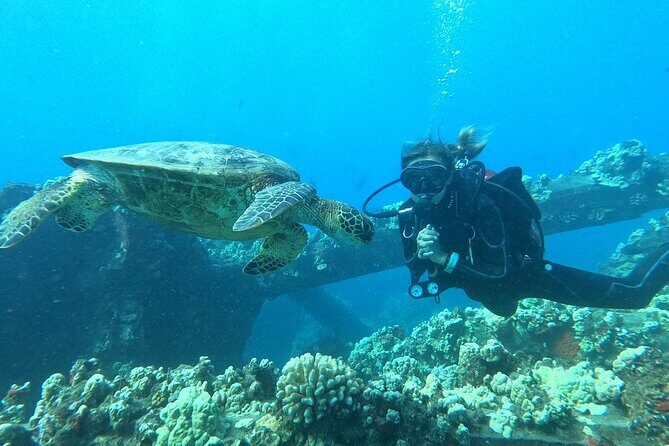
This program is built around a simple idea: learn the theory first, then spend your in-water minutes on real coaching. You’ll receive an eLearning login and complete the required reading and videos before you arrive.
Why I think this is smart value: it shifts the busywork out of your scheduled time. When you reach the water, you’re not stuck listening to basic course content while your nerves spike. You’re already oriented, so your instructor can focus on what matters in the moment—how to breathe, how to settle your body, and how to handle common first-time issues.
Two practical reminders:
- Finish the online work early. Don’t wait until the last night. One nervous mistake is expecting the class to re-teach everything from zero in the water.
- Complete the medical questionnaire honestly. A scuba intro still needs medical screening because equalizing, breathing underwater, and physical effort can trigger risk in certain conditions.
If you get through the online portion calmly, you’re much more likely to feel supported once you’re kitted up. If you don’t, the day can feel like it’s happening too fast.
Gear, shore entry, and the part nobody wants to talk about
All necessary scuba gear is provided. That’s a big part of the appeal: you don’t have to figure out wetsuits, regulators, or buoyancy gear before you travel.
But you do need to carry your own scuba gear in and out of the water. Also, the location uses a shore entry that includes walking from land to the entry point. Some reviews call out that this involves sharp, uneven rocks and a noticeable gear-weight burden—especially for beginners who aren’t used to moving with heavy kit.
Here’s what you can do with that information:
- If you have any back or knee issues, take the gear-carry requirement seriously.
- Wear footwear that gives you grip on uneven surfaces (even if you’re used to beaches, shore entries in Hawaii can be rough in places).
- Expect the walk part to be part of the experience, not a minor footnote.
Another logistical detail that matters: the operator times water entry with safety in mind, aiming to reduce risk from surge and uneven terrain. In the positive reviews, instructors are described as patient with new students. In the negative review, one first-timer felt the entry process and the overall pacing were too fast for their comfort level. That doesn’t mean the program is unsafe—it means your own water comfort and readiness matter.
In-water skills: what you’ll practice and why it matters
This intro does not require prior scuba experience. Under a PADI professional’s supervision, you learn the basics for safe underwater time.
You’ll practice key skills you’ll use during every underwater session, including:
- Getting comfortable using scuba equipment while swimming
- Learning what to do if something feels off
- Building a baseline of confidence before the longer reef portion
The staff review themes are consistent here: instructors who do well with beginners check in often, make sure breathing is working smoothly, and help with common first-time problems like mask comfort and feeling steady.
One reviewer specifically praised an instructor (Abb y/Abbi) for being calm while helping with mask adjustments and breathing at first, and for regularly checking in underwater. Another mentioned that the instructor gave them a solid foundation for future dives.
What’s worth noting for your expectations: this is not a slow “pool skills only” progression. It’s open water, and you may be asked to perform skills in deeper areas once you demonstrate readiness. If you’re the type who panics when you can’t touch the bottom, come prepared with patience and a steady mindset.
Also, because this is small group instruction, your instructor can watch for stress signals. If you need to pause, end the session early, or adjust your plan, that’s part of what supervision is for.





Maui underwater payoff: turtles, sharks, reefs, and a wreck
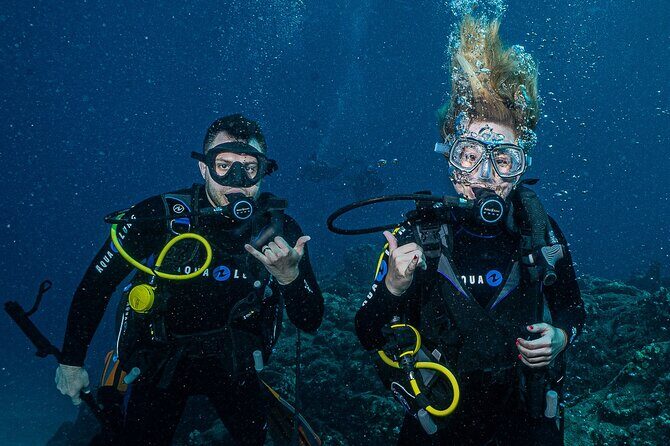
Most people book this class for the same reason: they want to see Maui underwater without having to start from zero. And the results are often impressive.
Common highlights reported include:
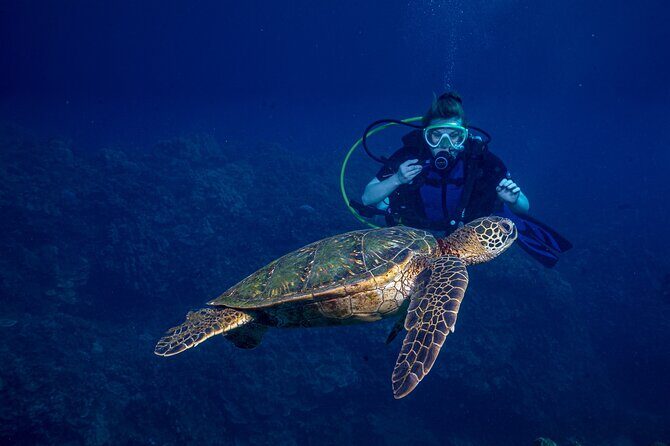
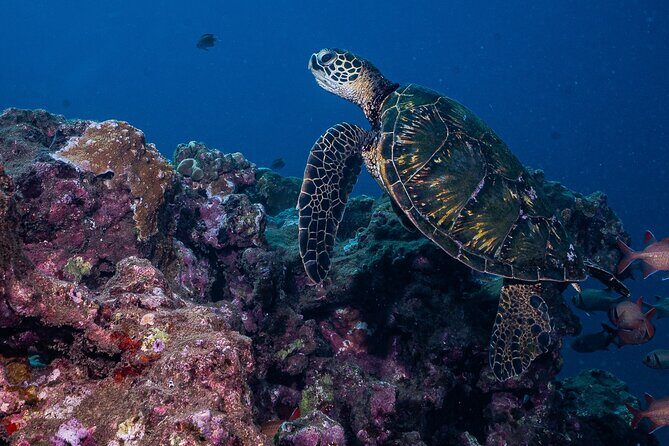
- Sea turtles seen close up
- Tropical reef fish in schools
- Occasional shark sightings, depending on the day and site conditions
Some reviews stand out for specific sightings. One group described lots of turtles, including a count that suggested dozens within reach. Another mentioned a puffer fish and nurse sharks. A different report said they saw white-tipped sharks. Others praised the visibility and coral life, plus seeing eels and colorful fish along the reef.
There’s also mention of an old shipwreck area as part of the route for at least one group. You shouldn’t assume every session includes wreck time, but it’s a useful data point: Maui’s underwater world can shift from reef to structure depending on conditions.
The practical takeaway: go in with the mindset of learning first. Your best underwater “wow” moments tend to happen when you’re relaxed enough to look around while doing the skills.
Who should book this, and who should think twice
This experience fits people who:
- Are comfortable swimming and floating
- Have moderate physical fitness (you’ll carry your gear and move on uneven terrain)
- Are at least 10 years old
- Feel comfortable being in the ocean for a few hours
If you’re traveling with kids, you might like that the instruction is designed for first-time students. Several families described kids loving the experience and instructors helping them feel calm and safe.
On the other hand, consider thinking twice if:
- You have low water comfort or panic easily in open water
- You have medical conditions that could affect diving safety and might require doctor approval
- You’re concerned about carrying equipment on your back and walking over rocky entry points
The one “mismatch” theme in the lower ratings isn’t about the reef or gear—it’s about pace, preparation, and whether the instructor could meet the learner where they were. If you want a gentle start, plan to be extra ready with eLearning completion and do not downplay your comfort level when you meet the instructor.
Price and value at about $158.43 per person
At $158.43 per person, this isn’t bargain-basement snorkeling. But for a guided scuba skills intro, it’s also not outrageous when you account for what’s included: a PADI professional, access to PADI eLearning, and all necessary gear.
Here’s how I’d judge the value:
- Small group instruction (max four) reduces waiting and increases coaching time.
- Gear is provided, which saves you rental hassle and the stress of picking the wrong equipment.
- The learning component is real. You’re not just watching—you’re practicing skills with supervision.
So what would make it feel like a bad deal? Usually it’s expectation mismatch. If you expect pool-only pacing, or you assume you can skip eLearning and still get a beginner-friendly re-teach in the water, you’ll likely feel frustrated. If you arrive ready and water-comfortable, it tends to land as a highlight.
Also, remember you can’t fly or go to elevation within 18 hours of the tour. That affects travel planning value. Build that into your schedule so the class doesn’t create a last-minute snag.
Weather, medical screening, and the rules you should not ignore
This activity requires good weather. If it’s canceled due to poor weather, you’ll either be offered another date or a full refund. That’s normal for ocean activities, but it matters if your Maui schedule is tight.
Medical screening is not optional. You must complete a PADI medical form. If you answer yes to anything, you need doctor approval to participate. The operator states that refunds are not authorized for positive medical answers if you can’t dive.
This is also why the eLearning is important. The program expects you to complete the required materials before you go. If you haven’t finished the online work, you won’t be set up to participate, and refunds aren’t given for participants who haven’t completed the online step.
One more planning rule: don’t plan to fly or gain elevation within 18 hours afterward. If your trip includes an inter-island flight or mountain day right after, schedule those for later.
How it feels in the real world: instructors, patience, and pacing
The strongest signal from the reviews is instructor quality and attentiveness. Many first-timers describe feeling safe because their instructor stayed patient, explained what was happening, and checked in repeatedly once they were underwater.
Names that come up often in positive feedback include Sean, Matt Stark, Joe, Scott, Chris, Gretchen, Annika, and Abby/Abbi. Different instructors can mean different pacing styles. In the negative feedback, one couple felt the briefing and the transition into deeper water happened too quickly, with not enough acclimatization in shallow water.
So here’s my balanced advice: the program can be excellent for beginners, but you still need to meet it halfway. If you’re nervous, say so early. If you’re unsure about any step, ask immediately. A small group setup gives your instructor room to respond, but you have to communicate your comfort level.
Also consider the gear-carry piece. If you’re not used to lifting and moving heavy equipment on uneven ground, plan your body and pace accordingly.
Should you book this Lahaina Discover Scuba class?
Book it if you want a structured scuba intro with PADI eLearning, all gear included, and a small group size that supports real learning. It’s a great pick for water-comfortable first-timers who want the reef experience—turtles are commonly on the menu—and you’re ready to do a little physical effort on shore.
Skip it or choose another option if you’re not comfortable swimming, you dislike open ocean conditions, or you have medical situations that might prevent you from participating. And if you’re the type who needs super-slow pacing, go in knowing that this program can move from skill practice into open-water conditions once you demonstrate readiness.
If you decide to book, do three things to stack the odds in your favor: complete the eLearning early, be honest about your comfort level, and prepare for the walk-and-carry reality of Maui shore entry.
FAQ
Is prior scuba experience required?
No. This is an introductory program meant for people with no previous scuba experience, as long as you meet the water-comfort requirements.
Do I need to complete PADI eLearning before I arrive?
Yes. You’ll be assigned an eLearning login and you must complete the required reading and videos before your time of dive. Refunds are not given if the online work is not finished.
What gear is provided?
All necessary scuba gear is provided by the operator. You will need to carry your own scuba gear in and out of the water.
What medical requirements apply?
You must complete a PADI medical questionnaire. If you answer yes to anything, doctor approval is required to participate. Refunds are not authorized if health keeps you from diving.
What are the age and swimming requirements?
The minimum age is 10 years old. You must be able to swim and be comfortable in the ocean.
Can I fly or go to elevation after the tour?
No. You cannot fly or go to elevation within 18 hours of this activity.