REVIEW · MAUI
From Ma’alaea: Afternoon Whale Watch Tour Aboard the Malolo
Book on GetYourGuide →Operated by Malolo Molokini Snorkeling Charters · Bookable on GetYourGuide
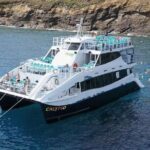
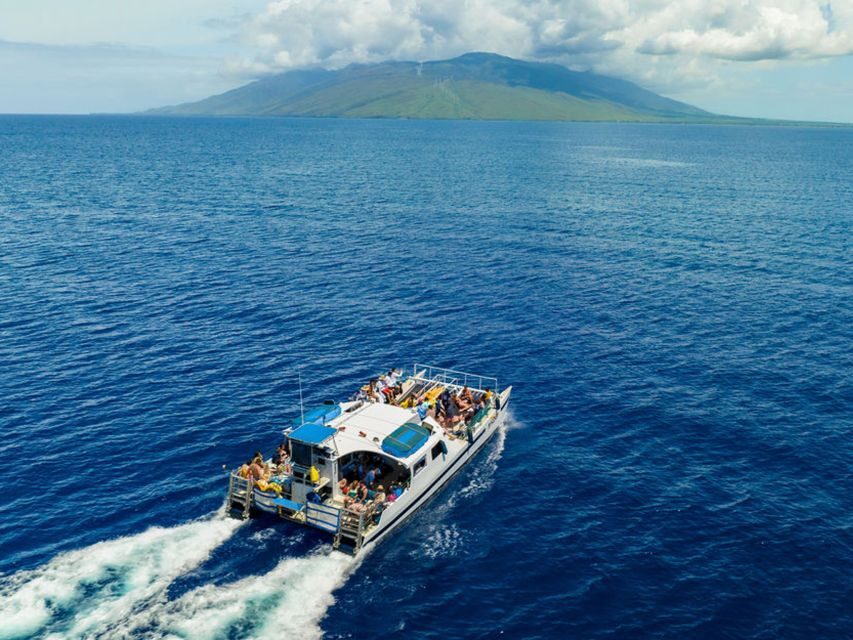
Whales sound different when you can hear them. On Malolo’s high-speed catamaran out of Ma’alaea Harbor, I like the fast, fun ride and the underwater hydrophones that make the whales feel closer even before you spot them.
You’ll spend the 2 hours scanning Ma’alaea Bay and the channel for humpback activity—tail slaps, fin flutters, flukes, and sometimes full breaches—while the captain and crew keep the focus on what’s happening right now. One drawback: this tour is not wheelchair accessible, and it’s not suitable for people with heart problems or pre-existing medical conditions.
Key things that make this whale watch worth your time
- High-speed catamaran from Slip 87: You check in at Boss Frog’s and then walk over to the boat docked at slip 87.
- Underwater hydrophones: You can listen to whale songs as you cruise.
- Humpback season timing: Best odds run roughly December through April.
- Hands-on whale-spotting tips: You’ll learn what to look for—like pectoral fins, flukes, and the peduncle.
- Comfort basics included: Shaded cabin area, two restrooms, and cold juice and soda on board.
- Real activity range: From quick fin hits to big, dramatic surface breaches.
In This Review
- From Ma’alaea Harbor to the Whale Channel
- Hydrophones: Hearing Humpback Songs, Not Just Seeing Them
- Two Hours of Whale Spotting: What to Watch for on the Surface
- The Crew’s Role on Board and How Their Tips Pay Off
- On-Board Comfort: Shade, Restrooms, and Drinks at $3
- Accessibility and Health Considerations for a High-Speed Ride
- Price, Seasonality, and When the Odds Get Better
- Practical Tips: Windbreaker, Cameras, and Motion Planning
- Should You Book the Malolo Afternoon Whale Watch?
- FAQ
- Where is the check-in and meeting point?
- How early do I need to check in?
- How long is the whale watch tour?
- When is the best time to see humpback whales on this tour?
- What’s included on board?
- Are alcoholic beverages included?
- Is hotel pickup and drop-off included?
- What should I bring?
- Who should not book this tour?
From Ma’alaea Harbor to the Whale Channel
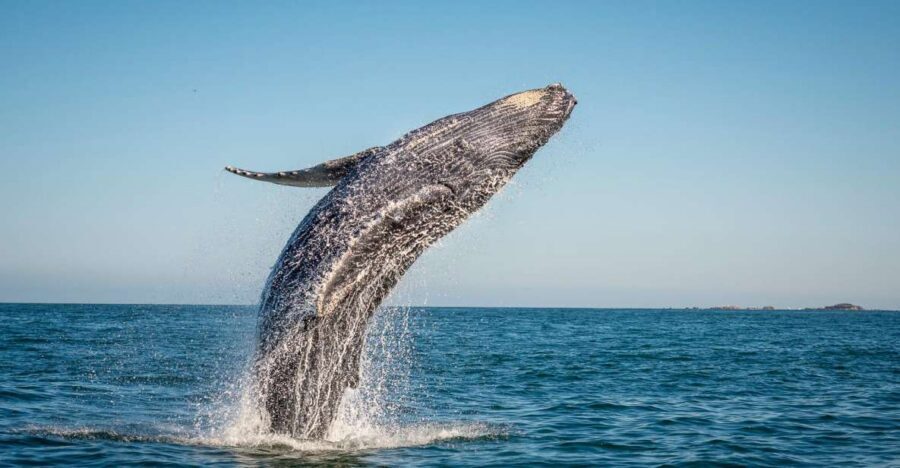
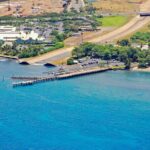
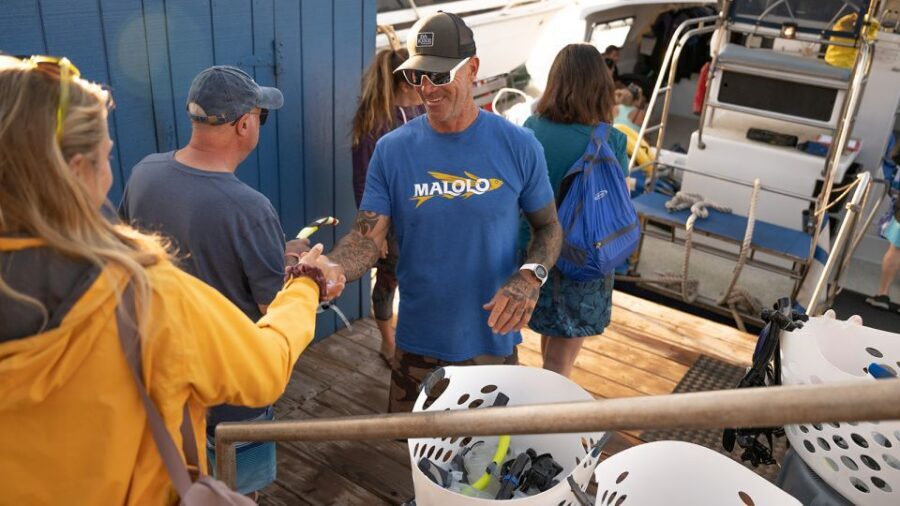
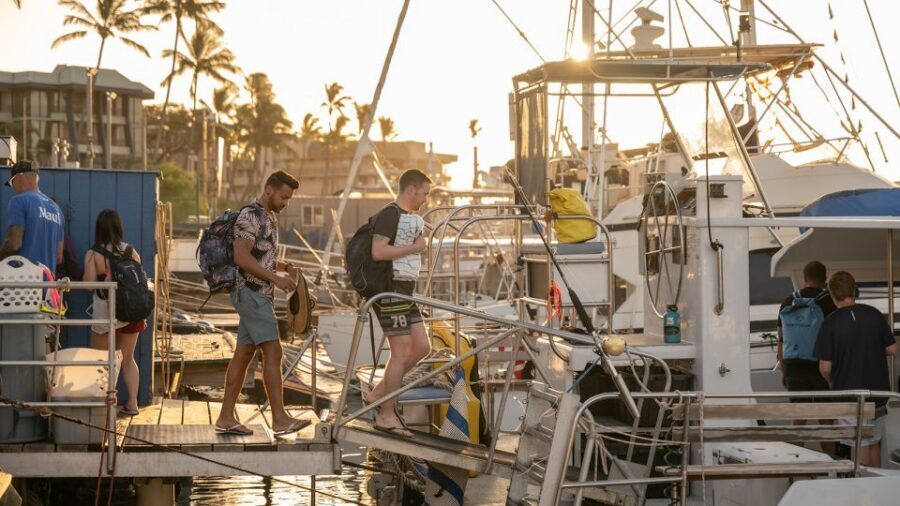
If you’re basing your Maui time around whales, I like this one because it’s simple and close to real action. The tour departs from Ma’alaea Harbor (300 Ma’alaea Rd). Meeting starts at Boss Frog’s Snorkel, Surf, and Cycle at the same address, where you check in and then walk across the street to Slip 87.
That dockside setup matters. It means less time herding people through parking lots and more time actually looking for spouts. It also helps you settle in fast—especially if you’re traveling with kids (or kids at heart), since everyone needs to be on board before the captain starts seeking pods.
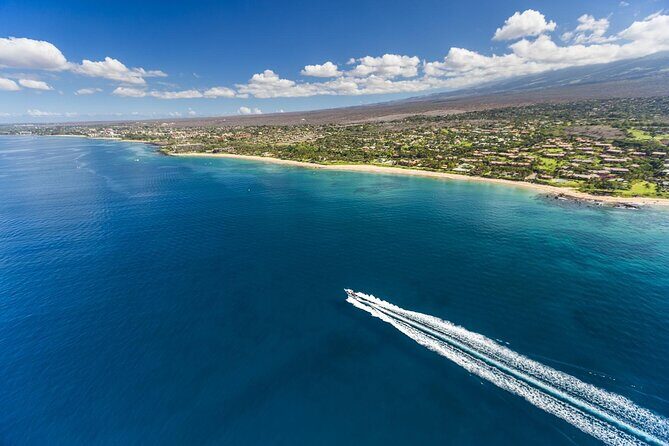
Once you’re out, the plan is straightforward: you cruise along the channel and spend the majority of the two-hour outing focused on whale watching. You’re not in a long, slow drift where the morning goes to the birds. This is a high-speed catamaran, so you’ll feel the pace—good for finding active groups, but it also means you should expect some motion if the water is choppy.
One more practical point: alcohol is available, but it’s extra, and you’ll also have juices and sodas included. If you want a classic Maui afternoon where you can sit back, sip something cold, and watch whales work, this boat is built for that.
Hydrophones: Hearing Humpback Songs, Not Just Seeing Them
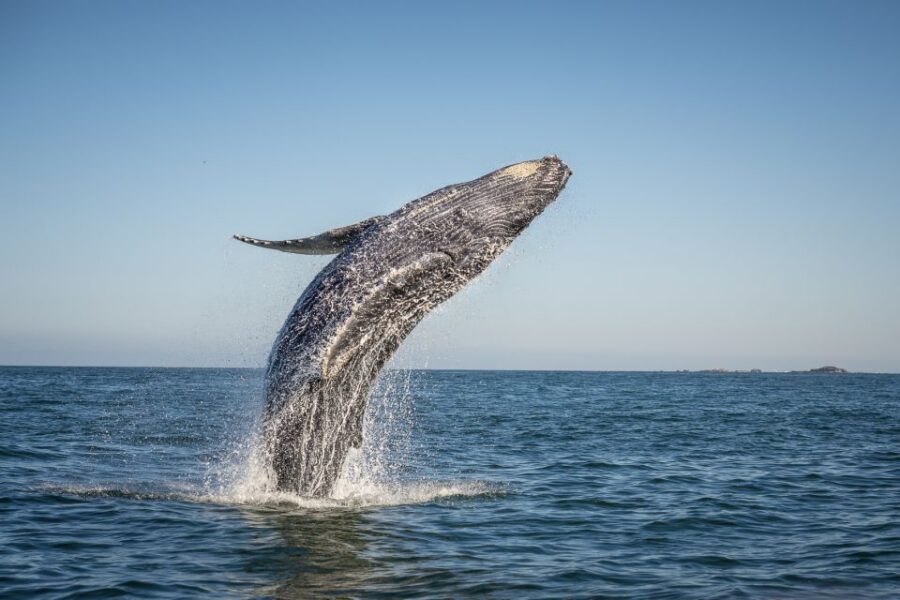
Most whale watching is about eyes. This one adds ears—and that changes everything for me. The tour includes underwater hydrophones, so as you cruise you can hear whale songs through the water.
What I like about this: it gives you a second way to track what’s going on. If the whales are surfacing farther out, you’re not stuck waiting for a fin to appear. You can listen for activity while you scan the surface for signs like spouts, quick flukes, or the flash of long pectoral fins.
You’ll also get some context from the captain and crew. The tour includes an informative and historical narrative, plus whale-focused guidance about what whales are doing when they’re around Maui. That makes the sightings feel less random. You’re not just watching water tricks—you’re learning why whales come this way and how their behavior shows up in what you see.
And if you’re the type who likes to “learn the language” of a place, this helps. One rider specifically noted how the hydrophone made whale communication easier to notice. That’s the kind of detail that turns a good trip into a memorable one.
You can also read our reviews of more whale watching tours in Maui

Two Hours of Whale Spotting: What to Watch for on the Surface
Here’s the reality: on a whale watch, the whales set the agenda. Your two hours on the water are designed so you’re in the right area and paying attention to the right cues—then the animals decide how dramatic the show gets.
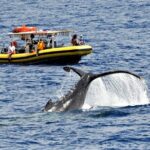
During the best season (roughly December through April), humpback whales return to Hawaii for mating and giving birth. When they’re active, you might see anything from quick surface activity to full-on bursts above the water.
Keep your eyes peeled for:
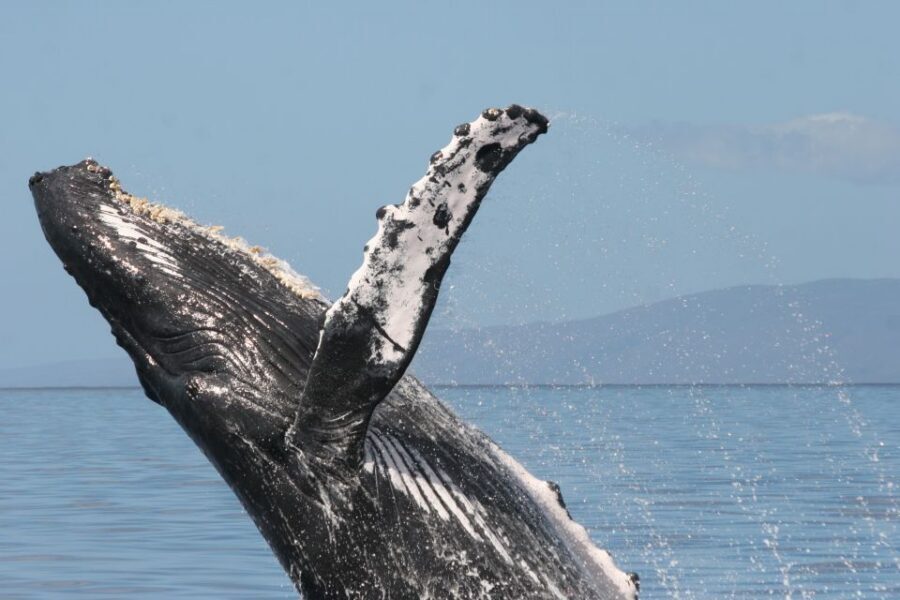
- Pectoral fins slaps: those long side fins can smack the surface.
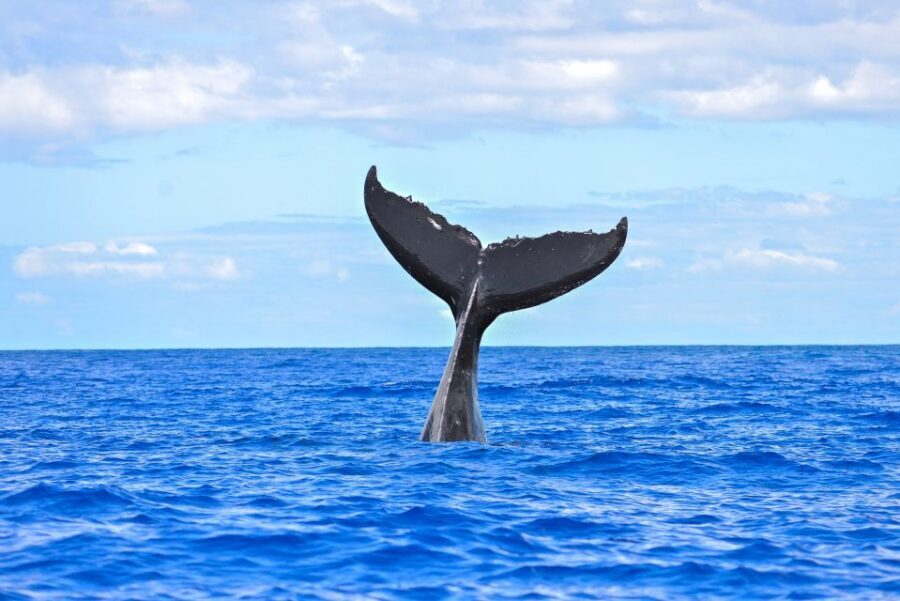
- Flukes and tail displays: the tail area is often what creates the biggest splash.
- Peduncle action: the strong muscles that help power the tail motion.
- Tail flapping and repeated blows: multiple surfacing moments instead of a single appearance.
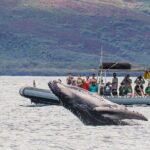
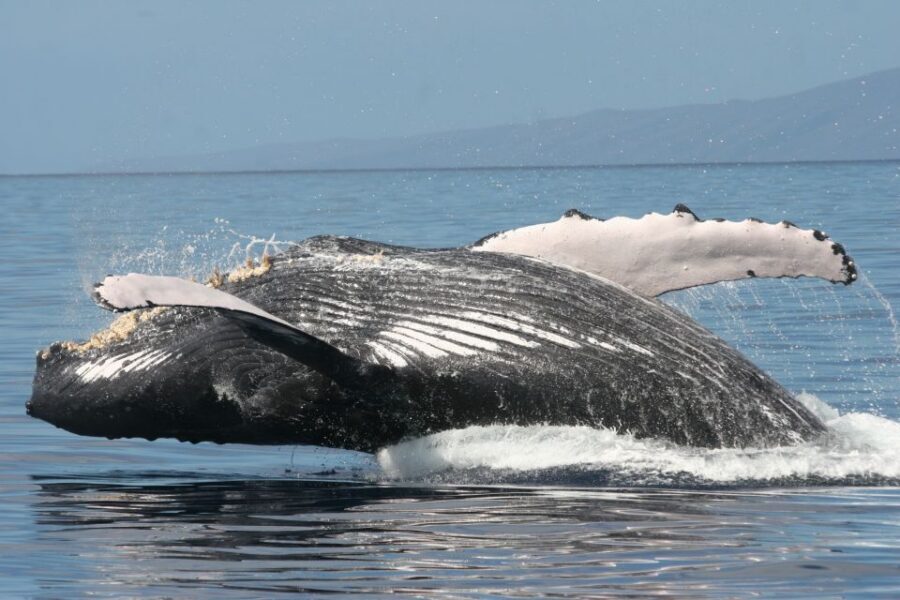
- Breaching: when a whale rises completely out of the water and crashes down again.
Will you see a breach? You might. You also might not. Even when breaching doesn’t happen, you can still get plenty of whale energy—surface for air, fins, and tail work. Several experiences highlighted lots of whales visible at different points in the trip, and at least one mentioned breaching from a mother and calf in choppy conditions.
Also, pay attention early. Some departures get active right away, so don’t treat the first minutes like warm-up time.
The Crew’s Role on Board and How Their Tips Pay Off
A whale watch is only as good as what you do with your attention. This tour leans into that with guidance from the captain and crew, who help you spot whales and interpret what you’re seeing.
The big win here is the learning curve. You’re not expected to be a marine biologist before you arrive. You’re given clear, practical cues—what part of the whale to watch for, how to tell one kind of surface action from another, and what patterns might mean the whales are nearby even if they’re not right in front of you.
I also like that the crew keeps things lively and functional. Multiple experiences praised the staff for being quick to find whales and attentive throughout the ride. One person noted how even on a very choppy day, the captain kept passengers comfortable—so you’re able to focus rather than fight the motion.
And the whale talk isn’t just science in a vacuum. There’s also a broader feel connected to the island itself, since the included narrative covers more than animals. One account specifically mentioned a connection to Maui’s volcanic past, which adds texture if you like learning while you travel.
If you’re traveling with mixed ages or people who get impatient waiting, this kind of crew-led spotting can be the difference between a “we saw something” trip and a “we were locked in the whole time” trip.
On-Board Comfort: Shade, Restrooms, and Drinks at $3
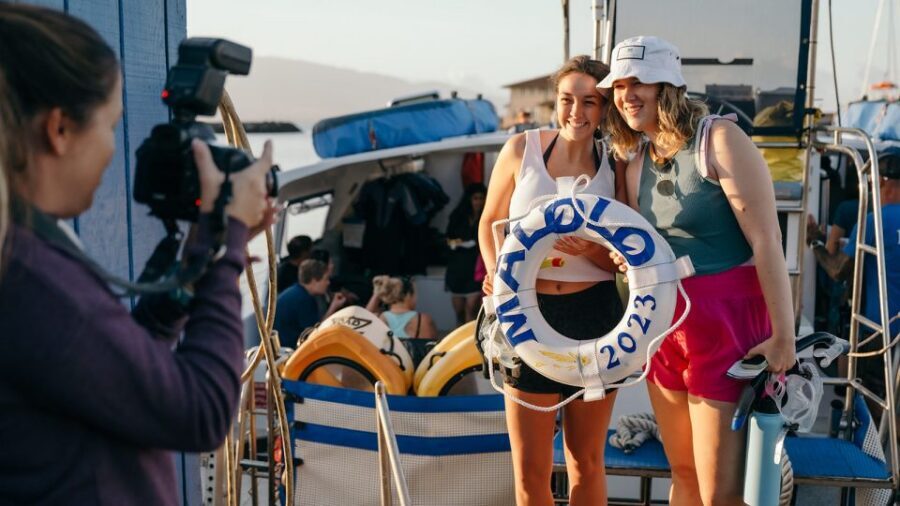
The Malolo ride includes some comfort details that matter more than people think—especially on windy Maui afternoons. You get a shaded cabin area and two restrooms on board. That’s a real quality-of-life win on a 2-hour outing, because it reduces stress and keeps your group from constantly shuffling around.
Drinks are simple:
- Complimentary juices and sodas are included.
- Alcoholic beverages are available, but they cost $3.00 each.
- Alcohol age requirement is 21+ with valid picture ID.
If you’re counting value, this setup is nice: you don’t have to buy alcohol to enjoy the trip, and the included drinks are enough for most people. It also makes the onboard experience feel casual rather than like you’re paying for everything twice.
One more practical note: the tour operates subject to favorable weather conditions. If the sea is rough, expect a bouncier ride on a high-speed catamaran. That doesn’t automatically ruin the experience—one account even said the captain did a great job handling choppy water—but it’s worth keeping in mind if motion affects you.
Accessibility and Health Considerations for a High-Speed Ride
This is a key decision point. The tour is not wheelchair accessible. There’s also a clear health warning: it’s not suitable for people with heart problems or those with pre-existing medical conditions.
I’m glad this is stated upfront. Whale watching involves being on the water, and on a fast catamaran, conditions can change quickly. Even if the whales are nearby, the ride itself is part of the experience, so the tour is best for travelers who can handle boat motion.
If you’re unsure about suitability due to a condition, treat this as a “talk to a doctor first” situation rather than a wait-and-see plan. You’ll enjoy the trip more when you’re confident you’re physically able to handle the environment.

Price, Seasonality, and When the Odds Get Better
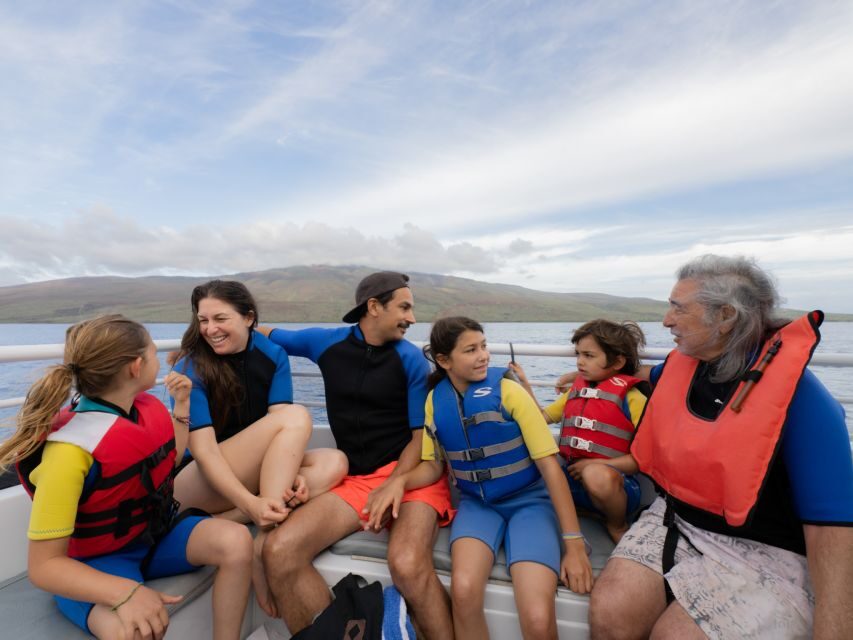
At $59 per person for about two hours, this falls into the range where you expect real sightings. The value comes from what’s included, not just the ticket price.
You’re getting:
- Underwater hydrophones
- A professional captain and crew
- Informative whale narration
- Cold juices and soda
- Shaded cabin area and two restrooms
- Time spent specifically for humpback viewing during the Maui season
The season timing is a big deal. The tour data places the optimal whale watching season from December through April, when humpbacks return for a few months to mate and give birth. If you’re traveling outside that window, you’re still taking a whale watch, but the odds generally shift. If you can pick dates, aim for that December–April stretch.
Finally, look at the pattern of outcomes people reported: many described seeing lots of whales, including activity right early in the trip and more sightings all the way to the end. Even when breaching didn’t happen, people still seemed happy with fin and tail displays and the general excitement of being on the water with a crew that knows where to look.
Practical Tips: Windbreaker, Cameras, and Motion Planning
Bring a windbreaker. Maui wind can cut through fast, especially near the harbor. Even if the day looks calm from shore, the boat can feel colder once you’re moving.
Also, bring your camera. Whale watching is one of those activities where you don’t get a second take. When a fin slaps or you see the brief rise of a whale’s body, you’ll want to capture it.
If you’re sensitive to motion, think ahead. A high-speed catamaran can feel bouncy when conditions are choppy. Pack whatever helps you stay comfortable—motion sickness tools if you use them—and consider where you stand or sit so you can keep your balance while watching.
And one small but important time rule: check in 30 minutes before departure. You’ll meet at Boss Frog’s, then the crew helps you check in and you walk to Slip 87. It’s fast once you’re there, but being late can mess up the whole flow.
Should You Book the Malolo Afternoon Whale Watch?
I’d book it if you want a whale watch that gives you more than just distant sightings. The underwater hydrophones and the crew-led spotting cues add real substance, and the included drinks and comfort basics make a two-hour outing feel easy.
Skip it if wheelchair access is a must, or if you have medical constraints that make open-water boat rides risky. In that case, the wrong boat day can turn into the wrong kind of stress.
If you’re traveling during December through April, this is a strong pick from Ma’alaea for humpback watching—especially if you like the idea of hearing whale songs while you scan the water for fins, flukes, and the big splashy moments.
FAQ
Where is the check-in and meeting point?
Meet at Boss Frog’s Snorkel, Surf, and Cycle at 300 Ma’alaea Road, Wailuku, HI 96793. You check in there first, then you walk across the street to the boat docked at Slip 87.
How early do I need to check in?
You must check in 30 minutes prior to departure.
How long is the whale watch tour?
The tour lasts about 2 hours.
When is the best time to see humpback whales on this tour?
The optimal whale watching season is December through April, when humpback whales return to Hawaii for a few months each year.
What’s included on board?
You get underwater hydrophones, a professional captain and crew, ice cold juices and sodas, a shaded cabin area, two restrooms, and an informative narrative.
Are alcoholic beverages included?
Alcohol is not included. Alcoholic beverages cost $3.00 each, and the drinking age is 21+ with a valid picture ID.
Is hotel pickup and drop-off included?
No. Hotel pickup and drop-off is not included.
What should I bring?
Bring a windbreaker, and it’s also a good idea to bring your camera.
Who should not book this tour?
The tour is not wheelchair accessible and is not suitable for people with heart problems or pre-existing medical conditions. Unaccompanied minors are also not allowed.