REVIEW · MAUI
Whale Watching Maui: 2-Hour Small Group Raft Tour from Lahaina
Book on Viator →Operated by Dive Maui · Bookable on Viator
Humpbacks singing never gets old. This small-group raft tour from Lahaina takes you toward the Maui Nui whale sanctuary, and every seat gets a real shot at the horizon. I also love that you get a hydrophone plus speakers, so whale songs are not just a rumor you hope to hear.
One possible drawback: the ocean can change fast. If wind and waves spike, plans may get rescheduled, and on any wildlife trip the whales control the show.
In This Review
- Key things that make this whale raft tour worth your time
- Whale season on Maui: what you’re really looking for
- From Lahaina to the Maui Nui sanctuary: how the 2-hour ride plays out
- Small raft, big viewing: the “front row” part that actually matters
- Listening to whale songs: hydrophone + speakers on the raft
- The captain and naturalist: learning that doesn’t slow the trip
- Comfort and gear: rain ponchos, sunscreen, and the little inclusions
- What about the whale guarantee, and what it can’t do
- Price and value: is $80.60 worth it?
- When this tour might not feel like what you hoped
- Who should book this Lahaina whale raft tour
- Quick practical checklist before you go
- Should you book this whale watching raft tour?
- FAQ
- How long is the whale watching tour?
- Where is the meeting point in Lahaina?
- How many people are on the raft?
- What’s included in the tour price?
- Do you provide anything for rainy weather?
- Is there a guarantee if you don’t see whales?
- Is this tour suitable for young children?
- Are pregnant people allowed on this tour?
- What if weather is bad and the tour can’t run?
Key things that make this whale raft tour worth your time
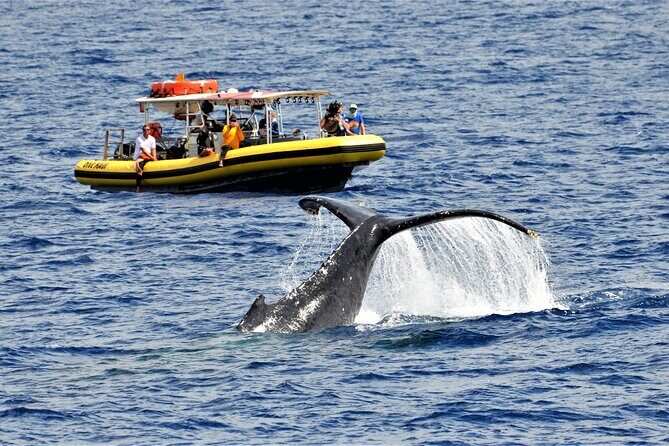
- Small max group size (20): easier scanning and less jockeying when whales surface
- Hydrophone + speaker setup: hear humpback songs clearly while you watch
- Whale sightings guarantee: if you don’t see whales, you’re offered another trip for free
- Comfort extras included: rain ponchos on wet days, reef-safe sunscreen, filtered water
- Custom inflatable raft feel: front-row viewing from a boat built for closeness
- Quick captain repositioning: once whales show, you get moved to where you can watch without chaos
Whale season on Maui: what you’re really looking for
Maui’s humpback season is a winter thing. The whales head toward the warm waters around the island to mate and give birth, which is why this tour focuses on the Maui Nui whale sanctuary.
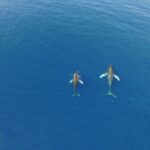
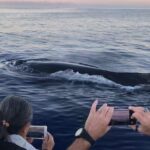
On the water, you’re not just “hoping to see whales.” You’re actively watching. The goal is to spot surfacing behavior, tails, and the moments right before breaching. When the crew finds active pods—especially mother-and-calf pairs—your whole trip feels different, because the whales are doing normal life, not just passing through.
Even better, the tour is designed for viewing. The raft is set up so you get wide coverage around the boat. That matters because humpbacks can appear in different spots without warning.
You can also read our reviews of more whale watching tours in Maui

From Lahaina to the Maui Nui sanctuary: how the 2-hour ride plays out
This is a tight, focused tour—about 2 hours total. You’ll start at the dock area at 1223 Front St, Lahaina, HI 96761 and return to the same meeting point when you’re done.
A typical flow goes like this:
- You check in and get onboard gear for comfort (poncho if it’s rainy, sunscreen, bottled/filtered water).
- You head out into the sanctuary waters, where the search begins: horizon scanning, watching for spray lines and breathing holes.
- When whales are spotted, the captain repositions so you can watch closely and from multiple angles.
- You spend time observing and listening—using the hydrophone and speakers for whale songs—then head back before your eyes fry from all that excitement.
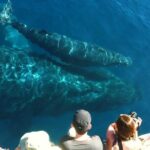
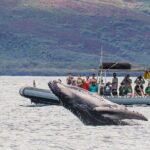
The time passes fast once whales show up. Many of the best moments people talk about are not distant “maybe it’s a whale” sightings. It’s real-time action: whales surfacing repeatedly, calves staying near moms, and sometimes a whale going under the raft.
Small raft, big viewing: the “front row” part that actually matters
Here’s the honest value of a smaller raft: less crowding and better lines of sight. With a maximum of 20 travelers, you’re more likely to be able to turn and see what’s happening on your side, not just in the front.
And on this tour, “front-row” isn’t marketing fluff. The raft design aims for 360-degree views, which is a big deal because humpbacks don’t surface in one fixed direction. A large, packed boat can make the viewing feel narrow. A smaller raft makes it easier to keep watching even when the action shifts.
One neat detail: the crew’s job isn’t only to find whales. It’s to place the boat so you can watch without the whole group needing to stand, strain, or block each other. That’s why small-group tours feel calmer even when the whales are doing something wild.
Listening to whale songs: hydrophone + speakers on the raft
If you only do one thing beyond the basics, do this. The tour includes a hydrophone and high-quality speakers—so you can listen to humpback songs from the boat.
In practice, it means you’re not just watching the surface. You can connect the behavior you see with the sounds you hear. That pairing is what turns a good sighting into a memorable one.
You also get a marine naturalist on board (the tour includes a whale-loving Marine Naturalist). When the captain locates whales and the naturalist explains what you’re seeing, the hydrophone becomes more than a gadget. It helps you understand why certain whales behave the way they do—like mothers keeping close to calves, or escort males sticking around.
The captain and naturalist: learning that doesn’t slow the trip
This is one of the strongest reasons people keep praising this tour. You’re on a raft for a short window, so the best crew makes learning fit the moment.
Many departures get highlighted for guide pairs such as Captain Will with Renee or Captain Joe with Naturalist Brian. What stands out in that kind of pairing is the balance: they’ll answer questions and share whale behavior details, but they don’t turn the trip into a slideshow.
The payoff is you learn what you’re seeing while you’re seeing it. You might catch:
- how mothers and calves keep close
- why escort males may stick near
- what breaching and tail-flicking can signal in the moment
- what the sanctuary area means for whale movement during the season
It’s also a practical education. Once you understand whale patterns, you scan smarter. You stop looking only for the splash and start watching for the sequence of surfacing events.
You can also read our reviews of more tours and experiences in Maui





Comfort and gear: rain ponchos, sunscreen, and the little inclusions
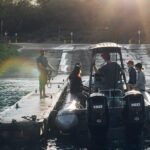
This tour doesn’t nickel-and-dime the basics. Comfort items are part of the plan.
What you get:
- Rain ponchos on rainy days
- Bottled/filtered water (filtered water is included, and paper cups are used to reduce plastic waste)
- Reef-safe sunscreen
- A setup to listen to whales (hydrophone + speakers)
BYO alcohol is allowed, but there’s a rule: no glass. That’s a safety thing, and it also keeps the vibe relaxed on a raft where everything moves a bit.
If you burn easily, reef-safe sunscreen included is a nice touch. It’s one less item to carry from the car and one more thing the crew is prepared for.
What about the whale guarantee, and what it can’t do
Let’s talk about the whale guarantee clearly. The tour includes a whales-or-take-another-trip-for-free promise. That’s meaningful because whale watching is expensive when you get skunked.
But here’s the realism check: the whales decide how active they are, how close they come, and where they surface. Even the best captain can’t force breaching. And there are also strict rules about safe, legal distances from marine mammals.
So the guarantee helps with the big question—seeing whales. It does not guarantee fireworks. Some trips feel like nonstop action; others are calmer, with lots of watching and fewer dramatic moves.
If you’re the type who needs jumping whales every 10 minutes, consider booking with a bit of flexibility in your schedule. The tour timing is short enough that you’ll get value either way—but your expectations should match nature.
Price and value: is $80.60 worth it?
At $80.60 per person for about 2 hours, this sits in the “serious activity” category. The question is what you get for that money.
Here’s the value math that matters:
- Small-group cap (20 max), which can improve sightlines
- Hydrophone + speaker listening (not just a boat ride with a checklist)
- Marine Naturalist included
- Water and reef-safe sunscreen included
- Ponchos included for rainy conditions
- Whale-or-free guarantee, which protects you from the biggest whale-watching risk
- Mobile ticket for smoother check-in
- Group discounts are available
If you compare tours only by ticket price, smaller rafts can look pricey. But once you factor in the extras—especially the hydrophone setup and the whale guarantee—the value becomes easier to justify.
Also, this is a seasonal, popular activity. On average, it’s booked about 26 days in advance, which tells you the demand is real. Booking sooner often helps you lock in the day that best fits your weather window.
When this tour might not feel like what you hoped
Most trips sound fantastic. Still, two considerations can affect your experience.
1) Sea conditions and rescheduling
This activity requires good weather. If conditions are rough, safety comes first. That can mean rescheduling, and nobody can control high winds and waves.
2) Smaller boat does not equal guaranteed close encounters
A smaller raft can help with scanning and positioning, but legal distance rules still apply. If your personal definition of premium is super-close whales, understand that the animals still control their behavior.
There was also at least one negative experience where the boat seemed to be at a similar distance as larger tours. That’s a reminder: your best bet is to choose a tour for the overall package—crew, viewing setup, and the whale-sighting guarantee—not for a promise of constant proximity.
Who should book this Lahaina whale raft tour
This is a strong fit for:
- families and couples who want a lively, short adventure (it’s family-friendly)
- people who care about learning while they watch
- first-time whale watchers who want more than just a distant view
- anyone who wants the sound aspect too, thanks to the hydrophone
It’s not a fit for:
- children under 3
- pregnant persons
- anyone who can’t handle being out on the water if conditions turn (weather can force changes)
Service animals are allowed, so if that’s your situation, it’s worth knowing the tour accommodates it.
Quick practical checklist before you go
- Bring your camera so you can capture surfacing, tails, and any breaching you’re lucky enough to see.
- Plan around winter humpback season—this is the time the migration lines up with Maui Nui activity.
- If you’re sensitive to weather, build in a bit of scheduling flexibility since the tour depends on sea conditions.
- If you want adult drinks, plan BYO alcohol with the no-glass rule in mind.
Should you book this whale watching raft tour?
I’d book it if you want a mix of real viewing time, a small group experience, and whale songs you can actually hear. The combination of hydrophone listening, a marine naturalist, and the whale-or-free promise makes the cost feel more justified than tickets that only offer “hop on a boat and hope.”
I’d pause and calibrate expectations if you’re chasing only the most dramatic, super-close sightings every minute. Nature still runs the show, and rules keep distances safe.
If you can match the trip to a good-weather window and you’re open to whale behavior varying day to day, this one is a solid pick out of the Lahaina lineup.
FAQ
How long is the whale watching tour?
It runs for about 2 hours.
Where is the meeting point in Lahaina?
The tour meets at 1223 Front St, Lahaina, HI 96761 (Dive Maui / Hawaiian Rafting Adventures).
How many people are on the raft?
The tour lists a maximum of 20 travelers.
What’s included in the tour price?
Filtered water and paper cups, a hydrophone and speaker setup, a whale-loving Marine Naturalist, and reef-safe sunscreen are included.
Do you provide anything for rainy weather?
Yes. Rain ponchos are provided on rainy days.
Is there a guarantee if you don’t see whales?
Yes. If you don’t see whales, you can take another trip for free.
Is this tour suitable for young children?
No children under age 3 are allowed.
Are pregnant people allowed on this tour?
No. Pregnant persons are not allowed.
What if weather is bad and the tour can’t run?
The experience requires good weather. If it’s canceled due to poor weather, you’ll be offered a different date or a full refund.