REVIEW · MAUI
Personalized Retreat day
Book on Viator →Operated by Epic Maui Hikes · Bookable on Viator
A quiet morning on Maui can change your tempo. This private retreat on Waihee sacred sites and nearby Heiau blends intention setting, meditation, Hawaiian chants, tai chi, and yoga with an energy-cleansing river ceremony. I love the calm structure that turns spirituality into a guided practice, and I love that lunch plus a tincture drink are included so you do not have to plan food. The main consideration: it depends on good weather, so timing can shift if conditions are poor.
Meet at Ula’Ula Cafe at 8:30 am, then settle into Maui’s west-side stillness. In the sweetest details shared by past participants, guide Lorena connects the practice to the land in a way that feels personal and respectful. You can expect time to breathe, stretch, and slow down without a packed schedule.
If you want a high-energy hike or big sightseeing crowds, this is intentionally different. Think quiet, ritual, and gentle movement—meant to leave you feeling reset, not worn out.
In This Review
- Key highlights to know before you go
- Waihee and Heiau: Why this retreat feels personal
- Morning meet-up at Ula’Ula Cafe and how the timing works
- Intention setting, meditation, chants, and tai chi (the core practice)
- Entering sacred sites in Waihee and Heiau respectfully
- The energy-cleansing river ceremony: what it means for you
- Yoga, lunch, and the included tincture drink
- Price and value: is $327.50 per person worth it?
- Who this private Maui retreat is best for
- Should you book this retreat day?
- FAQ
- How long is the Personalized Retreat day in Maui?
- Where do we meet, and when does it start?
- Is this a private experience?
- What language is the experience offered in?
- What is included with the retreat?
- What if the weather is bad or I need to cancel?
Key highlights to know before you go
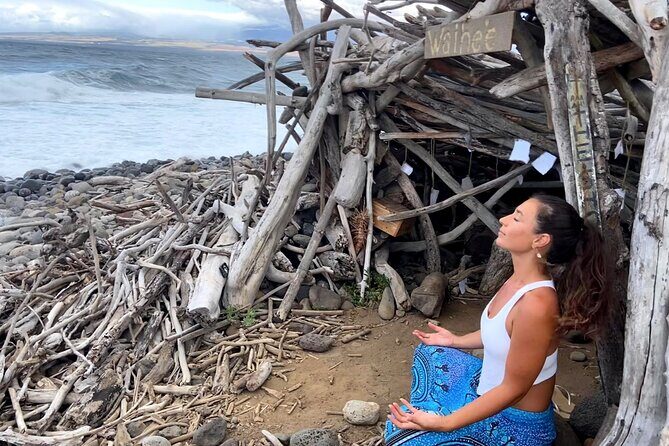
- Waihee and Heiau sacred sites on Maui’s west side: the setting keeps the day grounded and reverent
- Intention setting, meditation, Hawaiian chants: spiritual practice guided step-by-step
- Tai chi and yoga included: calm movement that fits the pace of the ceremony
- Energy-cleansing river ceremony: a hands-on ritual for a fresh start
- Lunch and a tincture drink included: you can focus on the experience instead of food logistics
- Private tour for your group: only your people participate, guided with dedicated attention
Waihee and Heiau: Why this retreat feels personal
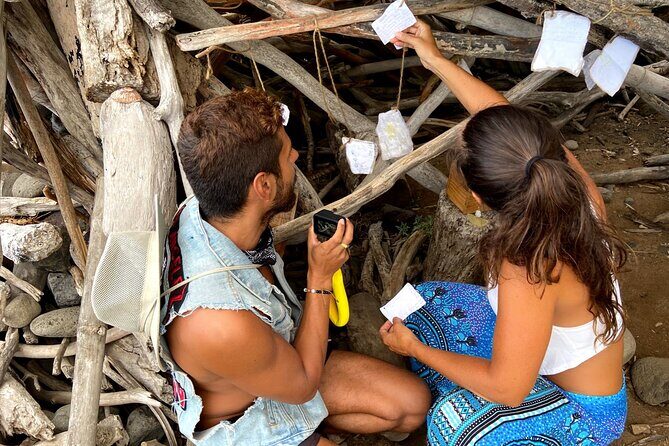
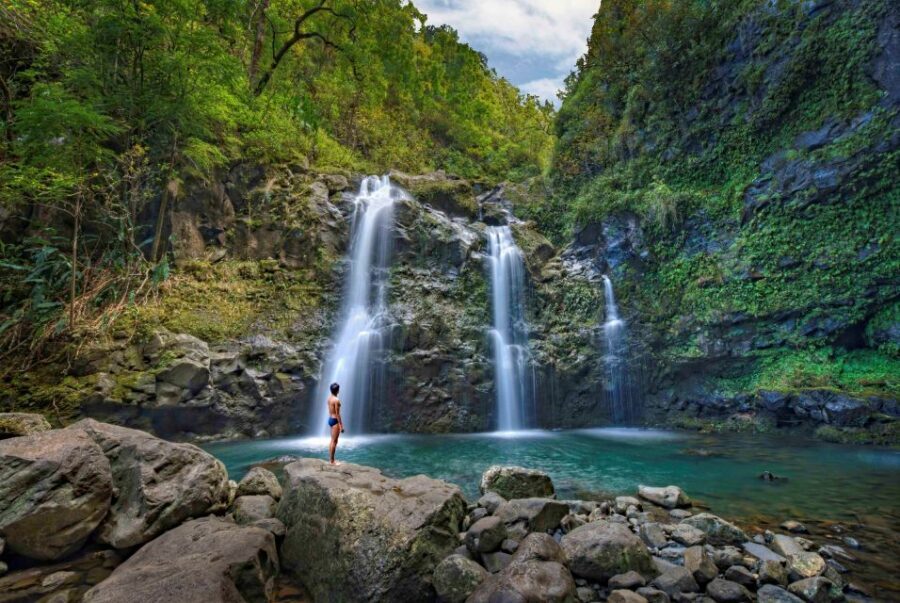
This is the kind of Maui experience that trades sightseeing checklists for a quieter kind of meaning. You start on sacred sites in Waihee, where the theme is peace, calmness, and relaxation. The overall point is not to “perform” spirituality—it’s to practice it, with time to center yourself.
What I like most is the mix of elements that actually help you participate, even if you are new to this style of wellness. You get intention setting and meditation to set the tone, then you move into Hawaiian chants and tai chi—rhythmic, breath-focused, and suited to slowing your body down. The day doesn’t just talk about wellness. It gives you something to do with your mind and body.
The other big strength is respect for place. Heiau are sacred spaces, and this kind of retreat is built around behaving thoughtfully at those sites. If you’ve ever felt uncomfortable at cultural experiences because you did not know what to expect, this private format and guided flow usually makes it easier to settle in.
You can also read our reviews of more tours and experiences in Maui.



Morning meet-up at Ula’Ula Cafe and how the timing works
The day starts at Ula’Ula Cafe, 1765 Kahekili Hwy, Wailuku, HI 96793. The scheduled start time is 8:30 am, and the activity ends back at the meeting point. Duration is listed as about 3 to 4 hours, so you’re not signing up for an all-day ordeal.
That morning timing matters more than you might think. Early starts are often cooler and calmer on Maui, which makes meditation and gentle movement feel easier on your body. It also keeps the ceremony-focused mood intact—you are not spending half the trip just traveling.
You’ll also appreciate that it’s private. This isn’t a large group shuffle where you spend your time trying to keep up. It’s only your group, with a guide walking you through the journey. That usually means you can ask questions and stay in the moment rather than watching for the next instruction.
One practical note: the experience requires good weather. If it looks like rain or the conditions are not ideal, the provider may reschedule you or offer a full refund, so plan around that flexibility if you can.
Intention setting, meditation, chants, and tai chi (the core practice)
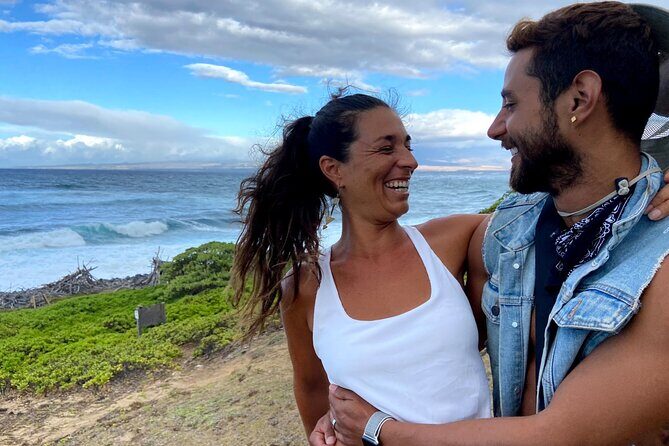
The heart of the retreat is a structured sequence that helps you shift gears. First comes intention setting, which is basically the mental “direction” for the experience. Instead of just showing up, you’re nudged to arrive with purpose—something simple like what you want to release or what you want to cultivate.
Next is meditation time and stillness. The experience is described as a chance to give yourself time to meditate and stretch, finding calm from within. If your idea of wellness usually means yoga class only, this broader setup can be refreshing—because it gives you a mind practice, not just a body practice.
Then come Hawaiian chants and tai chi. Chants add a steady rhythm that often anchors your attention. Tai chi brings gentle movement, typically slower and more controlled than a typical workout pace. For me, that combination is a smart way to help you participate without needing to be “good” at anything. You are meant to follow the guidance and let your body learn the rhythm.
If you’re traveling with a partner, this is also a solid shared experience. Past participants highlighted how meaningful it felt to connect with someone else through the calm practice and nature setting. That shared pace can be a big reason this retreat scores so well.
Entering sacred sites in Waihee and Heiau respectfully
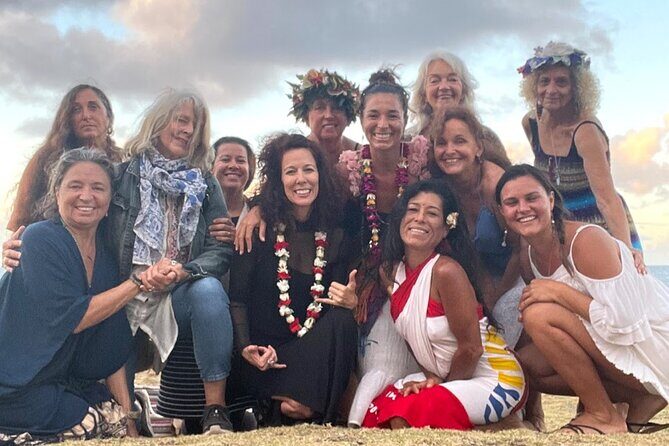
You’re not just passing through a scenic area. You’re visiting sacred sites connected to Hawaiian sacred culture. The day’s framing is clear: it’s about peace and relaxation on those grounds, with a guide to help you move through the experience thoughtfully.
Heiau can feel powerful, even if you do not know every cultural detail. What helps is having a guide who can explain the intention behind what you’re doing—so you are not guessing. The retreat is built around that guided support, and that’s part of why it can feel both moving and safe.
The tone matters here. You should expect a quieter vibe than a typical tourist stop. Keep your phone use modest, follow the guide’s pace, and treat the setting like a place with meaning, not a backdrop for selfies.
Also, since the retreat blends meditation and stretching, you’ll likely want clothing that lets you move comfortably and sit quietly for a bit. The experience is described as most travelers can participate, but it’s still a mind-body practice, not a strenuous expedition.
The energy-cleansing river ceremony: what it means for you
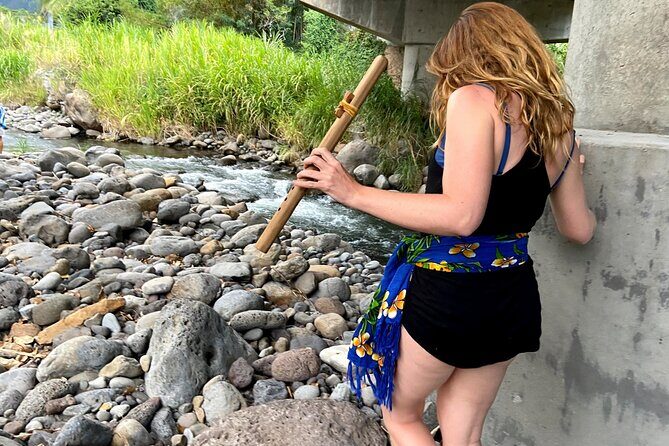
One of the most distinctive parts is the energy-cleansing river ceremony. The language used is straightforward: you take part in a cleansing ritual tied to the river. That sets expectations that this is not just talk—it’s a participation moment.
What does that mean in real-life terms? For you, it’s a structured break from everyday mental noise. You get a guided ritual experience that signals a reset: releasing what you’re carrying and returning to a calmer state. Even if you’re skeptical about the “energy” concept, a ceremony like this often works as a psychological reset because you’re doing it with intention, in a ritual order.
Because the specific physical details of the ceremony are not laid out in the info you have here, I’d approach it with flexibility. You might be near or interacting with water, so wear something comfortable and plan to keep essentials protected. The safest move is to pack like you’re going to be around a natural setting—then let the guide tell you what’s appropriate.
This is also where the private format pays off. With only your group participating, you are less likely to feel rushed or self-conscious. You can focus on what the ritual is meant to do: help you leave calmer than you arrived.






Yoga, lunch, and the included tincture drink
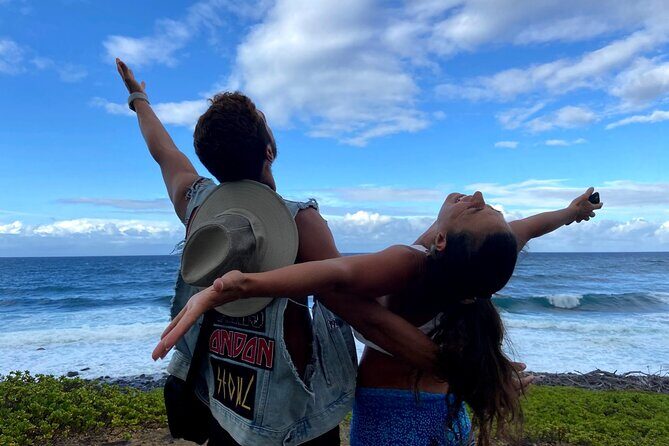
After all the intention and ceremony work, the retreat brings you into a body-based landing with yoga. The highlight here is that the day closes with yoga that feels restorative, not performative. One of the standout comments from past participants described the yoga as a kind of massage—less about forcing poses and more about soothing the body and letting tension melt.
And here’s the practical win: you do not need to figure out food. The experience includes lunch and a tincture drink. That means you can show up lighter—no hunting for a quick bite before a sacred ceremony, no stressing about what to bring.
If you’re the type who usually packs snacks because you hate feeling hungry during activities, this is a relief. You can focus on the day’s flow: meditation, movement, ceremony, then a calmer close with yoga. For a 3 to 4 hour experience, having food already handled increases the odds you’ll stay present instead of distracted by stomach signals.
The tincture drink is included, but the provided info does not specify ingredients or flavor. So treat it like a guided wellness add-on: something you’re offered as part of the ritual and recovery.
Price and value: is $327.50 per person worth it?
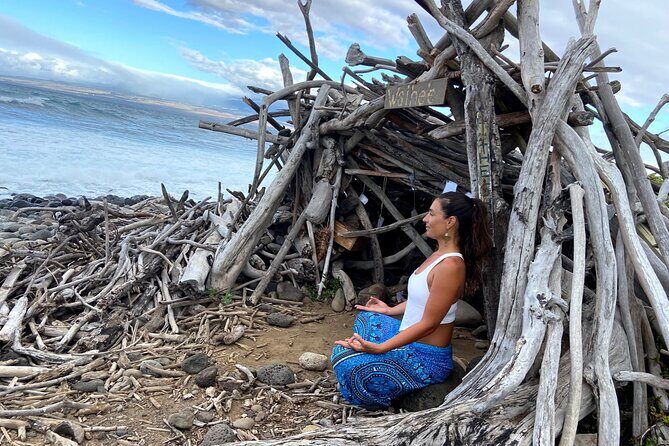
At $327.50 per person, this is not a cheap sampler. But it’s also not just a yoga class in a studio. You’re paying for a private, guided, multi-part wellness and sacred culture experience with a set schedule, a guide leading meditation and chants, tai chi and yoga, plus a river ceremony—and lunch and a tincture drink are included.
Here’s the value math in plain terms:
- Private format reduces “waiting your turn,” and you get more focused guidance.
- You’re not only doing movement; you’re doing intention and meditation too.
- You get food handled, which can be a hidden cost you’d otherwise pay separately.
- A ceremony component usually means more responsibility from the guide and more coordination than a simple activity.
Also, at the Waihee portion, admission is noted as free. That matters because some cultural-site experiences bundle you into paid entry fees on top of the guide price. Here, at least that stop is not adding another admission line item.
My advice: decide based on what you want from Maui. If you want a spiritual reset with a calm pace, this price can feel reasonable because you’re buying time, guidance, and a complete experience arc—not just a single service.
Who this private Maui retreat is best for

This retreat seems made for people who want wellness, spirituality, and nature together in a guided, respectful way. If you love yoga, you’ll appreciate the movement component. If you’re more into meditation than workouts, you’ll likely enjoy how the day starts with intention and stillness.
It also fits well for couples. One review emphasized how special the experience felt for connecting with a partner—sharing the calm, chants, and yoga in a setting that encourages reflection.
If you prefer big-group tours, loud attractions, or constant motion, you might find this too slow. But if you’re craving a reset—something that helps you breathe, stretch, and return to yourself—this is a strong match.
Because most travelers can participate, it’s not limited to elite athletes. Still, it’s designed around calm attention and participation, so it’s best if you’re comfortable with quiet moments and guided movement.
Should you book this retreat day?
Book it if you want a private, ceremony-centered Maui morning that blends meditation, chants, tai chi, yoga, and a river cleansing ritual. The included lunch and tincture drink are also a real convenience, and the private format helps the experience feel personal instead of rushed.
Skip it if you need an action-heavy day, or if you know you cannot be flexible with weather. Since the day requires good weather, you’ll want to be in a travel window where rescheduling wouldn’t wreck your plans.
If you’re torn, use this rule of thumb: choose the retreat when you want to leave Maui feeling calmer and more grounded. Choose something else when your priority is constant sightseeing and speed.
FAQ
How long is the Personalized Retreat day in Maui?
It lasts about 3 to 4 hours.
Where do we meet, and when does it start?
You meet at Ula’Ula Cafe, 1765 Kahekili Hwy, Wailuku, HI 96793. The start time is 8:30 am, and the activity ends back at the meeting point.
Is this a private experience?
Yes. It’s private, and only your group participates.
What language is the experience offered in?
The experience is offered in English.
What is included with the retreat?
The retreat includes intention setting, meditation, Hawaiian chants, tai chi, yoga, an energy-cleansing river ceremony, plus lunch and a tincture drink.
What if the weather is bad or I need to cancel?
The experience requires good weather. If it’s canceled due to poor weather, you’ll be offered a different date or a full refund. You can cancel for free up to 24 hours in advance for a full refund.