REVIEW · MAUI
Pottery Class: Make your own mug or Bowl on Maui
Book on Viator →Operated by David Kett · Bookable on Viator
Clay that turns into something useful is rare.
This 2-hour Kett Pottery session in Makawao is a friendly, small-group way to learn the wheel without feeling judged. The class is built around three clear phases—so you’re not guessing, you’re following a method.
What I like most is the small group size (up to eight), which keeps the instruction personal when the clay gets stubborn. I also love that the instructor, David Kett, walks you through throwing in plain language with hands-on demos, so you can make something functional even if you think you are not artistic.
One thing to consider: you’ll be around spinning clay and handling it directly, so if you rely on delicate things like fake nails, plan ahead.
In This Review
- Key Points at a Glance
- Maui Wheel Time at Kett Pottery, With a Clear 2-Hour Game Plan
- Meet David Kett: Instruction That Keeps the Wheel From Feeling Scary
- The Three Phases of Throwing: Centering, Opening, Pulling
- 1) Centering: getting the clay steady
- 2) Opening: forming the bottom
- 3) Pulling: making the walls of the vessel
- Practice Time: Why You’ll Likely Make 1 to 3 Things
- Turning Your Piece Into a Kept Mug or Bowl: Glazing, Firing, and Shipping
- Where It Fits in Your Maui Day (And How to Plan for Comfort)
- Value for Time: Why a 2-Hour Workshop Can Beat a Souvenir Run
- Should You Book This Pottery Class on Maui?
- FAQ
- How long is the pottery class?
- Where does the class take place?
- What is the group size limit?
- Is the class beginner-friendly if I am not artistic?
- Can I have my mug or bowl glazed and fired after class?
- Can the finished pottery be shipped to me?
- What happens if the weather is bad?
- What is the cancellation policy?
- Are service animals allowed?
Key Points at a Glance
- Up to 8 people means you get real attention, not a quick wave from the instructor
- Beginner-friendly wheel instruction built around three phases: center, open, pull
- Practice time after the first pot lets you try again and improves your odds of a keeper
- You may make 1 to 3 pieces depending on how much you want to practice
- Optional glazing, firing, and shipping help you keep your favorites without rushing home
- Family-friendly and designed to feel like turning spinning clay into a functional mug or bowl
Maui Wheel Time at Kett Pottery, With a Clear 2-Hour Game Plan
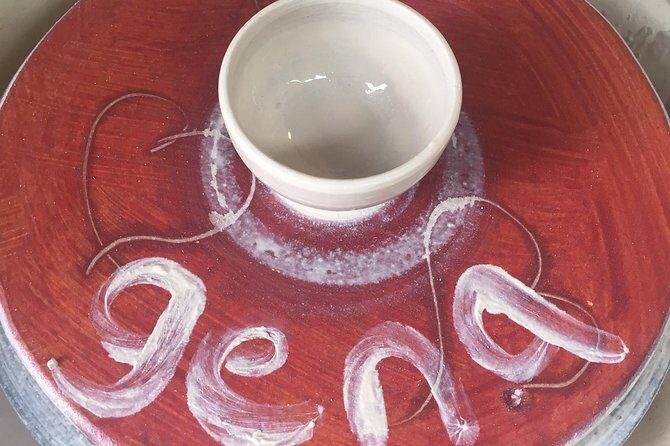
This class is built for real life timing. You’re in and out in about two hours, and the flow is designed so you understand the wheel basics before you start making more than one thing.
You meet at Kett Pottery, 3660 Baldwin Ave, Makawao, HI 96768. Then the session stays right there, focused on the pottery wheel and your finished piece(s). Since the activity ends back at the meeting point, you’re not bouncing around Maui all day. It’s a concentrated creative block—handmade time, not travel time.
The “small group” part matters more than it sounds. With up to eight people, you’re not competing for space at the wheel or waiting your turn while the clay dries out. You can ask questions mid-process, and that is when the class clicks.
One more practical note: it requires good weather. If conditions are poor, you’ll be offered another date or a full refund. So if your schedule is tight, treat this as something you confirm with flexibility.
You can also read our reviews of more tours and experiences in Maui


Meet David Kett: Instruction That Keeps the Wheel From Feeling Scary
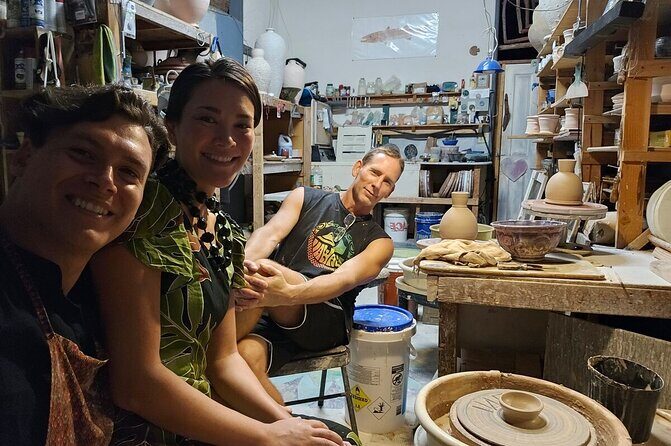
The star here is the teaching style. David Kett has a way of making wheel work feel manageable instead of mysterious. The class doesn’t assume you already know how to read clay. It starts from the beginning and explains the steps in a way that sticks.
In plain terms, the wheel can feel like it has a mind of its own. But David’s approach breaks the process into three phases, so you’re not trying to do everything at once. That is the real trick for beginners: fewer steps in your head, better control with your hands.
You’ll also get demonstrations that show what success looks like at each stage. That matters because pottery is hands-on learning—seeing the motion once helps you copy it immediately. The class keeps the tone friendly and encouraging, not stiff or overly technical.
And there’s a bonus humanizing detail: David’s gorgeous dog, Bijou, shows up during class. It doesn’t change your pottery skills, but it does make the whole thing feel more like a welcoming workshop than a formal class.
The Three Phases of Throwing: Centering, Opening, Pulling
The class structure is simple—and that’s why it works. You learn throwing on the wheel in three phases, each one building on the last:
1) Centering: getting the clay steady
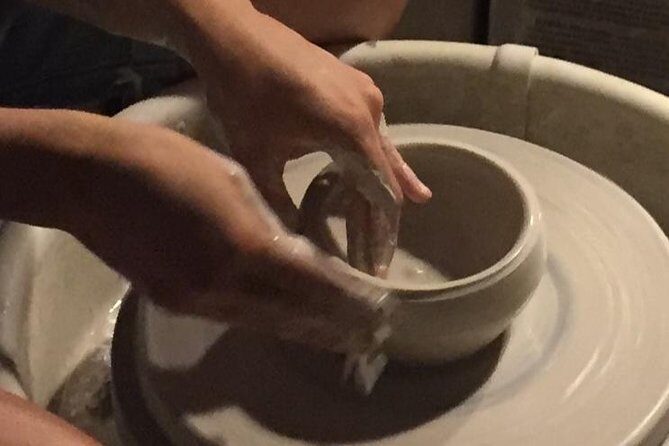
Centering is the foundation. If the clay isn’t centered, everything after gets harder. This phase is basically teaching your hands to stabilize the material while the wheel spins.
David’s instruction here is about feel and repetition. Instead of overwhelming you with abstract rules, you’re guided through what to do so the clay stops wobbling under pressure. Once you understand centering, the rest becomes far less intimidating.
2) Opening: forming the bottom
Once the clay is centered, you open it to create the bottom. This is where many first-timers struggle, because it’s easy to dig too fast or apply uneven pressure.
The demo and explanation are meant to show you how to shape the base without wrecking the center. When this step goes right, you end up with a bowl-like starting point. When it goes wrong, you’ll quickly see why everyone emphasizes centering first.






3) Pulling: making the walls of the vessel
Finally comes pulling, where the walls take shape. This is the moment when your piece starts to look like an actual mug or bowl, not just a chunk of clay.
You’ll learn how to pull the sides up while keeping the walls even enough to stay functional. This is the phase that feels almost magical—turning spinning clay into something you can imagine using.
After you go through those phases on the first pot, you don’t just sit and watch. You get time to try again with more freedom, which helps you turn one successful step into a usable finished piece.
Practice Time: Why You’ll Likely Make 1 to 3 Things
A lot of pottery classes end as soon as you’re shown the technique. This one builds in time for practice.
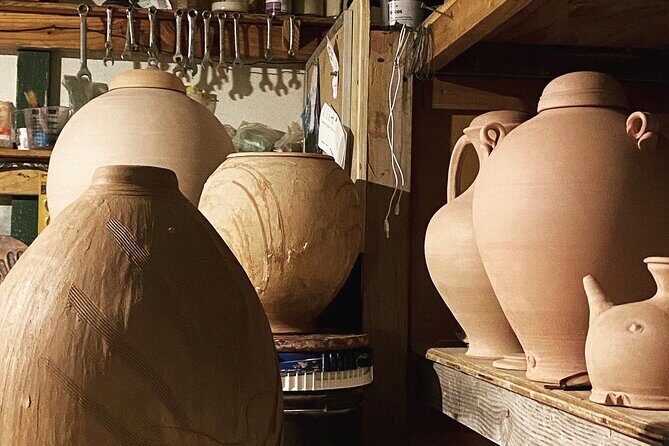
After your first pot, you’ll have extra time to play and practice on your own. That is when your coordination improves. It’s also when you can experiment a little—same basics, different attempts.
On average, people make between 1 and 3 pots. You might not create three perfect keepers, but the structure makes it realistic to leave with something you love. And even if you don’t get a museum-level finish on the first run, practice time gives you more tries.
Here’s the key for your expectations: the class is designed to get you to the point where your piece is functional, meaning it’s shaped into a real vessel, not just a decorative blob. The goal is that practical outcome—something you can use or gift.
Turning Your Piece Into a Kept Mug or Bowl: Glazing, Firing, and Shipping
The class doesn’t necessarily end when the wheel stops.
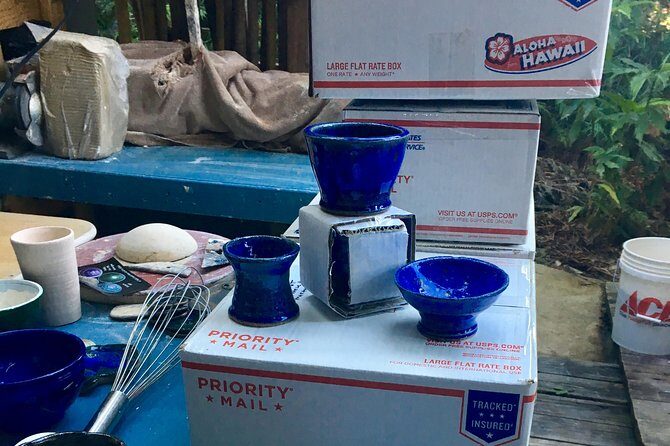
After you finish what you want to keep, you can have the instructor complete the next steps: glaze and fire your chosen pots. That finishing is available for a small shipping and firing fee.
This part is a value booster for Maui visitors. You’re on vacation. You don’t want to worry about fragile greenware, storage, and transporting raw pottery home. Shipping is handled after firing, and it can be done domestically or internationally, depending on where you live.
One more practical angle: because you choose which pieces to keep after the class, you can focus your energy during the session. You’re not trying to perfect everything at once. You’re making more than one attempt, and then you select your favorites for the final treatment.
Where It Fits in Your Maui Day (And How to Plan for Comfort)
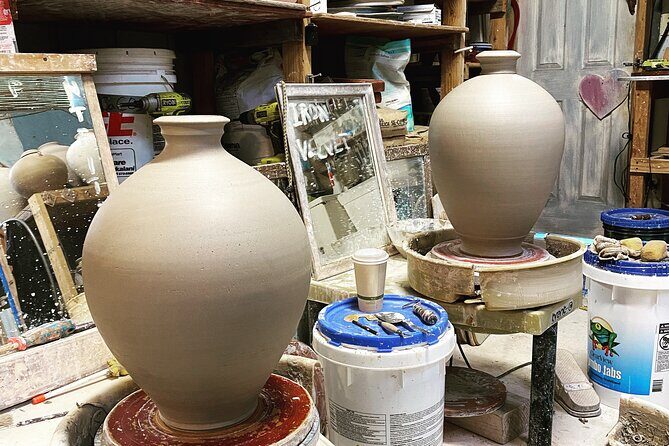
This is a great fit if you want a hands-on activity that feels personal, not generic. It’s especially good for people who like experiences where the outcome is something physical you can hold.
It’s also family friendly, which means the vibe is generally welcoming and not overly serious. If you’re traveling with someone who gets restless waiting for long guided tours, this type of workshop keeps everyone occupied with real work.
You’ll also like this more if you:
- want a beginner-level introduction to wheel pottery
- enjoy step-by-step instruction
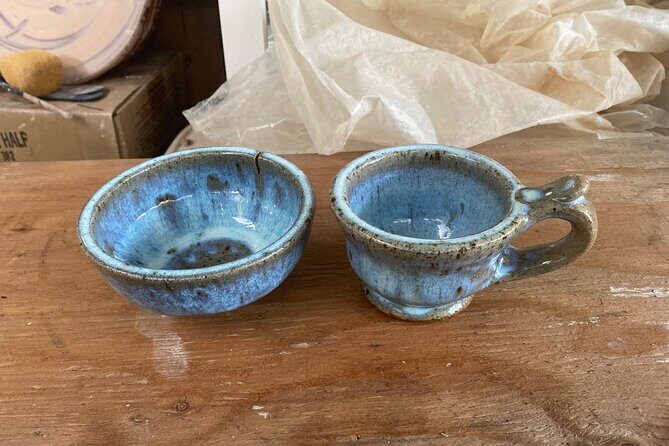
- like the idea of making a one-of-a-kind mug or bowl
If you’re the kind of person who hates getting messy or you’re very protective of manicure-perfect hands, plan carefully. A real-world detail from class experience: I’d strongly consider skipping fake nails or extra-long styles, because working with clay and tools can be unforgiving.
Also, keep the weather in mind. Even though you’re inside for the main activity, the experience has a weather requirement. If Maui is acting unpredictable on your dates, don’t schedule this as your one unmovable appointment.
Value for Time: Why a 2-Hour Workshop Can Beat a Souvenir Run
If you’ve ever bought a shell necklace or magnet on a vacation, you already know the problem: it’s easy to spend money fast and still feel like nothing changed.
This pottery class is the opposite. You’re spending two hours learning a skill and producing an object that is uniquely yours. Even better, the class is structured to help you succeed without needing prior art training.
The “small group” piece and the three-phase teaching approach are what make it feel like good value. You’re not just watching. You’re doing. You also get enough practice time to improve your odds of leaving with something you actually want to use.
Then there’s the bonus practicality: finishing, glazing, firing, and shipping can be handled for you. That turns the experience from a short-term souvenir into a longer-lasting keepsake that arrives at home.
Should You Book This Pottery Class on Maui?
Yes, I think you should—if you want a creative activity with clear instruction and a real chance of success. The class is built for beginners, it’s capped at eight people, and David Kett’s teaching style keeps the process approachable.
Book it if:
- you want a hands-on Maui experience that ends with an object you made
- you like step-by-step learning with demos
- you’d rather make something functional than shop for souvenirs
Skip it (or plan differently) if:
- you’re not comfortable working with clay directly
- you’re counting on a perfect manicure while using the wheel
- you’re scheduling it on a date where you cannot be flexible if weather forces a change
If you want a fun, low-pressure creative challenge that still produces something tangible, this is a strong pick.
FAQ
How long is the pottery class?
The class runs for about 2 hours.
Where does the class take place?
The meeting point is Kett Pottery at 3660 Baldwin Ave, Makawao, HI 96768. The activity ends back at the meeting point.
What is the group size limit?
This experience has a maximum of eight travelers.
Is the class beginner-friendly if I am not artistic?
Yes. The class is designed so you do not need to be artistic to make something amazing on the wheel, and most travelers can participate.
Can I have my mug or bowl glazed and fired after class?
Yes. After class, you can choose pots you want to keep, and the instructor can finish them with glazing and firing. There is a small shipping and firing fee.
Can the finished pottery be shipped to me?
Yes. Shipping is available domestic or international depending on where you live.
What happens if the weather is bad?
This experience requires good weather. If it’s canceled due to poor weather, you’ll be offered a different date or a full refund.
What is the cancellation policy?
You can cancel for free up to 24 hours in advance for a full refund. If you cancel less than 24 hours before the experience starts, the payment is not refunded.
Are service animals allowed?
Yes. Service animals are allowed.