REVIEW · MAUI
Haleakala Summit Best Self-Guided Bike Tour with Bike Maui
Book on Viator →Operated by Bike Maui AND Haleakala EcoTours · Bookable on Viator
Switchbacks start with a gasp. This Haleakala Summit self-guided bike tour mixes crater-top views with the downhill joy of the Fabulous 29 switchbacks, plus interpretive stories up in the shuttle ride with a guide like Kimo. One thing to watch: you’ll spend a big chunk of the day in a van, and parts of the route can be closed.
I like that you get the best of both worlds: a guided run-up with real context, then self-guided riding where you can set your own pace. The biking is the headline, but the back-half matters too—after the volcano you roll through the upcountry town of Makawao and keep going down toward Haiku.
In This Review
- Key Points You Should Know Before You Go
- Why This Haleakala Bike Day Feels Different Than a Regular Tour
- The Morning Reality: How the Van Time Shapes Your Day
- Haleakala Crater Stop: What You’ll Actually Get Up There
- Your Bike Maui Setup: Kona Bikes and Cold-Weather Gear
- Riding the Famous Switchbacks: Self-Guided, But Don’t Go Blind
- Makawao and Haiku: The Part After the Volcano That You’ll Remember
- Weather, Road Skills, and Who This Actually Suits
- Price and Value: Is $238.59 Worth It?
- So, Should You Book It?
- FAQ
- How long is the bike tour?
- What time and where does the tour start?
- Is this tour fully guided or self-guided?
- What bike and safety gear are included?
- Do I need to bring my own water and snacks?
- Is lunch included?
- What’s the cancellation policy if weather is poor?
Key Points You Should Know Before You Go
- Custom Kona mountain bikes plus a helmet and a windbreaker suit set you up for cold summit temps.
- The downhill includes the famous Fabulous 29 switchbacks, often the most exciting part of the whole day.
- No convoy means you ride at your own speed, not packed into a tight bike line.
- You’ll get interpretive storytelling on the way up; Kimo is a name that comes up often for his history and plant/animal insights.
- You may have to deal with route changes (like closed road sections), which can affect how much riding you get.
- The ride ends in the Haiku area after passing through Makawao (and you can grab a no-host lunch there or in Haiku).
Why This Haleakala Bike Day Feels Different Than a Regular Tour
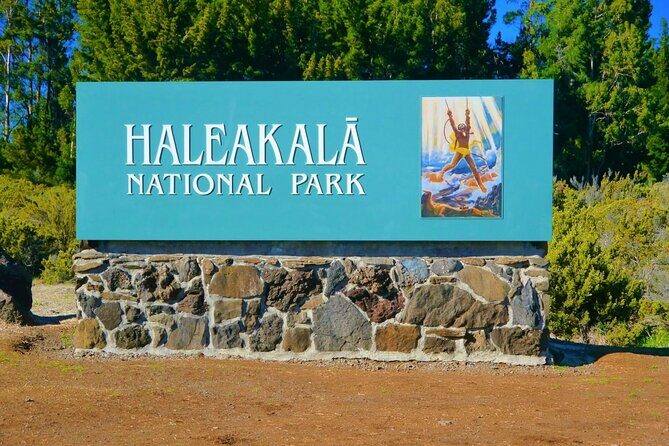
Haleakala is one of those places where a view on a screen just can’t compete with being there in person. This tour puts you at the summit first—where the crater world looks otherworldly—and then lets you turn that view into motion. The payoff is the contrast: big, dramatic sky at the top, then gravity doing its job as you coast downhill.
The self-guided format also changes the vibe. You’re not stuck waiting for a slow group. You can stop when you want for photos, adjust for how your legs feel, and take the downhill at a pace that matches your confidence. It’s a great fit if you’ve biked before and you like making small choices on your own.
That said, you should go in with realistic expectations. This is a road-bike day on a bike designed for mountain riding, in an area where traffic and conditions can be tricky. You’re still sharing roads with cars at points, and you need to be comfortable making quick decisions.
You can also read our reviews of more cycling tours in Maui

The Morning Reality: How the Van Time Shapes Your Day
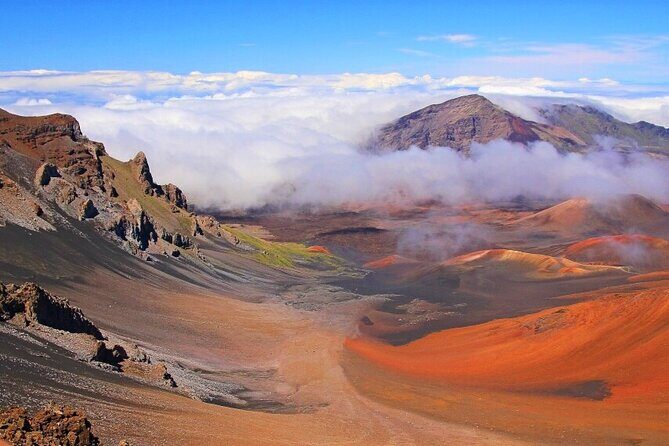
Your day starts in Haiku with pickup at 810 Haiku Rd, Haiku, HI, and the start time is 8:00 am. The tour runs about 7 hours total, but the structure is important: the climb and summit experience come before you ever touch the pedals.
That van time is partly what makes the day work. You’re getting shuttled to the high elevation viewing area, and you’ll also get interpretive storytelling along the way up. In one experience, guests were surprised by how long the ride up took before biking—so if you hate waiting, this isn’t a short-and-sweet activity.
On the plus side, this is when the tour can explain what you’re seeing. Instead of arriving at a dramatic crater and getting a few quick facts, you get a guided-up portion with cultural and natural history. If you’re the type who likes to understand the place you’re in, you’ll probably appreciate that part more than you think.
Haleakala Crater Stop: What You’ll Actually Get Up There
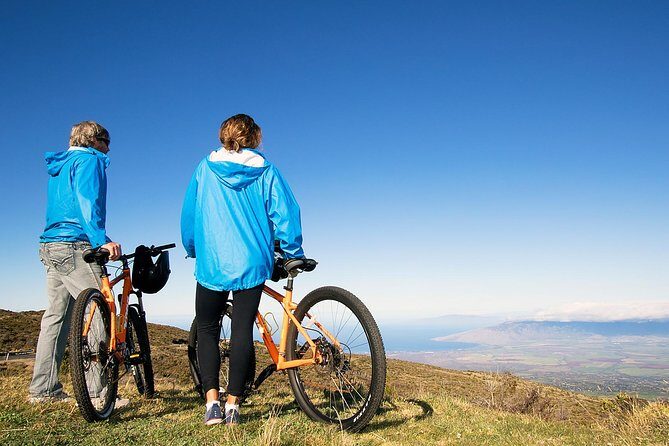
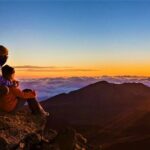
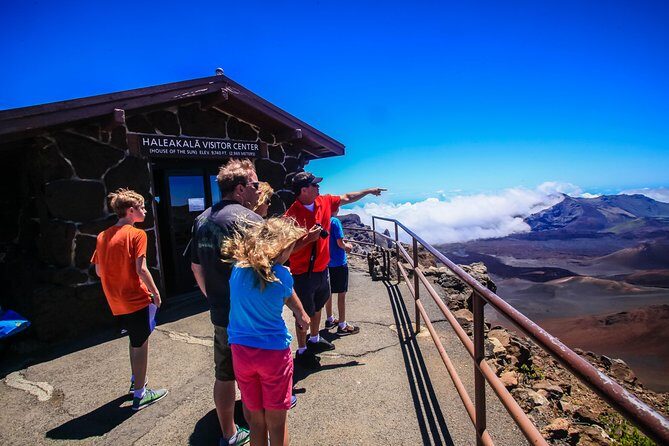
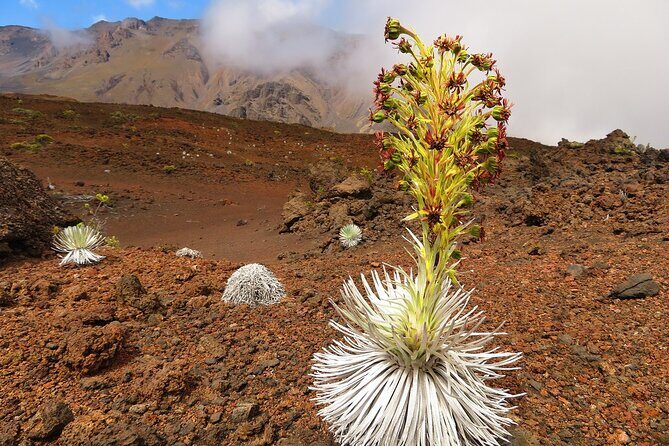
The first major stop is the Haleakala Crater. This is the reason most people sign up: Maui’s highest volcano, the stark crater setting, and views that feel huge even when the air is thin.
The tour adds context as you head up to the summit viewing area. You’ll ride with an NAI certified interpretive guide, and the guide shares history and culture as well as details about what’s growing in the high country. One guide name that stands out in feedback is Kimo, who is described as fun and interesting, with a knack for making the visit more memorable through stories and information about plant and animal life.
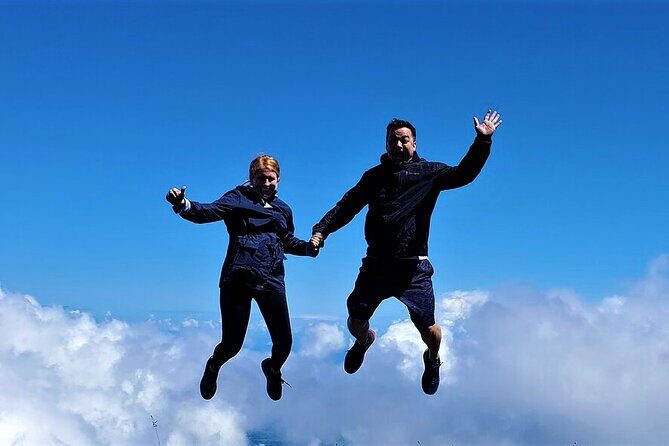
Keep in mind that weather at elevation can change fast. People reported starting off cold and even seeing rain showers, then later getting strong sun. That’s why the included gear matters, and why you’ll want to dress like the day can flip on you.
Your Bike Maui Setup: Kona Bikes and Cold-Weather Gear
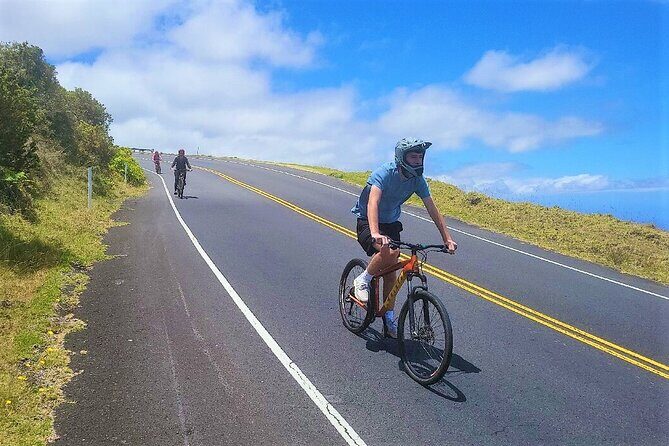
You don’t just get a bike and a helmet. You get a full set-up meant to help you enjoy a long downhill without fuss.
Included gear:
- Custom Kona Mountain Bike
- Bell helmet
- Helly Hansen windbreaker suit (top and bottom)
- Da Kine backpack
- Air-conditioned vehicle
- All fees and taxes
For the weather roller coaster, the windbreaker suit is a practical win. The summit area can feel freezing even if the rest of Maui is warm, and a wind layer is often the difference between enjoying the ride and wanting it to end.
The backpack is useful because you’ll want to keep small essentials handy—like your phone for directions and photos, snacks if you bring them, and whatever extra layer you stash. Do note that the tour doesn’t provide water and snacks. The best move is to bring your own hydration and fuel so you aren’t scrambling halfway down.
Riding the Famous Switchbacks: Self-Guided, But Don’t Go Blind
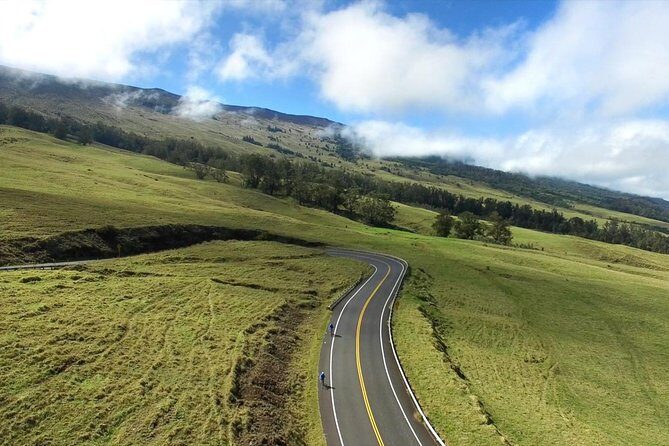
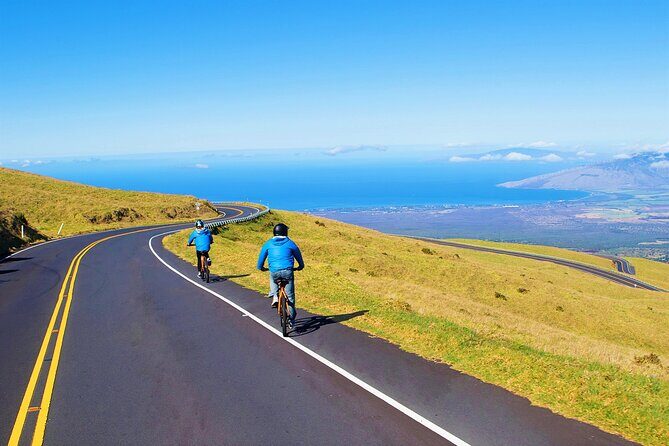
After you’ve experienced the crater, you’ll ride custom Kona bikes downhill from about 6,500 feet. The highlight is a 15-mile descent at your own pace, including the world-famous Fabulous 29 switchbacks.
Self-guided is the biggest selling point—and it’s also the part where preparation matters most.
Here’s what to expect in practical terms:
- You won’t ride in a tight group or convoy, so you can adjust your pace.
- The road includes switchbacks that demand attention. You’ll need to focus on braking, turning, and road awareness.
- You may need your phone for directions a few times, especially if you want to double-check where you are.
Several people mention safety as a priority, and the bike and helmet gear supports that. But you still need to do your part: slow down for curves, keep a safe buffer from cars, and don’t assume drivers will be expecting cyclists. One person who chose self-guided felt safe the whole time, but also stressed that you have to be careful around traffic.
Also, don’t ignore the small print about route variations. Local laws and closures can change the ride. Some feedback mentions that a middle portion was removed due to local laws, and another notes a section through Kula was closed to riders after pre-ride instructions. That doesn’t mean the day is ruined, but it does mean you should mentally plan for a possible shortened or altered route.
You can also read our reviews of more guided tours in Maui


Makawao and Haiku: The Part After the Volcano That You’ll Remember
Once you exit the park area, you’ll be shuttled to a point just above historic Makawao, then ride through the upcountry town before continuing back toward Haiku.
This section matters because it shifts the day from pure downhill adrenaline to real Maui small-town energy. Makawao has a historic feel, and riding through it makes the whole trip feel more than a single scenic moment. It connects the summit experience to everyday life on Maui.
Lunch is flexible. You can stop for no-host lunch either in Makawao or Haiku, paying with cash or card. That’s convenient if you want something quick and local without feeling tied to a set menu. Just remember the tour expects you to plan for lunch costs since it’s not included.
The ride finishes by heading back down to Haiku area and ending at the original meeting point. If you’re looking for a full day where the last hour doesn’t feel like a letdown, this is one reason the tour earns strong scores.
Weather, Road Skills, and Who This Actually Suits
This isn’t a casual “sit and coast” outing. The tour asks for moderate physical fitness, recent biking experience, and you should be comfortable riding on roads with traffic. The fine print also lists a minimum age of 15 and a minimum height of 4’10”.
You’ll also want to think about your comfort level with:
- Braking on long downhills
- Keeping momentum without going too fast
- Staying aware when roads get shared with cars
- Handling changing weather (cold to sun, possible rain showers)
If you’re an experienced rider and you like independence, self-guided can be a lot of fun. One family described it as the best part of their trip, and even nervous riders ended up enjoying the downhill.
If you’re new to biking or you’re anxious about road riding, you might consider a more fully guided option. Some feedback directly suggests that the guided version can be better for navigation and safety support, especially if you’re unsure about where to ride or how to handle traffic. In other words: self-guided isn’t automatically easier. It just means you own the decisions.
Price and Value: Is $238.59 Worth It?
At $238.59 per person, you’re paying for a specific recipe:
- Getting to a high-elevation crater area (which costs time and logistics)
- A downhill biking experience that’s long enough to feel meaningful: about 15 miles
- Equipment that’s not standard for every bike tour: bike, helmet, windbreaker suit, and backpack
- An included interpretive component up the mountain with an NAI certified guide
- A limited-group feel (maximum 48 travelers)
The value really hinges on what you care about. If your goal is a dramatic Maui highlight plus an active component, this can be a great use of your day. The switchbacks and summit views are the main event, and the included gear lowers the hassle of preparing for cold weather.
If, however, you’re strongly averse to long drive time before you bike, you might feel the cost more than the enjoyment. One comment in feedback focused on the day’s time distribution—how much of the day felt spent in the bus before the bike part began. In that case, the tour may feel pricier than it should.
For me, the best value comes when you treat it like a full morning-to-afternoon experience: summit first, then ride, then Makawao and Haiku after. Don’t plan to fit it around other stuff. Let it be the centerpiece.
So, Should You Book It?
I’d book this tour if:
- You’re a confident biker and you’ve ridden at least a few times in the past.
- You want Fabulous 29 switchbacks with room to ride at your own pace.
- You like real context up top, not just a quick lookout stop.
- You’ll appreciate the gear (especially the windbreaker suit).
I’d think twice or choose a guided alternative if:
- You’re uneasy riding near traffic or you dislike self-navigation.
- You know you’ll get restless during long van time before the biking starts.
- You’re not flexible about route changes due to closures or laws.
If you match the comfort level, this is one of the most memorable ways to experience Haleakala—because you see the crater, then you actually move through the descent it enables.
FAQ
How long is the bike tour?
The tour is listed as about 7 hours (approx.).
What time and where does the tour start?
It starts at 8:00 am at 810 Haiku Rd, Haiku, HI 96708, USA.
Is this tour fully guided or self-guided?
It’s a self-guided bike tour for the ride downhill. You’ll also have an NAI certified interpretive guide share stories and information on the way up to the summit area.
What bike and safety gear are included?
You get a custom Kona mountain bike, a bell helmet, and a Helly Hansen windbreaker suit (top and bottom), plus a Da Kine backpack.
Do I need to bring my own water and snacks?
Yes. Water and snacks are not included, so you should bring your own.
Is lunch included?
Lunch is not included. There’s a no-host lunch option where you can pay with cash or card in either Makawao or Haiku.
What’s the cancellation policy if weather is poor?
You can cancel for a full refund up to 24 hours before the experience’s start time. The tour also notes it requires good weather; if it’s canceled due to poor weather, you’ll be offered a different date or a full refund.