REVIEW · MAUI
Makena-Wailea Explorer Trip in Maui
Book on Viator →Operated by maui kayaks · Bookable on Viator
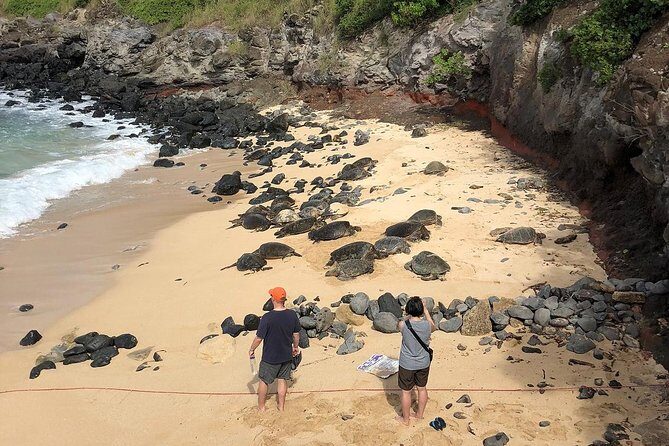
Turtles are the headline here. This 4-hour South Maui kayak-and-snorkel outing focuses on Turtle Town calm-water paddling and then lets you swim the Five Graves area near fish and an underwater cave vibe. I like the small-group feel (max 10) and the way guides seem tuned to safety and wildlife spotting, from green sea turtles to dolphins.
One real consideration: the ocean has a vote. The trip depends on favorable weather, and it’s not recommended for kids under 8 or for anyone who struggles with moderate physical effort.
If you’re someone who wants a smooth morning routine, it helps that check-in happens early for a 7:00 am start. Meeting point is Makena Landing Park (5083 Makena Rd, Kihei), and you’ll be handling your own transport since there’s no hotel pickup. Also, bring your own sun-and-water planning—some snorkel/phone gear details can vary by departure.
In This Review
- Key Things That Make This Trip Worth Your Time
- South Maui by kayak: what 4 hours really feels like
- Makena Landing Park timing, check-in, and getting there
- Turtle Town paddling: chasing green sea turtles (and staying calm)
- Five Graves snorkeling: reef fish plus an underwater cave feel
- Pu’uolai coastline reefs: coral and weird geology in one swim
- Guides and safety: lifeguard training plus real-world coaching
- Gear, photos, and what to plan for before you leave shore
- Price and value: is $115 a fair deal for Maui?
- Who should book this trip (and who should skip it)
- Should you book the Makena–Wailea Explorer Trip?
- FAQ
- How long is the Makena-Wailea Explorer Trip?
- Where is the meeting point, and what time should I arrive?
- What’s included in the price?
- What’s not included?
- Is it suitable for kids?
- What happens if the weather is poor?
Key Things That Make This Trip Worth Your Time
- Calm-water kayaking focus around Turtle Town for a better shot at seeing green sea turtles and dolphins
- Snorkeling at Five Graves where you can swim near tropical fish and an underwater cave area
- Pu’uolai coastline reefs for coral and unusual coastal geology
- Safety-first guiding with professional guides trained in lifeguard skills plus CPR and first aid
- Small group size (up to 10) that helps the pace stay manageable
- Price value math that’s mostly about what’s included: kayak/snorkel gear, bottled water, snacks, and expert guidance (photos and pickup cost extra)
South Maui by kayak: what 4 hours really feels like
This isn’t an all-day ocean marathon. It’s built as a tight, action-focused morning: kayak time first, then snorkeling stops, with enough structure that you’re not guessing what to do when you hit the water.
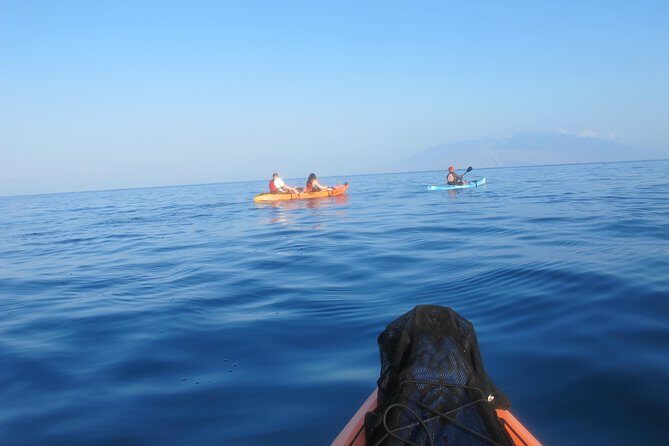
The route is designed around reliable wildlife territory: calm bay paddling where turtles often hang out, followed by snorkeling spots that put you over reef life and interesting underwater formations. That order matters. You get your sea legs in the kayak before you commit to swimming with mask and fins.
Also, the timing is smart. A 7:00 am start usually means fewer crowds on the water and cooler temps while you set up, gear up, and head out. Even if conditions are perfect, you’ll still want to be ready for saltwater, sun, and getting in and out of the kayak at the shore. This is a guided experience that assumes you’re there to do the real work—paddling and snorkeling—rather than just watching from land.
You can also read our reviews of more tours and experiences in Maui.

Makena Landing Park timing, check-in, and getting there
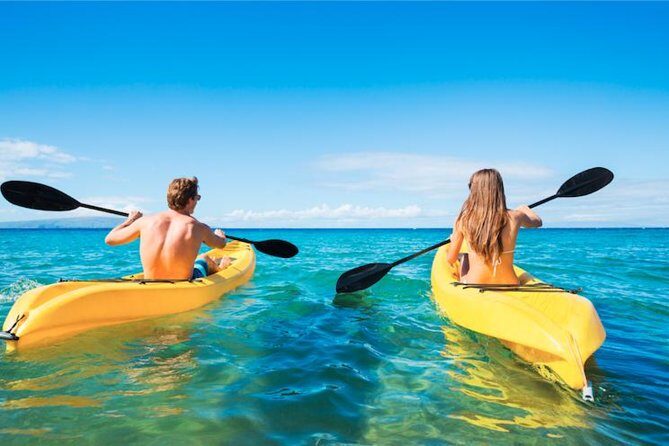
Start at Makena Landing Park, 5083 Makena Rd, Kihei, HI 96753. The trip begins at 7:00 am, but you need to check in 15 minutes early (around 6:45 am). That early check-in helps you get fitted with your kayak and snorkeling gear without rushing right before launch.
There’s no hotel pickup or drop-off, so you’ll want to plan your drive and parking. If you’re staying in Wailea or Kihei, it’s still one of those trips where arriving early makes your life easier. No one enjoys start-time stress when the ocean is waiting.
What to bring is mostly the practical stuff: sun protection, a way to keep your phone dry if you care about photos, and a towel or dry layer for after. The trip includes bottled water and snacks, plus snorkeling/kayak equipment, so you’re not showing up empty-handed. But you are responsible for your personal comfort—especially if you’re sensitive to sun or want to avoid dripping-wet surprises.
Turtle Town paddling: chasing green sea turtles (and staying calm)
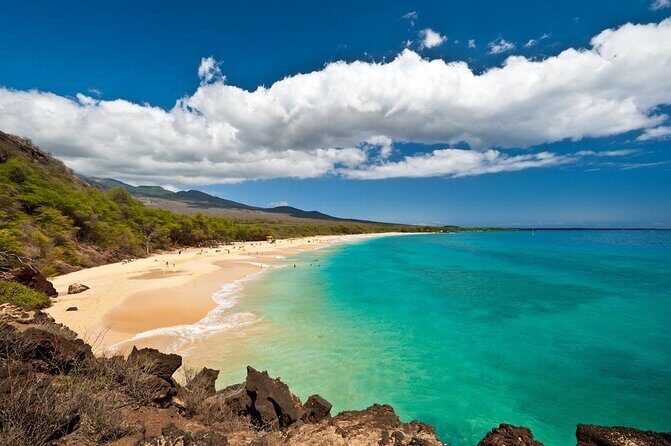
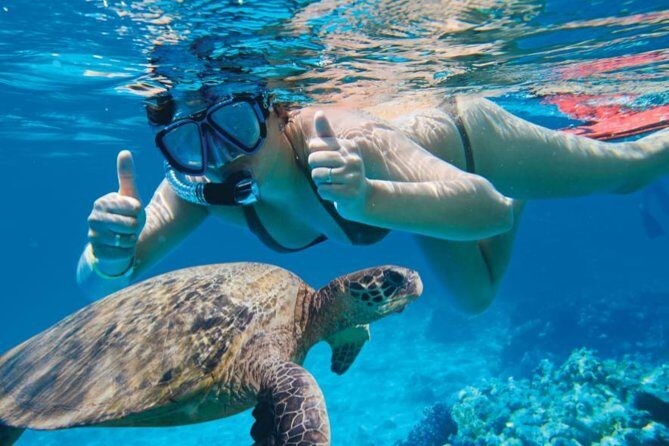
The “wow” moment here is paddling the calmer water around Turtle Town. That’s where you have a strong chance to spot green sea turtles, and often more than one. The best part is that the experience isn’t just about luck. Guides pay attention to where animals are likely to surface, then help you position your kayak so you can actually see what’s out there.
I love how this portion encourages a slower pace. You’re not sprinting across open water. You’re working with the conditions, letting the bay do its thing, and keeping your effort steady enough to enjoy the wildlife instead of fighting the kayak.
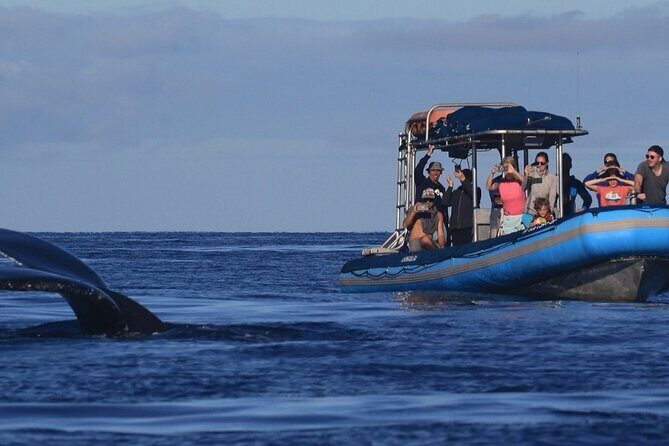
You’ll also see dolphins sometimes, depending on the day. This is one of those trips where the guide’s judgment matters: when to pause, where to look, and how to keep the group together without spooking wildlife.
Guide names that have shown up on departures include John Hess and Carlos, both known for safety focus and helping you keep eyes open. If you end up with someone like them, you’ll likely get a better wildlife “scan,” plus real-time coaching on paddling and breathing so you’re not stressing.
Five Graves snorkeling: reef fish plus an underwater cave feel
After the kayak leg, the snorkeling stop at Five Graves is built for swimmers who want more than a quick look at the surface. The area is known for tropical fish and a swim experience that includes an underwater cave area feel. That cave element is what makes people talk about this stop as more memorable than a basic reef swim.
Here’s the practical side: snorkeling quality depends on your comfort with the mask, fins, and your personal breathing rhythm. The guides are there to help with technique and timing, especially if you’re new or a little nervous. In the way guides have supported first-timers, the pattern is simple: keep instructions clear, use small breaks when needed, and make sure you’re confident before you commit to staying longer underwater.
If you’re picky about gear fit, take a second to check your snorkel setup at the start. One issue that popped up in feedback is that some snorkel equipment can feel older on certain outings. That doesn’t mean it’s unsafe, but it can affect comfort, like water leaking into the snorkel. If you have your own snorkel mask/fittings you trust, you might consider bringing them for peace of mind.
Also, if you want photos, plan ahead. Some people found they didn’t get what they expected on dry-bag protection or souvenir photo options. Bring a waterproof phone pouch if you want your own evidence of the underwater world.
Pu’uolai coastline reefs: coral and weird geology in one swim
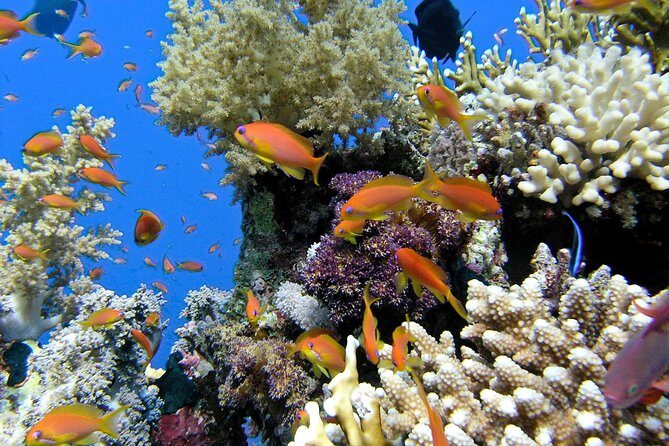
The second snorkeling area focuses on the Pu’uolai coastline, where you’ll swim around coral reefs along a stretch of coast known for distinctive coastal shapes. This is where the “mauka-to-makai” geology energy shows up: you’re not just looking at fish, you’re looking at how the coastline formed and what that means underwater.
This stop tends to work well if you like variety. Fish sightings are one part, but the unique structure of the coast and the way coral life sits in and around it makes the swim feel like a guided route, not a random scatter.
Because conditions can change, your guide’s call matters again. If the water’s comfortable, you’ll likely spend more time enjoying reef views. If it’s choppier, you may get a shorter, safety-managed snorkel window. Either way, the goal is the same: help you see something specific, not just drift and hope.


Guides and safety: lifeguard training plus real-world coaching
One of the strongest reasons to choose this particular trip is the training standard. The guides include professional staff with lifeguard, CPR, and first aid credentials. That’s not just a checkbox. In real water situations, it affects how you’re briefed, how you’re kept together, and how calm the whole operation feels.
The other thing that shows up again and again is guide behavior: patience, clear instruction, and a willingness to slow down for different skill levels. Some groups included kids and first-timers, and the guides reportedly gave extra support, including frequent breaks and calm reassurance for nerves. That matters because snorkeling is hard when you’re panicking. Good guiding turns it into something you can actually enjoy.
Safety also shows up in how guides handle group positioning during paddling. There’s a big difference between one person paddling alone and ten people trying to sync in a moving ocean. With a max group size of 10 travelers, it’s more realistic for the guide to manage each person’s pace, especially around wildlife viewing areas where you want controlled movement.
That said, the ocean isn’t a video game. One serious downside that came up is that a rougher launch day can make getting on the kayak tricky. On days with choppy water, you might feel more impact while entering or balancing. If you’re not stable on your feet, or you’re the type who hates surprises, this is where your decision-making should be extra honest.
Gear, photos, and what to plan for before you leave shore
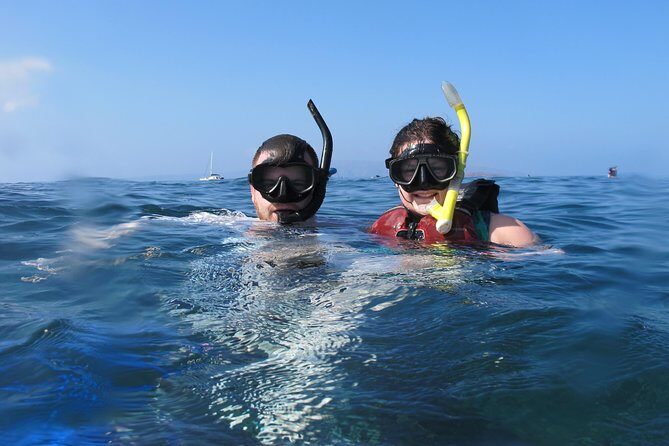
At a minimum, you’ll get kayak and snorkeling equipment, plus bottled water and snacks. That’s a big part of the value for a $115 price tag. You don’t have to rent gear separately, and you’re not wasting time tracking down equipment while on Maui.
But a few small details can change your satisfaction level:
- Dry bag and photo expectations: Some people expected a dry bag and weren’t offered souvenir photos at the site. If photos matter to you, don’t rely on anything that isn’t clearly confirmed for your exact departure.
- Older snorkel gear: One comment noted older snorkeling equipment and water getting into the snorkel. If you’re sensitive to fit, inspect your gear early and ask for adjustments.
- Bring your own waterproof phone solution: If you want to capture turtles and reef views, a waterproof pouch is the easiest fix.
Also, there’s a line between “instructional” and “hard to understand.” If your guide is far away from you on the water, pay attention early on to the key safety directions before you drift into snorkeling mode. You’ll be happier once you know what you’re supposed to do and what the signals mean.
Price and value: is $115 a fair deal for Maui?
For $115 per person and about 4 hours, this trip can be a solid value—mainly because it bundles the big cost items: kayak + snorkeling gear, plus a trained guide team, plus water and snacks.
Here’s what you do not get: hotel pickup/drop-off, and souvenir photos are extra. Those are normal tradeoffs for a tour that starts at a fixed meeting point and stays a tight, time-managed experience.
Where value really shows up is the combination:
- you’re not paying separately for equipment,
- you’re paying for a guide who helps you find animals and keep snorkeling safe,
- and you’re getting multiple environments (calm bay paddling and reef snorkeling) in one morning.
If your alternative is paying for a single snorkeling session without wildlife searching, this feels like the better bet. If you want a totally hands-off experience, this one might feel like too much work. You’ll be paddling, you’ll be in the water, and you’ll need to follow instructions.
Who should book this trip (and who should skip it)
This trip fits best if you have moderate physical fitness and you’re comfortable with water time. You’ll be kayaking, then snorkeling, and you’ll likely do several entries/exits from the kayak setup at the start and during the swim breaks.
It’s not recommended for children under 8. That doesn’t mean younger kids can’t handle water, but the tour is set up for the ability to follow safety cues, manage mask/snorkel comfort, and keep calm if it feels new.
It also makes sense for:
- couples who want a wildlife-focused morning,
- families with older kids who are ready for real snorkeling time,
- and teens who can follow gear instructions and enjoy the motion.
Skip it if you:
- struggle with balance in moving water,
- have limited comfort getting in/out of a kayak,
- or you know you panic when water gets unpredictable.
On launch days with choppier surf, kayaking can feel rough. The ocean is part of Maui life. Your best move is to be honest about your comfort level before you sign up.
Should you book the Makena–Wailea Explorer Trip?
I’d book it if your top priority is a guided shot at green sea turtles, plus real snorkeling time at Five Graves and along Pu’uolai reefs. The small group size helps, and the safety training is a meaningful plus, especially if you’re newer to kayaking or snorkeling.
I’d hesitate if you strongly dislike uncertain water conditions or if you know you’ll be stressed by gear fit and timing. Also consider bringing your own waterproof phone pouch and being ready to adapt if the day isn’t perfectly calm.
If you’re excited by the chance of turtles and you’re comfortable doing the work in the water, this trip matches that mood well. It’s not just a scenic cruise. It’s hands-on Maui marine time.
FAQ
How long is the Makena-Wailea Explorer Trip?
It runs for about 4 hours.
Where is the meeting point, and what time should I arrive?
You meet at Makena Landing Park, 5083 Makena Rd, Kihei, HI 96753. The start time is 7:00 am, and you should check in 15 minutes early (around 6:45 am).
What’s included in the price?
The tour includes kayak and snorkel equipment, bottled water and snacks, and professional guides trained with lifeguard, CPR, and first aid.
What’s not included?
Hotel pickup and drop-off are not included. Souvenir photos are available to purchase, but they’re not included.
Is it suitable for kids?
It’s not recommended for children under 8 years old.
What happens if the weather is poor?
The trip depends on favorable weather. If it’s canceled because of poor weather, you’ll be offered an alternative tour date or a full refund.
If you want, tell me your group’s ages and snorkeling comfort level, and I’ll help you sanity-check whether this is a good match for your exact day in Maui.