REVIEW · MAUI
The Best 12 pm 1.5 Hour Whale Watching Tour
Book on Viator →Operated by Blue Water Rafting · Bookable on Viator
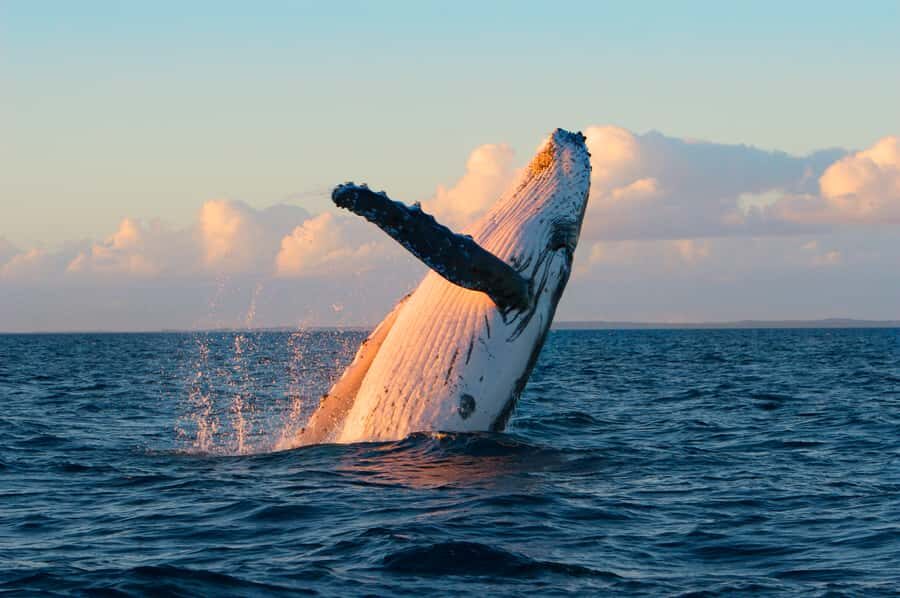
One magic hour, plus whale song. This 12:00 pm 1.5-hour whale watch from Kihei is built for fast access, real viewing time, and a crew that gets you tuned in to what you’re seeing. You head out looking for humpbacks off the south shore and spend most of the trip actually watching, not just waiting.
What I like most is the chance to hear whale behavior through a hydrophone while you’re up close on the water. I also like the smaller boat feel and the cap on group size, which usually makes it easier to learn without getting lost in the crowd. Bottled water is included, and the crew typically keeps the vibe lively and informative.
One thing to weigh is motion comfort. A negative experience shows that if conditions turn choppy, some boats can feel rough, and you may not get a slow ride if the captain feels safety and timing require speed.
In This Review
- Key points to know before you book
- Entering the Kihei Boat Ramp zone: quick access beats a long drive
- Your 12 pm, 1.5-hour ride: how the timing actually works
- Searching off Kihei: what you’re really paying for
- Hearing whale songs with a hydrophone: the tech that makes the trip click
- Small-group energy (22 to 24): why it changes how you see whales
- Comfort on choppy days: safety matters, but so does your stomach
- Bottled water and the ride vibe: little inclusions that add up
- Price and value at $97.30: what you’re buying besides a boat ride
- Who this whale watch is best for (and who should check first)
- Quick practical tips so you enjoy the whole 1.5 hours
- Should you book this 12 pm whale watch?
- FAQ
- What time does the whale watching tour start?
- How long is the tour?
- Where does the tour depart from?
- Is bottled water provided?
- Can I hear whales during the tour?
- How big is the group?
- Is the tour offered in English?
- Are children allowed?
- Are pregnant passengers allowed?
- What happens if the weather is poor?
- Is this tour refundable if I cancel?
Key points to know before you book
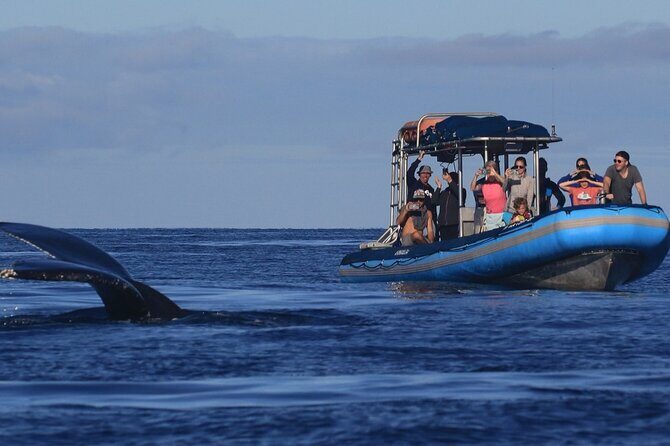
- Hydrophone whale songs help you understand what humpbacks are doing, not just what they’re doing visually
- Small-group cap (listed as 22 max and also up to 24 travelers) usually means better viewing and conversation
- Kihei Boat Ramp departure with free parking nearby makes this an easy add-on from Kihei and Wailea
- Time may stretch if whales are close (around 100 yards) so they can keep safe distance under federal rules
- Crew varies by boat; some people highlight captains like Charlie, Brandon, Scott, and first mates like Maya, Angela, and Kanoe
Entering the Kihei Boat Ramp zone: quick access beats a long drive
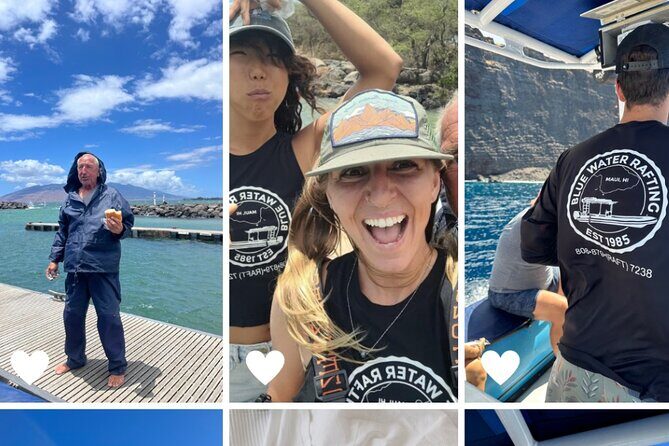
This whale watch is designed around one big practical idea: get you from resort area to open water fast. The meeting point is at 2800 S Kihei Rd, Kihei, HI 96753, and the operation notes ample free parking at the Kihei Boat Ramp, under ten minutes from the Kihei and Wailea resort area. If your day is already planned with beach time or dinner plans, this kind of short hop matters.
The 12:00 pm departure also fits well if you don’t want an early start. Midday tours can have a bit more wind than the calmest mornings, depending on the day. Still, you’re starting from a south-shore launch zone that’s known for humpback activity.
The return is simple: it ends back at the meeting point. No bus ride stretching your day, no mystery transfers. Just you, the ocean, then back to dry shoes.
You can also read our reviews of more whale watching tours in Maui
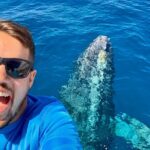
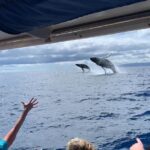
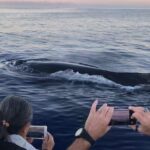
Your 12 pm, 1.5-hour ride: how the timing actually works
On paper, this is about 1 hour 30 minutes. In practice, the company builds in some flexibility so whale safety and viewing rules don’t get squeezed by back-to-back schedules.
Here’s the useful part: they describe their whale watch as a guaranteed 1 1/2 hours on the water. They also note that if you get a close encounter—sometimes within 100 yards—they may adjust timing and “stretch” the tour a little. That’s not just a schedule tweak; it’s a clue that the crew is prioritizing the safe-distance requirement and giving the whales room.
For a 12:00 pm departure, you can treat the trip like a strong block of whale time, not a rushed “hit the animals and go” outing. The viewing window is built around spotting pods quickly, then settling into longer observation rather than constantly moving.
Pack your expectations accordingly: you’re out there to see whales and hear them. You’re not signing up for a sightseeing cruise where the ocean scenery is the main event.
Searching off Kihei: what you’re really paying for
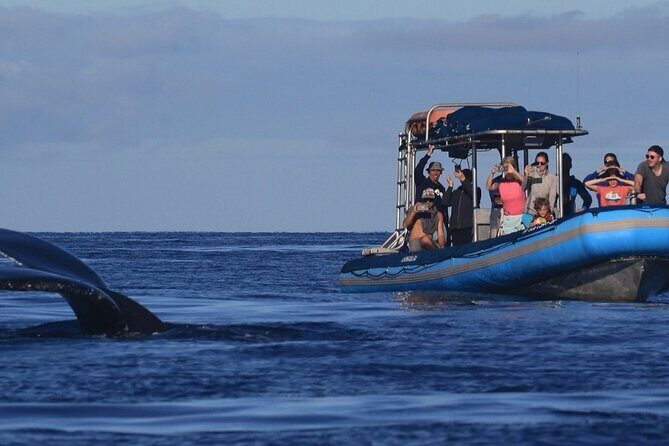
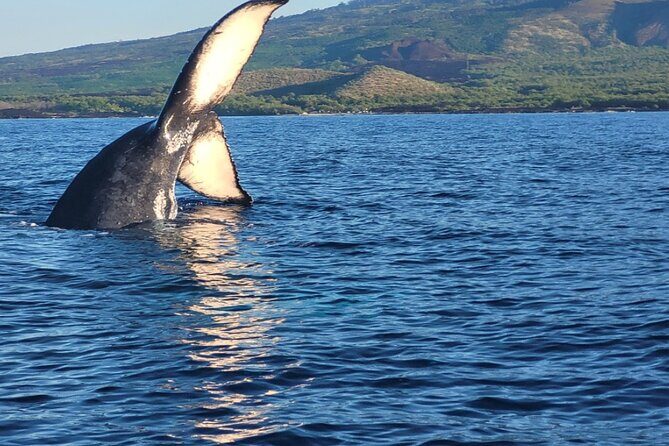
The core experience is searching off the coast of Kihei for humpback whales. The operation specifically calls out that these visits often pair with times when humpbacks are prevalent, including scenarios where whales may be nursing their young during calmer parts of the day.
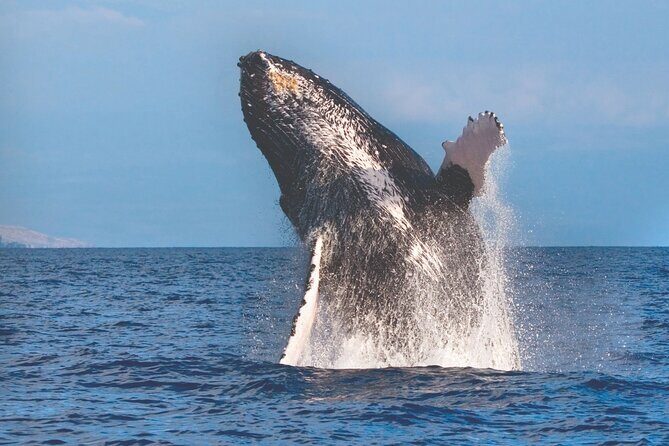
That matters because humpback encounters tend to be more intense when pods are actively feeding, resting, or showing social behavior. When a pod is “working,” you’ll usually get more surface activity—breaches, head-up behavior, and repeated dives—than you would if whales are simply passing by.
Also, you’re not stuck on one far-off dot. The trip description emphasizes that pods are spotted quickly, then there’s ample time for viewing and listening. That’s the difference between a tour that finds whales and a tour that actually gives you a chance to watch them like living animals.
Hearing whale songs with a hydrophone: the tech that makes the trip click

If you’re deciding between whale watches, this is one of the biggest differentiators. They put a hydrophone into the water so you can hear whale songs through a sound system. They specifically note that most customers enjoy the hydrophone the most, which makes sense: whales often spend time underwater, and sight alone can’t tell you what’s happening.
The hydrophone turns the tour into something more than a spotting game. You’re listening while you’re watching. That helps you connect the timing: you hear songs, then you spot the whales surfacing and surfacing again, and it feels like you’re reading the ocean.
The crew also answers questions and provides facts throughout the tour, so you’re not left with silence between whale sightings. Based on guide names that have shown up with this company—Captain Charlie, Captain Brandon, Scott, and first mates like Kanoe, Maya, and Angela—you can also expect the human side: safety guidance, humor, and whale biology talk that makes the hydrophone experience land.
Practical tip: keep your phone safely stowed. When the hydrophone is active, you’ll want both hands and attention available.
Small-group energy (22 to 24): why it changes how you see whales
Group size is a real quality-of-life factor on whale watches. This tour highlights that groups are capped at 22 people maximum, and other details state a maximum of 24 travelers. Either way, it’s not a giant cattle boat.
What that means for you: you’re more likely to get clear sightlines, hear the guide without leaning, and have a more personal feel. It also helps with “moment time,” when whales breach, circle, or stay close longer than expected.
The positive experiences strongly emphasize the intimate setup and how well the crew guides people through staying safe and understanding behavior. Multiple guides tied to this company come up in people’s stories: Captain Charlie with Co-Captain Kanoe, Captain Brandon with first mate Maya, and Scott with Angela. Even when boats differ, the shared pattern is that the crew is part showman, part instructor.
If you’re sensitive to crowds or prefer a tighter group for photo angles, this is the kind of tour that usually fits.



Comfort on choppy days: safety matters, but so does your stomach
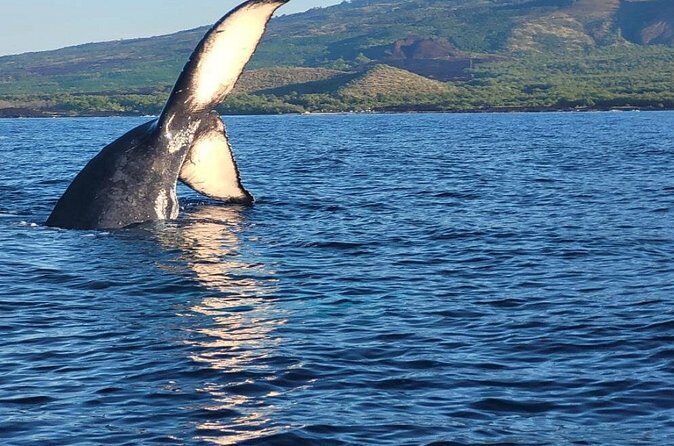
Here’s the honest balancing note. One account in the overall rating mix describes a rougher ride—fast driving on choppy waters, frequent slamming, and a captain who responded defensively after complaints. That’s not a minor detail if you’re older, traveling with small kids, or you just hate feeling bounced around.
The tour does emphasize safety and notes they “stretch” the tour when whales are close for federal regulations. But speed and ride smoothness are still day-dependent and captain-dependent.
So what should you do with this info?
- If you get motion sick, consider packing a remedy before you go.
- Wear shoes with grip and keep your balance in mind when people shift around for the best viewing.
- If the ocean looks angry, lower your expectations for a gentle ride and focus on whale time, not comfort.
You’ll still have a good chance of seeing whales. Just don’t assume every 12 pm departure feels like glass.
Bottled water and the ride vibe: little inclusions that add up
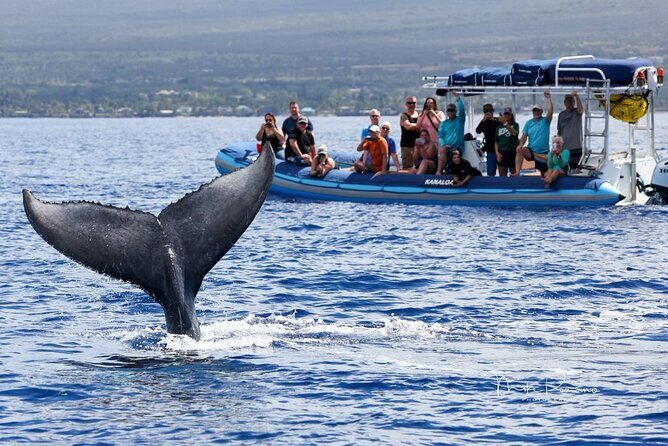
Bottled water is provided. That sounds small, but on a sunlit ocean trip it’s one less worry. You’re more likely to last the full 1.5 hours when you don’t have to track down a drink or ration water.
In the better experiences tied to this tour, people also highlight the overall atmosphere: humor, conversations, and facts delivered in an easy way—not lecturing. If you like guides who can switch from safety talk to whale behavior in a fun way, you’ll probably appreciate the crew style.
And if you’re hoping for a “wow” moment, this type of operation sometimes delivers close attention from whales. The company notes close encounters can happen, and the crew may adjust timing to stay within safe distance rules. You’re never guaranteed a specific spectacle, but the structure of the trip is set up for meaningful encounters when conditions line up.
Price and value at $97.30: what you’re buying besides a boat ride
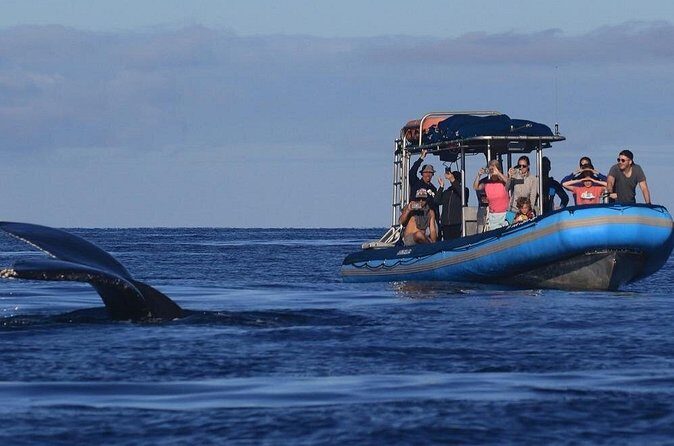
The price is $97.30 per person for roughly 1 hour 30 minutes. That’s not cheap, so you want to know what makes it feel worth it.
You’re paying for three things that travel-wise usually justify the cost:
- A focused whale hunt with time built in. The trip isn’t just “ride out and hope.” They aim to spot pods quickly and then give you viewing and listening time.
- Hydrophone whale songs. Hearing whales is the premium add-on here. Many tours only offer visuals. This one gives you audio, and that changes how much you get from the outing.
- A smaller-group experience. Capped group size helps you watch and learn without fighting for space.
When it goes well, you don’t feel like you paid just for “time on the water.” You feel like you paid for better odds and better understanding.
Who this whale watch is best for (and who should check first)
This tour is described as having a “most travelers can participate” note. That said, there are clear limits:
- No children 4 and under unless approved through reservations (call 808 879 7238).
- No pregnant passengers unless approved through reservations (same phone).
If you fit those guidelines, the tour style suits:
- Couples and small groups who want a more intimate boat feel
- People who love learning while they watch
- First-time whale watchers who want help connecting behavior to what they’re seeing and hearing
If you’re traveling with very young kids, you’ll need to plan carefully around the age restriction. If you’re pregnant, confirm approval early so you don’t lose time.
Also note: the experience requires good weather. If conditions are poor, it won’t run the way you hoped.
Quick practical tips so you enjoy the whole 1.5 hours
The tour is centered on seeing and listening. So act like you’re attending a performance, not just a ride.
- Arrive early so you can settle in before boarding.
- Bring a light layer. Even in warm Maui afternoons, wind on open water can cool you down.
- Stay flexible about where you stand for the best views. Whale activity can shift fast.
- Watch the crew cues for safety. The best encounters come when everyone follows instructions.
If you’re the type who gets anxious about boats, tell yourself the trip is structured around safety and observation. The longer your attention stays on whales, the less you’ll notice the rest.
Should you book this 12 pm whale watch?
Book it if you want a focused, small-group humpback hunt from Kihei with hydrophone whale songs and bottled water included—and you’re okay with the ocean being unpredictable. The strong theme here is that the crew tends to make the experience both fun and informative, with guides such as Charlie, Brandon, Scott, and first mates like Maya, Angela, and Kanoe often highlighted for safety talk and whale knowledge.
Skip or be cautious if you’re extremely sensitive to rough water, because ride comfort can swing based on sea conditions and how the captain drives. Also double-check eligibility if you’re traveling with kids under 4 or if you’re pregnant.
If your goal is to hear whales and watch humpbacks with a smaller group, this 12 pm outing is a very solid choice.
FAQ
What time does the whale watching tour start?
It starts at 12:00 pm.
How long is the tour?
The tour is about 1 hour 30 minutes.
Where does the tour depart from?
The meeting point is 2800 S Kihei Rd, Kihei, HI 96753, USA.
Is bottled water provided?
Yes. Bottled water is provided.
Can I hear whales during the tour?
Yes. The experience includes listening to whale songs through a hydrophone.
How big is the group?
Group size is capped at 22 people maximum, and the activity also lists a maximum of 24 travelers.
Is the tour offered in English?
Yes. It’s offered in English.
Are children allowed?
No children 4 and under, unless approved through reservations. You can call 808 879 7238.
Are pregnant passengers allowed?
No pregnant passengers unless approved through reservations. Call 808 879 7238.
What happens if the weather is poor?
The experience requires good weather. If canceled due to poor weather, you’ll be offered a different date or a full refund.
Is this tour refundable if I cancel?
This experience is non-refundable and cannot be changed for any reason.