REVIEW · MAUI
Maui: Guided Hike of Haleakala Crater with Lunch
Book on GetYourGuide →Operated by Hike Maui · Bookable on GetYourGuide
Haleakala can feel like you stepped onto another planet. This guided hike takes you into a dormant volcanic crater and pairs the science with Maui heritage and culture along the way. I like that the route changes elevation and scenery fast, so the views don’t get repetitive.
Two things I really like: first, you’ll walk up to the 10,000-foot summit where cinder cones dominate that barren, surreal terrain. Second, you get a second hike at around 8,000 ft on a lava trail with rare native plant life and wide-open sky when conditions are clear. One consideration: this isn’t an easy stroll. The hike involves rocky, sometimes slippery surfaces, so older adults or anyone with health limits should think hard about their footing.
In This Review
- Key Things To Know Before You Go
- Why This Haleakala Crater Hike Feels Worth It
- The 7-Hour Format: A Two-Summit-Feeling Day
- Reaching the 10,000-Foot Summit: Cinder Cones and High-Altitude Wonder
- The 8,000-Foot Lava Trail: Rare Native Plants Along the Way
- Lunch, Snacks, Ponchos, and the Stuff That Actually Matters
- Meeting Point in Kahului: Plan to Get There Yourself
- Price and Value: Is $208 a Good Deal?
- Fitness Reality Check: Who This Hike Fits Best
- Weather, Safety, and Park-Ready Training
- Should You Book This Guided Haleakala Hike?
- FAQ
- How long is the Maui Guided Hike of Haleakala Crater with Lunch?
- Where do I meet for the tour?
- Is hotel pickup or drop-off included?
- What’s included in the tour price?
- What should I bring?
- Is this tour available in English?
- Is the tour suitable for children?
- Is it suitable for people with mobility impairments?
- What if the weather changes during the tour?
Key Things To Know Before You Go
- Two-part elevation day: you’ll hike up to the 10,000-foot area, then continue to another section around 8,000 feet.
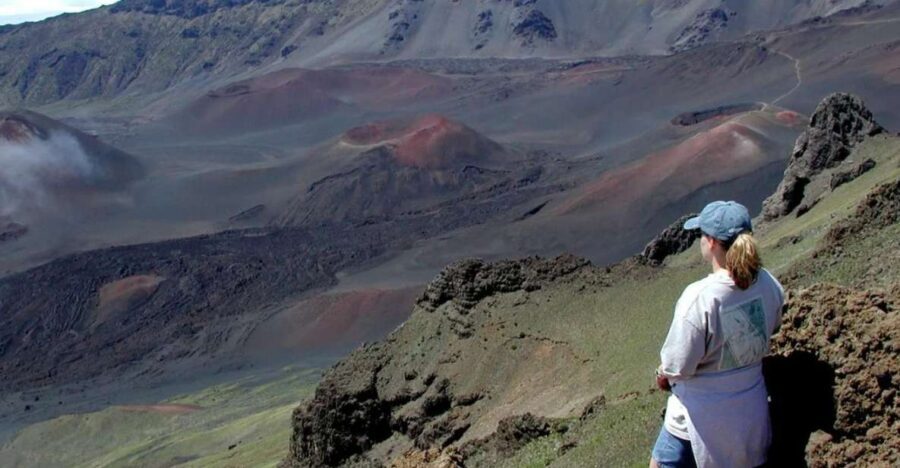
- Alien crater terrain: cinder cones, lava trails, and desert-like open ground make the walk visually unforgettable.
- Cultural learning, not just walking: your guide ties what you’re seeing to Maui’s heritage and culture.
- Food and gear included: snacks, a picnic lunch, bottled water, plus backpacks and ponchos.
- Safety-first guiding: guides include advanced CPR, first aid, wilderness training, and the right permit for hiking in the National Park.
Why This Haleakala Crater Hike Feels Worth It
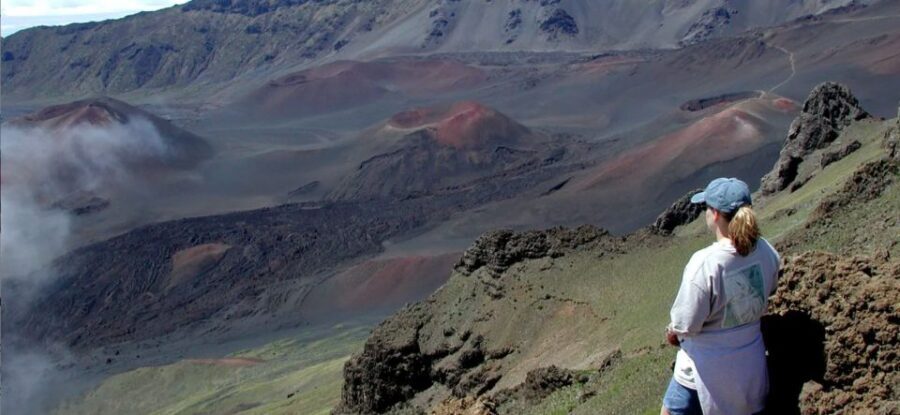
Haleakala’s crater doesn’t do subtle. Even before you reach the higher points, the terrain looks rough-edged and volcanic, like the land is still cooling from a long-ago event. On this tour, you’re not just walking through it—you’re doing it with a professional guide who adds context so the scenery connects to real place, not just photos.
I also like that the day is structured so you get two different “chapters.” You start by pushing toward the 10,000-foot summit area, then you shift to a lower section around 8,000 feet on a lava trail. That pacing matters because your eyes and legs get a change-up.
Finally, this is one of those experiences where “weather” isn’t a side note. The tour runs in most conditions but may change if safety requires it, which is exactly what you want for a volcano hike.
You can also read our reviews of more guided tours in Maui


The 7-Hour Format: A Two-Summit-Feeling Day
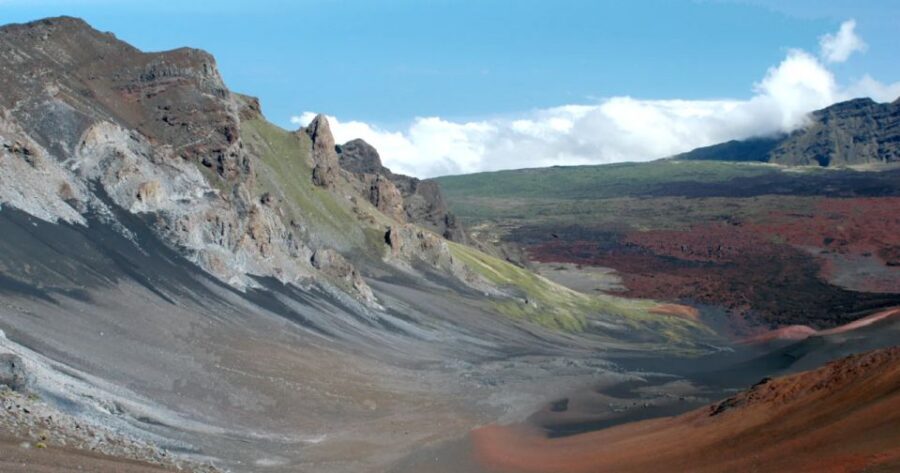
The total duration is about 7 hours, and the walking is split into two main stretches.
- First: a hike of about 2 miles to reach the 10,000-foot summit area.
- Second: another hike of about 2 miles around 8,000 feet on a lava trail.
That structure is helpful for planning your energy. You can treat it as one long day with a built-in “reset” between sections, rather than one continuous grind. And because your guide is walking with you the whole time, pace and safety checks are part of the experience, not something you manage on your own.
Reaching the 10,000-Foot Summit: Cinder Cones and High-Altitude Wonder
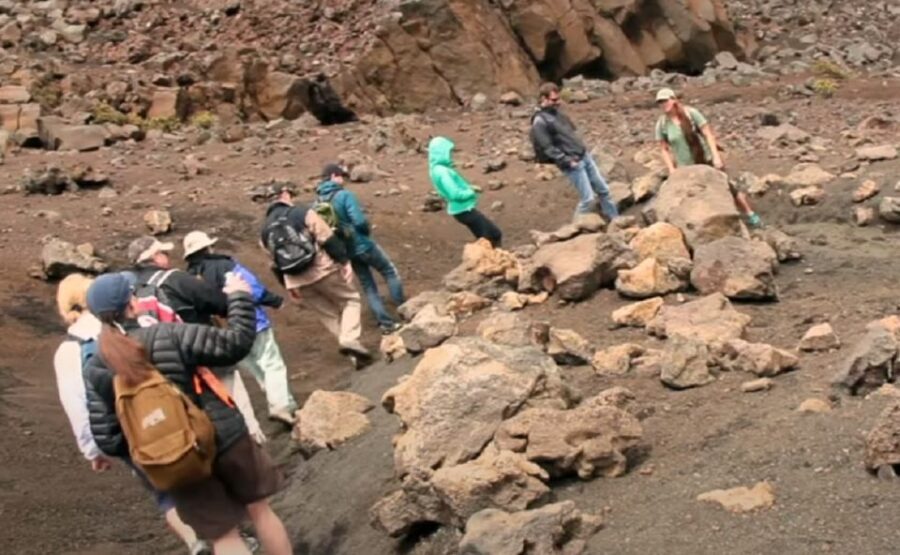
The first main push is where Haleakala starts to feel mythic. You hike about 2 miles up to the 10,000-foot area, and that’s where huge cinder cones take over the view. It’s desert-like and expansive, with an almost sculpted look—dark volcanic material, steep shapes, and a horizon that seems to stretch forever when visibility is good.
What makes this segment valuable is what your guide adds while you’re walking. You’ll learn about Maui’s heritage and culture and hear explanations tied to what you’re seeing in the crater. That kind of guided interpretation is the difference between seeing impressive ground and understanding why it matters.
One practical note: altitude days can catch you off guard. Even if the day is sunny, temperatures can still feel sharp. Bring warm clothing and sports shoes, because you’ll be on uneven surfaces where traction matters.
The 8,000-Foot Lava Trail: Rare Native Plants Along the Way
After the summit-area portion, the tour continues with another 2-mile hike at around 8,000 feet. Here, the terrain shifts from the cinder-cone dominance to a lava trail lined with rare native plant species.
This second hike is where the experience becomes more layered. You’re still in volcanic terrain, but you’re seeing life that has adapted to it. That adds contrast: the crater isn’t just “empty rocks.” It’s an ecosystem shaped by volcanic ground and harsh conditions, and your guide will point out the natural wonders you might otherwise miss.
If you want “awe” moments, this is where they often happen. On clear days, the surroundings can look unbelievably broad—like the crater walls step aside and let you see for miles.
Lunch, Snacks, Ponchos, and the Stuff That Actually Matters
You’re not going to spend the day deciding where to eat. The tour includes snacks, a picnic lunch, and bottled water, which keeps you from turning this hike into a logistics project.
Even better: they provide backpacks and ponchos. That matters on Haleakala because conditions can shift. Light rain, wind, or just changing comfort levels are common enough that having a poncho on hand is a real advantage. You don’t want to be stuck improvising clothing when you’d rather be focused on the hike.
From reviews, I also picked up a useful expectation check: on some days, it can be sunny and gorgeous above the clouds, and it may not feel as cold as you first assume. Still, I’d treat warm layers as non-negotiable. Sun helps; it doesn’t change the fact that you’re at serious elevation.
You can also read our reviews of more tours and experiences in Maui


Meeting Point in Kahului: Plan to Get There Yourself
There’s no hotel pickup or drop-off, so you’ll need to handle getting to the meeting area on your own. The meeting point is at the intersection of Highways 311 and 380, in front of a large concrete wall with a single row of parking facing Hwy 380 west of Hwy 311, just before entering Kahului.
That detail matters for timing. If you’re driving, give yourself extra buffer so you can park, find the exact spot, and get ready without rushing. If you’re relying on a ride, confirm the drop location clearly—“near the highway intersection” can still be vague in real life.
Price and Value: Is $208 a Good Deal?
At $208 per person, this isn’t a budget excursion. But the value isn’t just that it’s guided—it’s what’s included for a full 7-hour crater experience.
Here’s what your money is buying:
- a professional, English-speaking live guide
- interpretation tied to Maui heritage and what you’re seeing in the crater
- snacks, a picnic lunch, and bottled water
- backpacks and ponchos for comfort and weather readiness
- trained safety support (advanced CPR, first aid, wilderness training)
If you tried to recreate this independently, you’d pay for transportation to the park area, your own food, and the kind of gear that makes a hike like this workable. The guide also reduces risk and guesswork, especially with terrain and changing conditions. Put simply: the price is mainly for time, expertise, and the practical inclusions that keep the day flowing.
Fitness Reality Check: Who This Hike Fits Best
This is an active tour. It’s not suitable for children under 8, and it’s also not suitable for people with mobility impairments. Reviews support the idea that it can be challenging, especially for people who may struggle with slippery, rocky surfaces.
If you’re athletic and comfortable with uneven terrain, you’ll likely enjoy the day more because you can focus on the crater instead of fighting your footing. If you have balance issues, a lower tolerance for steep or rocky paths, or health concerns that affect walking stability, you should take a conservative approach and consider whether this is the right fit.
On the plus side, guides are trained to handle real participant differences. One review called out how guide George was considerate of limitations and kept safety front and center while still making the experience enjoyable. That’s a good sign that pace and care aren’t ignored.
Weather, Safety, and Park-Ready Training
Haleakala hikes can’t be “just follow the path” when the ground is volcanic and conditions change. The tour runs in most weather conditions, but it may be altered if safety issues come up.
What I find reassuring is the training level listed for guides: advanced CPR, first aid, wilderness training, and a permit for hiking in the National Park. That combination matters because it signals preparedness, not just enthusiasm.
Pack smart for conditions you can’t fully control. Stick with sports shoes and warm clothing, even if you start the day feeling fine. If the day turns windy or colder at elevation, you’ll be glad you planned for it.
Should You Book This Guided Haleakala Hike?
I’d book it if you want a guided, meaning-rich crater experience that goes beyond “walk and look.” The mix of 10,000-foot cinder cones, an 8,000-foot lava trail, and the cultural explanations gives you more than one kind of payoff. The included picnic lunch, snacks, water, ponchos, and backpacks also make it feel like a complete day—not a half-plan you have to finish yourself.
I’d think twice if you don’t handle uneven, rocky terrain well, or if you’re traveling with mobility limitations. In that case, the tour’s safety and suitability limits are a key signal that another format might fit better.
If you’re on the fence, match the hike to your comfort level with footing and elevation. This one rewards visitors who can move confidently and stay flexible when conditions shift.
FAQ
How long is the Maui Guided Hike of Haleakala Crater with Lunch?
The tour duration is listed as 7 hours.
Where do I meet for the tour?
Meet at the intersection of Highways 311 and 380, in front of a large concrete wall with a single row of parking facing Hwy 380 west of Hwy 311 just before entering Kahului.
Is hotel pickup or drop-off included?
No. Hotel pickup and drop-off are not included.
What’s included in the tour price?
Included items are bottled water, snacks, picnic lunch, backpacks, and ponchos.
What should I bring?
Bring warm clothing and sports shoes.
Is this tour available in English?
Yes. The tour offers a live guide in English.
Is the tour suitable for children?
No. It is not suitable for children under 8.
Is it suitable for people with mobility impairments?
No. It is not suitable for people with mobility impairments.
What if the weather changes during the tour?
The tours run in most weather conditions, but they may be altered if safety issues arise.