REVIEW · MAUI
Maui Historical Island Tour
Book on Viator →Operated by Limo Jonas LLC · Bookable on Viator
A limo and Maui history, in a tight loop. This Maui Historical Island Tour strings together real places—heritage gardens, an old-style plantation valley, a Frank Lloyd Wright golf-course connection, and ocean viewpoints—so you get context fast without cramming your whole day.
I love how the day is built around short, focused stops like Kepaniwai Park & Heritage Gardens and Maui Tropical Plantation. I also like that you’re not left to fend for yourself: snacks and drinks are part of the experience, with a small-group vibe (up to 14 people).
One thing to consider: the vehicle can be older, and getting in and out may feel awkward if you have limited mobility. That’s also why I’d keep expectations realistic if you’re expecting a smooth, step-free ride the whole time.
In This Review
- Key highlights I’d plan around
- Why this half-day Maui route feels efficient
- Limo Jonas pickup: what to expect when you start
- Stop 1: Kepaniwai Park & Heritage Gardens and its culture-mix buildings
- Stop 2: Maui Tropical Plantation in Waikapū Valley—crops you can picture
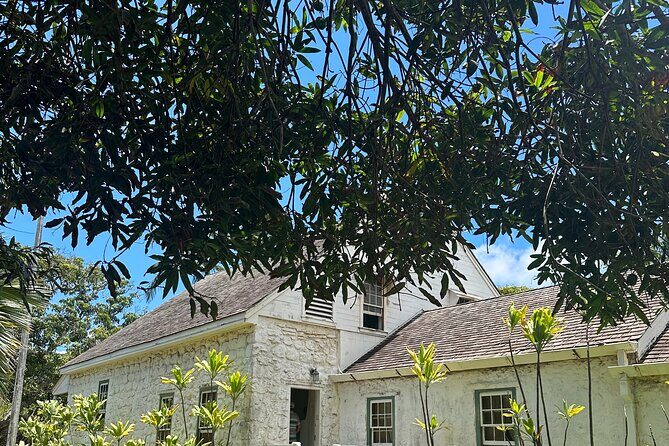
- Stop 3: Hale Ho’ike’ike at the Bailey House—short and meaningful
- Stop 4: King Kamehameha Golf Club—Frank Lloyd Wright’s Crownfield story
- Stop 5: Leoda’s Kitchen and Pie Shop—an optional lunch moment
- Stop 6: Papawai Scenic Lookout—only during whale season
- Stop 7: Maalaea Harbor—turtles and wind
- Drinks, snacks, and comfort: the value you feel in the limo
- Price and overall value: $200 per person, where it makes sense
- Who should book this Maui Historical Island Tour (and who might skip)
- Should you book this tour?
- FAQ
- How long is the Maui Historical Island Tour?
- What does the tour cost?
- Are pickup and tickets provided?
- Is whale viewing part of the tour year-round?
- What about admissions and food—what’s included?
- How many people are on the tour?
Key highlights I’d plan around
- Central Maui in 4–5 hours: a half-day route that avoids a full-day grind.
- Cultural architecture at Kepaniwai: homes from multiple communities, all in one park.
- Waikapū Valley crops you can name: coffee, macadamia nuts, avocado, papaya, and more.
- Seasonal ocean views: Papawai Scenic Lookout only during whale season.
- Sea turtles at Maalaea Harbor: a short stop timed for wildlife spotting.
- Snacks + alcoholic drinks included: with the 21+ rule for alcohol.
Why this half-day Maui route feels efficient
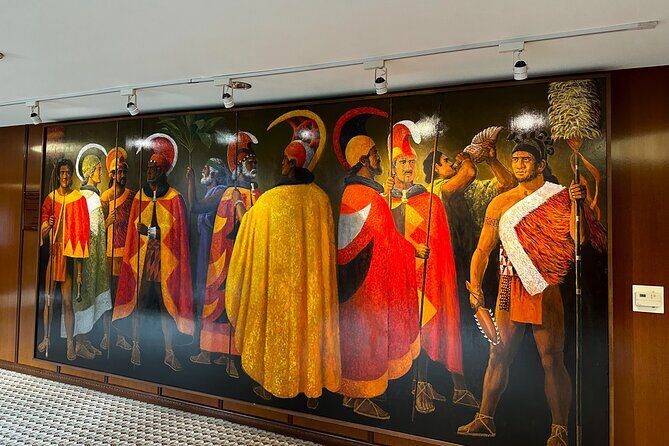
Maui can chew up time. Roads are long, pullouts are scattered, and parking can eat your energy. This tour keeps the pace human by limiting it to about 4 to 5 hours, with multiple stops that don’t require committing to hours-long museum-style visits.
You’ll spend your time where it matters most: places with visual clues of Maui’s mix of cultures and agriculture, plus ocean viewpoints that make the island feel like a real place, not just a name on a postcard. The small group size (max 14) helps too. You’re not stuck in a giant herd, so you can ask questions and actually hear the stories at each stop.
You can also read our reviews of more historical tours in Maui


Limo Jonas pickup: what to expect when you start
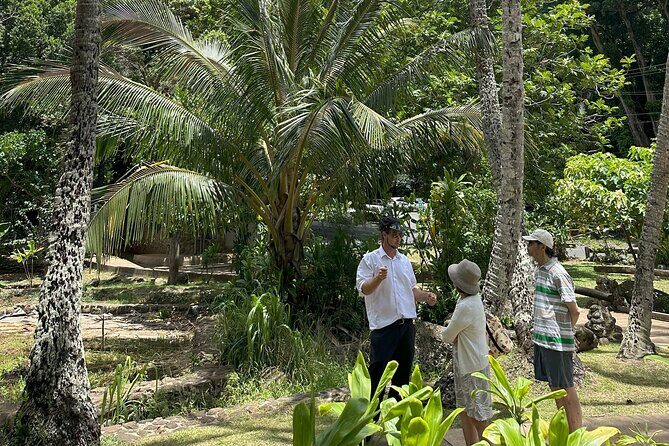
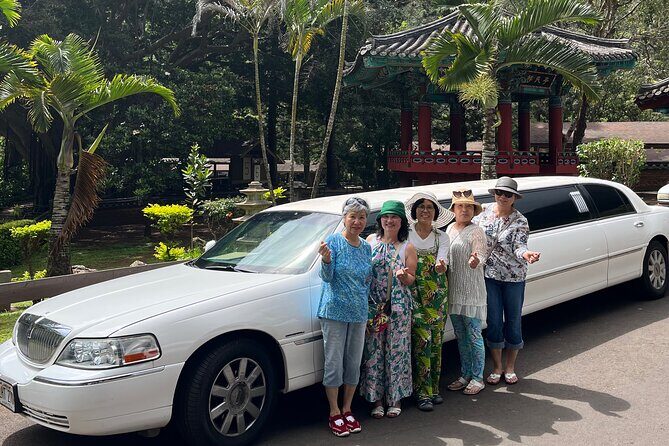
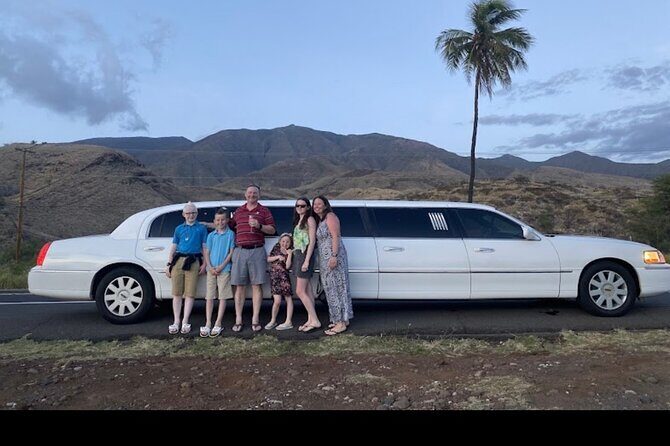
The tour offers pickup, and if you’re coming from a cruise ship, the pickup point is by the parking lot between Long Drugs and O Reilly—right across from the cruise ship. You should see Jonas’s long white stretch limo there.
This format matters. A limo pickup means fewer logistics for you and less waiting in the wrong spot. It also means you’ll likely hear better commentary during the drive than you would on some bus-style shore excursions, because there’s less chaos in the cabin.
The tour runs daily from 10:00 AM to 4:00 PM. With a mid-day window like that, I suggest dressing for sun and having light layers, especially if you’re doing both plantation-style stops and an ocean lookout.
Stop 1: Kepaniwai Park & Heritage Gardens and its culture-mix buildings
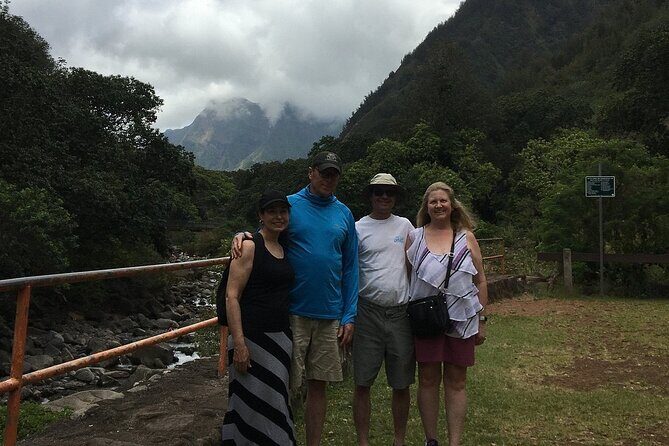
Kicking off at Kepaniwai Park & Heritage Gardens is a smart move because it sets the theme. It’s right by the Wailuku Stream, and the park is built around displays honoring cultures that helped shape modern Maui.
What makes this stop memorable is the range of structures you can spot. You’ll see an early-Hawaiian hale, a New England–style saltbox, a Portuguese-style villa with gardens, and dwellings representing other communities such as China and the Philippines. Even if you’re not a “museum person,” these buildings give you quick visual language for how Maui’s population grew and how different cultures adapted to life on the island.
This is also a free admission stop, and you’re there about 40 minutes—enough time to walk, look closely, and get the story without feeling rushed.
Stop 2: Maui Tropical Plantation in Waikapū Valley—crops you can picture
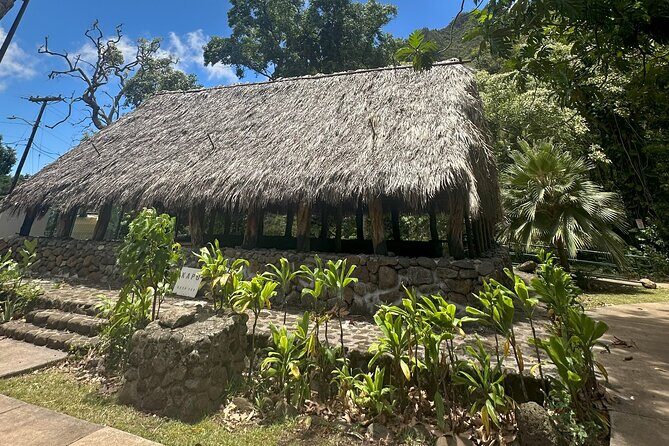
Next comes the Maui Tropical Plantation in Waikapū Valley, the kind of place that feels “just practical” in a good way. The valley served as an agricultural hub during Maui’s sugarcane era, and the plantation today is about plants—lots of them.
The big hook here is scale: the plantation grows well over 40 crops. You may spot names that are familiar in stores—coffee, macadamia nuts, avocado, papaya—but here they’re growing in context, surrounded by the feel of the valley itself.
This stop is about 1 hour, and admission is free, which helps your overall value. It’s also a strong choice if you like science-of-everyday-life tourism: not just “pretty flowers,” but learning how farming works on Maui and what grows where.
If you have a sensitive schedule, note that plantation gardens can mean a little walking on uneven ground. Keep a comfortable pace and don’t try to rush your photos.
Stop 3: Hale Ho’ike’ike at the Bailey House—short and meaningful
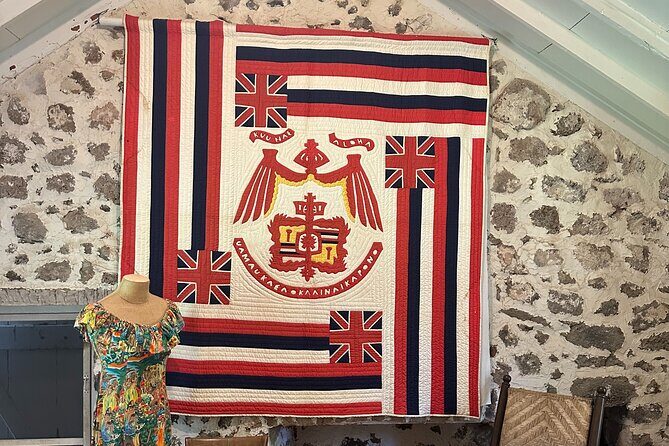
This part of the day is shorter: about 30 minutes, and admission is included. Hale Ho’ike’ike at the Bailey House is tied to the Maui Historical Society’s mission of preserving and sharing Maui’s history.
The catch is timing. It’s closed on Saturdays and Sundays, and you also need to know Sundays are closed as well. So if your trip lands on a weekend, your tour experience may differ.
I like this stop because it’s not trying to be huge. It’s more like a focused “chapter break” before the next scene shift—away from gardens and into the built-world story of architecture and landmarks.





Stop 4: King Kamehameha Golf Club—Frank Lloyd Wright’s Crownfield story
Now you’ll get a “wait, really?” moment: The King Kamehameha Golf Club. The design connects to the world of big-name Hollywood and architecture.
Here’s the core story you’ll hear: Marilyn Monroe and her husband, Arthur Miller, commissioned Frank Lloyd Wright to design a country estate. The design was conceived in 1949 and the home was named Crownfield. But the couple never built it.
On the ground, it’s easy to understand why this stop is fascinating even if you’re not a golfer. You’re looking at a place shaped by that design legacy—an architectural footnote with real cultural gravity. The stop is about 40 minutes, and admission is free.
Practical note: if you’re expecting a hands-on visitor center type of stop, this is more “observe and learn” than “tour the interior.”
Stop 5: Leoda’s Kitchen and Pie Shop—an optional lunch moment
Lunch is not included. The tour does include an optional stop at Leoda’s Kitchen and Pie Shop if you’re interested, with about 30 minutes there. Admission isn’t the point here—the pie and local lunch are.
If you take this option, plan for the fact that it’s not included, so you’ll want cash or a card ready. I like that this is optional because some people want a bite, while others just want to keep moving and eat later.
If you’re hungry but don’t want pie, you might prefer to eat near your next planned stop or wait until you’re back near the ship. Just don’t assume lunch will be built into your schedule no matter what.
Stop 6: Papawai Scenic Lookout—only during whale season
One of the most visually rewarding parts of Maui is its ocean drama. This tour includes Papawai Scenic Lookout for the whale season period only, with about 20 minutes there and free admission.
The key detail: the lookout offers an elevated panoramic 180-degree view of the ocean. Even if you don’t see whales, you still get a strong sense of how the coastline opens up. If you are traveling outside whale season, you likely won’t go to this specific stop—because it’s only scheduled during that time window.
This is a quick stop, so wear shoes that handle any steps or uneven surfaces. Bring sunglasses and sunscreen if the sun is out.
Stop 7: Maalaea Harbor—turtles and wind
The final ocean-flavored moment is Maalaea Harbor, also about 20 minutes, with free admission. The purpose is simple: you’ll stop here for turtles.
Maalaea Harbor is also known as the second windiest harbor in the world, which helps explain why this place can feel cool even when the rest of Maui is warm. If you get motion sick, the wind exposure can sometimes help, but go at your own comfort level.
This stop is a great “wrap” for the day because it connects wildlife viewing with Maui’s coastal reality. It’s short, so you’re not stuck waiting around in one spot for too long.
Drinks, snacks, and comfort: the value you feel in the limo
This tour includes snacks and alcoholic beverages. The big practical rule: alcohol is only served to travelers 21+.
Even if you don’t drink alcohol, the snack setup matters. It turns a half-day excursion into something that feels cared for. People often underestimate how much energy you burn on a driving + walking route, then get grumpy halfway through. This format gives you the small boosts that keep the day smooth.
Comfort-wise, the tour requires moderate physical fitness, and it’s not recommended for clients with weight issues. Also keep in mind that some guests noted the vehicle can feel awkward to enter and exit. If mobility is a concern for you, I’d think carefully about whether you can manage the steps and tight space of a limo entry without assistance.
Price and overall value: $200 per person, where it makes sense
At $200 per person for about 4–5 hours, this isn’t a budget tour. So the question isn’t just “is it fun?” It’s whether you’re getting value from the structure.
Here’s why it can feel worth it:
- You get transport plus guided interpretation in a small-group setting.
- You’re not paying separately for every stop, because multiple admissions are free and at least one museum-style stop is included.
- Snacks and drinks are included, which reduces your add-on costs.
It can feel less worth it if you’re expecting a long, deep museum day. This is more like a well-paced highlight route with meaningful context at each stop. Also, if you’re only interested in whale watching, note that Papawai Scenic Lookout is seasonal.
Who should book this Maui Historical Island Tour (and who might skip)
This tour suits you if:
- You want central Maui in one controlled day without the stress of driving and parking.
- You like learning through places—cultural architecture, agriculture, and landmark stories—more than through a lecture hall.
- You value snacks and drinks and prefer a small-group vibe over a big coach.
It might not be your best fit if:
- You need easy vehicle access for mobility reasons, since limo entry/exit can be challenging.
- Your ideal day is a strict history-only itinerary with no optional lunch stop and no chance of season-based changes.
- You’re traveling with specific health or comfort needs, since the tour explicitly isn’t recommended for weight issues and expects moderate fitness.
The way I’d decide is to match your priorities to the route: culture + crops + quick viewpoints.
Should you book this tour?
I’d book it if you want a half-day, guided Maui sampler with real stops and a format that keeps you fed and moving. The cultural buildings at Kepaniwai, the crop education at Maui Tropical Plantation, and the ocean timing at Maalaea add up to a day that feels efficient without feeling rushed.
Skip or rethink it if mobility comfort is a top issue for you, or if you’re traveling at a time when whale watching isn’t likely. In those cases, you may still enjoy the tour, but your “must-see” moment could land on a different stop or not happen.
If you do book, go in ready for a story-led drive and short walks—bring sunscreen, comfortable shoes, and a flexible attitude. That’s the recipe for getting the most from this kind of Maui day.
FAQ
How long is the Maui Historical Island Tour?
It runs about 4 to 5 hours.
What does the tour cost?
The price is $200.00 per person.
Are pickup and tickets provided?
Yes. Pickup is offered, and you’ll receive a mobile ticket.
Is whale viewing part of the tour year-round?
No. Papawai Scenic Lookout is only included during whale season.
What about admissions and food—what’s included?
Multiple stops have free admission, and Hale Ho’ike’ike at the Bailey House has admission included. The tour includes snacks and alcoholic beverages (21+ only), but lunch is not included.
How many people are on the tour?
The tour has a maximum of 14 travelers.