REVIEW · MAUI
Regenerative Mango and Tropical Fruit Tour in West Maui
Book on Viator →Operated by Maui Mango Mala Farm Tours · Bookable on Viator
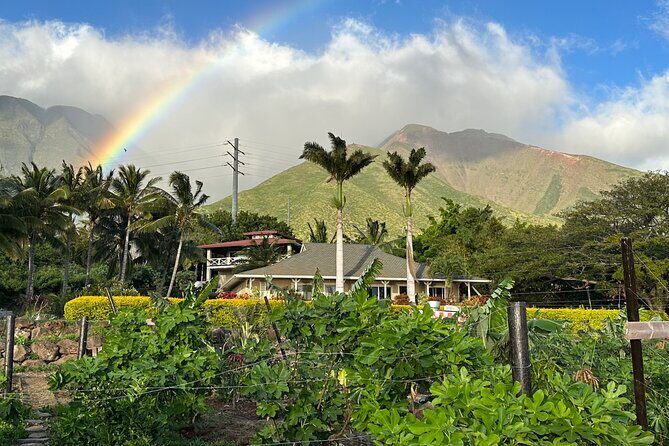
That passionfruit vine sets the tone. This West Maui experience starts under a trellis draped with passionfruit, with a welcome drink and a quick, plain-language lesson on Hawaiian agriculture and regenerative permaculture. You’ll then walk a hillside farm with ocean views on one side and mountains on the other, sampling whatever ripe fruit is available.
I like two things a lot: the owner-led farm story and the chance to taste fruit straight from the plants. You’ll also get photo stops along the way, not just a quick walk-and-go, and the whole vibe stays intimate since the group is limited.
One thing to plan for: there are no bathrooms included, and you may also want bug protection depending on conditions. Also, the tour depends on good weather, so don’t plan your tightest schedule right before or after.
In This Review
- Key highlights worth aiming for
- Meeting on the Lahaina hillside: what the start feels like
- The regenerative permaculture lesson (15–20 minutes) that actually clicks
- The orchard walk: mango, papaya, and the best “wait—try this” moments
- The end-of-tour fruit plate: seasonality you can taste
- Why the small size and owner stories matter in real life
- Price and value: $85 for a 2-hour farm experience that isn’t rushed
- Practical tips: sun, bugs, and the “no bathroom” reality
- Who should book this tour (and who might skip it)
- Should you book the Regenerative Mango and Tropical Fruit Tour?
- FAQ
- How long is the regenerative mango and tropical fruit tour?
- How much does the tour cost?
- Where do I meet for the tour?
- What’s included in the ticket price?
- What fruit will I get to try, and is mango always available?
- Are bathrooms provided?
- What happens if the weather is bad?
Key highlights worth aiming for
- Up to 8 people keeps it personal, with time for questions instead of a crowd shuffle
- Regenerative permaculture explained on the ground with real examples from the property
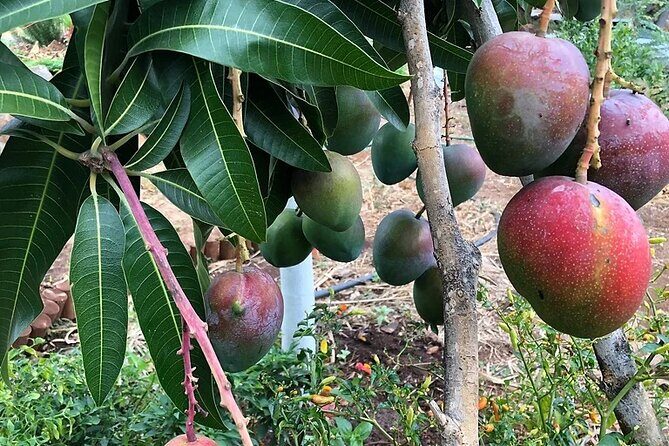
- Seasonal fruit tastings with mango as the star when it’s in season (late May to early November)
- A walking route through a mixed orchard of pineapple, papaya, starfruit, banana, figs, and more
- Ocean-and-mountain photo guidance so you’re not just guessing where the best views are
- Small farm feel, big fruit flavor with an end-of-tour seasonal fruit plate
Meeting on the Lahaina hillside: what the start feels like
The meeting point is at 15 Wailau Pl, Lahaina, and the tour ends back there. If you like tours where you can actually hear the guide, this one is built for that. It’s about 2 hours (approx.), and the pace stays relaxed enough for most people to keep up.
You’ll start under that big passionfruit vine trellis, where you’ll be served a refreshing welcome drink. Then you’ll get a short overview of Hawaiian history and agriculture in West Maui, before the tour shifts into the farming how-and-why.
What’s useful here is that the explanation isn’t just theory. You’ll learn the difference between traditional farming and regenerative permaculture farming, and then you’ll see the ideas applied as you walk. That sequencing matters because it helps the farm tour make sense instead of feeling like a random fruit inventory.
This is also a mobile-ticket experience in English, which is easy if you want to travel light.
You can also read our reviews of more tours and experiences in Maui.

The regenerative permaculture lesson (15–20 minutes) that actually clicks
Early on, you’ll get a quick but focused talk about how the land is managed and what regenerative permaculture aims to do. The guide frames it through Hawaiian agriculture and the West Maui context, so it feels grounded instead of generic.
You’re not going to leave with a farm textbook. You’re going to understand the big contrast: conventional approaches that depend heavily on inputs versus regenerative methods that aim to build soil health and support an ecosystem on-site.
What I appreciate is that the tour doesn’t treat this like a lecture you suffer through. You’ll soon walk through the orchard, and you’ll see plants growing in ways that help explain the farming choices. It’s one of those tours where you can follow along even if you’re not a gardening expert.
If you’re traveling with kids, this early segment helps too. It gives them a story behind what they’re seeing, which makes the tasting part feel like a payoff instead of a snack stop.
The orchard walk: mango, papaya, and the best “wait—try this” moments
After the intro, the walking tour typically runs 45 to 60 minutes. This is where you move through a true fruit mix rather than one straight row of the same crop.
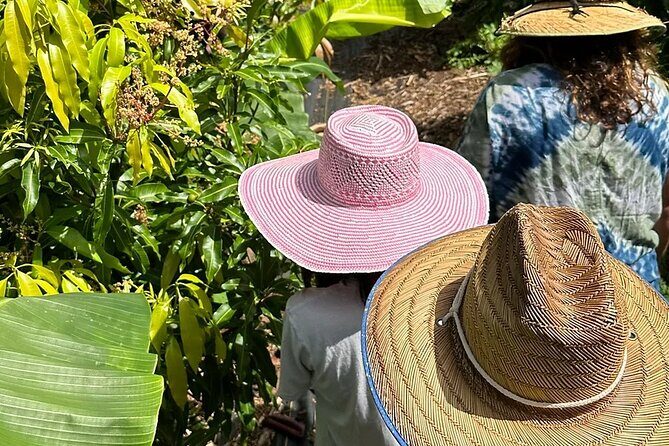
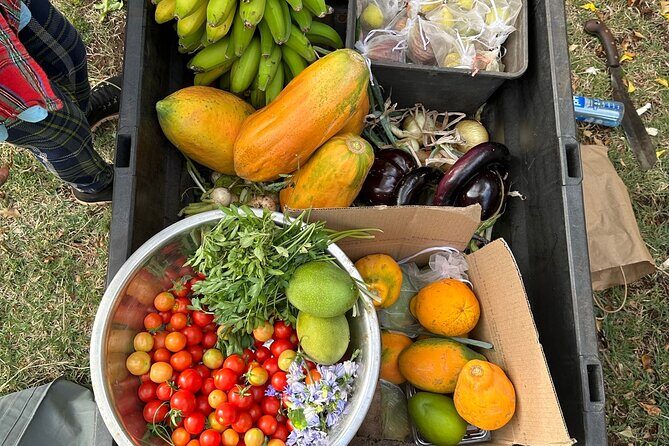
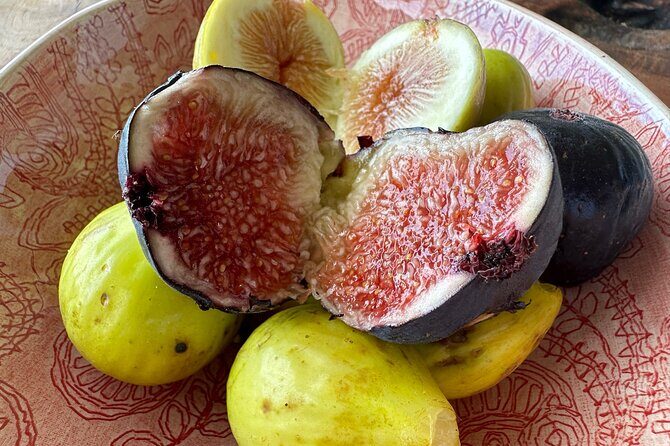
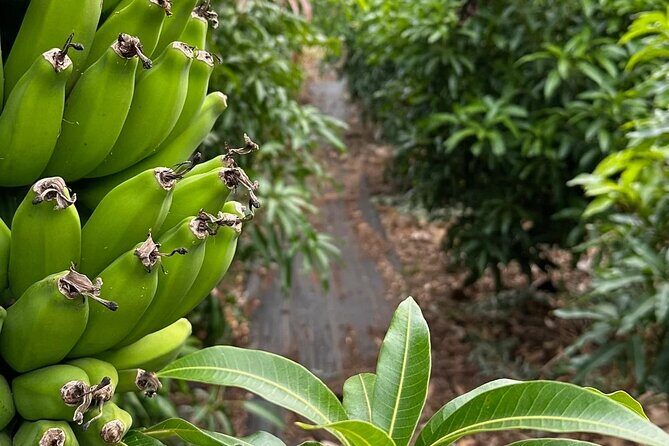
Expect to pass through pineapple, papaya, Surinam cherries, figs, starfruit, banana, and of course mango. If fruit is available and ripe, you’ll usually get tasting opportunities along the way.
The big win here is that you’re not just being shown plants. You’re learning how to notice ripeness and how different tropical fruit tastes when it’s harvested at the right moment. Mango can be a highlight, but the tour’s strength is that it doesn’t disappear if mango isn’t perfect that day.
You’ll also get guided photo spots. The farm sits with epic ocean views on one side and gorgeous mountains on the other. So even if you’re not chasing fruit, you’re still getting a scenic walk in Maui.
A practical tip: wear shoes you’re comfortable walking in. This is a farm path, not a paved boardwalk, and you’ll want good footing for the viewpoints.
The end-of-tour fruit plate: seasonality you can taste

When the walk wraps, you’ll return to the welcoming area. That’s where you’ll be served a plate of seasonal fruit to finish things off.
Mangoe season is generally late May to early November, but the tour is designed to keep tasting interesting year-round. That matters because $85 is only a good deal when you actually get value, and here the value comes from consistent fruit sampling even when mango is out of season.
Since this is a living farm, availability can vary. But the tour is clear about the pattern: you’ll taste whatever fruits are ripe and available at the time. That means your experience stays tied to nature’s schedule rather than a rigid list that might not match what’s growing that week.
If you’ve ever been disappointed by tours that feel like a staged stop, this one is built around freshness. The fruit at the end is meant to feel like a conclusion to the story you learned at the start.
Why the small size and owner stories matter in real life
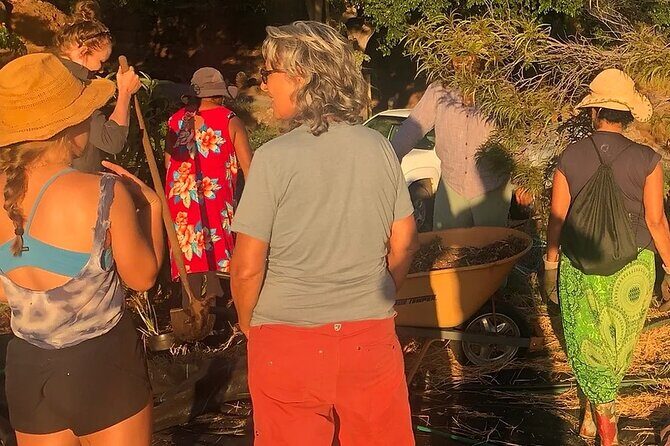
This tour caps at 8 travelers, which changes the whole feel. With fewer people, you’re more likely to hear details, ask questions, and get genuine back-and-forth instead of watching from the outside.
You also get an owner-led vibe. In real terms, that means you’re hearing from the people who manage the farm and care about how it’s evolving. Some tours feel like a script; this feels like someone is sharing what they learned the hard way and what’s working now.
The reviews you’ll see online often highlight the kindness and competence of the farm owners. Names that come up include Smita and Andre, and they’re associated with the regenerative farming explanation and the welcoming hospitality. Even if you don’t catch the name, you’ll feel the difference: this is a small operation where the guide actually knows the property.
And yes, the tour is also friendly to families. One highlight that comes up is the way children get to enjoy fruit during the experience, not just watch adults eat.






Price and value: $85 for a 2-hour farm experience that isn’t rushed
At $85 per person for about 2 hours, the price can feel like a “is this worth it?” moment. Here’s my take on the value.
First, you’re paying for more than sightseeing. You’re getting a guide, a welcome drink, ongoing fruit tastings during the walk when ripe fruit is available, and a seasonal fruit plate at the end. That’s food value built into the experience, and it’s not an afterthought.
Second, you’re paying for the structure. The tour includes both the farming education and the orchard walk, so your brain gets the context while your taste buds get the payoff.
Third, the small group size is part of the value. Big group tours often feel like you’re passing through. Here, you get time to slow down, look closely, and ask questions without feeling like you’re holding up a bus line.
If you’re comparing it to big commercial farm tours, my advice is simple: pick the one that fits your travel style. If you like intimate, food-forward, and learning-with-real-plants, this one is a strong match.
Practical tips: sun, bugs, and the “no bathroom” reality
This isn’t a problem-solving tour; it’s a farm tour. That means you’ll want to prep your body for outdoor time.
Bathrooms are not included, and in at least one period there’s been mention of renovation affecting facilities. So I’d treat bathroom access as something you should not count on during the tour. Plan accordingly.
Because it’s an outdoor orchard, you might also encounter insects. One caution that shows up is to be ready for bees and mosquitoes. Bring repellent, wear long-ish clothing if you’re prone to bites, and keep an eye on your surroundings when you’re near flowering plants.
Weather matters. The experience requires good weather. If it’s canceled due to poor weather, you’ll be offered a different date or a full refund.
Who should book this tour (and who might skip it)
I’d book this if you want a Maui experience that feels local and lived-in, not like a scripted checklist. You’re going to enjoy it most if you like fruit, want to understand regenerative farming basics, and appreciate those real-world farm details that make a visit feel grounded.
It’s also a good option for families. The tour is paced in a way that works for kids, and there’s enough fruit activity that younger travelers can stay engaged.
I’d think twice if you strongly dislike insects or you need in-tour bathroom access. Also, if you’re traveling at a time when you’re expecting guaranteed mango no matter what, keep your expectations flexible. Mango is seasonal, and the tour is honest about tasting what’s available.
Should you book the Regenerative Mango and Tropical Fruit Tour?
Yes—if you want fresh fruit tastings, ocean views, and regenerative farming explained in a way that connects to what you’re seeing. The $85 price makes sense when you factor in the guide plus multiple tastings and the end fruit plate, all with an 8-person max that keeps the experience personal.
If you’re someone who hates the outdoors in general, or you’re counting on bathroom facilities during the tour, you’ll probably feel friction. But if you can handle a short farm walk and come prepared with sunscreen and bug protection, this is the kind of West Maui stop that’s worth the slot.
FAQ
How long is the regenerative mango and tropical fruit tour?
It lasts about 2 hours (approx.).
How much does the tour cost?
The price is $85.00 per person.
Where do I meet for the tour?
You’ll meet at 15 Wailau Pl, Lahaina, HI 96761, USA, and the tour ends back at the same meeting point.
What’s included in the ticket price?
The tour includes a tour guide and snacks/fruit tastings based on what’s available. You may taste mango and other seasonal fruits, plus you’ll be served a plate of seasonal fruit at the end.
What fruit will I get to try, and is mango always available?
Mango is seasonal, generally late May to early November, and it may not always be available. The tour offers other organic tropical fruits throughout the year if mango isn’t ripe.
Are bathrooms provided?
No. Bathrooms are not included.
What happens if the weather is bad?
The experience requires good weather. If it’s canceled due to poor weather, you’ll be offered a different date or a full refund.