REVIEW · MAUI
Stargazing Tour in Kapalua
Book on Viator →Operated by Stargaze West Maui · Bookable on Viator
Maui after dark is pure science magic. This Kapalua stargazing tour puts you on a dark-sky beach with a Schmidt-Cassegrain telescope, so you look up with your own eyes and through serious optics in just about an hour, led by guide Christian.
I love the pacing: you get star and planet pointing first, then small group of up to 12 people share the telescope time. One watch-out: the Hawaiian and Polynesian side is part of the show, but if you want heavy focus on traditional navigation and deep constellation context, you may find it lighter than you hoped.
In This Review
- Key Highlights You Should Actually Care About
- West Maui’s Dark Beach: The Part That Makes This Work
- The 1-Hour Flow: What Happens After You Meet
- Telescope Views With a Schmidt-Cassegrain: What You Can Expect to See
- Learning the Sky: Planets, Clusters, Nebulae, and Myth Meets Science
- The Guide Matters: Christian’s Style and How It Helps You Follow Along
- Who This Tour Fits Best (And Who Might Want to Skip It)
- Price and Value: Is $96 for One Hour Fair?
- Practical Tips That Help You Get More From the Night
- Should You Book Stargaze West Maui in Kapalua?
- FAQ
- How long is the stargazing tour?
- How much does the tour cost?
- What does the tour include?
- What language is the tour offered in?
- Are transportation, food, and drinks included?
- Are there bathroom facilities or parking available?
- Is this tour good for beginners?
- Can I cancel if the weather looks bad?
- What about children and accessibility?
Key Highlights You Should Actually Care About
- Small group size (max 12) keeps the tour from feeling rushed or anonymous
- Schmidt-Cassegrain telescope gives clear, magnified views beyond what your eyes can do
- Naked-eye + telescope approach helps you connect what you see in the sky to what the instrument reveals
- Hawaiian celestial traditions are included for all astronomy levels, not just hardcore stargazers
- Beach seating on a large sandmat makes it easier to settle in on uneven sand and enjoy the show
West Maui’s Dark Beach: The Part That Makes This Work
The biggest reason this tour feels worth it is simple: you’re not stargazing from a hotel patio lit up by streetlights. You’ll meet at Stargaze West Maui in Kapalua and then get onto a very dark beach area for the best sky visibility.
Why that matters: stargazing is mostly about contrast. When the surrounding light is low, you can actually see more stars with your naked eyes, and the telescope views feel more dramatic because your brain already knows where to look. That also helps the guide teach faster—if you can find the target constellation, the science clicks sooner.
One more practical point: you’re sitting on the beach. The tour includes a large sandmat for seating, which is a real upgrade over trying to balance on a towel. The goal here is comfort long enough to actually enjoy the sky, not just survive the first ten minutes.
You can also read our reviews of more tours and experiences in Maui.



The 1-Hour Flow: What Happens After You Meet
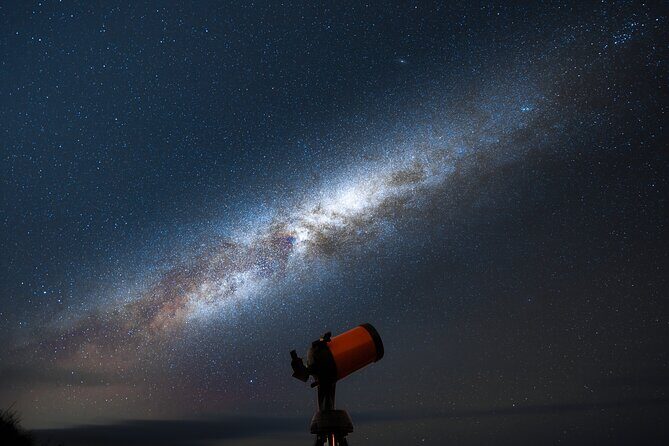
This is an about 1-hour experience, and the timing is tight by design. The tour format is basically two modes working together:
1) Naked-eye sky time
You’ll learn what to look for without the telescope. That matters because the night sky is a whole system, not just one planet. You’ll also use the guide’s pointing cues so you can follow along even if you’re brand-new.
2) Telescope time with a Schmidt-Cassegrain
Then you’ll shift to the telescope for magnified views. The group is small, but the telescope still can’t show every person everything at once, so telescope time is naturally limited.
Even in a one-hour tour, this structure is smart. You get the fun first (finding stars and seeing visible highlights), and then you get the “wow” through the optics. The best stargazing tours help you understand what you’re looking at, not just show you something once and move on.
Telescope Views With a Schmidt-Cassegrain: What You Can Expect to See
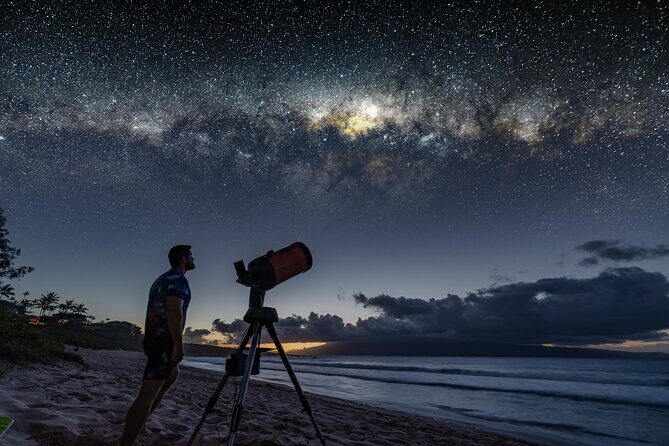
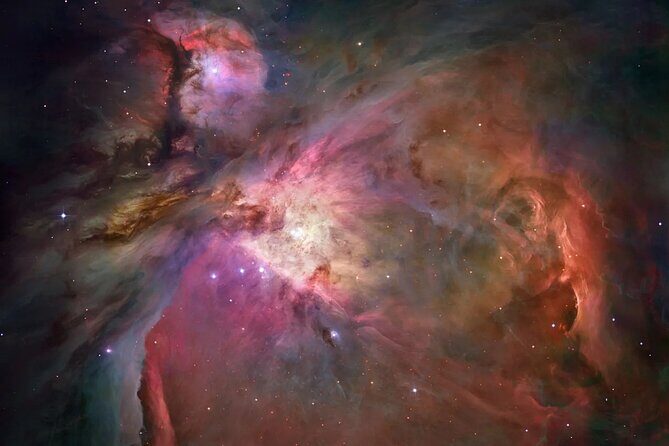
The star of the show is the Schmidt-Cassegrain telescope. This is not a toy scope. You’ll be able to observe celestial objects that are hard (or impossible) to fully appreciate with bare eyes.
From the experience details and what people describe, the telescope viewing commonly includes:
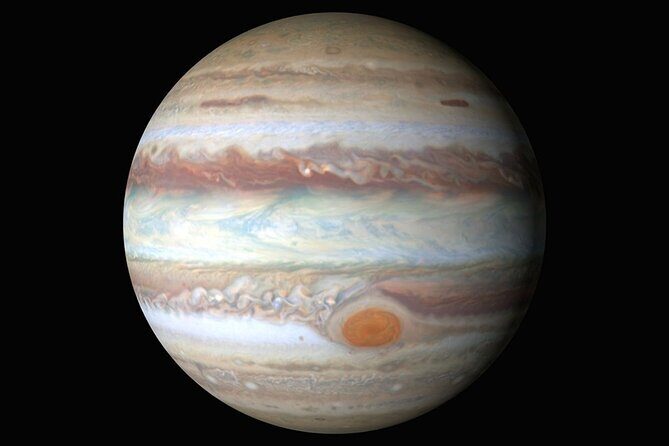
- Planets (Saturn is specifically mentioned, including the rings)
- Stars
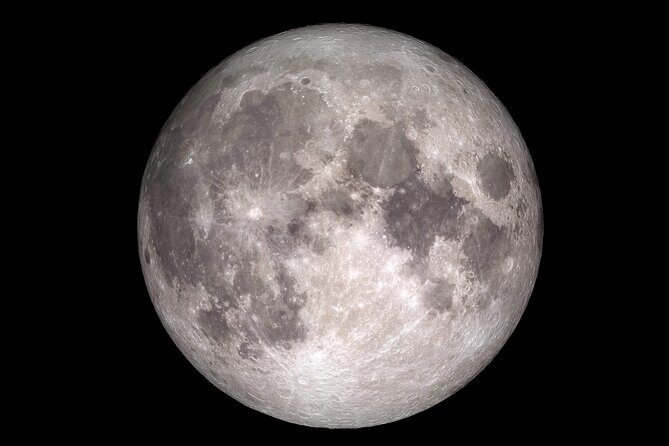
- The moon
A key nuance: the telescope view is only part of the value. The guide also explains what you’re seeing and why it looks that way. That’s where the “science behind celestial objects” becomes more than a slogan.
Also, pay attention to the group-size effect. With a maximum of 12 travelers, you’ll still share time at the telescope, so you may not spend long eye-to-eyepiece. If you’re the type who wants to stare through the scope for ages, this tour may feel short. If you like learning plus a few memorable telescope moments, it fits well.
Learning the Sky: Planets, Clusters, Nebulae, and Myth Meets Science

The tour doesn’t just point upward and stop. It’s built to cover both the “what” and the “why.” You can expect discussion of:
- planets, stars
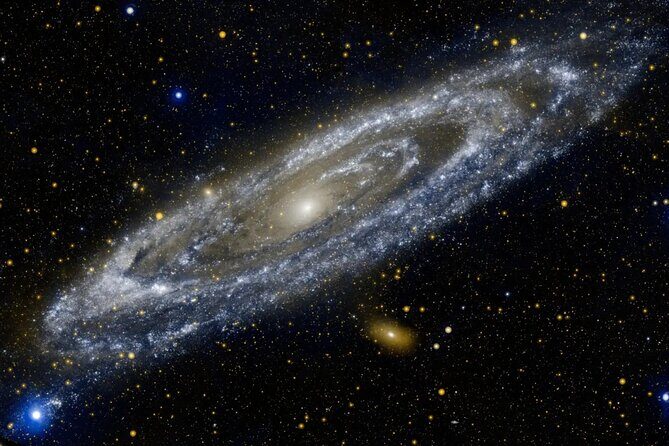
- star clusters, nebulae, galaxies
- and the history and mythology connected to the night sky
Here’s the best way to think about it: you’re learning a map. The guide helps you connect the shapes and bright points you see to the actual categories of objects astronomers use.
The Hawaiian and Polynesian portion is also included, and it’s aimed to work at all astronomy knowledge levels. That matters because you don’t need to already know constellations or navigation techniques to enjoy it.
One balance note: at least one person felt the cultural content could be deeper, especially around traditional navigation and constellations. So if cultural storytelling is your top priority, consider that this tour is still centered on stargazing and telescope viewing, with culture as an important part—not the only part.
The Guide Matters: Christian’s Style and How It Helps You Follow Along
One name shows up again and again: Christian. The vibe described is that he’s able to teach without turning the night into a lecture.
What you’ll appreciate is the combination of clarity and engagement:
- Clear pointing so you can find the right part of the sky
- Explanations tied directly to what you’re seeing
- Fun storytelling that stays connected to the objects overhead
In at least one account, a laser pointer is used to point out constellations and help everyone track targets up in the sky. That little tool makes a big difference. When you can visually anchor what the guide is saying, you stop guessing and start seeing.






Who This Tour Fits Best (And Who Might Want to Skip It)
This is built for people who enjoy an evening activity that blends learning with a quick dose of wonder.
You’ll likely enjoy it if:
- You want a 1-hour night plan on West Maui
- You want both naked-eye and telescope viewing
- You like astronomy basics plus sky stories
- You appreciate a small group setting
You should think twice if:
- You have walking limitations. The experience is not accessible for people who can’t traverse uneven stairs with limited lighting (example given includes knee surgeries or injuries).
- You’re bringing a child under 6, since children under 6 are not allowed.
- You want long telescope-only time. The tour is short, and telescope time is shared.
Also, plan your body comfort. You’ll be on a beach with dim light. The tour notes a moderate physical fitness level, which sounds about right for moving safely between spots.
Service animals are allowed, which is good to know for accessibility needs.
Price and Value: Is $96 for One Hour Fair?
At $96 per person, you’re paying for three things at once:
- A guide who can translate the sky into something you can actually recognize
- Access to a real telescope (not just “look up”)
- A low-light setting on the West Maui side, plus included sandmat seating
What makes the value feel solid is that the tour is small and equipment-based. If you tried to do this on your own, you’d still face the same problems: where to go for darkness, how to find targets, and what to do once you’re there.
Is it expensive? Compared to a basic walking tour, yes. Compared to the cost of hiring an astronomy specialist or paying for telescope access elsewhere, it often lands in the reasonable zone—especially because you’re getting guided learning, not just a device rental.
The main reason value might feel weaker: if clouds reduce visibility, your experience could shift toward what you can still see without dramatic telescope moments. This tour requires good weather, and the guide may need to adjust on the spot.
Practical Tips That Help You Get More From the Night
These aren’t wild guesses; they’re the kinds of practical details that make a short stargazing tour smoother.
- Bring your own inclement weather gear if you have it. The tour does not include it, and stargazing stops being fun fast if you’re cold or wet.
- Consider food and drink timing. They’re not included, so eat before you go.
- Bathrooms aren’t provided. Plan ahead so you don’t have to leave once the sky show starts.
- Expect a mobile ticket. Have it ready on your phone when you arrive.
- Dress for the beach. Even on Maui, nights can feel cooler once you stop moving.
- Wear shoes you can trust on uneven ground with low light.
One more smart move: keep your expectations flexible. The sky is weather-dependent. If conditions are average, you may still enjoy a lot, but the “Saturn rings” style highlights might depend on how crisp the view is that night.
Should You Book Stargaze West Maui in Kapalua?
I’d book this if you want a fun, focused night that turns the night sky into something you can actually recognize—fast. The small group size, the Schmidt-Cassegrain telescope, and the mix of planets/moon plus guided sky explanation are exactly what you want from a short stargazing tour.
I’d think twice if your top goal is maximum cultural depth or long telescope time. This experience blends science and Hawaiian celestial traditions, but it’s still built around an hour of guided stargazing, so the cultural portion may not satisfy someone looking for a deep, navigation-heavy lecture.
If you’re a first-timer to astronomy or you just want an excellent West Maui evening that feels calm and real, this is a strong choice.
FAQ
How long is the stargazing tour?
It runs for about 1 hour.
How much does the tour cost?
The price is $96.00 per person.
What does the tour include?
You get telescope views, a guide who explains the cosmos, and a large sandmat for seating.
What language is the tour offered in?
The tour is offered in English.
Are transportation, food, and drinks included?
No. Transportation to the starting location, food, and drink are not included.
Are there bathroom facilities or parking available?
Public bathrooms are not included, and a paid parking fee may apply.
Is this tour good for beginners?
Yes. It’s suitable for all astronomy knowledge levels.
Can I cancel if the weather looks bad?
You can cancel for a full refund up to 24 hours before the experience starts. The tour requires good weather, and if it’s canceled due to poor weather, you’ll be offered a different date or a full refund.
What about children and accessibility?
Children under 6 are not allowed. The tour is not accessible for people with walking limitations such as knee surgeries or injuries that may prevent traversing uneven stairs with limited lighting.