REVIEW · MAUI
Polynesian Wood Carving on Maui
Book on Viator →Operated by Oni Foundation Inc - Wonderful World of Aloha Cultural Activity Center · Bookable on Viator
Wood carving starts with a story. I love the culture-first galleries and the chance to try carving with tools and wood provided. The one thing to keep in mind is that it’s only about an hour, so it’s more demo plus hands-on practice than a long, take-home workshop.
Plan to arrive early for check-in and a slow walk through the three galleries of costume-and-culture exhibits. It’s a smart warm-up, because it gives you the context for what the carver is explaining next.
At 1:00 pm, you’ll shift from exhibits to Talk Story with the expert wood carver. The best part: it’s designed for all ages and beginners, so you don’t need any carving background to participate.
In This Review
- Quick hits on Polynesian wood carving on Maui
- Queen Ka’ahumanu Center exhibits: context before the first cut
- Meet the craft: tools, methods, and how symbols get explained
- The hands-on carving moment: beginner-friendly practice
- What makes it a good family activity (even with different ages)
- Price and value: $25 for craft, context, and your own attempt
- Timing and logistics: how to make it smooth in Kahului
- Should you book Polynesian wood carving on Maui?
- FAQ
- Where does the Polynesian wood carving experience start?
- What time does the experience begin?
- How long is the experience?
- How much does it cost?
- Is a guide included, and what language is it in?
- Can I try carving myself?
- Is it suitable for children and older adults?
- What is the cancellation policy?
Quick hits on Polynesian wood carving on Maui
- Three galleries before the carving help you connect symbols and stories to Hawaiian life over centuries
- Talk Story at 1:00 pm keeps the craft grounded in meaning, not just technique
- Watch the carver create from start to finish, then learn how the process works
- You get to try carving yourself, with tools and wood included
- Small group size, up to 25 travelers, makes it feel personal
- English-language experience at the Oni Foundation cultural activity center in Kahului
Queen Ka’ahumanu Center exhibits: context before the first cut
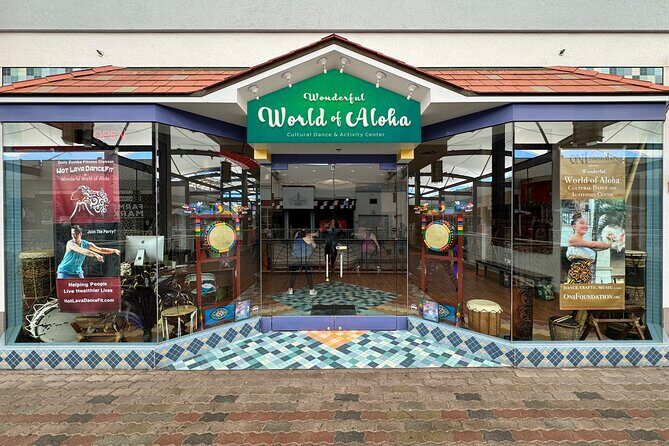
This activity is built like a mini cultural lesson with a hands-on payoff. You start at the Oni Foundation Inc – Wonderful World of Aloha Cultural Activity Center at 275 W Kaahumanu Ave, Kahului, and you’ll want to show up before the 1:00 pm start. That extra time matters, because you’re not thrown directly into carving. You ease in.
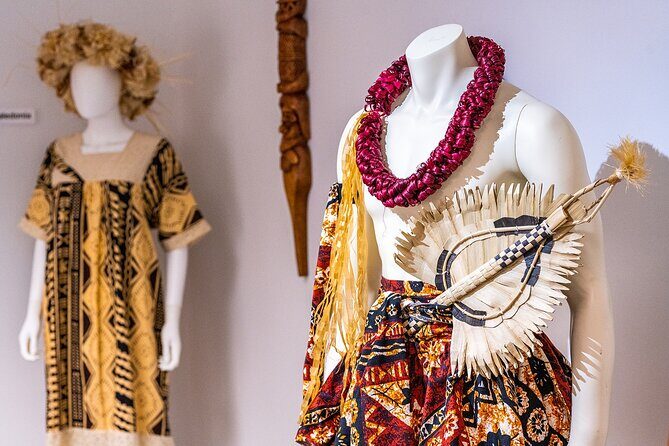
Before Talk Story begins, you can browse three galleries of cultural costume exhibits. The displays cover the migrations to Hawai’i over the centuries and how those different cultures shaped local dance, art, and everyday Hawaiian life. Instead of seeing wood carving as random decoration, you see it as part of a bigger cultural system—where movement, dress, and symbolism are connected.
One of the clever things here is pacing. These galleries give your brain something to hold onto while the carver later talks about tradition and symbology. If you tend to forget everything once you’re in a room with sawdust and excitement, you’ll still have the context you picked up during those early minutes.
There’s also a practical side: galleries are a great option if you’re traveling with mixed ages. Kids don’t have to wait around for the carving demo to begin, and adults can read without feeling like they’re stuck in a museum for hours. The whole experience stays friendly and fast-moving.
You can also read our reviews of more tours and experiences in Maui.


Meet the craft: tools, methods, and how symbols get explained
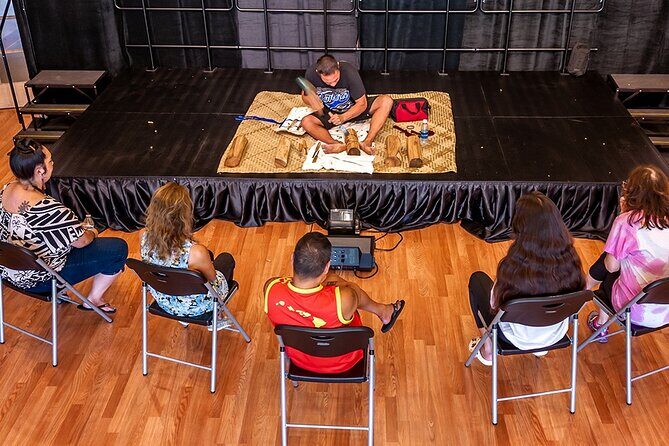
At 1:00 pm, the program shifts into Talk Story with the center’s expert wood carver. This is where the experience turns from exhibits to an actual craft process you can follow.
The carver explains the tools and methods used for the craft, along with his approach to the ancient tradition. You’re not just watching someone do a skill—you’re hearing how he thinks about the work. That matters because Polynesian carving isn’t only about shaping wood. It’s also about meaning: tradition, family learning, and what symbols communicate.
As the demonstration runs, you’ll watch the carver create a carving from start to finish. That gives you a full mental model of what happens between the start and the final form: planning, shaping, refining, and how the carving evolves as the details come forward. For many people, the most surprising part of watching a full process is realizing how much thinking goes into each step, not just the physical work.
He also shares the history, tradition, and symbology of Polynesian carving, plus his own family’s generations of carving. That family piece is more than a sweet story detail. It helps explain why the craft is treated like knowledge, not just a hobby. When someone has learned through generations, the technique and the meaning tend to travel together.
From a visitor perspective, this is one of those experiences where you leave with a better understanding of the why. You’ll be able to look at a carved motif and think beyond decoration—toward tradition and story.
The hands-on carving moment: beginner-friendly practice
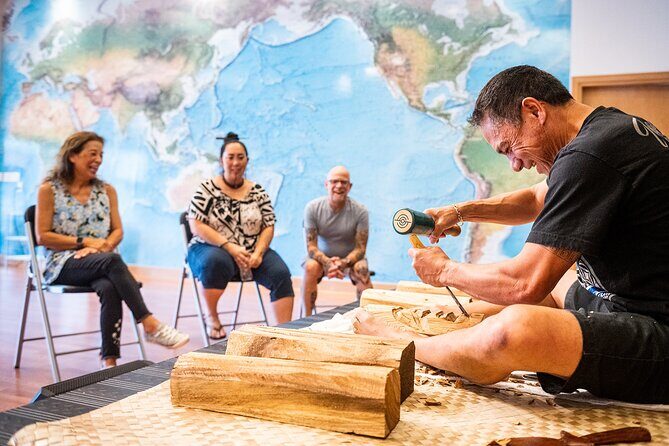
After the demonstration portion, you get your turn. This is a big part of why the $25 price makes sense—your money isn’t just paying for watching. It includes the part where you actually touch the process.
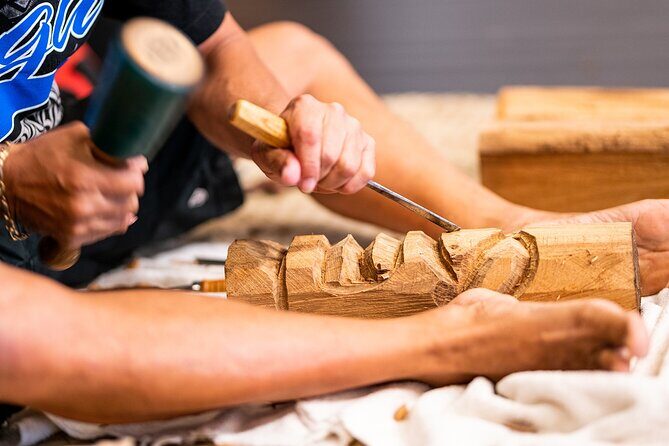
You’ll have tools and wood provided, so you’re not scrambling for supplies or guessing what to buy in a souvenir shop. And the program is built so you can participate with no experience necessary. That’s important on Maui, where it’s easy to book activities that quietly assume you already know what you’re doing.
In practical terms, here’s how to get the most out of the hands-on time:
- Pay attention during the demonstration, especially to how the carver sets up the next stage.
- When it’s your turn, focus on one small goal at a time instead of trying to copy the final design perfectly.
- Ask questions if something feels unclear—this kind of craft works best when you understand the reasoning, not just the motion.
One caution: this is about practice and learning the basics, not a multi-hour workshop. Since the whole experience is about one hour, don’t treat it like a long session where you can master every technique or produce a highly detailed result. If you’re hoping to walk out with something very specific, you’ll likely want to confirm what’s possible for your carving time during the program.
What makes it a good family activity (even with different ages)
This is an all-ages experience, and the structure helps it work across age groups.
The first segment—three galleries—gives everyone something to do that’s not physically demanding. Younger kids can enjoy the costumes and visuals. Older kids and adults can read and connect the influence of migrations to the craft and the motifs.
Then Talk Story starts. This is storytelling mixed with practical instruction. The vibe here is less formal classroom and more conversation with a skilled maker—exactly the kind of format that keeps kids from getting bored while still giving adults substance.
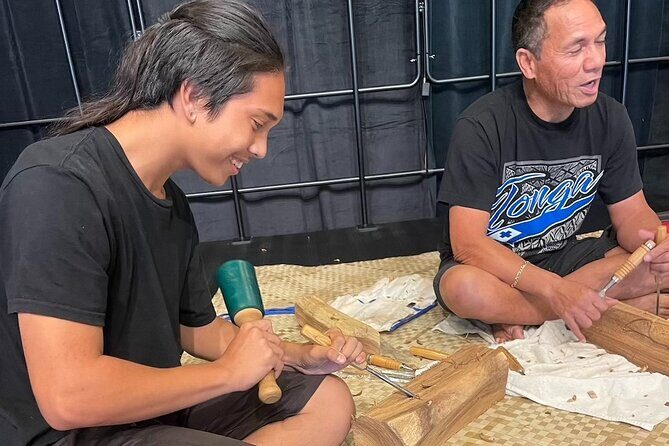
Finally, the hands-on carving portion gives a shared activity. Different skill levels can still participate because the program supplies tools and wood and removes the need for prior experience. Even if your carving looks imperfect (it will), you’re still doing the real work: learning by making.
A small group size, up to 25 travelers, also helps. In a big crowd, demos can feel like you’re behind glass. Here, you’re more likely to stay connected to what’s happening.
Price and value: $25 for craft, context, and your own attempt
At $25 per person for about one hour, you’re paying for three things: a craft demonstration, cultural context, and the hands-on practice where tools and wood are included.
Here’s the value logic. Many activities in Maui offer a show with no participation, or they offer a class where you still have to buy materials separately. This one includes the basic supplies you need for the try-it-yourself part. That alone keeps the cost from creeping upward.
You’re also getting context that most carving purchases don’t include. If you’re the kind of traveler who likes to understand what you’re seeing, the galleries and Talk Story make your souvenir instinct smarter. Instead of buying a carved item just because it looks nice, you’ll have a clearer idea of what traditions and symbology go into it.
And while $25 isn’t a splurge, the experience doesn’t feel like a rushed stop. The pacing—galleries first, carving talk next, then hands-on—keeps you engaged. It also helps justify booking rather than just dropping by a shop. You get instruction and narrative, not just an object.
One more practical angle: the program is in English, and the tickets are mobile, which makes it easier to manage on a vacation where your schedule is already full.






Timing and logistics: how to make it smooth in Kahului
This activity starts at 1:00 pm at the center in Kahului. The key move is arriving early enough to check in and walk through the galleries. If you show up at the last minute, you’ll miss the context that makes the carving talk much more meaningful.
The venue is also described as near public transportation, which is useful if you’re not driving or you’re trying to reduce the number of rentals or detours. Still, most people will find it easiest to plan a simple, direct afternoon around Kahului.
The group size limit—maximum 25 travelers—also affects your experience. If you like interaction, this size tends to feel manageable. You won’t spend the whole time craning your neck or waiting for someone to stop talking so you can see.
Lastly, because this is a craft experience, it helps to keep the rest of your day flexible. You’ll want a little time to reset afterward, even if the demo is short.
Should you book Polynesian wood carving on Maui?
If you want a cultural activity that mixes meaning with making, this is a strong choice. It’s especially good if:
- you enjoy hands-on learning without needing prior experience
- you like to understand symbols and tradition behind what you see
- you’re traveling with a mix of ages and need something that works for everyone
- you prefer smaller, more conversational group settings (up to 25 people)
Skip it if you’re looking for a long, detailed carving course or a full-day art workshop. At about an hour, the emphasis is on story, technique overview, and a first try—not on deep mastery.
My practical take: if you’re already in Kahului around the afternoon, this is one of those $25 experiences that feels like it earns its price. You leave with both understanding and the satisfaction of making something with your own hands.
FAQ
Where does the Polynesian wood carving experience start?
It starts at Oni Foundation Inc – Wonderful World of Aloha Cultural Activity Center, 275 W Kaahumanu Ave, Kahului, HI 96732, USA.
What time does the experience begin?
The start time is 1:00 pm.
How long is the experience?
It lasts approximately 1 hour.
How much does it cost?
The price is $25.00 per person.
Is a guide included, and what language is it in?
Yes. A local guide is included, and the experience is offered in English.
Can I try carving myself?
Yes. You’ll have a chance to try it yourself, with tools and wood provided. No experience is necessary.
Is it suitable for children and older adults?
Yes. It’s an all-ages experience, suitable for the whole family.
What is the cancellation policy?
You can cancel up to 24 hours in advance for a full refund. If you cancel less than 24 hours before the experience’s start time, the amount paid is not refunded.