REVIEW · MAUI
Semi-Private Surf Lesson at Ka’anapali Beach
Book on Viator →Operated by Island Style Adventures - Maui Surf School Kaanapali · Bookable on Viator
Learning to surf on Maui feels like a vacation cheat code. At Ka’anapali Beach, you get a structured start on land and then real wave time, plus a semi-private setup that keeps the coaching practical. I especially like the mix of safety talk up front and the way instructors help you get comfortable fast, even when the ocean has other plans. The main thing to watch: not every shoreline is equally forgiving, and a shallow, coral-y bottom can mean more scrapes if you fall a lot.
Check-in starts early—30 minutes before—and the lesson follows a simple rhythm: a land/safety session first, then a chunk of time in the water. You’ll also have a staff photographer along for the full lesson, so you’re not just learning—you’re capturing the moment if you want the photos afterward.
In This Review
- Key things I’d plan around
- Ka’anapali Beach: why this Maui spot fits a first lesson
- The 30-minute land and safety lesson that actually matters
- Semi-private coaching: how you get wave time without the crowd pressure
- Gear you don’t have to buy: rash guard, water shoes, surfboard
- The wave session: what you’re doing during that time in the ocean
- Photo service during the lesson: the souvenir question
- Parking and meeting point: make this easy on yourself
- Value vs. time: is 1.5 hours enough for real learning?
- Who should book this semi-private Ka’anapali lesson?
- Should you book? My practical decision guide
- FAQ
- What’s the lesson structure?
- How long is the surf lesson?
- What should I wear or bring?
- Is this a private lesson?
- Do I get any photos?
- Where do we meet?
- Is there parking validation?
- What if the weather is bad?
- Is there a fitness requirement?
Key things I’d plan around
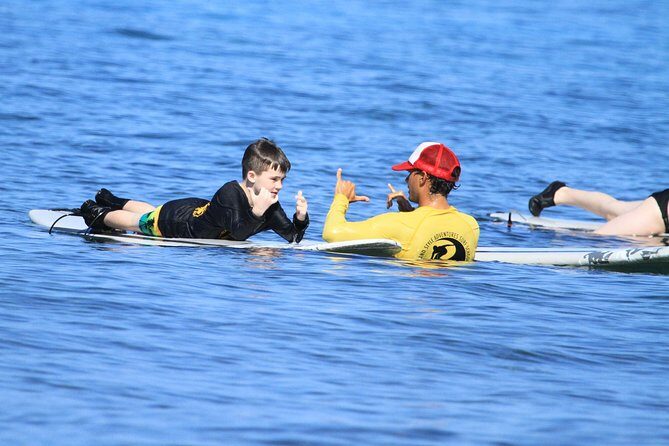
- 30-minute land session first: safety, pacing, and what to do once you’re in the lineup
- Semi-private, smaller group energy: you’re not stuck watching others or waiting your turn
- Gear included: rash guard, water shoes, and a surfboard for the session
- Optional photo souvenir: a photographer follows along the whole time
- Ka’anapali convenience: easy access from the resort area around Kaanapali Alii Resort
Ka’anapali Beach: why this Maui spot fits a first lesson
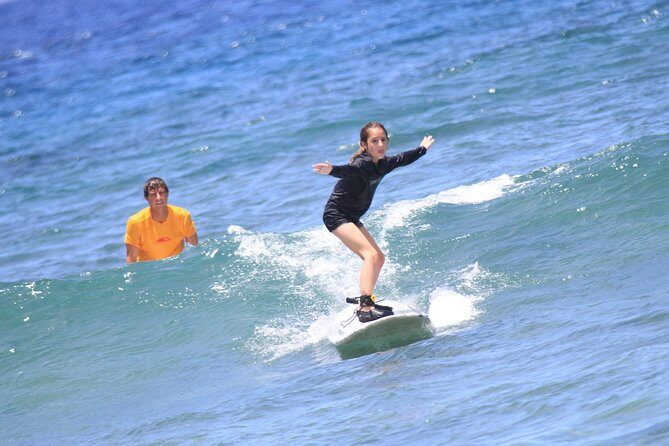
Ka’anapali is one of those Maui beaches that feels made for visitors. It’s famous, easy to find, and close to resorts, so you’re not spending your lesson hunting for the perfect beach access point. For learning, the big win is that you can expect to get into the water without a long logistics headache.
That said, ocean conditions can swing. Even within the same coastline, you might find spots that feel easier than others when you’re paddling back in or when you’re getting up and down off the board. One strong piece of advice: treat your first lesson as a skills session, not a performance. If you approach it that way, the waves become learning tools instead of stress tests.
You can also read our reviews of more private tours in Maui


The 30-minute land and safety lesson that actually matters
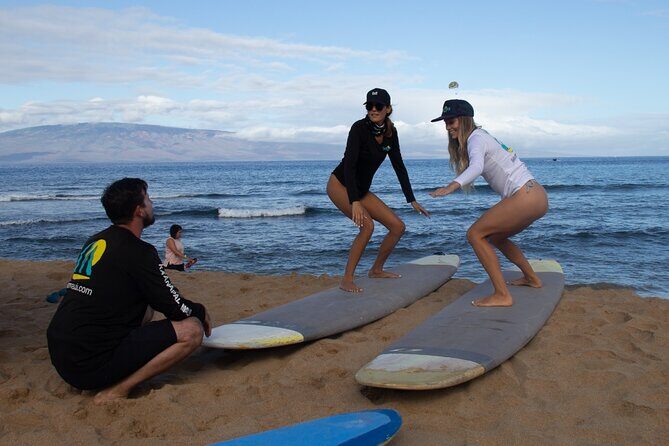
This surf lesson begins with a land/safety session before you touch the water. Plan for a full 30 minutes on land where the focus is on staying safe and understanding what to do—fast—once you’re out there.
Here’s why I like this format for beginners: you learn the rules of the water before you’re tired, cold, and distracted by trying not to faceplant. You get coached on the basics of how to handle the board, how to move with control, and what to watch for as conditions change.
You may also see instructors with backgrounds across water sports, so you’ll often get practical ocean sense, not just surf talk. Depending on the day, you could be teaching with instructors such as Nick, Carlos, Nic, Andy, Christian, or Peter—names that show up in past lessons. In practice, it tends to mean clear instruction and patience, which is huge when your nervous system is screaming and your feet are confused.
Semi-private coaching: how you get wave time without the crowd pressure
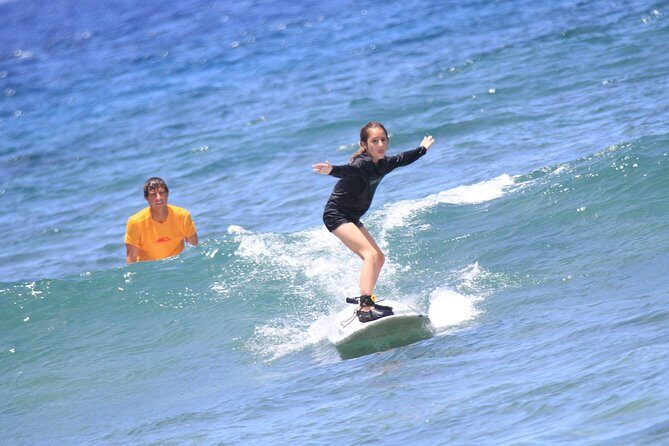
This is capped at 15 travelers, but that number doesn’t automatically tell you how personal it will feel. What matters is that it’s run as a semi-private lesson style, where you’re more likely to be coached in smaller pockets rather than as one big class.
In real terms, that can mean:
- More chances to try (and retry) instead of long waits
- More instructor attention when you’re struggling with a specific step
- More encouragement when you finally get a clean ride
In multiple lessons, people described getting up and catching several long rides, especially when instructors split the group and focused on technique moments. One family even noted having three instructors for a group of five, which is the kind of ratio that helps beginners improve quickly.
One important consideration: semi-private is not the same as private 1:1 coaching. You’ll still share attention with others, and the ocean will still have its own agenda. If you want guaranteed extra time correcting every tiny detail, you may want to consider booking a more exclusive format—but if you’re happy learning at your own pace in a small group, this works well.
Gear you don’t have to buy: rash guard, water shoes, surfboard
To keep the lesson approachable, you get key gear included:
- Rash guard
- Water shoes
- Surfboard
This matters more than it sounds. Rash guards help with friction when you’re up and down on the board. Water shoes can help with grip and foot protection—especially helpful if your board time involves lots of falls or if you’re negotiating a rougher shoreline.
Still, there’s a reality check worth saying out loud. One disappointed review described more coral and shallower water at this location compared with other Maui surf areas, leading to more scrapes from falls. That doesn’t mean you’ll get injured every time. It does mean you should treat water shoes as non-optional and take falling seriously. If you’re prone to getting bruised or scraped easily, come prepared mentally and physically for a few wipes before you nail the timing.
The wave session: what you’re doing during that time in the ocean
After the land lesson, you move into the water for the bulk of the session. The exact timing can vary slightly day to day, but the flow is consistent: you get guidance, you enter the surf zone, and you cycle through attempts as instructors watch and adjust.
Here’s what usually goes well:
- Beginners often start by learning how to position themselves on the board
- Then you work toward catching waves and standing up
- Instructors encourage both small wave rides and bigger attempts when you’re ready
One review mentioned that the waves were a bit large for total beginners, and the team offered a way to reschedule. That’s the kind of flexibility worth noting: if conditions are rough for your comfort level, the lesson doesn’t always force you to fight for the hardest waves. You may get options depending on what you can handle that day.
Also, your success depends partly on energy and paddling. If you’re out there trying to fight currents while also trying to remember every cue from the land lesson, it’s easy to feel overwhelmed. The semi-private structure helps because instructors can focus on what will make the biggest difference for you in that moment.
You can also read our reviews of more tours and experiences in Maui

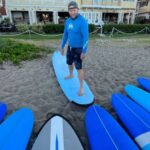
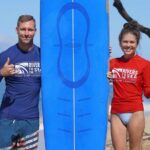

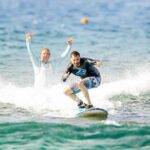
Photo service during the lesson: the souvenir question
A staff photographer is there for the entire lesson. Photos are optional, with purchase offered at the end.
I like this setup because you don’t have to think about capturing your own shots while you’re learning. And if you do buy photos, it’s a nice way to turn a tricky day into a lasting memory. Past families described the photos as a highlight—especially when kids finally caught a ride and you don’t want to miss the proof.
Two photographer names that come up in the experience are Josefina and Kelly. If you’re camera-shy, you can still keep it low-key. The photographer is working for your session, not staging anything weird. It’s mostly about documenting what actually happened.
Parking and meeting point: make this easy on yourself
Meet-up is at Kaanapali Alii Resort, 50 Nohea Kai Dr, Lahaina, HI 96761. You’ll come back there at the end too, so there’s no complicated end-of-tour transfer.
The practical move: arrive 30 minutes early. A recurring piece of advice is that early arrival makes everything calmer—parking, finding the meeting area, and getting ready before the safety session begins.
Parking is handled with parking validation for up to 3 hours, which is helpful if you’re driving yourself or have a rental car. One family even said they found free beach access parking nearby, but I’d still plan to use the provided validation path first so you’re not stress-searching right before you’re supposed to be in the lineup.
Value vs. time: is 1.5 hours enough for real learning?
The lesson duration is listed at about 1 hour 30 minutes. In surf learning, time matters because you need repeated attempts. The good news is the structure is designed to pack instruction and wave time into that window, not waste it with endless waiting.
Where value can get tricky: one negative review felt the lesson was expensive for the length, especially when their kids wanted more coaching while in the water. That tells me the “value” piece depends on what you want from the session:
- If you want a fun first surf attempt with solid basics, this duration often feels right.
- If you want intense technique breakdown every minute, you might feel the limited time—especially in rough surf.
The best compromise is to go in with a beginner mindset. Focus on getting comfortable, catching a wave or two (even if they’re small), and learning the sequence. If you do that, the shorter time can be a strength instead of a weakness.
Who should book this semi-private Ka’anapali lesson?
This is a strong fit for:
- Families with kids and teens who want a safe, coached intro
- First-timers who don’t want to be lost in a big crowd
- People who appreciate a safety-first start and patient instruction
You’ll often see ages like 10 to 16 in the family groups, and multiple reviews stress that instructors were patient and helpful with nervous riders. One parent noted that an instructor helped calm a nervous 10-year-old and got her out into the surf. That’s exactly the type of coaching you want for your first day in the ocean.
You should be ready for moderate physical effort. You don’t need to be an athlete, but paddling, getting up, and handling wipeouts takes effort—especially if you’re still building confidence.
If you’re very sensitive to stinging scrapes from falls or you get discouraged easily when things feel hard at first, consider choosing lesson times when conditions are most comfortable for beginners. The lesson includes safety coaching, but you still have to work with ocean physics.
Should you book? My practical decision guide
Book this Ka’anapali surf lesson if you want an efficient, guided Maui surf intro with included gear, a land-first safety start, and small-group coaching that makes it easier to catch waves. The high recommendation rate and strong ratings suggest most people leave happy, especially when their instructors are patient and focused.
Think twice or ask more questions before booking if you’re worried about:
- Shallow, coral-heavy shore conditions where falls can mean more scrapes
- Wanting deeper in-water technique coaching beyond basic cues
- Being very unhappy if conditions are bigger or harder than expected
If your goal is a real first attempt in Maui with a team that keeps things organized and supportive, this one makes sense. If your goal is a super-technical, ultra-long coaching session where every second is spent perfecting stance and turns, you may want a longer or more exclusive surf format.
FAQ
What’s the lesson structure?
You’ll check in about 30 minutes before the lesson. The session starts with a land lesson and safety briefing, then you spend time surfing in the water.
How long is the surf lesson?
The experience is listed at about 1 hour 30 minutes total.
What should I wear or bring?
The lesson includes a rash guard, water shoes, and a surfboard. Plan to wear swimwear under your rash guard and come ready for time in the ocean.
Is this a private lesson?
It’s described as a semi-private surf lesson, with a small-group format and a maximum group size of 15 travelers.
Do I get any photos?
Yes. A staff photographer takes photos during the lesson, and you can choose to purchase them at the end.
Where do we meet?
The meeting point is Kaanapali Alii Resort, 50 Nohea Kai Dr, Lahaina, HI 96761.
Is there parking validation?
Yes. Parking validation is included for up to 3 hours.
What if the weather is bad?
The experience requires good weather. If it’s canceled due to poor weather, you’ll be offered a different date or a full refund.
Is there a fitness requirement?
The tour notes that travelers should have a moderate physical fitness level.