REVIEW · MAUI
Hike Honolua Ridgeline
Book on Viator →Operated by HeleWai Eco Tours · Bookable on Viator
That ridge trail teaches Maui water secrets. The Honolua Ridgeline hike near the Pu’u Kukui Watershed Preserve turns a short outing into a front-row seat for how conservation connects to everyday life—especially water. I love the 2-mile walk that feels gentle but still delivers real ridgeline views, and I love how guides like Jason and Yancy make native ecology make sense fast. One thing to plan for: a few sections can be slippery, so good shoes matter.
You’ll follow a shaded canopy along the valley ridgeline while your guide explains what a conservation team actually does. Expect an educational, family-friendly pace, plus a small end-of-hike bite of Maui Gold pineapple for the finish.
In This Review
- Key Things I’d Plan Around
- Honolua Ridgeline: A 2-Mile Hike That Feels Like a Lesson in Real Life
- Pu’u Kukui Watershed Preserve: Why Water Is the Main Character in Maui
- The Trail Experience: Shade, Lookouts, and the Native Forest Reality Check
- Guides Make the Difference: Jason, Yancy, and Kevin’s Plant-and-Water Storytelling
- Pace, Fitness, and What the Walking Sticks Really Help With
- Pineapple at the End: A Small Snack, a Big Expectation Gap
- Logistics That Affect Your Day (Without Making It Complicated)
- Value: What You’re Really Paying For
- Should You Book the Honolua Ridgeline Hike?
- FAQ
- Where does the Honolua Ridgeline hike start?
- How long is the hike?
- How far is the hike?
- What fitness level do I need?
- Is this tour offered in English?
- What is the cancellation policy?
Key Things I’d Plan Around
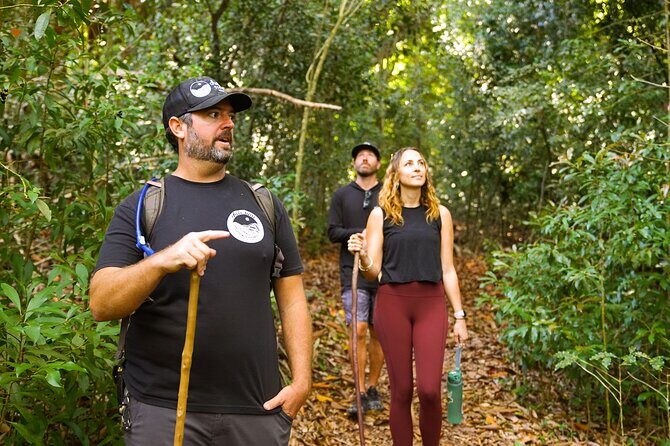
- Shaded ridgeline route for a short, high-reward hike along the valley top
- Private conservation lands near Pu’u Kukui instead of just a standard public trail
- Guides who turn plants and water into an easy story (Jason, Yancy, and Kevin come up often)
- Walking sticks and uneven footing help on mild-to-moderate terrain
- Maui Gold pineapple at the end as a light snack moment after you hike
Honolua Ridgeline: A 2-Mile Hike That Feels Like a Lesson in Real Life
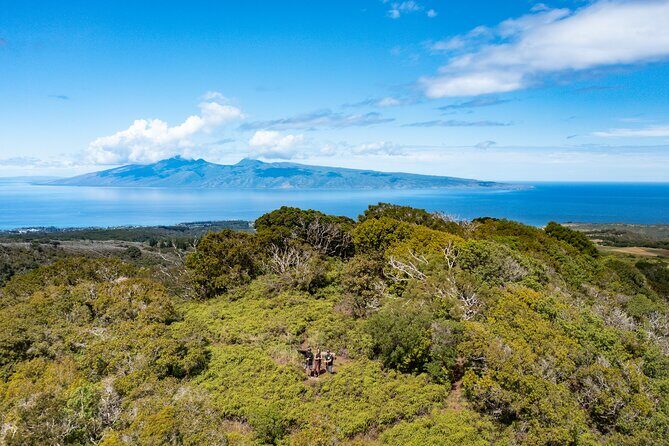
If you want Maui ecology without a long slog, this is the kind of hike that makes sense. It’s short—about 2 miles / 3.2 kilometers—and designed for people who want a meaningful experience without needing to be an endurance athlete. The route runs beneath a canopy of shade, so it’s not just about views. It’s also about learning what’s happening right there in the forest and why it matters.
What makes this one stand out is the focus on conservation as a living, active effort. You’re not just looking at scenery. You’re walking through private conservation lands near the Pu’u Kukui Watershed Preserve and learning how the watershed and native ecosystem connect to Hawaii’s water. That’s a story most people only hear about in vague terms. Here, it gets explained in plain language while you’re on the trail.
The pace is also practical. Even people who hike less tend to handle it well because the time on your feet is managed, and your guide keeps the group together. The maximum group size is 12, which matters more than you’d think on a botany-focused walk. With fewer people, you get more conversation time and more chances to ask questions.
You can also read our reviews of more hiking tours in Maui



Pu’u Kukui Watershed Preserve: Why Water Is the Main Character in Maui
Maui’s water story is easy to ignore when you’re focused on the ocean. This hike keeps bringing you back to it. The key theme is the sacred connection between water and the land—how healthy ecosystems help protect water resources, and how conservation work aims to keep those systems functioning.
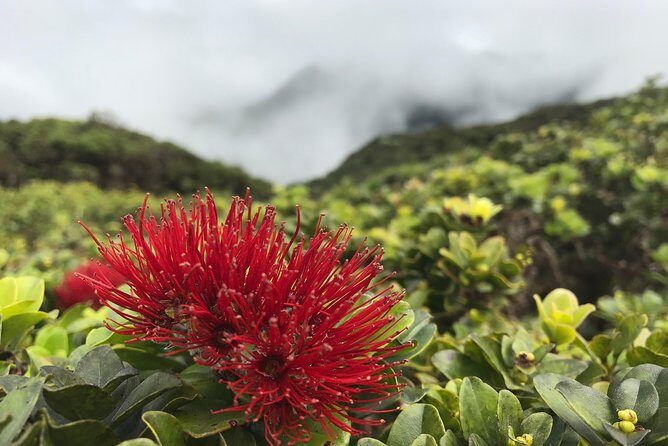
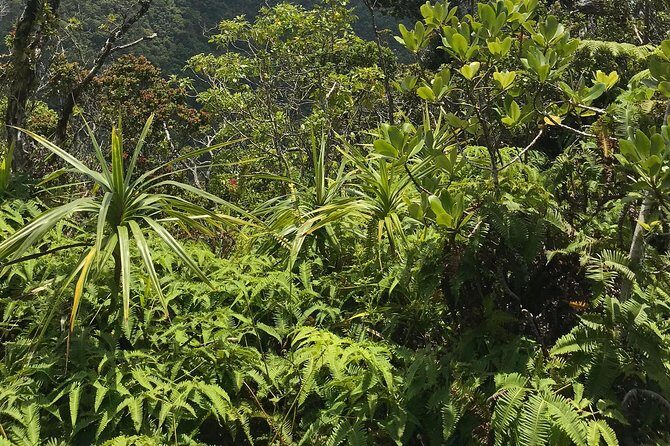
As you move along the ridgeline, your guide frames what you’re seeing in terms of conservation priorities. You’ll hear about the native ecosystem’s thriving life, and you’ll also learn how conservation teams respond to challenges that can affect plants and habitat over time. In the forest setting, that sounds abstract until you’re standing on the trail and your guide points out what’s native, what’s invasive, and why that balance matters.
This is also why the tour feels more valuable than a simple walk. You’re not paying to walk a path. You’re paying to understand the place you’re walking through—especially the watershed angle that ties Maui’s ecosystems to water you rely on daily, even if you never think about it.
The Trail Experience: Shade, Lookouts, and the Native Forest Reality Check
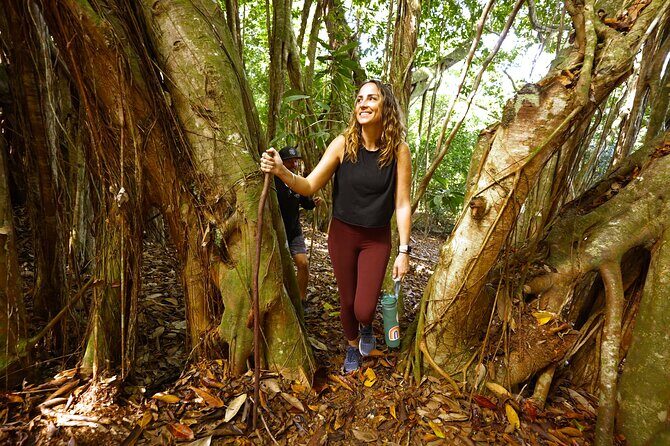
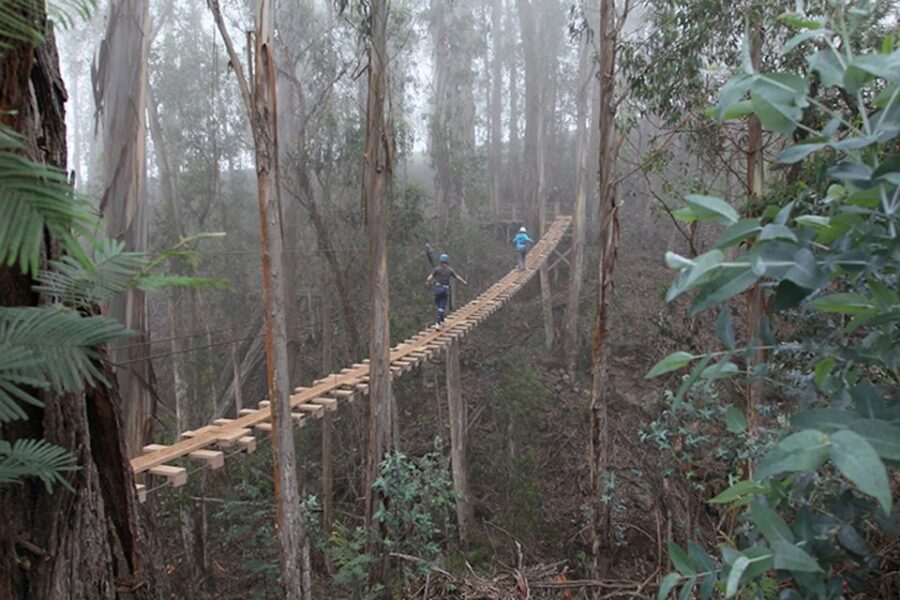
The core hike follows the Honolua Ridgeline along a valley ridgeline corridor. You get that ridge feeling—open sightlines where the valleys and surrounding terrain can show themselves—while the trail stays under shade for much of the time. That combination is smart. It keeps the experience comfortable while still delivering the kind of views that make you stop and take it in.
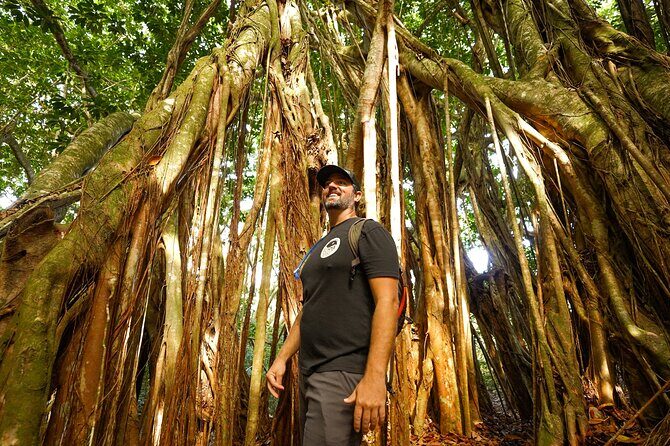
Along the way, your guide helps you “read” the forest instead of just passing through it. One review specifically called out a big banyan tree in the forested section, and that’s a good example of how the walk can change your eye. A banyan is interesting on its own. In a conservation lesson, it becomes a clue—part of what makes the native habitat distinct.
You’ll also learn about native versus invasive species. The point isn’t to make you fear certain plants. It’s to show how conservation works in the real world: identifying threats, monitoring changes, and taking action to support native ecosystems. That makes the tour especially good for people who like nature facts, but also for anyone who wants meaning beyond pretty scenery.
Practical note: a short hike doesn’t mean it’s effortless. Some areas include slippery spots, so your footwear should be grippy. If you’re the type who tends to slip on wet leaves or uneven rock, you’ll feel the difference by using the walking stick provided and moving carefully on any slick sections.
Guides Make the Difference: Jason, Yancy, and Kevin’s Plant-and-Water Storytelling
You can always tell when a guide is there to teach instead of just escort. Multiple guides get mentioned in the feedback, including Jason, Yancy, and Kevin, and the consistent thread is how they connect plants, conservation, and the watershed story while you’re hiking.
Jason comes up a lot as a guide who shares details about plants and the area during the whole walk. That matters because the experience is only about 3 hours and 15 minutes total, so you don’t have time for long lectures. When the guide keeps explanations moving with the scenery, you get more out of every minute.
Yancy is mentioned as passionate and full of plant-life and conservation energy, with people praising the way the information helped them see Maui in a new light. Kevin gets highlighted for explaining native and invasive species and sharing how conservation efforts are actually underway.
If you’re the kind of traveler who likes questions—why this plant, why this place, why now—this tour fits your style. If you mostly want silent walking time, you’ll still enjoy the trail, but this hike is clearly built around interpretation and conversation.
Pace, Fitness, and What the Walking Sticks Really Help With
This experience is listed for people with moderate physical fitness. That’s a fair way to describe it: it’s not a steep endurance climb, but it is outdoors, on uneven ground, and in a terrain where footing matters.
The length—about 3 hours 15 minutes including the guided time—also affects how the hike feels. It’s short enough that you can keep a relaxed pace, but long enough for the guide to build a real understanding of what you’re seeing. Reviews often describe it as not strenuous, and family-friendly, including at least one group with a 12-year-old and an adult who doesn’t do much hiking. That points to a manageable effort level for many people.
The walking sticks help with the parts that are more about traction than about distance. If you’ve ever done a coastal hike where you didn’t think you’d need poles until you were halfway down a slick patch, you’ll get the idea. Here, sticks are part of the support system for safe footing.
My practical takeaway: wear shoes with solid grip. Bring a light layer. And if you get anxious on uneven surfaces, take your time on any slippery spots rather than trying to keep up quickly. The guide pace is designed to keep everyone together and comfortable.





Pineapple at the End: A Small Snack, a Big Expectation Gap
A recurring highlight is the Maui Gold pineapple served at the end of the hike. It’s a simple touch, and in a good way. It gives you a celebratory finish after you’ve been focused on plants and water for most of the outing.
But there’s also one clear caution from feedback: some people expected more than a small pineapple bite when they saw snacks advertised. The tour intent is clear from the timing. This hike runs right after the morning start, so it’s positioned more like a light after-walk bite than a full meal.
So if you’re someone who needs a substantial snack to feel satisfied, plan to eat a proper breakfast before you go. If you’re fine with a small sweet finish, the pineapple is a nice bonus and a fun local flavor moment.
Logistics That Affect Your Day (Without Making It Complicated)
Start is 9:00 am at 800 Office Rd, Lahaina, HI 96761. The activity ends back at the same meeting point, so you’re not dealing with shuttles or complicated transfers. That makes it easier to stack this with other Maui plans later in the day.
The tour is offered in English and capped at 12 people, which helps with the educational format. If you’re traveling as a couple, with family, or with a small group of friends, it’s a comfortable size for both conversation and quiet moments at the lookouts.
This is also the kind of tour that depends on good weather. If weather cancels it, you’ll be offered a different date or a full refund. That’s worth keeping in mind if you have tight plans tied to specific days.
Value: What You’re Really Paying For

There’s a big difference between paying for a view and paying for understanding. This tour’s value comes from the combination of:
- a short hike that fits into a half-day rhythm,
- access to private conservation lands near Pu’u Kukui Watershed Preserve,
- and guided interpretation focused on native ecology and conservation.
You also get small practical supports: walking sticks, a shaded route much of the way, and a group size that makes it easier to actually learn something rather than just follow along.
If you care about Hawaii’s ecosystems and want a tour that feels grounded in real conservation work, this one is a strong match. If you want a long strenuous workout, you might feel it’s too gentle. But if your goal is to see a different side of Maui through ecology and water connections, the format is exactly right.
Should You Book the Honolua Ridgeline Hike?
Yes, if you want an eco-focused Maui hike that’s short, scenic, and genuinely educational. I’d especially recommend it if you:
- like learning about native plants and how invasive species affect habitat,
- want to understand the watershed connection to water,
- prefer a small group experience (max 12) with real guide talk,
- and don’t want an all-day hiking commitment.
Skip it or rethink it if slippery footing makes you nervous and you don’t feel comfortable walking on uneven terrain, even with provided walking sticks. And if you’re hungry for a bigger snack, go in with a solid breakfast so the Maui Gold pineapple at the end feels like a bonus, not your main food plan.
FAQ
Where does the Honolua Ridgeline hike start?
The tour starts at 800 Office Rd, Lahaina, HI 96761, USA, and it ends back at the same meeting point.
How long is the hike?
The hike lasts about 3 hours 15 minutes (approx.).
How far is the hike?
It’s about 2 miles (3.2 kilometers).
What fitness level do I need?
The experience calls for a moderate physical fitness level.
Is this tour offered in English?
Yes, it is offered in English.
What is the cancellation policy?
Cancellation is free up to 24 hours in advance for a full refund. If weather cancels the experience, you’ll be offered a different date or a full refund.