REVIEW · MAUI
Private Standup Paddleboard Lesson for Beginners in Kihei
Book on Viator →Operated by Surf Shack Maui · Bookable on Viator
First-time paddleboarding can feel wobbly fast. This beginner-focused, private SUP lesson in Kihei pairs an early safety briefing with hands-on small-group coaching, so you get real feedback before you spend much time on the water. It’s a simple idea with big payoff: you spend your limited time learning how to stand, balance, and paddle well, not just drifting around.
I also like how the lesson stays flexible. You’ll work on the same core skills, then you vote as a group on whether to do a coastal paddle or spend extra time practicing in the waves. One downside to factor in is the early start: you’re meeting before 8am, so plan your morning so you’re not rushing.
In This Review
- Quick Hits: What Makes This Kihei SUP Lesson Work
- Private SUP Lesson in Kihei: What You’re Really Getting
- Meeting at the Surf Shack by Mana Kai Resort (and Why 8am Feels Smart)
- Safety Briefing and Ocean Awareness: The Part That Makes You Relax Faster
- Gear Set-Up and the Mini-Adjustment Phase
- Standing Up and Paddling Basics: Balance, Stance, Positioning
- Coastal Paddle Tour or Waves Practice: How the Lesson Gets Customized
- Small Group Coaching: Why “Up Close” Instruction Pays Off
- Wildlife and Moments That Make It Feel Like Maui
- Value and Price: Is $370 Per Person Worth It?
- What to Do Before and After: Make Your Day Flow
- Who This SUP Lesson Is Best For
- FAQ
- Where is the meeting point for the beginner SUP lesson?
- What time does the lesson start?
- How long is the SUP lesson?
- Is this a private experience?
- What’s the minimum age to join?
- Are children allowed if an adult is present?
- What will I learn during the lesson?
- Do I get the SUP board and instruction included?
- Is hotel pickup or drop-off included?
- Can I choose between a coastal paddle tour and practicing in waves?
- Should You Book This Beginner SUP Lesson in Kihei?
Quick Hits: What Makes This Kihei SUP Lesson Work
- 8am start at Surf Shack Maui (Mana Kai Resort area), with a short runway from meet-up to getting on the board
- Beginner training with close coaching in a small group (kept tight so you can get corrected fast)
- Safety and ocean awareness first, before you chase standing or try anything fancy
- Balance, stance, positioning, and paddling technique taught in a practical order
- Group vote: coastal paddle tour or waves practice, so you match conditions and comfort
- SUP board provided, plus professional instruction, so you’re not piecing anything together
Private SUP Lesson in Kihei: What You’re Really Getting
You’re paying for a focused intro to standup paddleboarding, not a long sightseeing cruise. In about 1.5 hours, your instructor puts you through the basics in a way that helps you make quick progress, even if you’ve never been on a board before.
This matters because first-time SUP often goes sideways in two ways: people spend the whole time falling and never get technique, or they get technique but don’t feel safe enough to relax. Here, the order is built to prevent both. You get a safety briefing and ocean awareness up front, then you work on balance and paddling mechanics while the instructor can still see what you’re doing.
The “private” part also changes the vibe. You’re not sharing your instructor with a crowd. It’s your group, and the teaching stays aimed at your level, including how hard to paddle, where to position yourself, and what to do when you feel unstable.
You can also read our reviews of more private tours in Maui



Meeting at the Surf Shack by Mana Kai Resort (and Why 8am Feels Smart)
Plan to meet at the Surf Shack Shop at the Mana Kai Resort in Kihei a little before 8am. The lesson officially starts at 8am, which means you’ll need to arrive early enough to check in, get your equipment set up, and listen before you’re out there.
That early start is one of the underrated parts of this experience. You’re getting on the water when the morning routine is still intact, and you’re likely to feel more awake for learning balance and paddling coordination. If you’ve ever tried a new balance sport later in the day, you know how quickly fatigue makes everything harder.
You’ll also want the timing to work in your favor after the lesson ends. The activity wraps back on the beach where you turn in the equipment, and then you’re free for the rest of your day. That’s a nice setup on Maui because you can pair the SUP with a beach walk, a relaxed lunch, or just doing nothing really well.
Safety Briefing and Ocean Awareness: The Part That Makes You Relax Faster
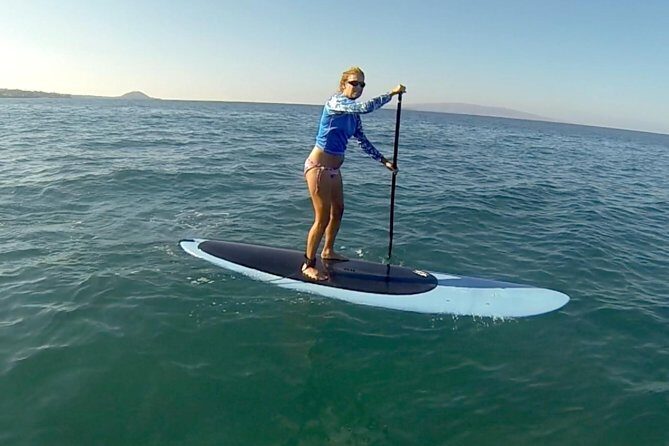
Before you go, you’ll get a safety briefing and a quick orientation. The goal isn’t fear-mongering. It’s to help you understand the ocean environment you’re entering and to keep you comfortable with what to watch for.
This is where beginner instruction really earns its keep. Ocean awareness isn’t just “be careful.” It’s practical things like how to think about your movement on the board, how to respond when you wobble, and what behavior makes you safer around other paddlers and changing conditions. Once you get that baseline, standing up stops feeling like a gamble.
You’ll also be briefed on the right way to approach the water and your board. That’s important because paddling and balance are linked. If you rush your stance or hold the paddle wrong, you’ll feel unstable. If you understand the basics first, you’ll spend less energy fighting the board and more energy learning.
Gear Set-Up and the Mini-Adjustment Phase
After you meet your instructor, you’ll get acquainted and set up with your equipment. This sounds simple, but for beginners it’s a big deal. A board that fits your body and stance, plus basic setup corrections, can make the difference between a fun first lesson and a long afternoon of frustration.
The instructor then tailors the lesson to your skill level. That means you’re not being asked to perform advanced moves. You’re guided through fundamentals in the order your body needs them: balance and positioning first, paddling technique second, then a chance to test it in real water.
Your group size is small, which helps here. You’re close enough that the instructor can monitor your stance and paddle angles without constantly running back and forth. If you miss a key cue, you’re likely to get corrected before your bad habit locks in.
Standing Up and Paddling Basics: Balance, Stance, Positioning
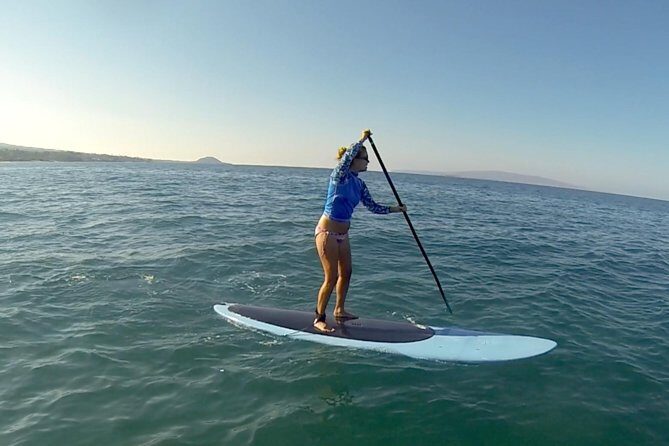
The core of the lesson focuses on the fundamentals that every beginner needs. You’ll work on balance, proper stance and positioning on the board, and proper paddling techniques.
Here’s what I’d pay attention to as you learn, because these are the turning points that usually separate “I’m still trying” from “I can actually do this”:
- Your stance drives everything. If your feet are placed well and your weight is under control, you’ll find a stable rhythm faster.
- Where you sit or stand matters. Positioning affects how the board responds to your paddle strokes and shifting balance.
- Paddling technique is not just arm strength. The paddle should work with your body position. If your stance is off, you’ll feel like the paddle is fighting you.
- Balance is an active job. Wobbling is normal. The goal isn’t zero movement. It’s learning how to respond smoothly.
One standout theme in instructor style is patience with true beginners. People often expect falling to be the main event. Instead, the teaching is designed to make progress feel steady and doable, even if standing is tough at first.
You can also read our reviews of more tours and experiences in Maui


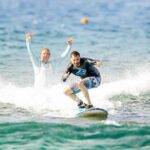
Coastal Paddle Tour or Waves Practice: How the Lesson Gets Customized
Once your group feels ready, you’ll make a majority decision on whether to go on a coastal paddle tour or hit the Hawaiian waves for extra practice. That’s a smart structure because it respects two realities:
1) Your comfort level matters.
2) Ocean conditions matter.
If you want a calmer setup to apply what you learned, the coastal option can feel like a guided test drive. If you want more active practice and a chance to learn how waves affect your balance, then the wave time can build confidence quickly.
Either way, you’re still in beginner mode. The point is to take your new basics into motion—so you leave knowing what to focus on next time. And since you voted as a group, you’re not stuck with an experience that doesn’t match your comfort.
Small Group Coaching: Why “Up Close” Instruction Pays Off
Your lesson is run with a maximum small group, which keeps attention on you. That matters more than people think. In a larger group, instructors spend time managing logistics. In a small group, they can watch your paddle, correct your stance, and help you adjust how you distribute weight.
This also helps the group feel cohesive. You’ll stay together during the active parts of the lesson rather than splitting into “somewhere else” groups where beginners get less support. And because the pacing is tied to your comfort, the experience doesn’t turn into a rushed check-the-box activity.
In at least some sessions, instructors also bring a playful, photo-friendly energy—helping the group with quick snapshots while still teaching. That kind of attention is a bonus when you’re learning and want a visual reminder of your first day on the water.
Wildlife and Moments That Make It Feel Like Maui
A beginner lesson can still feel special, and you might get a few Maui moments along the way. One example that comes up is seeing turtles during the paddle. It’s not something you can plan on, but it’s the kind of wildlife encounter that makes the ocean session feel more alive than a generic activity.
Then there’s the fun side. In some instruction setups, you might even meet Church the Dog, who has been described as riding along and doing wave riding. That’s not guaranteed, but it does point to the relaxed, friendly style that can make learning feel less like a class and more like a day on the water with a good coach.
Value and Price: Is $370 Per Person Worth It?
At $370 per person for 1.5 hours, this isn’t a bargain activity. But it also isn’t priced like a board rental where you figure everything out alone.
Here’s how I’d judge the value, using what you actually get:
- Professional instruction is included. You’re buying coaching, not just equipment.
- The lesson is tailored to beginners. That reduces wasted time.
- Small-group format keeps feedback tight. You learn faster when you can be corrected quickly.
- SUP board is included, so you’re not adding rental fees.
If you’re the type who likes to learn quickly and wants a safer first outing, this price can make sense. It’s especially good for a group that wants the “guided start” now, so you can enjoy more SUP later without repeating the steep learning curve.
If you’re already comfortable on a board and just want time on the water, you might feel like it’s a pricey way to get minutes in the waves. But for first-timers, instruction is usually what makes the experience click.
What to Do Before and After: Make Your Day Flow
You’ll be meeting before 8am, so keep your morning simple. Eat something light enough that you feel good, and avoid a giant meal right before you start wobbling around.
After the lesson ends back on the beach and you return the equipment, you have the rest of the day free. That open block is valuable. You can turn this into a full Maui half-day by pairing it with another beach stop, a low-key walk, or a casual meal nearby.
The smart move is to treat the SUP lesson as your centerpiece. Then build the rest of the day around recovery and enjoyment, not around rushing to fit in too much.
Who This SUP Lesson Is Best For
This one fits beginners who want real help. If you’re nervous about learning balance, you’ll appreciate the step-by-step approach and safety-first start.
It also fits families with older kids because there’s a minimum age of 12. Children must be accompanied by an adult, so it’s built for responsible family participation rather than drop-off chaos.
You’ll likely enjoy it if you:
- want a first SUP experience that prioritizes technique
- like learning in a small group
- prefer a guided session you can complete confidently, then enjoy the rest of your day
If you’re very experienced and already stand comfortably in changing conditions, you might want a different kind of SUP outing. The lesson is designed to teach fundamentals, not advanced skills.
FAQ
Where is the meeting point for the beginner SUP lesson?
The meeting point is at 1976 S Kihei Rd, Kihei, HI 96753, at the Surf Shack Shop at the Mana Kai Resort area.
What time does the lesson start?
You’ll meet a little before 8am, and the lesson starts at 8am.
How long is the SUP lesson?
It runs about 1 hour 30 minutes.
Is this a private experience?
Yes. It’s private, and only your group participates.
What’s the minimum age to join?
The minimum age is 12 years old.
Are children allowed if an adult is present?
Yes. Children must be accompanied by an adult.
What will I learn during the lesson?
You’ll learn safety and ocean awareness, balance, proper stance and positioning on the board, and proper paddling techniques.
Do I get the SUP board and instruction included?
Yes. The SUP board and professional instruction are included.
Is hotel pickup or drop-off included?
No. Hotel pickup and drop-off are not included.
Can I choose between a coastal paddle tour and practicing in waves?
Yes. You’ll come to a majority agreement as a group on whether to do a coastal paddle tour or extra practice in the waves.
Should You Book This Beginner SUP Lesson in Kihei?
If this is your first time on a standup paddleboard, I’d book it. The structure is built for beginners: safety first, then balance and paddling technique, then a choice that matches your comfort level. At $370 per person, it’s not a casual add-on, but the included instruction and small-group coaching are the reason it feels worth it.
Book it especially if you want Maui water time that actually teaches you something. You’ll finish knowing how to stand with better form, paddle with more control, and decide what you want to try next on your own.