REVIEW · MAUI
Ultimate Self-Driving Audio Tour of Road to Hana, Maui
Book on Viator →Operated by History with Action · Bookable on Viator
Road to Hana goes smoother with smart audio. I like this one because the route uses offline GPS (so you’re not hunting signal) and the narration is hands-free, playing as you pass key points. You can start when it fits your day, pause for beaches and viewpoints, and still keep the drive from feeling like a string of random pull-offs.
The big thing to know: this is GPS-triggered audio, not true turn-by-turn navigation. If you make a wrong turn or hop off-route, the timing can get weird, so staying on the suggested line and speed limits helps the stories sync up.
In This Review
- Key highlights that make this Road to Hana audio tour worth your time
- Why this self-driving audio tour fits the Road to Hana vibe
- From Paia to Ho’okipa: start with character, not confusion
- Mile Marker Zero history to Twin Falls: the route explains itself
- Ke’anae, Ching’s Pond, and Wailua Valley: the jungle-meets-coast section
- Nahiku markets, Heiau history, and black sand at Wai’anapanapa
- Hana Bay beaches, red sand at Koki, and Venus Pool (Waioka Pond)
- Wailua Falls, Haleakala access points, and the Pipiwai Trail payoff
- Price and time: how to judge the value like a local
- Practical tips to avoid the usual Road to Hana audio headaches
- Should you book this Road to Hana self-driving audio tour?
- FAQ
- Does this audio tour work without cell service?
- How long does the Road to Hana audio tour take?
- Can I use it over more than one day?
- How much does it cost?
- Do I need a permit for Wai’anapanapa State Park?
- Are entry tickets included for places like the Garden of Eden?
- How do I set it up before I start?
- Will the audio play automatically while I drive?
Key highlights that make this Road to Hana audio tour worth your time
- Offline GPS map for a signal-free drive so you can focus on driving, not connectivity.
- Auto-playing narration by location helps you catch history and must-see stops without constant phone checks.
- Per-group pricing ($16.99 for up to 4) is a rare value on Maui road trips.
- Paia to Kipahulu in one continuous audio drive with 70+ miles and 60+ story moments.
- Built-in stops for iconic Road to Hana hits like Twin Falls, Wailua Falls, Wai’anapanapa black sand, and the Pipiwai Trail.
- Plan ahead for permits/fees at Wai’anapanapa State Park and entry needs at places like the Garden of Eden.
Why this self-driving audio tour fits the Road to Hana vibe
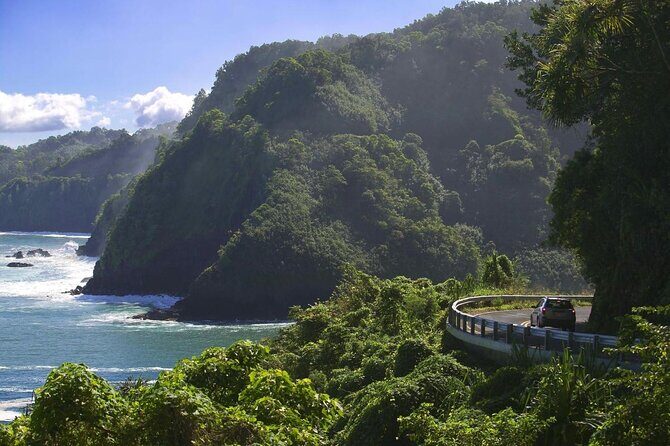
Road to Hana is not a normal road trip. It’s narrow, twisty, crowded in spurts, and full of “should we stop here?” moments. This tour’s format matches that reality: you follow a route, then audio cues guide you to stops and explain what you’re seeing—without requiring a bus schedule or a group that moves when they’re ready.
The best part for practical travelers is the offline setup. Road conditions and cell coverage can make phone maps frustrating, and the whole “Road to Hana with no signal” problem can waste energy. Here, you download the tour while you have strong Wi‑Fi/cellular, then you rely on offline GPS afterward. I also like that you can use it on multiple days—start today, continue tomorrow—because most people don’t want to cram everything into one long, stressful push.
Your biggest payoff is the way it turns the drive into a story you can follow. Instead of you guessing why a stop matters, the narration frames it: the Road to Hana’s origins, the meaning behind local sites, what’s special about waterfalls and arboretums, and why certain bays and beaches look the way they do. It’s the difference between “pretty views” and “I get it now.”
You can also read our reviews of more tours and experiences in Maui


From Paia to Ho’okipa: start with character, not confusion
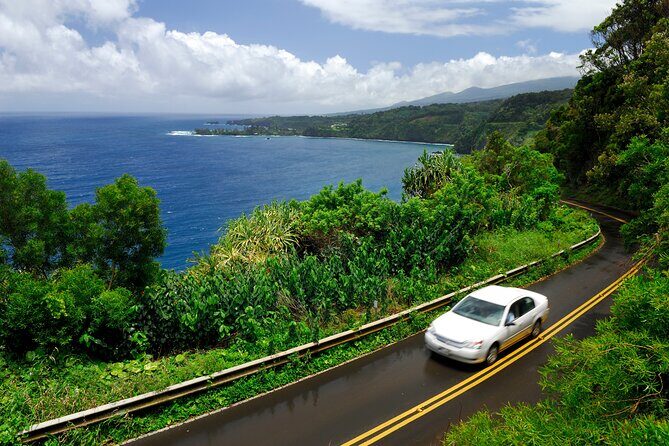
Most Road to Hana trips start with a scramble—where do we park, what’s worth it, and will our phone even work? This audio tour eases you into it by starting in Paia, a funky little town with a history of artists and free spirits. The audio points out the town’s distinctive vibe (including that famous sign about not feeding the hippies). It also nudges you to think of Paia as the cultural warm-up act before the road gets wild.
If you want a place to stretch your legs early, Ho’okipa Beach Park is the next stop. It’s a state park and a well-known surfing spot, with picnic areas and pavilions. Practically, this is a good place to do quick walking and photos before the real climbing and twisting begins.
One detail I appreciated from how the tour is designed: it doesn’t force nonstop narration. The stories tend to trigger at specific points, so you can keep your eyes on the road in between. That matters because the early stretch can still involve quick decisions—pull over, grab a view, then get back in the driver’s seat.
Mile Marker Zero history to Twin Falls: the route explains itself

Once you pass Mile Marker Zero, the tour starts giving you context—how the route began as a footpath back in the 1400s. That one bit of history changes how you look at the whole drive. Instead of viewing it like an attraction, you start noticing it like a living route through Maui.
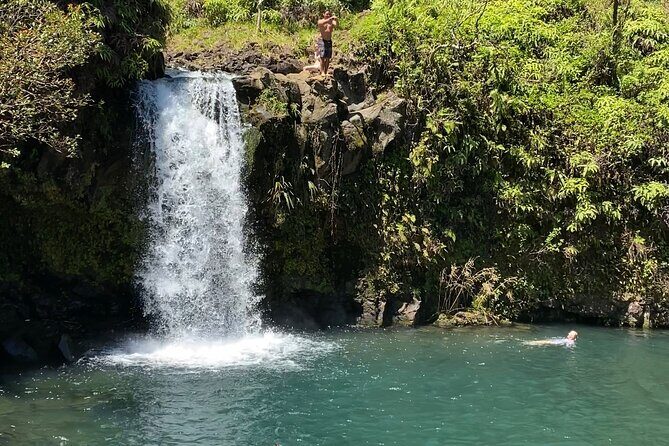
Soon after, the audio highlights Twin Falls. These are two waterfalls close together, which makes the stop efficient: you get big payoff without needing a long trek. If you’re the type who likes a clean photo moment and a quick look before moving on, Twin Falls fits that style well.
The tour also pushes you into Maui’s “green and wild” side. It includes Waikamoi Ridge Trail for lush jungle scenery, and later sends you to Garden of Eden Arboretum, a plant-focused stop with over 700 species. One of the tour’s memorable story threads here is the connection to George Harrison—plants in the arboretum include ones donated by the former Beatle.
A quick note to keep your expectations realistic: this audio drive covers a lot of points of interest, but it’s still a drive. Your best results come from treating stops as short breaks you choose to extend, rather than trying to “do everything” at the exact moment the story plays.
Ke’anae, Ching’s Pond, and Wailua Valley: the jungle-meets-coast section

After the arboretum and waterfall beats, the drive shifts into more rugged coast and jungle-adjacent viewpoints. The tour calls out Nua’ailua Viewpoint (including quick scenic time), then brings you into Ke’anae Arboretum, described as a place that’s green and changed over time—from jagged black rock to a lush botanical stop.
From there, you’ll hear about Ching’s Pond, known as a cliff-jumping spot. I’m glad the tour warns about caution in a situation like this. If you’re tempted, be honest about your comfort level and conditions. It’s the sort of location where one misstep can ruin a perfect day.
Next up is Wailua Valley Lookout, which the tour frames as a view into some of Maui’s more remote areas. After that, you get a set of waterfall story moments—three waterfalls that merge into one during the wet season. Even if you can’t tell the season details from the car, the narration helps you understand why the scenery changes when rains roll through.
Then comes Pua’a Ka’a State Park, where the audio focuses on mongooses and why they ended up on the island. This is a good reminder that Maui’s ecosystems have complicated history, and not every “nature stop” is just about photos.
Nahiku markets, Heiau history, and black sand at Wai’anapanapa
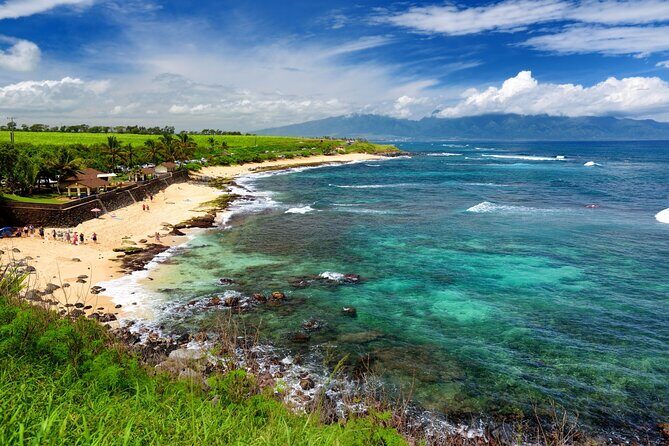
As you move farther along, the tour leans more into Hawaiian place meaning—sites aren’t just scenic; they hold stories. Nahiku Viewpoint is highlighted with strong ocean views, and it’s also tied to George Harrison’s former home. That gives the stop a personal historical angle beyond postcard scenery.
If you need a snack or a simple browsing break, the tour includes Nahiku Marketplace. It’s a practical reset in the middle of a long drive.
Then you’ll reach Kahanu Garden, which isn’t only about plants. The tour points out an ancient Hawaiian temple called a heiau, which adds a cultural layer you might otherwise miss if you only looked for scenery. If you like learning what you’re standing near, this is one of the more meaningful stops.
After that, the tour lands at Wai’anapanapa State Park—home to Hawaii’s famous black sand beach. This is one of the moments you’ll remember, mainly because black sand is so visually different from what most people see at home. But there’s a key practical consideration: reservations are required for this park, and the tour price doesn’t include the permit or entry fees. That means you’ll want to check reservation rules early so you don’t arrive to a closed door.
You can also read our reviews of more tours and experiences in Maui





Hana Bay beaches, red sand at Koki, and Venus Pool (Waioka Pond)

This section is where the Road to Hana starts turning into a beach crawl. The audio hits Hana Bay, described as a lively spot with BBQs, kayaks, and clear water. Even if you don’t plan to swim, it’s a good moment to stop and reset your energy.
Next is Koki Beach, known for its red sand. It’s the kind of stop that’s mostly about the wow factor—grab your photos, soak in the color, then move on while the light is still good.
Then you’ll hear about Hamoa Beach, with the note that Oprah owns around 200 acres nearby. That kind of detail tends to make people pause longer than they expect, because it connects famous names to specific places. It’s not the reason to visit, but it’s the sort of story tidbit that keeps the drive interesting.
The tour also points to Waioka Pond, nicknamed Venus Pool, described as a secluded pool that’s also known for cliff-jumping. Again, caution matters. If you’re going to even consider it, treat it as a condition-dependent choice, not a guaranteed activity.
Wailua Falls, Haleakala access points, and the Pipiwai Trail payoff
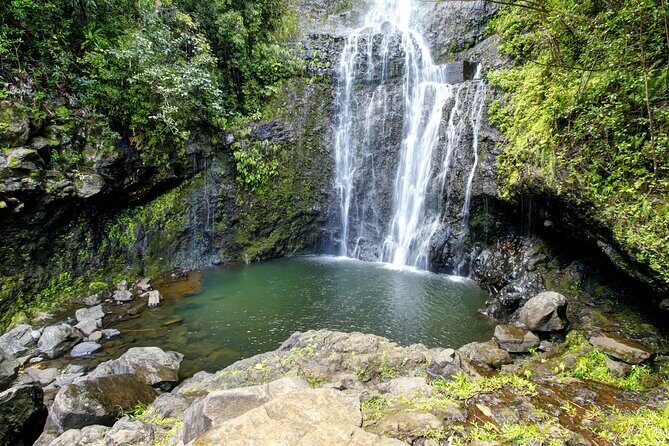
If your goal is to leave the day feeling you really did something, this is the section that delivers. The tour highlights Wailua Falls, about 200 feet tall. That’s the kind of waterfall where you don’t need a long explanation—just a stop and enough time to take it in.
Then comes the big endgame: the audio takes you toward Haleakala National Park and the Pipiwai Trail. You’ll hear about a trail experience featuring waterfalls and a standout bamboo forest, plus lush jungle scenery. The narration here matters because it helps you understand what you’re moving through, and why the trail is so beloved.
Finally, the tour ends at the Kipahulu Visitor Center. That’s a clean finish line for a Road to Hana day, especially if you want to wrap up without guessing what to do next.
Price and time: how to judge the value like a local
The tour costs $16.99 per group (up to 4), and it’s designed as a self-driving experience. That pricing is the heart of the value. A lot of day tours charge per person, and Road to Hana is expensive enough with car rental, gas, and possible permits. Here, one purchase can cover your whole car, which adds up fast for families and friends.
Time-wise, you’re looking at about 2 to 3 hours to complete the audio drive, built around a route that’s 70+ miles long and includes 60+ audio stories. Realistically, your total time will expand if you add longer stop breaks. The good news: the tour is flexible. Start when you want, pause when you want, and come back later using the same access.
A couple of practical planning notes that can save you frustration:
- Download the tour on strong Wi‑Fi/cellular before you go. The tour works offline afterward, but you need that initial setup.
- Use the audio in a way that keeps you safe. The tour supports playing through your car stereo via Bluetooth, USB, or AUX, and it mentions Apple CarPlay compatibility.
- This is not live turn-by-turn navigation. In general, you’ll get the best audio sync by staying on the route the audio expects and not wandering off too much.
If you like a smooth road trip with structure—without giving up control—this setup fits. If you’re the kind of driver who often detours last minute, expect to do some manual re-finding of your place along the route.
Practical tips to avoid the usual Road to Hana audio headaches
The most common “it didn’t work right” problems usually come from setup, start position, or getting off-route. Here’s how to keep your day running:
- Start at the correct starting point. The tour audio triggers when you reach the selected start location. Starting in the wrong place can mean you only hear the welcome audio.
- Let the app control the flow. The tour is built for auto-triggered stories. If you switch modes or manually jump around in a way the app doesn’t expect, the narration can feel out of sync.
- Watch for timing sensitivity. GPS-triggered audio depends on matching your progress. If you make a wrong turn or detour, you may miss sections or hear stories repeat.
- For the return drive, use the return direction/version. The tour is designed so the return trip isn’t just a replay—switching to the correct return version helps keep the content relevant.
- Check for road closures and safety alerts before you head out. There’s an alert listed about a temporary closure on a Road to Hana section near K’pahulu (between Alelele Bridge and Lelekea Bridge). Also check current Hawaii safety guidance if there are tsunami advisories.
Should you book this Road to Hana self-driving audio tour?
I’d book it if you want Road to Hana to feel guided but not regimented: a great way to hit key viewpoints and waterfalls, learn the why behind what you’re seeing, and keep your schedule flexible. The per-car price is especially strong value for small groups, and the offline GPS concept is exactly what makes this drive less stressful.
I’d skip it (or at least be cautious) if you want turn-by-turn navigation or if you plan lots of off-route wandering and frequent wrong turns. Because the narration is GPS-triggered, your best experience comes from following the planned route closely.
If you want a fun, focused way to do Road to Hana without paying bus-tour prices, this is one of the smarter buys on Maui.
FAQ
Does this audio tour work without cell service?
Yes. After you download it with strong Wi‑Fi/cellular, it’s designed to work offline with GPS and directions, so you’re not dependent on signal once you’re on the road.
How long does the Road to Hana audio tour take?
It’s about 2 to 3 hours to complete, covering a 70+ mile route. Your time can be longer if you spend extra time at stops.
Can I use it over more than one day?
Yes. You can start anytime and pause as needed, and you can use it over one or multiple days.
How much does it cost?
It’s $16.99 per group for up to 4 people.
Do I need a permit for Wai’anapanapa State Park?
Yes. Wai’anapanapa State Park requires reservations, and those fees and reservations are not included in the tour price.
Are entry tickets included for places like the Garden of Eden?
No. The tour notes that admission fees are required for the Garden of Eden and are not included.
How do I set it up before I start?
After booking, you’ll receive email and text instructions with a password. You also download the separate Action’s Tour Guide app, and you must download the tour while you have strong Wi‑Fi/cellular. After that, it works offline.
Will the audio play automatically while I drive?
Yes. Once you’re onsite and reach the selected starting point, the audio is designed to begin automatically and play hands-free as you pass location triggers.