REVIEW · MAUI
Whale Watching Experience
Book on Viator →Operated by The Magic Merman Snorkel Charters · Bookable on Viator
Hook: Humpbacks get uncomfortably close.
On this Ka’anapali whale watching trip, you’re out on Maui for about 2 hours searching for Northern Pacific humpbacks, then repositioning fast when the action starts. I love the small-boat feel—fewer people, every seat lined up for views, and you’re nearer to the waterline than you are on big catamarans. It’s the kind of outing that makes the ocean feel personal, not distant.
I also really like the on-board team setup. On some departures, Bradley has captained the boat while Bethany, a marine biologist, explains humpback behavior in plain language, from moms and calves to male competition. The result is that when you see something unusual—like a baby whale hanging near the surface or whales swimming right under the boat—you know what you’re looking at.
One drawback to plan for: this is a small vessel, and conditions can turn rough. If you’re prone to motion sickness, you should speak up before you go, and dress for spray and wind, because you may get wet even when the weather looks fine from shore.
In This Review
- Quick Takeaways
- Ka’anapali Pickup and the Raft-Style Advantage
- The 2-Hour On-Water Flow: What Happens Once You Leave Ka’anapali
- Meeting Bradley and Bethany: The Human Side of the Hunt
- Getting Wet, Staying Comfortable: Weather, Wind, and Motion Sickness
- What You Actually Pay: Price, Inclusions, and Value at $102.20
- The Boat Setup: Seats, Canopy, Safety, and On-Board Extras
- Whale Encounters: What You Might See and How to React
- Tips for the Crew, and Other Practical Notes
- Should You Book This Ka’anapali Whale Watch?
- FAQ
- Where does this whale watching tour start?
- How long is the tour?
- What’s the price per person?
- How many people are on the boat?
- What’s included in the tour?
- Is there a guide or marine biologist on board?
- Do I need to bring tips?
- What language is the tour offered in?
- What should I know about weather?
- How does cancellation work?
Quick Takeaways
- Smaller raft-style boat (max 20 people): more shared space and better sightlines for humpbacks up close.
- Ka’anapali Beach departure: easy, straightforward meetup right at the water.
- On-board marine explanations: you’ll get humpback behavior context, not just whale spotting.
- Sodas and bottled water included: simple refreshment during the run out.
- Weather can make or break comfort: dress for wind and spray; ask for help if you get seasick.
- Often-action-packed encounters: the crew aims to get you near whales while staying respectful of their space.
Ka’anapali Pickup and the Raft-Style Advantage
This tour starts at 2435 Kaanapali Pkwy in Lahaina, with the experience finishing right back at the meeting point. The location is convenient if you’re staying in West Maui—close to the resort zone—and it keeps the whole day from feeling like a long commute.
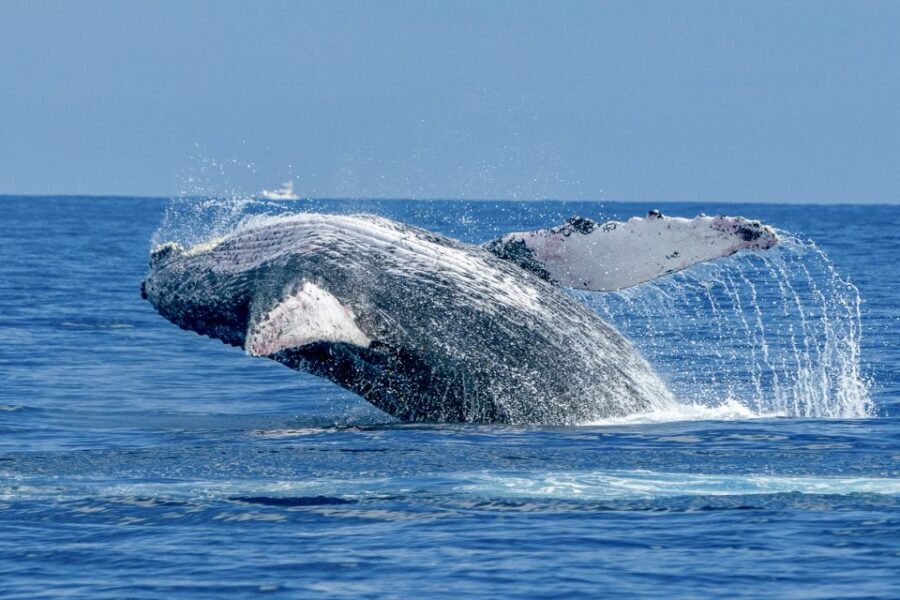
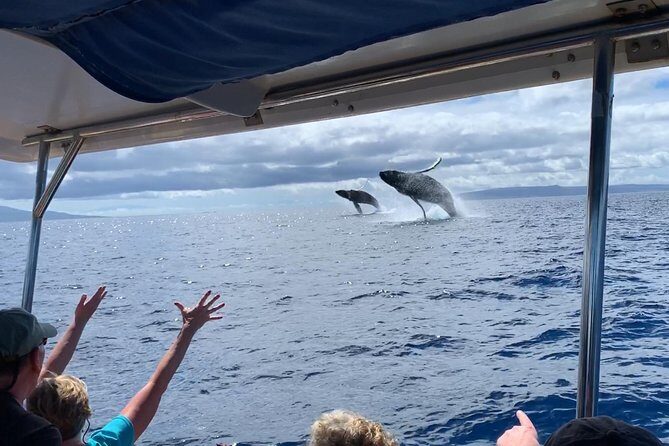
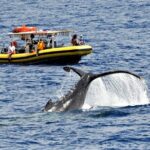
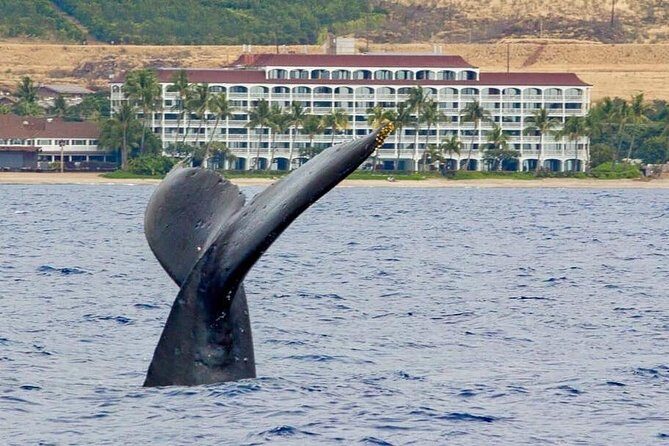
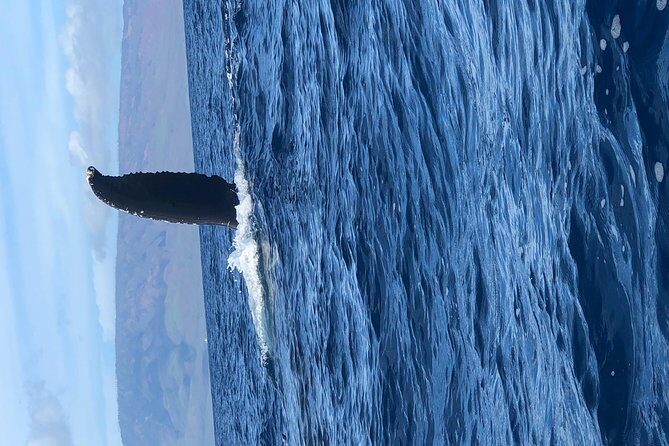
The big reason this trip feels different is the raft-style boat. You’re not stuck way up high behind tall rails. Instead, the boat’s design and low-ish position on the water helps you get that “I can see detail” view of flukes, pectoral fins, and surfacing behavior. That matters for photos too: when a whale surfaces close, you’re not fighting for angles.
One more practical win: the vessel is set up so everyone gets a seat and there’s a canopy for sun. On sunny Maui days, shade is the difference between enjoying the trip and counting minutes until you’re roasting.
You can also read our reviews of more whale watching tours in Maui
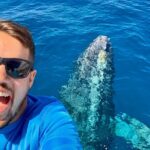
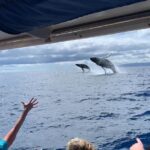
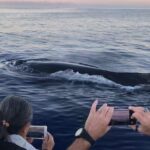
The 2-Hour On-Water Flow: What Happens Once You Leave Ka’anapali
After check-in, you head out and the crew starts scanning for whales right away. The search doesn’t feel random—you’ll notice the way they watch conditions and adjust their course, because humpbacks aren’t in a fixed spot. When they find something promising, you’ll usually get repositioned quickly.
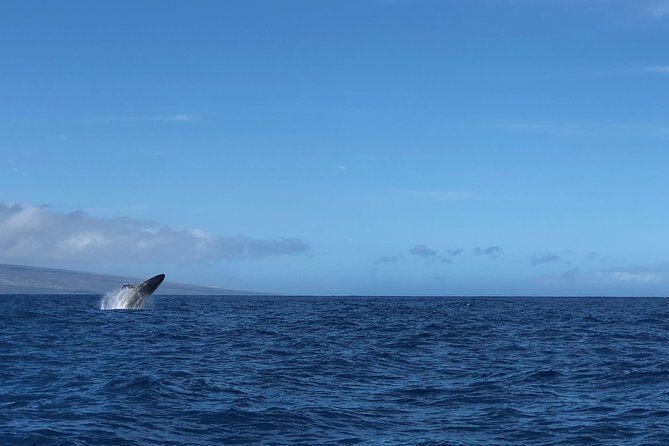
On this kind of whale watch, the real experience is timing and distance. Humpbacks can surface, roll, and blow in patterns, and the crew aims to put you in the right place for those moments. If the whales are “in the zone,” you may have stretches where you’re asked to sit tight so you don’t disturb them while they move through your area.
Your best view moments often happen during a lull in the whale’s movement—when the whale pauses at the surface long enough for you to see motion, then slips under. Some sightings can include a calf close to its mom, or males showing off and competing. You can also end up with whales swimming directly under the boat, which is both thrilling and oddly quiet—no showboating needed. It just happens.
Then, when the day is good, it feels like a series of mini-encounters. One of the standout things I love about this format is that the crew doesn’t just “be in the right area once.” They may head toward a new patch if something exciting appears, like male competition near a female, so the trip stays active rather than repetitive.
Meeting Bradley and Bethany: The Human Side of the Hunt
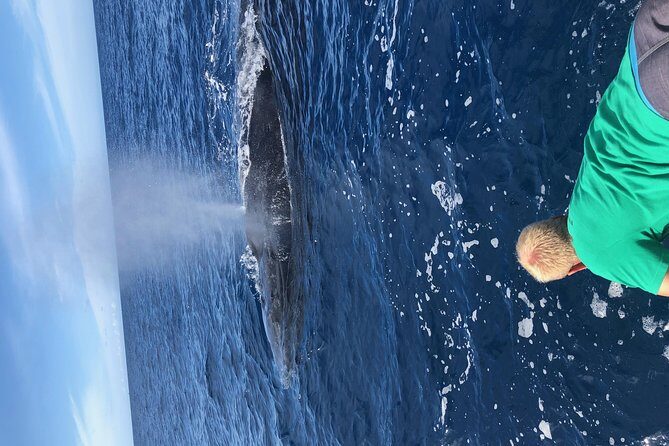
A lot of whale watches claim they’re educational. This one actually feels built for it. On some runs, the captain—like Bradley—runs the boat with a clear focus on safety and positioning, while the marine biologist—like Bethany—adds the animal behavior layer.
That matters because humpbacks do more than surface and blow. With a marine biologist on board, you’re more likely to understand what you’re seeing when you get different behaviors in a short window: mothers with calves staying close, escort behavior, or males showing aggression toward each other when competition heats up.
You’ll also appreciate how the crew frames whale safety. The goal isn’t to crowd the whales. It’s to get you close enough for real views while still keeping respectful distance and following environmental guidance. That balance is what turns a whale watch from a “boat ride” into an actual wildlife experience.
Getting Wet, Staying Comfortable: Weather, Wind, and Motion Sickness
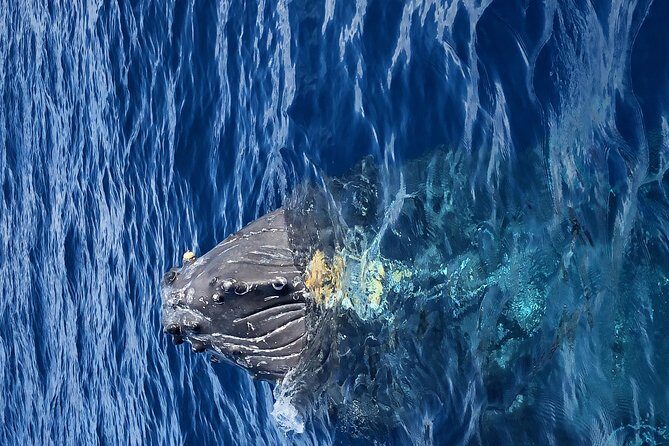
Maui weather can shift fast, and the ocean adds its own rules. Even when the forecast looks okay, expect wind and spray. You should assume you’ll get wet at least a little, and dress for it.
There’s another practical factor that can affect comfort: how boarding happens. On at least some days, getting onto the water can involve a small dinghy transfer before you reach the main raft-style boat, and the on/off can be bumpy if waves are up. If you’re traveling with kids or you have limited mobility, plan around that reality.
If you’re prone to motion sickness, don’t ignore it. The crew’s advice is to speak up beforehand, so you can get whatever “onboard” help they have available and choose a more comfortable spot. The boat is small, and the ocean can feel bigger than you expect—so prepping beats suffering.
My practical suggestion: bring a light rain layer or waterproof jacket, wear non-slip footwear you can stand in, and consider sunglasses with a strap. The canopy helps with sun, but it won’t block spray when the wind turns.
What You Actually Pay: Price, Inclusions, and Value at $102.20
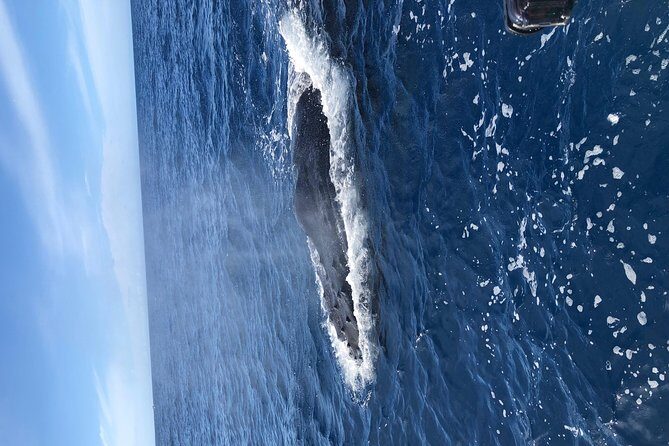
At $102.20 per person for about 2 hours, you’re paying for a tight, small-group encounter with the humpbacks—not a long, sightseeing-style cruise. The value is strongest when you care about up-close viewing and you want fewer people between you and the water.
What’s included is simple and useful: soda/pop and bottled water on board. That keeps you from needing to buy drinks mid-tour, and it also helps the experience feel low-stress. When the boat is bouncing and you’re out for a couple hours, having cold drinks ready matters more than you’d think.
Also pay attention to the group size. With a maximum of 20 travelers, you get a more intimate wildlife setting and better “everyone can see” odds. Big boats can work, but they often trade closeness for capacity. This trip tries to do both: keep it small, then move you toward whales quickly when the timing is right.

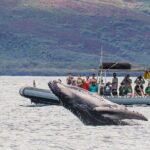
The Boat Setup: Seats, Canopy, Safety, and On-Board Extras
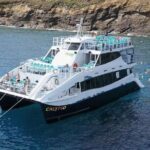
Safety and comfort show up in how the boat is described: it’s built for the conditions you’ll face offshore, with a structure that keeps seating organized and the ride feeling controlled. In multiple accounts, people highlight that the setup feels safe, that the boat is designed for the Coast Guard, and that everyone has a seat.
You’ll also want to think about the canopy. Shade helps in Maui sun, and it also makes it easier to stay focused on spotting rather than squinting. Still, you can get wet—so treat the canopy as sun protection, not a waterproof umbrella.
Some on-board touches may vary by trip, but you should expect a practical, prepared crew. People have reported cold drinks on board beyond what’s listed, plus extras like sunscreen and even a toilet. Even if those aren’t always available, the overall pattern is clear: the crew plans for comfort so you can stay out on the water longer without needing to ask for basic things.
Whale Encounters: What You Might See and How to React
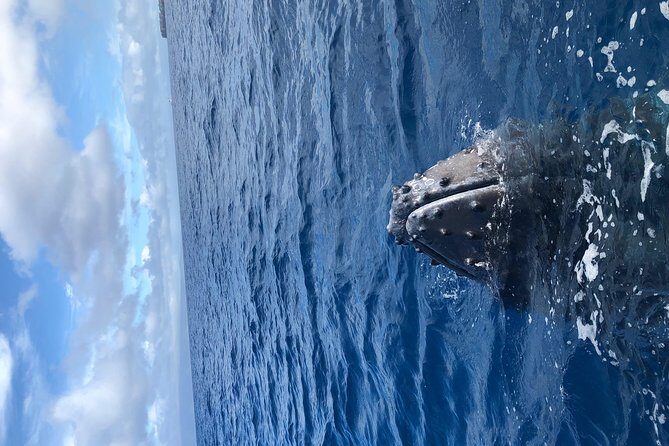
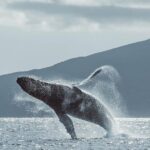
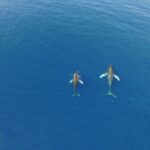
The headline is humpbacks, but the real magic is the behavior. On good runs, you can see multiple whales during the same tour window: moms with calves, whales that stay at the surface longer than expected, and males displaying competitive or aggressive behavior in the right conditions.
If a calf is present, watch how the mom positions herself. You may see escorting behavior—other whales staying close, as if keeping track of the group. And if you see males competing, you’ll likely notice more intense movement and repeated surfacing in a tighter area, which is when the crew tends to move quickly to keep you there.
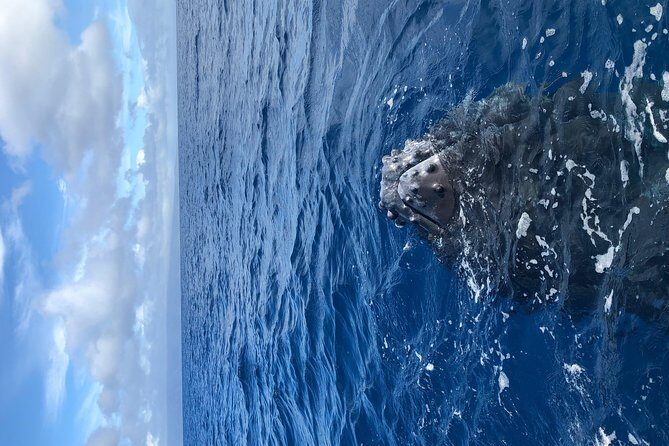
When a whale approaches near enough for a truly close encounter, you may be asked to sit still. One of the more memorable descriptions of this trip involves being asked to hold position because the whales were within about 100 feet. That’s a good sign. It means the crew is prioritizing the animal’s space and your safety while still delivering the close views.
For photos: keep your camera handy, but don’t block others. Spray can blur shots fast, so wipe your lens if you’re getting mist on it. If you’re using a phone, keep it in a pocket or case until you see surfacing—then switch quickly and steady your grip.
Tips for the Crew, and Other Practical Notes
Tips are not included, and you’re asked to bring cash or use Venmo. That’s common for small tour teams, and it’s a nice way to reward a crew that’s actively scanning, repositioning, and educating while following whale-safe guidelines.
Also, bring a mindset that this is wildlife, not a guaranteed show. Sometimes the sea is calm and the whales are active. Other times the weather makes everything harder and you may see fewer blows. Either way, the crew’s job is the same: make the experience as good as possible within the constraints of the ocean.
One more detail: the tour language is English, and you’ll get a mobile ticket after booking. Confirmation comes at the time you reserve, which helps you stay organized on a busy Maui trip.
Should You Book This Ka’anapali Whale Watch?
I’d book it if you want real closeness and a more personal setting. The combo of a small raft-style boat, a max 20 group, and on-board behavior talk (with marine biologists like Bethany on some trips) makes this a strong choice for people who care about seeing more than just a distant blow.
I’d think twice—or at least plan carefully—if you’re very sensitive to motion or you need a super-smooth boarding experience. The ride can be choppy, you might get wet, and some days involve a dinghy transfer. If that’s your situation, tell the crew what you need early, and dress for weather changes.
If you’re flexible, though, this is the kind of whale watch that can turn into a standout memory fast—especially when the whales surface nearby and stay in your viewing area longer than expected.
FAQ
Where does this whale watching tour start?
The meeting point is at 2435 Kaanapali Pkwy, Lahaina, HI 96761, USA. The tour ends back at the same meeting point.
How long is the tour?
The duration is about 2 hours.
What’s the price per person?
The price is $102.20 per person.
How many people are on the boat?
The tour has a maximum of 20 travelers.
What’s included in the tour?
Soda/pop and bottled water are included.
Is there a guide or marine biologist on board?
A marine biology component is part of the experience, and some departures include a marine biologist such as Bethany.
Do I need to bring tips?
Tips for the crew are not included. You can tip with cash or Venmo.
What language is the tour offered in?
The tour is offered in English.
What should I know about weather?
This experience requires good weather. If it’s canceled due to poor weather, you’ll be offered a different date or a full refund.
How does cancellation work?
You can cancel up to 24 hours in advance for a full refund. Within 24 hours, the amount paid is not refunded.