REVIEW · MAUI
Self-Guided Audio Driving Tour in Maui
Book on Viator →Operated by GuideAlong (GyPSy Guide) · Bookable on Viator
Maui gets better when your car starts narrating. This self-guided GPS audio driving tour layers stories, directions, and local tips right onto your drive, from Haleakalā to Hana and beyond, with the freedom to stop when you want.
GPS-triggered audio also works offline after download, so you can keep going even when cell service drops.
I love the location-based autoplay: the voice starts when you’re near the next place, so you’re not wrestling maps or guessing turnoffs. I also love the value—$29.99 per group (up to 8 people) turns into real savings versus bus tours, and it’s a buy once, use forever setup with free updates.
One thing to plan for: some of Maui’s top stops require your own National Park entry fees and timed reservations (especially Haleakalā sunrise and Wai’anapanapa). That’s not a dealbreaker, but it is part of the logistics.
In This Review
- Key points I’d bank on before you drive
- GPS audio that fits Maui’s drive-and-stop style
- What the tour actually includes (and what you pay separately)
- Haleakalā summit and Kipahulu (Ohe’o Gulch): the science-meets-views day
- Ohe’o Gulch and the Seven Sacred Pools (Kipahulu)
- Wai’anapanapa State Park: black sand, blowhole, and reservations
- Haleakalā Crater and viewpoints: visitor center to Red Hill
- Road to Hana: how to make the most of the drive without burning your day
- Twin Falls: muddy path, good payoff
- Lava Tube: Hana Lava Tube
- Kalahaku Overlook and scenic viewpoints
- Waterfalls with personality: Wailua Falls and Upper Waikani Falls
- Twin Beaches section: Ho’okipa, Hamoa, Koki, Polo
- Keʻanae Arboretum and the Pipiwai Trail: the nature break that needs time
- Keʻanae Arboretum: short, no-cost, and photo-friendly
- Pipiwai Trail (Ohe’o Gulch area): moderate hike with a clear turnaround plan
- South Maui beaches and gardens: where you can slow down after Hana
- Kihei: calm water, beach parks, and sunset views
- Kahanu Garden and Piʻlanihale Heiau
- Kamaole Beach Park I: family-friendly and sunset spotting
- Wailea, Makena, and Honolua Bay: more coast than checklists
- La Perouse Bay: end-of-the-road exploring
- D.T. Fleming Beach Park: ironwood shade and shore break reality
- Makena Beach: Big Beach to Little Beach
- Wailea Beach: best beachside walk plus snorkel turtles
- Honolua Bay: serious snorkel and a surf-cardio reason to visit
- Lahaina, Kaʻanapali, and Nakalele Blowhole: wrap with history and sea noise
- Lahaina: waterfront walking and banyan-tree market stops
- Kaʻanapali Beach: families, boardwalks, and a nightly diving ceremony
- Nakalele Blowhole: close views, stay safe, don’t turn your back
- Practical tips so this stays fun, not fiddly
- Should you book this Maui self-guided audio driving tour?
- FAQ
- Do I need cell service once I start driving?
- Are National Park entrance fees included?
- Do I need reservations for Wai’anapanapa State Park and Haleakalā sunrise?
- How long can I use the tour after I buy it?
- How big is the group for the price?
- Can I cancel for a full refund?
Key points I’d bank on before you drive

- Autoplay by GPS: the narration starts as you get close, with directions and stories tied to your location
- Works offline: download ahead, then rely on the app even with weak or no signal
- Built for independent pacing: no rush schedule and you can start and resume based on where you are
- Huge coverage for one price: Haleakalā, Road to Hana, whale lookouts, South Maui beaches, and West Maui spots
- You still handle reservations and park fees: some entries are timed or require passes
- CarPlay experience can be smooth: if you use CarPlay, audio prompts can still guide you without taking over your whole screen
GPS audio that fits Maui’s drive-and-stop style
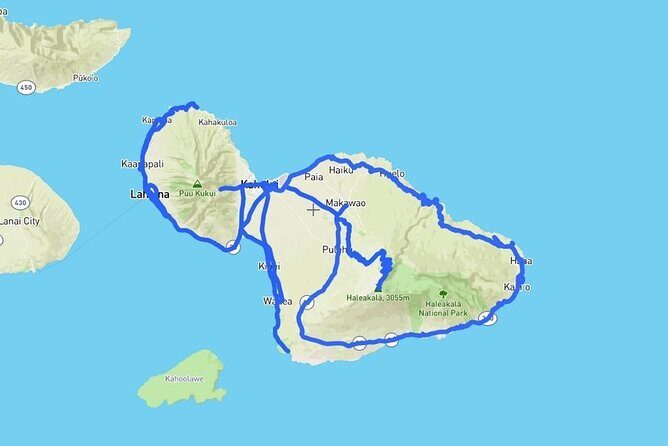
Maui is one of those islands where you rarely go straight from A to B. You stop for waterfalls, beaches, lookouts, and “wait—pull over!” moments. That’s exactly where this tour shines.
The audio is built to play based on your phone’s GPS. As you drive, the GuideAlong track cues you with stories and practical directions at each major stop area. The upside is simple: you don’t need to set reminders or constantly open navigation just to know what you’re looking at next. You can keep your eyes on the road and still feel guided.
It’s also set up for real-world driving issues. Road conditions, weather, and crowds change day to day, so having suggested routes and timing helps without locking you into a rigid schedule. If you want a half-day version, or a longer multi-day plan, the in-app trip planners (plus web and PDF versions) can help you build an itinerary that matches your pace.
One practical note: bring a charger. This kind of GPS audio use can drain a phone fast, and Maui driving eats battery with navigation, photos, and camera use.
You can also read our reviews of more guided tours in Maui


What the tour actually includes (and what you pay separately)
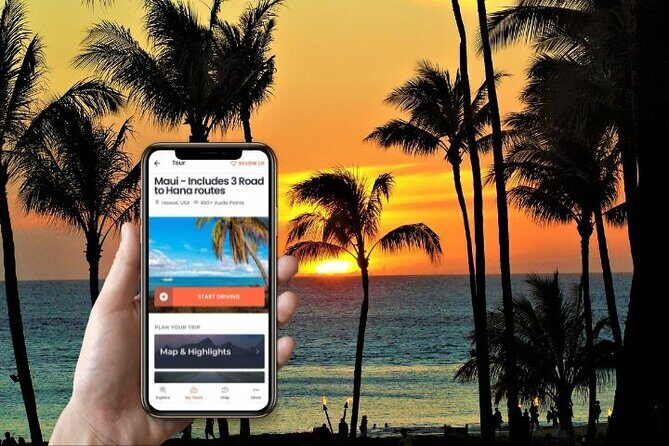
You’re buying the audio experience and the app features, not park admission. The tour includes 465+ points of narration, plus location-based tips, trip planners, offline use, and ongoing access with free updates.
You do need to handle:
- National Park entry fees / passes at Haleakalā-related areas and within the park boundaries
- Timed entry and reservations where required, especially Wai’anapanapa State Park and Haleakalā sunrise
- Any stop that lists admission as not included
This is normal for Maui. The difference is you won’t be guessing which stops require fees or which ones are reservation-only. The audio guide calls out what you need while you’re on the road, so you can avoid arriving at a locked gate without realizing it.
Haleakalā summit and Kipahulu (Ohe’o Gulch): the science-meets-views day
If your Maui trip has one “wow” mission, it’s usually Haleakalā. This tour takes you up through the crater area and also down to Kipahulu, where the landscape flips from high, dry air to ocean-level valleys.
Ohe’o Gulch and the Seven Sacred Pools (Kipahulu)
At the end of the Road to Hana drive, you reach Ohe’o Gulch at Kipahulu, the ocean-level extension of Haleakalā National Park. The tour highlights the Oheo Pools, also known as the Seven Sacred Pools—beautiful, but not always accessible the same way. Swimming and wading can be limited based on conditions, so it’s smart to check ahead before you plan your water time.
This area is also the trail start for the Pipiwai Trail, which is one of the island’s most famous hikes. If you’re the type to want a short walk first, you can do that here too, including ocean-shore viewpoints.
Big logistics reminder: because this is inside a national park, you’ll need to pay the entry fee or show your existing pass.
Wai’anapanapa State Park: black sand, blowhole, and reservations
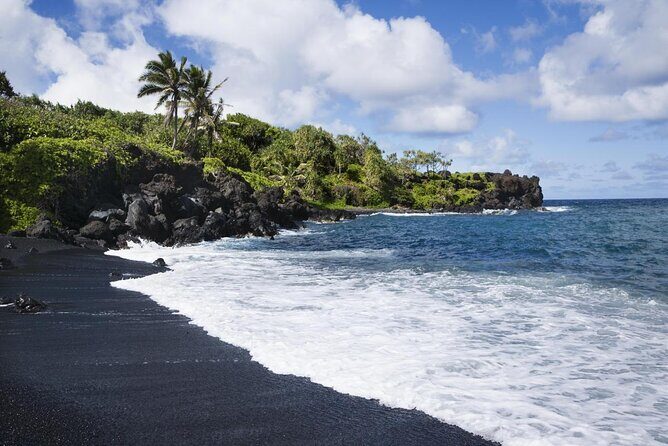
Wai’anapanapa is Maui’s most famous black sand beach, plus a volcanic-coast playground where you can spot features like the sea arch and blowhole area. It’s also steeped in Hawaiian legend, so the narration adds context that makes the place feel more grounded than just a photo stop.
Reservations are required for entry here, so this is one of your must-plan-ahead stops. If you’re building your itinerary, try to match your reservation timing to your driving day so you don’t end up scrambling.
You can also read our reviews of more tours and experiences in Maui




Haleakalā Crater and viewpoints: visitor center to Red Hill
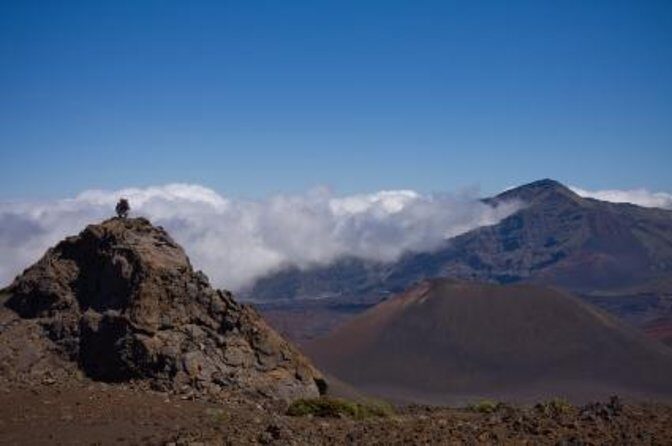
The tour takes you to the Haleakalā summit area with multiple viewpoint layers. You’ll start at the Visitor Center area at about 9,700 feet, with viewpoints into the crater and smaller cinder cones. Then it continues up to Red Hill at 10,023 feet for sweeping views in every direction.
Reservations are required for sunrise visits, but the tour also notes you can visit at other times without a reservation. Either way, you’ll still need to pay the National Park entrance fee unless you already have a pass.
If you like sunrise but don’t want the pressure of a tour bus, this audio approach can help. You can time your day around the reservation window, then slow down for photos and walking on your own schedule.
Road to Hana: how to make the most of the drive without burning your day

The Road to Hana is where Maui goes from “scenic” to “how is this even real?” You’ll find waterfalls, bamboo, lava, beaches, and legends in tight clusters. This tour builds your stops so you don’t miss key turns and don’t waste time backtracking.
Twin Falls: muddy path, good payoff
Twin Falls is often one of the first places you’ll want to get out of the car. The tour notes a 1.5-mile trail through bamboo, with a frequently muddy surface—so plan for footwear you don’t mind getting wet.
There are choices about how far you hike, which matters on Hana roads where time can disappear fast. If you want a shorter stretch, you can still get the waterfall views.
Lava Tube: Hana Lava Tube
Later on, the tour includes the Hana Lava Tube, one of Maui’s more accessible lava tubes. You can go inside, but you don’t have to go all the way if you’re claustrophobic. It’s a fun, slightly different stop compared to waterfalls and beaches.
Kalahaku Overlook and scenic viewpoints
This tour doesn’t treat every stop like a parking-lot photo. It also includes viewpoint guidance on the climb, like Kalahaku Overlook, with views both toward erosion features and outward across Maui. These are the moments that help you connect the dots between different parts of the island’s volcanic story.
Waterfalls with personality: Wailua Falls and Upper Waikani Falls
Wailua Falls is described as one of the more picturesque options on the Hana drive, and it sits between Hana and the Ohe’o Pools—so it’s in the right spot for a break.
Upper Waikani Falls is also called 3 Bears Falls, with an interpretation that changes based on water flow. After heavy rain, you get one thick stream; with less water, it splits into three separate falls. That’s exactly the kind of detail that helps you manage expectations when the weather shifts.
Twin Beaches section: Ho’okipa, Hamoa, Koki, Polo
Road to Hana has several beach stops that feel like breathers. This tour spreads them out so you’re not doing beach-to-beach nonstop.
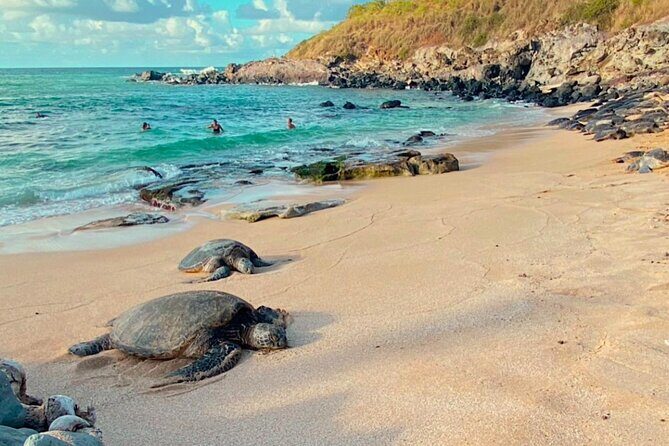
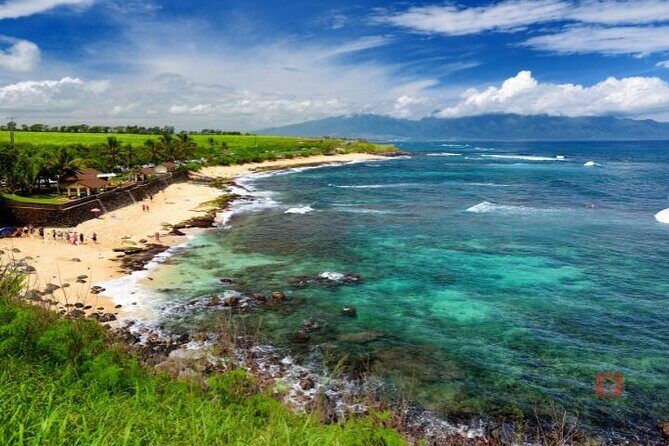
- Ho’okipa: not recommended for swimming due to constant wind and currents, but it’s great for watching windsurfers. You may also spot turtles snoozing, and the tour reminds you not to touch.
- Hamoa Beach: a small crescent of sand where you can stretch and cool off. There are bathrooms and showers, but no lifeguards.
- Koki Beach: a quick stop with a view toward Alau Island and Hawaiian legends tied to Pele and Maui.
- Polo Beach: a solid turtle-spotting beach in front of the Fairmont Kea Lani area. The tour suggests snorkeling close to the rocks near the north end.
If you’re traveling with a mix of hikers and beach lovers, these stops give everyone something without turning the drive into a long slog.
Keʻanae Arboretum and the Pipiwai Trail: the nature break that needs time
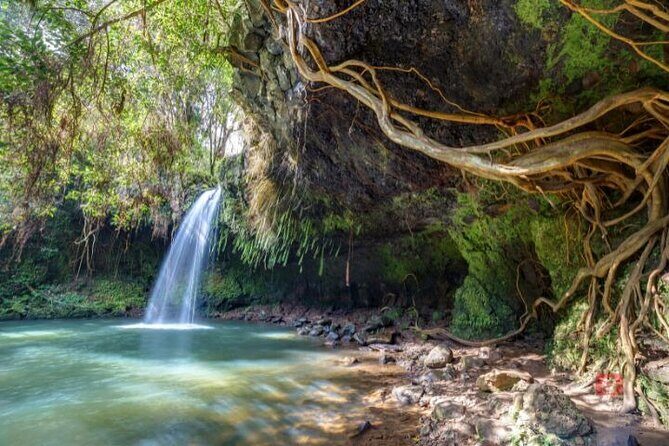
Two parts of this tour deserve extra planning: Keʻanae Arboretum and Pipiwai Trail. They’re both easy to enjoy—just don’t try to squeeze them in between back-to-back waterfall stops.
Keʻanae Arboretum: short, no-cost, and photo-friendly
Keʻanae Arboretum is an easy stop with no admission cost. The narration calls out tropical plants and the chance to get up close to Rainbow Eucalyptus trees, plus examples like ginger, papaya, and hibiscus.
If you only have 30–60 minutes for a nature stop, this is the one. It’s also a good option if you want something that feels Hawaiian-cultivated rather than only scenic.
Pipiwai Trail (Ohe’o Gulch area): moderate hike with a clear turnaround plan
Pipiwai Trail is inside Haleakalā National Park, so entrance rules apply there too. The tour describes a 4-mile loop with about 650 feet of elevation gain, labeled moderate. If it’s hot, it can feel harder than you expect.
Along the way, you’ll see Makihiku Falls. The highlight is typically Waimoku Falls, which is farther on. If you decide the hike is too much, turning back at an earlier point is reasonable—the tour even frames this as part of the plan.
The timing tip matters: the tour notes you should have the trail by around 2pm if you want time to hike and still drive back comfortably. Translation: don’t start this late in the day unless you’re okay with rushing.
South Maui beaches and gardens: where you can slow down after Hana
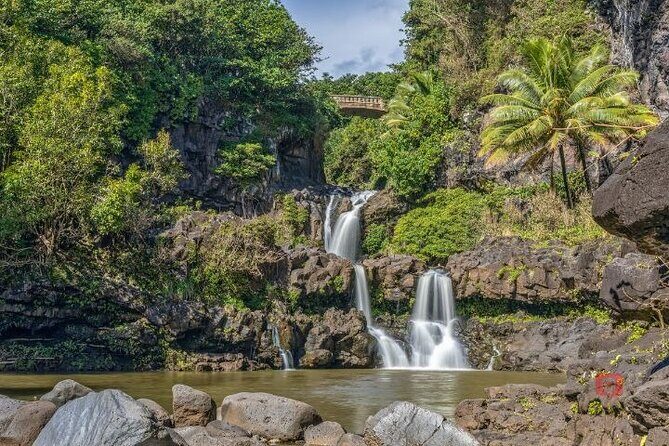
After the Hana stretch, the mood shifts. This tour helps you transition from intense scenery to slower beach time and culture spots.
Kihei: calm water, beach parks, and sunset views
Kihei is South Maui’s resort belt, with about 6 miles of sandy beach and multiple beach parks. The tour notes the protected side of the island often means calmer water and gentler waves than other areas—good news for simple beach hangs.
Kihei also gets praise for sunsets and for views of Molokini and Kahoʻolawe. This is a good half-day base if you’re not staying in a full resort hotel row.
Kahanu Garden and Piʻlanihale Heiau
Kahanu Garden is a botanical stop focused on cultural relationships between people and plants brought across the Pacific. It also includes Piʻlanihale Heiau, a massive lava-rock temple structure believed to be the largest man-made structure in Polynesia (as described in the tour).
If you want a guided component, the tour notes you’ll want about 2 hours. For a self-tour, 90 minutes works.
Kamaole Beach Park I: family-friendly and sunset spotting
This is one of three nearby beaches along Kihei. The tour says it’s family friendly with snorkelling, plus restrooms, showers, and lifeguards. It’s also a great place to watch for the green flash near sunset.
Wailea, Makena, and Honolua Bay: more coast than checklists
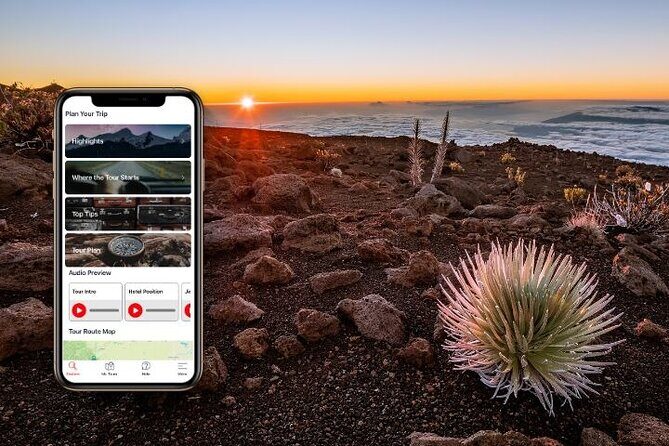
South and West Maui are where you can stack beach time with a few higher-stakes ocean stops.
La Perouse Bay: end-of-the-road exploring
La Perouse Bay is for people who want to go farther than the usual detours. The tour notes snorkelling spots around coves, but also warns the coastline is rocky and the area is exposed to sun. Footwear helps, and it mentions the Kings Trail through lava fields if you want a longer stroll.
D.T. Fleming Beach Park: ironwood shade and shore break reality
This beach has ironwood shade, plus lifeguards, restrooms, showers, and BBQ grills. The tour also calls out that waves can be good for boogie boards and bodysurfing—but shore break can be rough, so take conditions seriously.
Makena Beach: Big Beach to Little Beach
The tour frames Big Beach as the main local-focused option, with sandy access and often-swimmable water. It also repeats the critical warning: watch shore break when entering and leaving.
Then there’s the Little Beach route, with a note that it’s clothing optional. If you’re sensitive to that, plan accordingly.
Wailea Beach: best beachside walk plus snorkel turtles
Wailea Beach gets singled out for a good beachside walk and for snorkelling spots where turtles can be seen. The tour also mentions hiking boardwalks and the Shops at Wailea as a short detour.
Honolua Bay: serious snorkel and a surf-cardio reason to visit
Honolua Bay is described as a protected area with excellent snorkelling and diving with reef fish and coral formations. The tour also points out that the shoreline can be rocky, and it mentions Billabong Pro surfing activity nearby with viewing possible from rocky cliffs during December.
Lahaina, Kaʻanapali, and Nakalele Blowhole: wrap with history and sea noise
If you end your driving day with West Maui, you’ll get a clean mix: heritage town energy, resort-area beach time, and a blowhole that looks like it’s trying to blow off the planet.
Lahaina: waterfront walking and banyan-tree market stops
Lahaina is described as Hawaii’s first capital under King Kamehameha the Great, with historical importance tied to trade and whaling port activity. The tour suggests exploring on foot along the waterfront for heritage buildings and stores, plus market stalls often under the banyan tree.
Kaʻanapali Beach: families, boardwalks, and a nightly diving ceremony
Kaʻanapali gets classic beachfront time: golden sand, snorkelling options, boardwalk walks, showers, picnic areas, and lifeguards. The tour also includes the nightly diving ceremony detail, where a diver lights tiki torches and dives off Puu Kekaa or Black Rock.
Nakalele Blowhole: close views, stay safe, don’t turn your back
Nakalele Blowhole is a popular top-of-West-Maui stop. You’ll take a short trail down for the closest views, but the tour is clear: stay back from the blowhole and follow safety instincts around waves. It also repeats a Hawaii rule of thumb: never turn your back to the ocean.
Practical tips so this stays fun, not fiddly
This tour works best when you treat it like a driver’s co-pilot rather than a strict itinerary.
- Charge your phone before you start. GPS audio plus photos drains battery faster than you think.
- Use the tour’s own start/resume logic. If you pause after a stop, you can return in the app under My Tours and resume based on GPS location.
- If you use CarPlay, keep expectations realistic. One of the best advantages here is that audio prompts can guide you without constant screen interaction, but full in-car navigation integration isn’t the point of this system.
- Plan around reservations and entry rules. Haleakalā sunrise needs reservations, Wai’anapanapa requires reservations, and national parks require paid entry or your pass.
- On hikes, start early enough. Pipiwai has a clear time guidance to keep your day from turning into a scramble.
Also, if you run into app access issues, the tour system depends on modern devices. The minimum OS requirement noted for smooth use is iOS 14+ or Android 9 (Pie)+.
Should you book this Maui self-guided audio driving tour?
Book it if you want a cheap, flexible, guided-feeling way to hit Maui’s headline sights—Haleakalā, Road to Hana, black sand beach, whale lookout options, and West Maui coast—without paying for a full-day tour bus.
I’d skip it if you’re the type who only wants one or two stops and hates handling park logistics on your own. Since several major sites need reservations or paid entry, you’ll want to do that homework either way.
If you rent a car and you like driving at your own pace, this tour is one of the better “use your time well” purchases on Maui. The best part is the way the narration stays tied to where you actually are, so your day feels planned without feeling scheduled.
FAQ
Do I need cell service once I start driving?
No. The tour is designed to work offline after you download it in the GuideAlong app. Once downloaded, you don’t need internet or cell service to use the audio.
Are National Park entrance fees included?
No. National Park passes and entry fees are not included. The tour notes that you’ll need to pay for entry or show an existing National Park Pass at places within Haleakalā National Park.
Do I need reservations for Wai’anapanapa State Park and Haleakalā sunrise?
Yes for both. Wai’anapanapa State Park requires reservations for entry. Haleakalā requires reservations for sunrise visits, though you can visit at other times without a reservation.
How long can I use the tour after I buy it?
You can use it at your own pace with no time limit. It’s described as a buy once, use forever purchase with no expiry, plus free updates.
How big is the group for the price?
The price is $29.99 per group, and it covers up to 8 people in the vehicle.
Can I cancel for a full refund?
Yes. You can cancel up to 24 hours in advance for a full refund. If you cancel within 24 hours of the experience start time, the amount paid is not refunded.