REVIEW · MAUI
Road to Hana in Mercedes Van: Waterfalls and Black Sand Beach
Book on Viator →Operated by Stardust Hawaii, LLC · Bookable on Viator
The Road to Hana is easier in a van. This small-group Mercedes tour trades stress for views, with live English commentary and real time for photos, swims, and local stops all the way to Maui’s famous black sand beach.
I especially like that you start early with smart pickup options and then spend the whole day letting your driver do the navigating on winding Hana Road. I also like the food setup: a picnic-style lunch plus snacks, water, Hawaiian cane juice, and pastries, with stops like Aunty Sandy’s banana bread built in.
One thing to consider: this is a long day (about 9 to 10 hours), and you need to be ready for limited food flexibility since special diets like vegan/raw or food allergies aren’t offered. If you’re picky about timing, swimming spots, or lunch choice, plan ahead and pack accordingly.
In This Review
- Key highlights worth caring about
- Why the Mercedes van changes the Road to Hana game
- The day’s rhythm: early pickup, packed stops, and manageable breaks
- Paia and Ho’okipa: the north-coast warmup before Hana Road
- Ke‘anae Point and Hana Highway: lava land, famous banana bread, and waterfalls
- Wailua and Hana Bay: where volcanic water stories meet black sand
- Wai’anapanapa State Park: your black sand beach hour plus lava-tube option
- Pua’a Ka’a and Wailua Valley: rarer-feeling stops away from the spotlight
- The last quick wins: Rainbow Eucalyptus and final lookouts
- Price and value: what $249.99 really buys you
- Who should book this Road to Hana van tour
- Should you book it, or plan your own Hana day?
- FAQ
- How long is the Road to Hana tour?
- What is the group size?
- What’s included for food and drinks?
- Are special diets like vegan or raw food included?
- Is Wai’anapanapa State Park admission included?
- Is pickup available?
- What happens if weather is bad?
Key highlights worth caring about
- Mercedes van + air-conditioning on a long, warm, winding drive
- Max 14 guests means you’re not lost in a crowd at stops
- Wai’anapanapa State Park includes time for the black sand beach plus admission
- Waterfall time with chances to swim at places along Hana Road
- Included lunch and snacks keep you from burning vacation time hunting food
- Frequent restroom breaks tied to the stop schedule
Why the Mercedes van changes the Road to Hana game
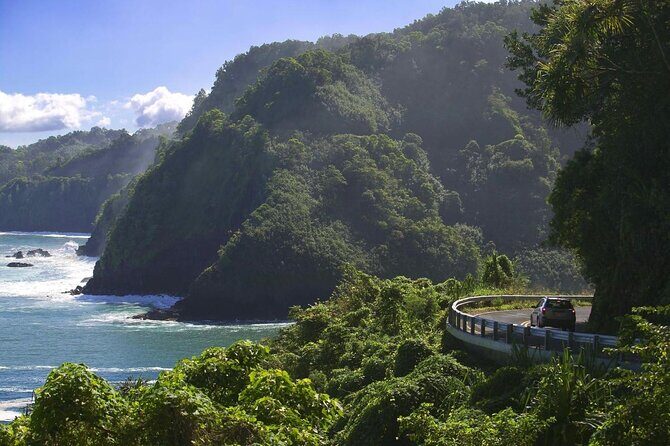
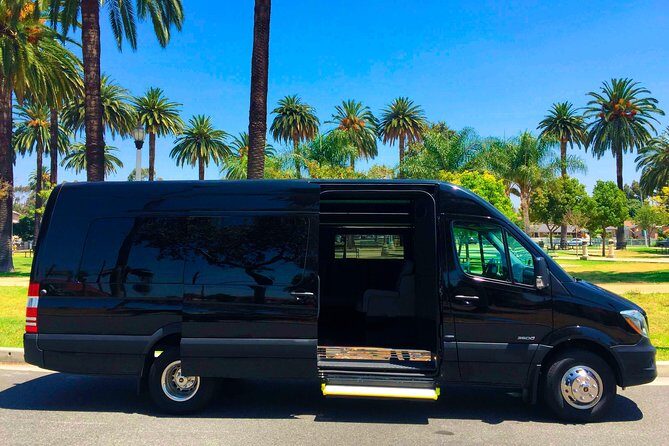
The Road to Hana has a reputation for being slow, twisty, and stop-and-go in the best way. What you don’t need on vacation is white-knuckle driving and last-minute parking math. A Mercedes with live, English commentary means you can sit back and watch the coastline and rainforest layers roll by while your guide fills in the why behind the sights.
The van also matters for comfort. You’re on the road for most of a day, so big windows for views, air-conditioning, and a driver who’s used to the route all reduce fatigue fast. Reviews mention drivers staying alert, handling traffic with care, and making space for safe photo stops, which is exactly what you want on a road like this.
The small group size is the other big win. With up to 14 people, it’s easier for your driver to keep an eye on everyone and adjust pacing when conditions change (or when someone needs a quick bathroom stop).
You can also read our reviews of more tours and experiences in Maui.
The day’s rhythm: early pickup, packed stops, and manageable breaks
This tour runs about 9 to 10 hours, and the early start is part of the deal. You’ll typically leave around the early morning window depending on where you’re picked up, and that timing helps you hit popular areas with a little less chaos.
Stops are intentionally short at some photo viewpoints (think 5 to 20 minutes), and longer at the bigger priorities. Your job is basically to show up with shoes that work on muddy ground, a swimsuit if you want waterfall time, and a backup plan if you’re not feeling the water.
A practical tip: you’ll want to travel light on the stuff you have to carry. The best moments on Hana Road are the ones where you can quickly hop out for a view, take your pictures, and hop back in. The schedule is built around that flow.
Paia and Ho’okipa: the north-coast warmup before Hana Road
Even before Hana gets dramatic, the route starts giving you context. Shortly into the drive from the Kahului area, you’ll stop near Pāʻia. It’s a historic plantation-era town split into Lower Pāʻia and Pāʻia, and today it’s known for colorful storefronts, local art, and small browsing. This is a good early-break stop because it’s not a scramble for a quick photo. You can reset, stretch, and get your bearings.
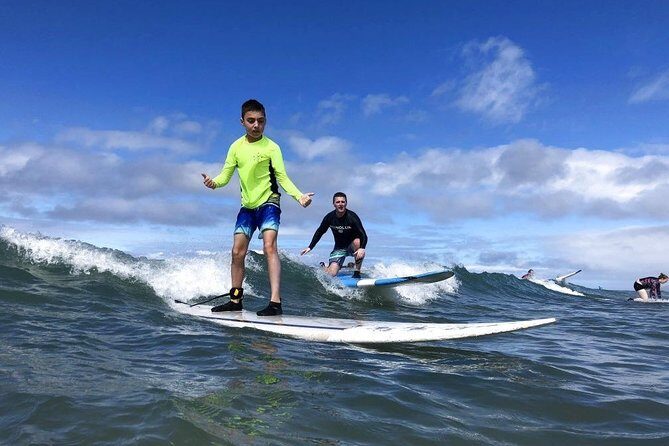
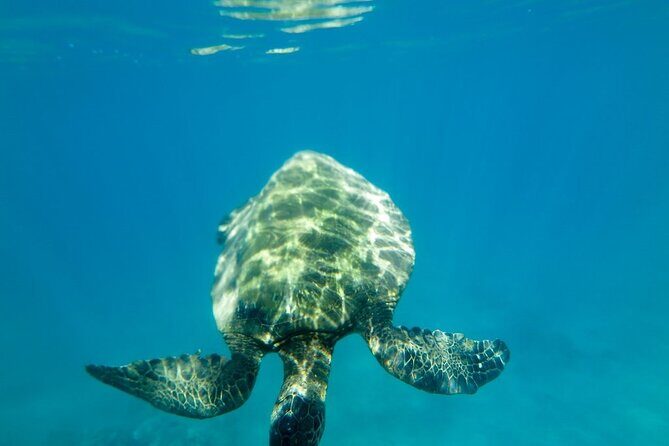
Next comes Ho’okipa Beach Park, a classic Northshore stop for a light breakfast feel and shoreline watching. If the ocean is cooperating, you’ll have a chance to spot surfers and sea turtles and grab pictures of the coastline. There are lavatories here, which makes this a nice bridge between early pickup and the longer Hana Road segment.
If you’re the type who hates rushing the first hour, don’t worry. These early stops help the day feel structured rather than chaotic.
Ke‘anae Point and Hana Highway: lava land, famous banana bread, and waterfalls
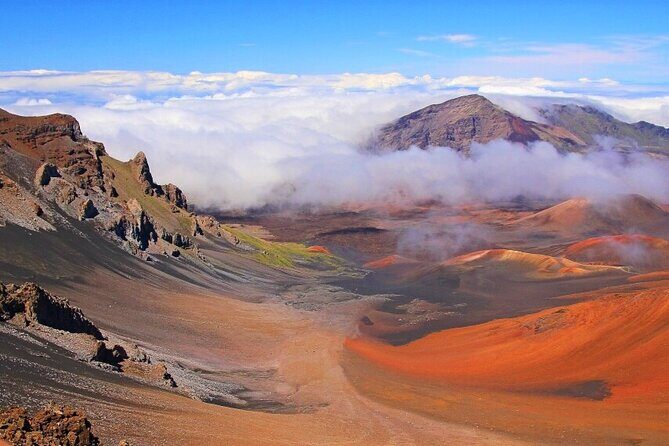
Once you reach Ke‘anae Point, the geology and culture shift into higher gear. The Keʻanae Peninsula was formed from a lava flow linked to Haleakala, and Hawaiians historically brought soil down by hand to build the peninsula. It’s the kind of place where the scenery and the story match up, and it makes sense why this area holds so much cultural weight.
Then you get one of the most straightforward crowd-pleasers on Maui: Aunty Sandy’s Banana Bread in Keʻanae. The bread is hot, baked fresh from a family operation, and it’s timed to hit when you’re ready for a snack that actually tastes like Maui. If you’re doing the Road to Hana, this is one of those stops that’s more than a souvenir. It’s fuel for the rest of the day.
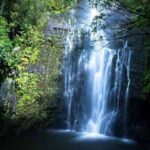
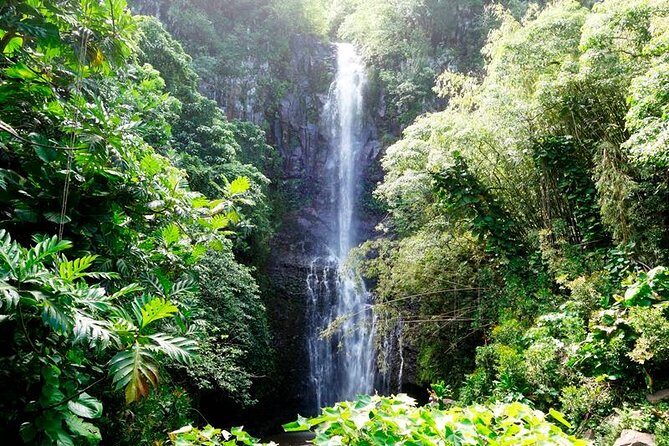
The waterfall portion is where the day earns its name. Along Hana Road, you’ll see an early stretch of waterfalls and pools, including a less-signed option with a short hike over a muddy path. That detail matters: the signed falls can get crowded, but the quieter pool hike gives you more breathing room if you want photos and a swim without feeling like you’re in a conveyor belt.
You’ll also hit Upper Waikani Falls, often called Three Bears because you get three parallel falls of different lengths. It’s a great example of the Road to Hana’s personality: dramatic enough to impress, but still approachable if you’re willing to move carefully.
And yes, you’ll continue to Wailua Falls, one of the most photographed waterfalls on Maui. The stop is quick (about 10 minutes), so focus on what you can actually do in that time: grab your photos, check the water conditions, and decide if it’s worth stepping closer.
Wailua and Hana Bay: where volcanic water stories meet black sand
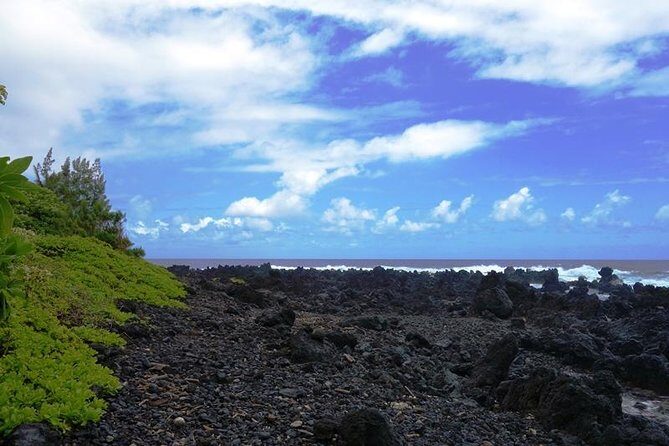
The Maui you see today is shaped by volcanic landforms, and this part of the day connects the dots. There are natural lava-tube formations on Maui from ancient flows, where cooled surfaces formed channels for lava underneath. Over time, tubes can cave in, leaving fewer major ones still accessible.
Your route also passes Hana Beach Park in Hana Bay, which features a long black-sand beach and is described as a safer swimming spot on the East Maui coast. The bay is protected by a coral reef and sheltered from big swells by its curved shape. Practically speaking, that means you might feel more comfortable planning a quick dip here than at some other coastline spots you’ll see on Maui.
Even if you don’t swim at every stop, the scenery here helps you understand why the Hana area feels so remote and powerful. It looks and feels like a world apart from the highway convenience of the rest of the island.




Wai’anapanapa State Park: your black sand beach hour plus lava-tube option
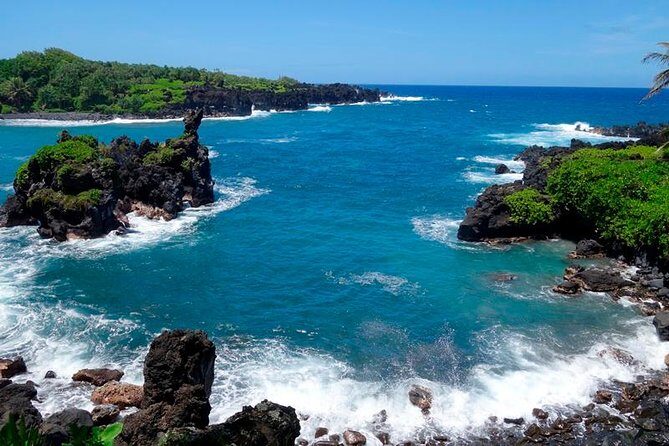
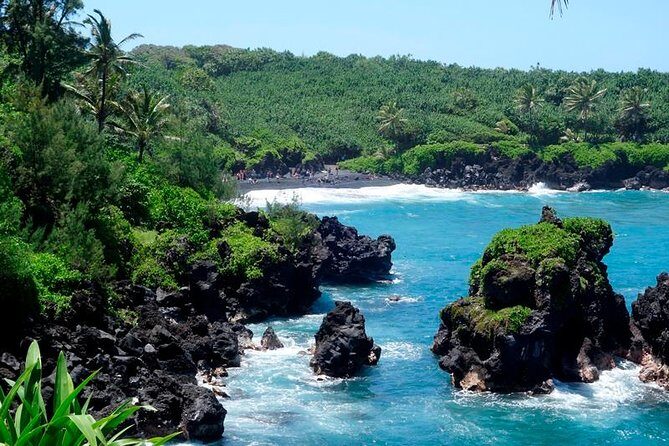
This is the anchor stop of the day: Wai’anapanapa State Park. It’s where you find Maui’s famous black sand beach paired with striking cobalt-blue water and volcanic rock along the shoreline.
Plan on about an hour here. That time is enough to do the basics well: walk the edge of the bay, find a shaded spot to sit a bit, and take in the sweeping views from land. The park is also known for nearly 360-degree panoramas, with green jungle valleys meeting rugged basalt coastline. Out toward the ocean, waves break with spray against the cliffs, which turns your photos from flat to dramatic.
One more thing I’d call out: there can be a lava-tube experience in this area, and some tours run it on limited windows. If you really want the lava tube part, aim to treat it like your main activity here, not a casual add-on.
Drawback to plan for: this is the most memorable stop, so your energy is the limiting factor. If you want to swim, switch into dry clothes afterward if you can. If you just want photos, still take a breath and don’t rush the walk—this is one of those places where you’ll want to linger.
Pua’a Ka’a and Wailua Valley: rarer-feeling stops away from the spotlight
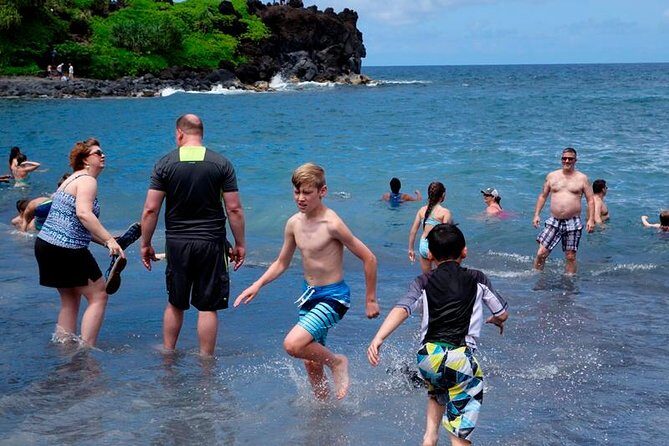
After Wai’anapanapa, the day keeps giving you meaning, not just mileage.
Next is Pua’a Ka’a State Park. You’ll see Pua’a Ka’a Falls, described as rolling pig. This is a smaller, more understated waterfall stop with freshwater pools where swimming is allowed at your own discretion. Lavatories are available, which makes it easier to enjoy without having to rush.
Then comes Wailua Valley State Wayside Park, an area tied to the ahupua‘a land system. It’s rich in Hawaiian cultural references, including rare plant and fish life and ancient taro patches (kalo). The tour framing here is important: it’s not just a scenic stop, it’s a glimpse at how land and water support life in a Hawaiian worldview.
This part can feel surprisingly calm compared to earlier waterfall crowds. That’s a nice reset before the last quick photo moments.
The last quick wins: Rainbow Eucalyptus and final lookouts
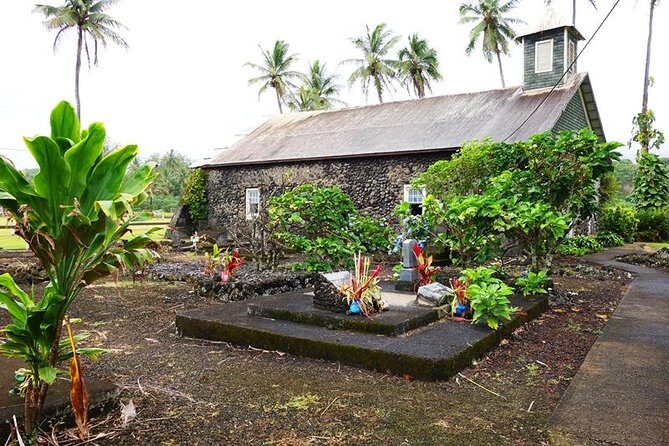
By the time you hit the final stretch, the pace shifts again. You’ll make quick stops with a purpose: a short photo moment, a viewpoint, and a few last “wow” angles before you head back.
One stop is Eucalyptus Rainbow Trees, which is famous for bark that sheds to reveal bright bands of green, blue, purple, orange, and maroon. The tree can grow very tall in Hawaii, and it’s one of those weirdly beautiful natural details that makes Maui feel playful.
You’ll also have lookout-style pullouts that give you a sense of the Keʻanae Peninsula and nearby bays. These are fast, so if you want photos, line up your shots quickly and then enjoy the view without overthinking it.
Price and value: what $249.99 really buys you
At $249.99 per person, you’re paying for a full-day conversion of your vacation time into curated driving time. The van handles the tough navigation and the constant winding-road decisions. You also get live English commentary, an air-conditioned vehicle, and a bundled set of inclusions that add up: lunch plus snacks, water, juice, and pastries.
Admission is included for Wai’anapanapa State Park (while many other stops have free admission), which matters because this is the priciest-feeling part of the day for many self-guided travelers. Your lunch is also not just a single sandwich. It’s picnic-style with homemade sandwiches (ham, turkey, or veggie), plus fruit and Hawaiian juices.
The value tradeoff is food flexibility. The tour does not offer raw/vegan options or allergy accommodations, and you won’t be able to swap in different meals on the fly. If dietary needs are part of your planning, you should treat this as a carry-your-own-food situation.
Also, budget for gratuity. Driver’s gratuity (15–20%) is not included.
Who should book this Road to Hana van tour
This tour fits best if you want the Hana Road experience without doing the driving yourself. It’s especially good for:
- Couples and solo travelers who like structure but still want time to swim and roam
- People who prefer shorter stops with clear direction instead of getting lost in the weeds
- Anyone who wants a small group day with more attention from the guide
It may be less ideal if you hate long car time, want totally flexible stop lengths, or need strict dietary accommodations.
One more practical note: van seating can feel tight for some people on a 9 to 10 hour day, especially in the back. If you’re larger-framed or you know you’ll want extra room, you might be happier with a private option if the company offers it for your travel dates.
Should you book it, or plan your own Hana day?
Book this tour if you want a smooth, guided Road to Hana day with black sand beach time, waterfall stops, and included food that’s designed for this kind of schedule. The small group, the driver experience, and the inclusion of lunch and snacks make it a strong “time value” choice.
Skip it or rethink it if your top priority is maximum independence, you have strict dietary needs, or you’re sensitive to long hours in a vehicle. Also, double-check your pickup arrangement before you assume you can hop on at your exact hotel, since some areas use set meeting points.
FAQ
How long is the Road to Hana tour?
It runs about 9 to 10 hours.
What is the group size?
The tour maximum is 14 travelers.
What’s included for food and drinks?
You get picnic-style homemade sandwiches (ham, turkey, or veggie), snacks, water, Hawaiian cane juice, and pastries.
Are special diets like vegan or raw food included?
No. The tour does not offer raw, vegan, or allergy-friendly alternatives, and you’ll need to bring your own food if you have dietary restrictions.
Is Wai’anapanapa State Park admission included?
Yes. Admission is included for the Wai’anapanapa State Park stop (about 1 hour).
Is pickup available?
Pickup is offered from select Maui locations and many resorts, with Park ’n ride meeting points as alternatives. If your resort is not listed, you’re asked to contact the office for faster pickup arrangements.
What happens if weather is bad?
The tour requires good weather. If it’s canceled due to poor weather, you’ll be offered a different date or a full refund.