REVIEW · MAUI
The Maui Butterfly Farm Tour
Book on Viator →Operated by The Maui Butterfly Farm · Bookable on Viator
Butterflies land when you do the right thing. This small-group Maui Butterfly Farm tour is built around up-close time with native Hawaiian butterflies, plus flight-house feeding that turns biology into a hands-on moment. The whole visit runs about 45 minutes, and it can feel hot and humid, so plan for that.
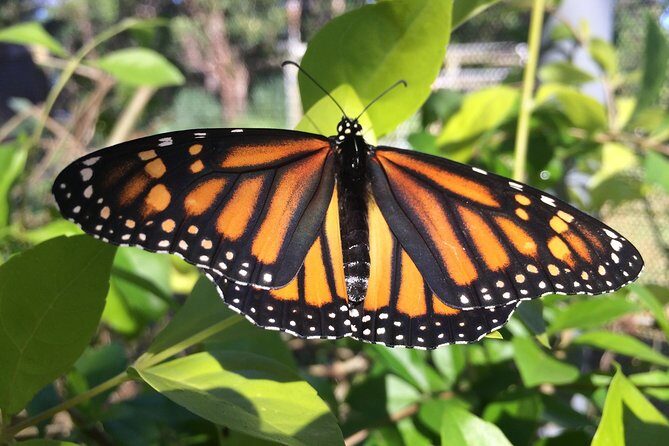
I love that the focus isn’t just pretty wings. You learn how the farm breeds, researches, and uses education to help Hawaii’s butterfly species, and you’ll have chances to hold caterpillars, butterflies, and even praying mantises as part of the experience.
One thing to consider: if you’d rather keep insects at a distance, this tour leans interactive. Still, the vibe is relaxed, and the pacing is friendly for different ages, including very young kids with the right adult energy.
In This Review
- Key things to know
- Maui Butterfly Farm Tour at a Glance (and why it works)
- Where you go in Lahaina: the stop on HI-30
- Stop 1: The Maui Butterfly Farm and the flight house experience
- Hands-on moments: caterpillars, butterflies, and praying mantises
- The conservation story behind Hawaii’s native butterflies
- Timing, weather, and what comfort really looks like
- Group size and guide attention: why it feels personal
- Price and value: is $49.99 worth it?
- Who should book this Maui Butterfly Farm stop?
- Little extras that make planning easier (Leoda’s and parking reality)
- Should you book the Maui Butterfly Farm Tour?
- FAQ
- How long is the Maui Butterfly Farm tour?
- What does the $49.99 ticket include?
- Where do I meet for the tour?
- How many people are in the group?
- Is the tour offered in English?
- Do I need good weather?
- Are service animals allowed?
- What’s the cancellation policy?
Key things to know
- Small group, max 12 travelers means more time to ask questions and get hands-on moments
- 45 minutes keeps it focused, but it’s not a long, wandering farm day
- Flight-house feeding in an on-site lighthouse is the signature experience moment
- Egg-to-butterfly life cycle lessons connect what you see to what the farm is trying to protect
- Hands-on handling may include caterpillars, butterflies, and praying mantises
- Nearby food stop options can make your pre/post timing easy (Leoda’s pie shop is right nearby)
Maui Butterfly Farm Tour at a Glance (and why it works)
If you like nature that’s more than scenery, this tour hits the sweet spot. You’re not just walking through a pretty spot—you’re learning how butterflies are raised and protected, and then you’re part of what happens next.
The visit is priced at $49.99 per person and lasts about 45 minutes. It’s offered in English, and it uses a mobile ticket. On average, it’s booked around 21 days in advance, so if you’re traveling in a busy stretch, it’s smart to lock it in early.
A big reason the experience feels personal is the size: it runs with a maximum of 12 travelers. That matters because the farm experience is interactive. When the group is small, guides can make sure you get the kind of close-up time you came for, not just a quick look and a wave from the back.
You can also read our reviews of more tours and experiences in Maui


Where you go in Lahaina: the stop on HI-30
The tour meets at 737 HI-30, Lahaina, HI 96761 and returns you to that same spot when you’re done. The location being on a road like HI-30 is handy: it makes planning simpler if you’re driving and you don’t want to fight with complex last-mile directions.
Also, this area is set up for quick add-ons. One of the most practical perks people mention is that there are shops nearby, including Leoda’s Pie Shop. If your day in Lahaina needs a sweet break before or after the tour, you can stack it without burning extra time.
Stop 1: The Maui Butterfly Farm and the flight house experience
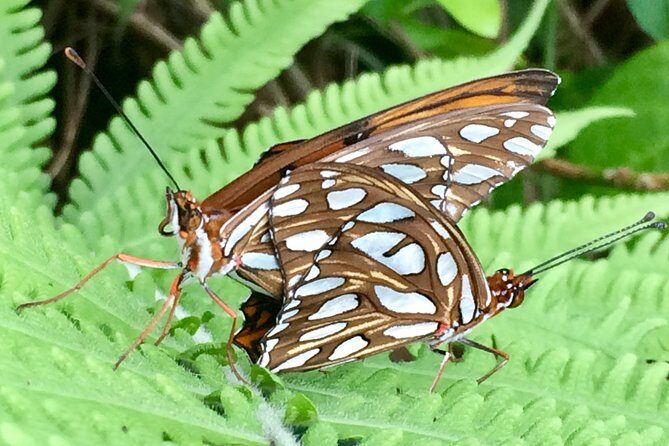
The heart of the visit is the farm itself: a butterfly production facility where they raise butterflies in Hawaii. You’ll see the kinds of butterflies they work with, and you’ll hear how the farm approaches conservation through propagation, research, and education.
Then comes the moment that makes this tour feel different from a typical nature walk: feeding inside the butterfly flight house, including feeding “from” an on-site lighthouse setup. The idea is simple—your job is to hold the right thing and be patient enough for butterflies to choose you.
Expect the energy to shift here. Early on, you’re learning the life cycle and what the farm is doing. After that, it’s more about observation and timing—watching for landing behavior, noticing how different species respond, and getting those up-close moments on purpose instead of by luck.
Hands-on moments: caterpillars, butterflies, and praying mantises
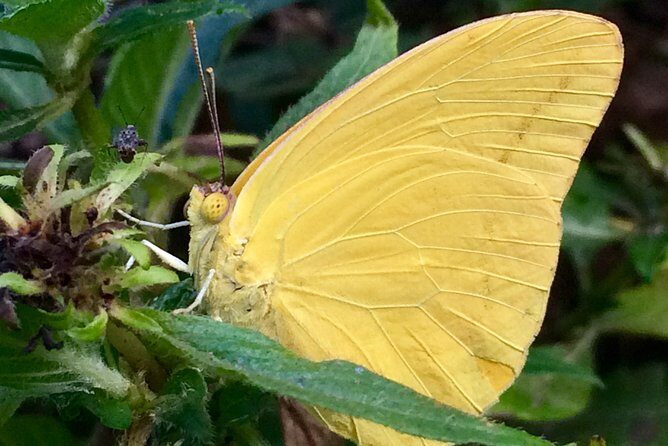
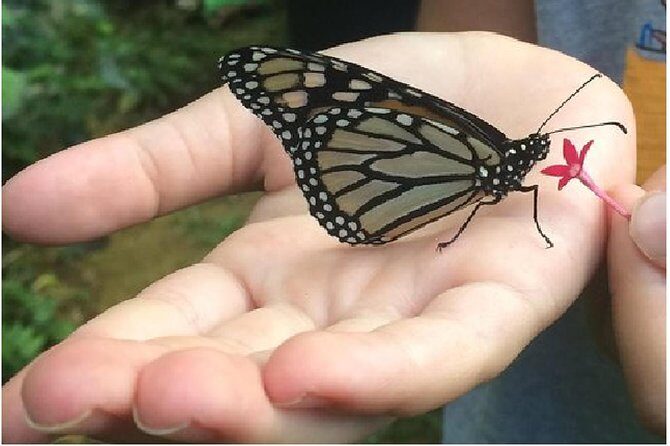
This is a tour where you’re meant to participate. The format is set up for people to have a chance to hold different creatures—caterpillars, butterflies, and praying mantises—as part of the learning.
Guides on past tours (names you’ll hear include Lara and Laura) have been praised for making the hands-on portion work for different ages. A helpful detail: the pace feels designed so people don’t get rushed. The point is to connect what you’re told to what you’re seeing right then.
One of the most useful things you can remember going into this: the butterflies don’t land because you want them to. They land because they’re attracted to what you’re offering and the environment around you. That’s why the tour includes specific interaction tools—like the flowers used to catch butterflies. It turns the experience into something you can influence, not something you just wait for.
If you’re coming with kids, this is often where the smiles happen. Parents report that young children can enjoy it when adults keep things calm and let the guide do the teaching rhythm.
The conservation story behind Hawaii’s native butterflies
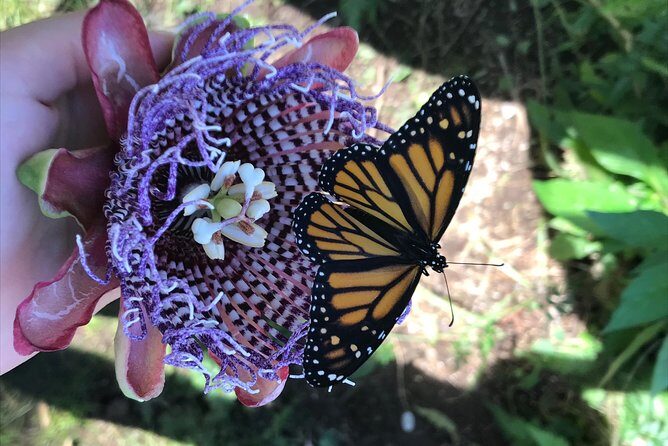
What I like about this tour is that it treats butterflies as more than a cute visual. The farm’s mission is about helping Hawaii’s native species, and the education portion connects conservation to real farm work.
You’ll hear how they aim to save butterflies through:
- Propagation (raising and growing them through the life cycle)
- Research (learning more about what helps them survive)
- Education (teaching people how the ecosystem works and what matters)
Why that matters for you: it reframes the “show” as actual science and habitat care. When you understand the full cycle—egg to adult—you tend to notice details that you’d otherwise miss. And you’re more likely to leave thinking about pollinators and habitat in a practical way, not just remembering a pretty photo.





Timing, weather, and what comfort really looks like
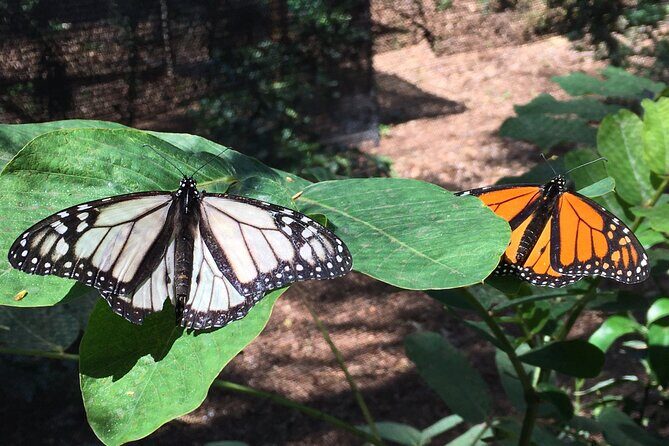
This tour runs about 45 minutes, so it’s short enough that it works as a daytime activity even if you’ve got other plans. Still, don’t underestimate how the environment feels inside a butterfly-focused facility—one common theme is hot and humid.
So, I’d plan for comfort like you would for outdoor tropical weather:
- wear breathable clothes
- keep water handy for before or after
- don’t dress in heavy layers you’ll regret
If you’re the type who hates being sticky, arriving early (so you aren’t rushing) helps you settle in. And since it’s an experience built around close interaction, staying comfortable makes it easier to focus on what the guide is showing you.
Group size and guide attention: why it feels personal
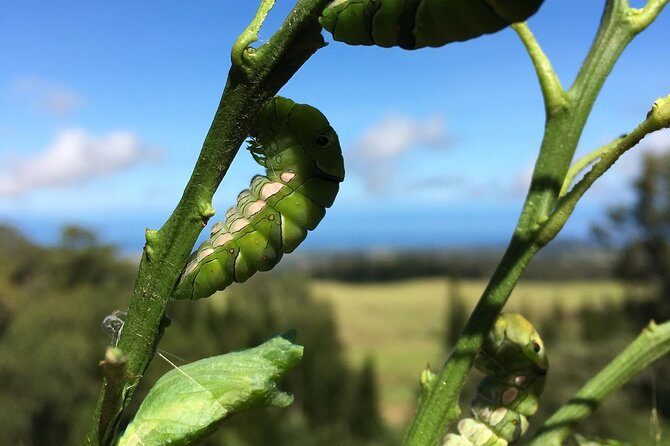
With up to 12 travelers, you avoid the big-tour problem where questions get swallowed. This format helps the guide manage the hands-on portion without feeling chaotic.
It also means the interaction feels more equitable. People mention the staff making sure those who want a chance to hold things get that opportunity. That’s a big deal for families and couples alike. You’re not just watching from the sidelines—you’re participating in a way that feels intentional.
If you end up with a smaller group than expected, you’ll likely notice the difference immediately. Guides can adjust pacing, explain more, and spend time on the parts that interest you most, like the life cycle questions or how to attract landings.
Price and value: is $49.99 worth it?
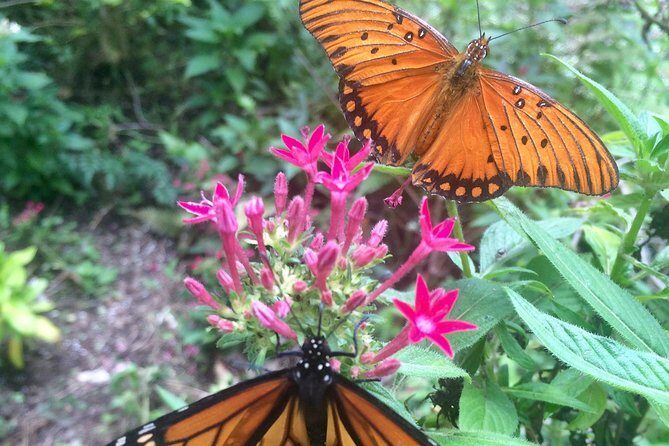
For $49.99, you’re paying for more than admission to a butterfly room. You’re paying for guided interpretation plus structured hands-on interaction, in a group that’s kept deliberately small.
Here’s what makes the value feel right for most people:
- Admission ticket is included, so you’re not adding extra fees at the door
- The tour is interactive, not just observational
- The focus is native species conservation, which adds meaning to what you’re seeing
- You’re getting a concentrated experience in about 45 minutes, which is easier to fit into a Maui itinerary than longer half-day programs
Is it “worth it” for everyone? If your goal is a long, quiet stroll with lots of open space, this isn’t that. But if you want education with real participation—holding creatures and learning how butterfly life works—it’s priced in a way that feels fair.
Who should book this Maui Butterfly Farm stop?
This tour is a strong fit if you:
- travel with kids and want something hands-on that still teaches
- like nature experiences that explain the why, not just the what
- want a short activity that delivers a memorable, photogenic moment
It also works well for couples looking for something different from beaches and shopping. One of the most common reasons people keep calling it a highlight is the combination of education, interaction, and the sheer surprise factor of butterflies landing when you follow the guide’s cues.
If you’re squeamish around insects, think carefully. The experience is designed around interaction, including holding caterpillars and other critters. You might still enjoy the learning side, but the hands-on component is central.
Little extras that make planning easier (Leoda’s and parking reality)
One practical advantage: you can pair this with food nearby. People mention a general store next door and Leoda’s pie shop nearby, which can make your schedule smoother if you like to eat before heading to the next stop.
Also, the meeting point is straightforward: 737 HI-30. That’s useful on Maui when you don’t want your day to hinge on complicated navigation.
Should you book the Maui Butterfly Farm Tour?
I’d book it if you want a short, guided, hands-on Maui experience with a conservation message that actually connects to what you see. The small group size helps a lot, and the flight-house feeding and lighthouse setup are the kind of activities you don’t get from a typical walk-through.
I’d think twice if you want a long farm visit, you don’t like humid environments, or you really don’t want any insect contact. In that case, you might prefer a more observation-only activity.
But for families, nature lovers, and anyone curious about how Hawaii’s native butterflies are raised and protected, this is one of those “worth the time” stops.
FAQ
How long is the Maui Butterfly Farm tour?
The tour lasts about 45 minutes.
What does the $49.99 ticket include?
The admission ticket is included in the price, and you’ll join the small-group farm experience.
Where do I meet for the tour?
The tour starts at 737 HI-30, Lahaina, HI 96761 and ends back at the meeting point.
How many people are in the group?
The tour has a maximum of 12 travelers.
Is the tour offered in English?
Yes, it’s offered in English.
Do I need good weather?
Yes. This experience requires good weather. If it’s canceled due to poor weather, you’ll be offered a different date or a full refund.
Are service animals allowed?
Yes. Service animals are allowed.
What’s the cancellation policy?
You get free cancellation. You must cancel at least 24 hours in advance for a full refund. If you cancel less than 24 hours before the start time, the amount paid won’t be refunded.