REVIEW · MAUI
Taste of Hawaii: A Maui Farm Tour
Book on Viator →Operated by Lā Kāhea Community Farm · Bookable on Viator
One sentence is all it takes: sugarcane juice and farm stories. This Maui tour at Lā Kāhea Community Farm pairs a short walking farm visit with fresh tastings and lessons on Hawaiian crops, plus some great photo chances with views toward Haleakal and the West Maui Mountains.
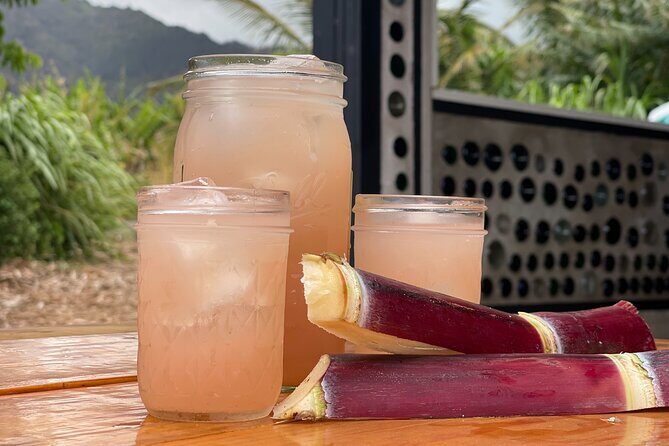
What I like most is the hands-on food part. You get more than samples on a tray. You’ll also make or squeeze your own sugarcane juice, and you’ll finish with a sweet treat like banana ice cream or nice-cream.
One thing to consider: it’s only about 90 minutes. If you’re expecting a long, big-scope walking tour or lots of time for picking fruit yourself, this may feel short, and rain can affect how the farm walk feels.
In This Review
- Key things that make this Maui farm tour worth your time
- La Kāhea Community Farm: what you’re really paying for
- Where the tour starts in Wailuku (and why timing matters)
- The 90-minute flow: fruit tastings, farm walk, and sweet finishes
- 1) The welcome fruit plate and first crop stories
- 2) The farm walk: plants up close and sustainable farming in action
- 3) Sugarcane time: juice you help make (and actually want to finish)
- 4) Dessert-style ending: banana nice-cream and macadamia add-ons
- 5) Photos and views during the walk
- Hawaiian crop education that’s actually usable
- Interaction, animals, and the small details that lift the experience
- Price and value: is $75 fair for what you get?
- Weather and rain: what can change on Maui
- Who should book this Maui farm tour
- Should you book the Taste of Hawaii: A Maui Farm Tour?
- FAQ
- What is the price of the Maui farm tour?
- How long is the Taste of Hawaii: A Maui Farm Tour?
- Where does the tour start?
- Does the tour end at the same place?
- What time does the tour begin?
- What food and drink is included?
- Do you make sugarcane juice during the tour?
- Does the tour include any animal interaction?
- Is the tour offered in English?
- Does the tour run in any weather?
Key things that make this Maui farm tour worth your time
- Real farm-to-table bites on a working community farm in Maui
- Sugarcane juice making as part of the experience, not just a sip
- Tropical crop education tied to how plants are grown and why
- Small-group feel with a maximum of 35 travelers
- Food + desserts including fruit plates and banana ice-cream/nice-cream
- Views included toward Haleakalā and the West Maui Mountains
La Kāhea Community Farm: what you’re really paying for
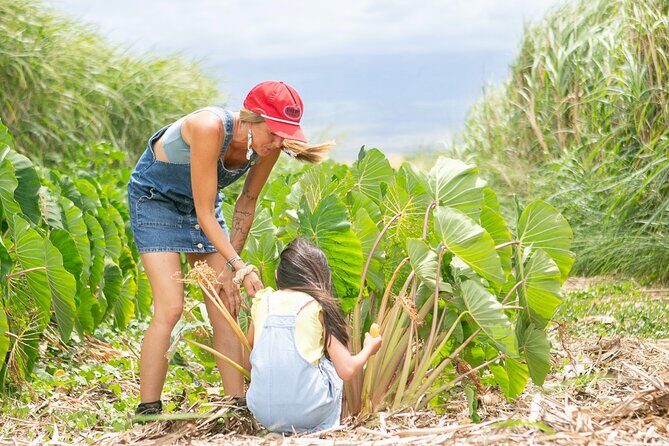
For $75 per person and about 1 hour 30 minutes, the value here is simple: you’re paying for a guided look at an active farm, plus multiple tastings that are grown on-site. This is not a museum-style stop. It’s a food-and-farming experience, with regenerative ideas explained in plain language.
The other reason it feels worth it is interaction. Many people leave talking about the people running the farm and the energy of the visit. In the reviews, hosts and guides include Winsome and Anna, with Emily also showing up as a guide/host in multiple comments. Other names you might hear include Jake/Jakke and Whit. Whoever’s guiding that day, the consistent theme is friendly, practical teaching.
You’ll also notice the tour is built around food flow. You start with fruit tastings, move into farm walks and crop talk, then shift into more interactive items like sugarcane juice, and end with a dessert-style bite. That pacing works well on a Maui day when you don’t want a huge time commitment.
You can also read our reviews of more tours and experiences in Maui

Where the tour starts in Wailuku (and why timing matters)
This experience meets at 2100 HI-30, Wailuku, HI 96793. It starts at 10:30 am and ends back at the same meeting point.
That start time matters because Maui mornings are often when you want to be outside. It’s also when the farm tour can feel easiest for people who get tired of heat fast. One review specifically advised bringing water and sunblock, calling out that this part of Maui can be dry. So, I’d treat it like a short outdoor hike with tastings.
Also keep in mind: it runs in English and uses a mobile ticket, which is handy if you’re bouncing between activities. The group size cap of 35 helps the guide keep the pace human, not like cattle in a line.
The 90-minute flow: fruit tastings, farm walk, and sweet finishes
Even though there’s one main stop, the experience has a clear sequence. Here’s what to expect, step by step, and why each part matters.
1) The welcome fruit plate and first crop stories
You begin at Lā Kāhea Community Farm with a quick welcome and fresh farm-to-table bites. In reviews, people mention a plate of sliced fruit right away, and it’s often described as seriously good.
This first tasting isn’t random. It sets the tone for the farm education that follows. The guide talks about tropical Hawaiian crops—what they are, what their parts look like, and how growing methods tie back to sustainability. One couple learned about plants brought by Polynesians, including leaves and fruits. Another review mentions natural farming and the practical “why” behind what they do.
If you’re the type who likes learning while eating, this opening works. You’re already tasting real produce, then the guide points to what you’ll see next.
2) The farm walk: plants up close and sustainable farming in action
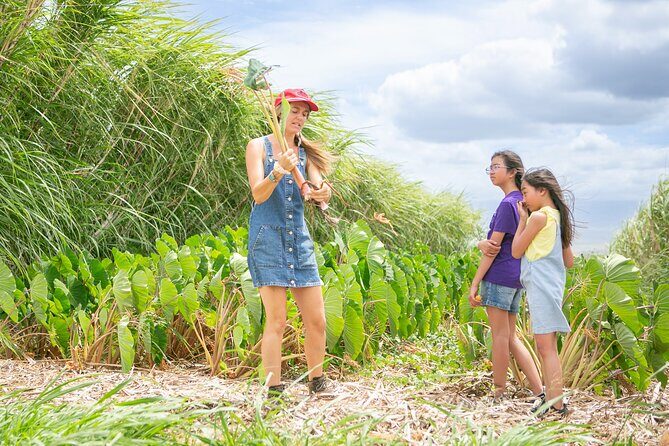
After the first bites, the tour moves into a walking portion. You’ll get introduced to different plants and trees on the farm and learn how they’re grown.
A big theme in the feedback is regenerative farming and restorative farming practices. People describe both practical discussion (how they farm) and historical context (how Hawaiian plants and growing traditions connect). You’ll likely hear about community-farm benefits too—how farms support the surrounding community and environment, not just a harvest.
One review notes the farm was somewhat affected by rain, making the place look more messy. That’s worth knowing because if the ground is wet, it can change how comfortably you move around. Bring shoes you’re okay getting a little dusty or damp.





3) Sugarcane time: juice you help make (and actually want to finish)
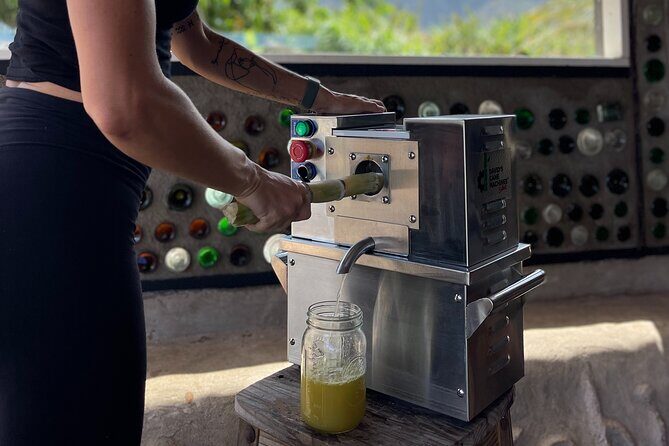
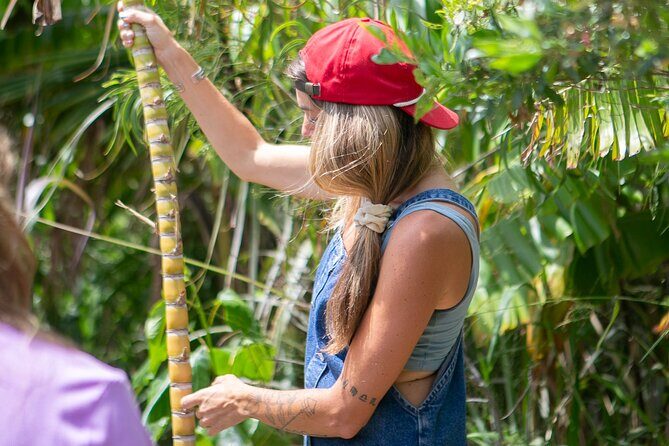
The tour then shifts into the most memorable part for many people: sugarcane juice. Multiple reviews specifically call out squeezing/juicing sugarcane as a highlight, with descriptions like nutritious and refreshing.
What I like about this segment is that it’s not just a demonstration. It’s interactive. You’re there to experience the process and taste the result right after. One reviewer even called the juice nature’s Gatorade, which is a good mental image: sweet, cooling, and energizing.
If you’re a food person, this is the moment that turns a farm tour into a story you’ll remember.
4) Dessert-style ending: banana nice-cream and macadamia add-ons
The experience closes with a dessert treat. Reviews mention banana nice-cream or banana ice cream, sometimes with fresh roasted macadamia nuts.
That last bite matters because it gives the tour a satisfying ending without dragging on. You walk away feeling like you had a complete mini food journey: fruit at the start, juice in the middle, and a sweet finish.
5) Photos and views during the walk
You’ll also be taking in views toward Haleakalā and the West Maui Mountains. It’s not just a backdrop. Those view moments give your brain a break from food and plant talk, and they’re perfect for photos.
Because the farm walk is outdoors, keep an eye on sun and keep your phone battery charged. You’ll be outside long enough to want sunscreen and water, even though it’s not a full-day tour.
Hawaiian crop education that’s actually usable
The best farm tours teach you two things: what you’re eating and what it costs the land to grow it.
Here, you’ll hear about tropical Hawaiian crops and why certain farming choices matter. Reviews mention topics like natural farming and regenerative farming, plus the idea of making farming healthier for the future. One person described it as both educational and balanced—there’s actual farming talk, then there’s time for tasting.
I also like that some information connects to bigger history. One comment specifically references plants brought by Polynesians. Even if you’re not a “history first” traveler, it adds meaning to what you’re seeing. You stop treating fruit and foliage as random souvenirs and start seeing them as part of a living system.
And because you taste what you learn, you remember it. The sweetness of sugarcane isn’t just a flavor; it becomes a clue to how these crops grow and why the farm cares about soil health.
Interaction, animals, and the small details that lift the experience
The tour description says you might get a chance to feed and interact with friendly pigs. That’s the kind of extra that makes families and first-timers smile, especially if you like farm experiences with real animals.
Even if you don’t meet the pigs, the farm vibe still comes through. In reviews, hosts and guides are repeatedly called warm and welcoming. People mention the tour being low stress and family-friendly in tone, even while still being informative.
One balanced note: one review says it’s not recommended for young children, while others say it worked well for a 9-year-old. So if you’re traveling with kids, I’d read that as: older kids who can walk and listen for a bit will likely enjoy it more than toddlers.
Price and value: is $75 fair for what you get?
Let’s talk value without fluff.
At $75, you’re paying for:
- guided farm time (about 1 hour 30 minutes)
- multiple tastings (fruit plate and sugarcane juice)
- a dessert ending (banana ice cream/nice-cream, sometimes with macadamia)
- education on farming practices and Hawaiian crops
That’s a lot to fit into a short window, and it’s exactly why the majority of reviews rate it extremely highly.
Where you should calibrate expectations is this: it’s not an all-day produce picking adventure. One review says they wished guests could pick more items themselves. So if your idea of a farm tour means hands-on harvesting for hours, this might feel limited. But if your goal is learning, sampling, and leaving with something tasty and meaningful, the price starts to make sense fast.
Also, the max group size of 35 helps the experience feel personal enough to ask questions without feeling rushed.
Weather and rain: what can change on Maui
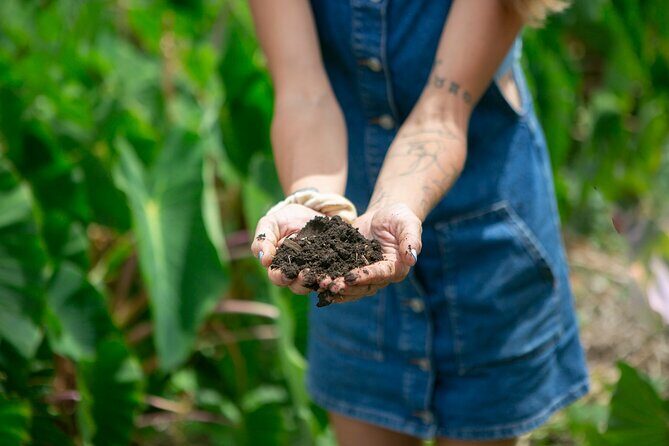
This experience requires good weather. That matters because a short farm walk is easier when paths are dry and visibility is good for the views.
One review mentions rain making the farm walk feel more limited or the farm look a bit stunted and messy. In practice, that likely means fewer ideal photo moments or a slower, wetter-feeling stroll. The good news is that the core experience still centers on tastings and the juice/dessert segments, so even if conditions change, you’re usually still leaving fed and informed.
So on your planning day, treat this like an outdoor activity: wear sunscreen, bring water, and plan to be flexible.
Who should book this Maui farm tour
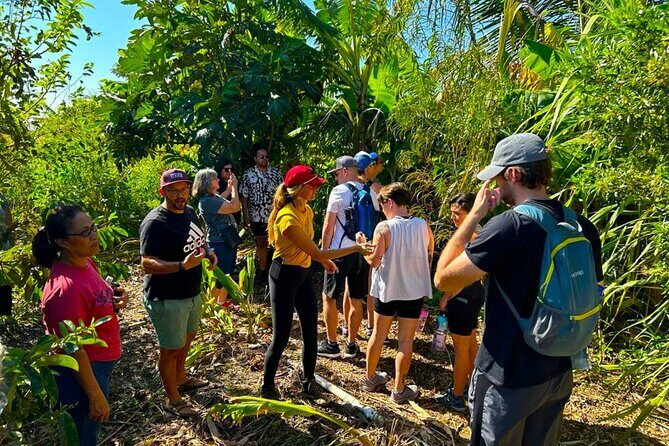
This tour is a strong match if you:
- want a low-stress, short activity that doesn’t eat your whole day
- like food-focused tours where education comes with tasting
- enjoy learning about Hawaiian crops and regenerative farming
- want a break from beaches that still feels outdoors and scenic
It’s also a good solo activity. One solo review highlights it as fun while learning, with a plate of fruit and sugarcane juice.
You may want to think twice if you:
- need a very long walking route or lots of hands-on picking
- are traveling with very young children who may struggle with a guided pace
- hate outdoor activities in dry sun (because sunscreen and water are truly useful here)
Should you book the Taste of Hawaii: A Maui Farm Tour?
If you want a meaningful Maui food-and-farming experience in a tight time window, I’d book it. The combo of tastings, an interactive sugarcane juice moment, and clear farm education on regenerative practices is a rare mix for the length and price.
Here’s the decision shortcut I’d use: if you can picture spending 90 minutes walking a bit, tasting a lot, and leaving with new ideas about how Hawaiian crops grow, this fits you well. If what you really want is a full day of harvesting or a much bigger farm adventure, you might feel let down by the shorter format.
Either way, it’s easy to justify as one of the more memorable, planet-minded stops on a Maui trip.
FAQ
What is the price of the Maui farm tour?
The tour costs $75.00 per person.
How long is the Taste of Hawaii: A Maui Farm Tour?
It runs about 1 hour 30 minutes.
Where does the tour start?
It starts at 2100 HI-30, Wailuku, HI 96793, USA.
Does the tour end at the same place?
Yes, it ends back at the meeting point.
What time does the tour begin?
The start time is 10:30 am.
What food and drink is included?
You can expect fresh farm-to-table tastings, including a fruit plate and sugarcane juice, plus a dessert such as banana ice cream or banana nice-cream.
Do you make sugarcane juice during the tour?
Yes. The experience includes a chance to squeeze/juice sugarcane as part of the tour.
Does the tour include any animal interaction?
You might get the opportunity to feed and interact with friendly pigs.
Is the tour offered in English?
Yes, it’s offered in English.
Does the tour run in any weather?
The experience requires good weather, and if it’s canceled due to poor weather, you’ll be offered a different date or a full refund.