REVIEW · MAUI
2 Tank Lanai Cathedral Scuba Dive Via Boat for Certified Divers
Book on Viator →Operated by Dive Maui · Bookable on Viator
Lanai’s Cathedrals make scuba feel cinematic. I like this 2-tank cathedral-focused plan because you get real structure below the surface, not just a sightseeing swim. I also like the early-morning timing and the captain’s habit of stopping for whales and dolphins during the crossing, so the day starts with excitement even before you put your gear on.
The main drawback to weigh is comfort: the boat can feel small and cramped to motion-sensitive folks, and the water conditions can be rough sometimes. If you’re prone to nausea, I’d plan carefully before you commit.
In This Review
- Key points to know before you go
- Morning at Lahaina: why the 6:30 AM start matters
- Crossing to Lanai: wildlife spotting that actually happens
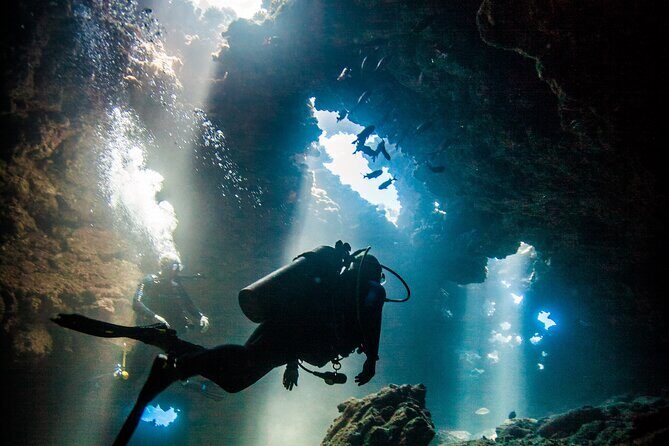
- Getting into the water: what the Lanai Cathedrals are like
- The two-tank structure: timing, depth, and the snack break
- First stop vs. the real headline: warm-up site strategy
- Small group energy: better attention from the lead guide
- Wildlife and visibility: what you can realistically expect
- Conditions on the day: currents, rough water, and safety responses
- Price and value: is $306.89 a fair deal?
- What to bring (and what to think about)
- Who should book this Lanai Cathedrals outing?
- Should you book it? My practical take
- FAQ
- How many tank sessions are included?
- How deep will I go?
- Do I need scuba certification?
- What time and where do we meet?
- How many people are on the tour?
- What happens if conditions aren’t good?
Key points to know before you go
- 6:30 AM departure from 1223 Front St, Lahaina means an earlier start, but you’re out on the water when wildlife is most active.
- Two planned tank sessions (up to 60 minutes each, air permitting) usually around 50–75 ft, with a snack break between.
- Cathedrals are the headline, though the first stop can be a warm-up site before you head to the Cathedrals.
- Captain stops for whales and dolphins during the crossing and adjusts the plan based on conditions.
- Small-group feel (max 14 travelers) tends to mean quicker help and more hands-on attention.
- Lead guides like Jess, Abby/Abbie, Brian, and Maya are repeatedly praised for safety briefings and pointing out sea life.
Morning at Lahaina: why the 6:30 AM start matters
This outing is built around an early check-in. You meet at the scuba shop at 6:30 AM in Lahaina (1223 Front St). That timing isn’t just for logistics. It’s a practical move: you’re more likely to see marine life when the day is young, and the crossing starts before the water tends to get busier and bouncier.
You’ll also have time for the stuff that makes the rest of the day go smoothly. Plan on getting fitted with rental gear and getting your bearings before boarding. Several people in the feedback talk about how organized the staff felt, and that matches what this kind of schedule is meant to do.
You can also read our reviews of more boat tours in Maui

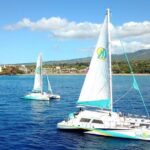
Crossing to Lanai: wildlife spotting that actually happens
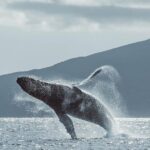
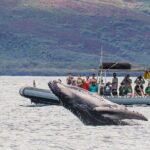
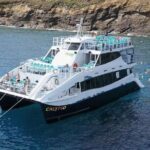
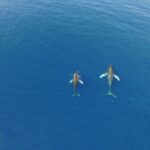
The boat ride from Maui to Lanai is part of the experience, not just the travel part. The captain decides where to go based on conditions, but there’s a consistent pattern: you’ll typically reach the water sites with a whole show waiting. The operator says they often see dolphins and whales on the crossing, and they stop the boat when animals show up.
In real-world terms, this changes the mood. You’re not stuck waiting for the “real part” to start. Even before the first in-water time, you’re seeing Maui and Lanai from above the waves while the crew keeps an eye out for wildlife.
Getting into the water: what the Lanai Cathedrals are like
The main promise here is Lanai’s cathedral underwater formations—caverns, arches, lava shoots, and swim-throughs. This isn’t a flat reef kind of day. You’re looking at underwater structure: openings, channels, and routes that let you move through the site rather than just hover over it.
One smart detail: the plan is set up so you’re not just paying for “two tanks.” You’re doing two sessions at depth ranges that fit Open Water certification. The top depth listed is up to 85 feet (26 meters), while the typical target ranges are around 50–75 ft for the first session and 50–70 ft for the second. That’s the sweet spot for seeing fish and critters while still keeping things comfortable for most certified divers.
The two-tank structure: timing, depth, and the snack break
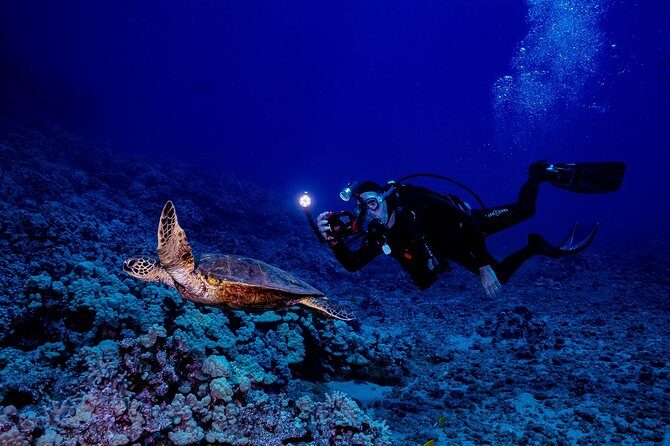
You’ll do 60-minute sessions in the water, but “up to” matters because air use sets the final limit. The operator notes the first session often heads to around 50–75 ft, then there’s a surface interval. During that time, you’ll have a light snack—plus the option for optional lunch depending on how the day is running.
Between sessions is where the trip earns its value. It’s not just a break from buoyancy; it’s a mental reset. You can review what you saw, ask quick questions, and prepare for the second site. People who’ve gone on this outing repeatedly mention how the guides keep things clear and safe, and that kind of pacing helps you actually enjoy both sessions instead of rushing through them.
First stop vs. the real headline: warm-up site strategy
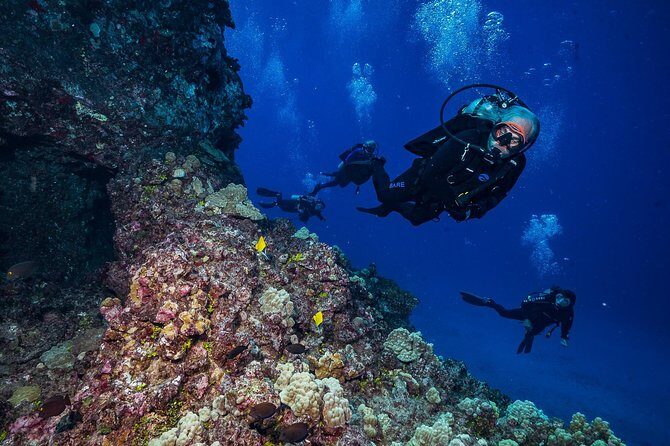
One useful heads-up: you may not start at the Cathedrals on tank one. The plan can include a warm-up site first, then move you to the cathedral formations for the second session. That’s not a bait-and-switch. It’s a practical way to make sure you’re settled, neutrally buoyant, and comfortable with the conditions before you spend your best in-water time inside the big structure.
If you’re the type who wants the “wow” parts as soon as possible, this is the one detail you should consider. Still, the Cathedrals are repeatedly called out as the highlight—especially the second session, when you’re fresher and ready to enjoy the caverns and swim-throughs at full attention.
You can also read our reviews of more scuba diving tours in Maui


Small group energy: better attention from the lead guide
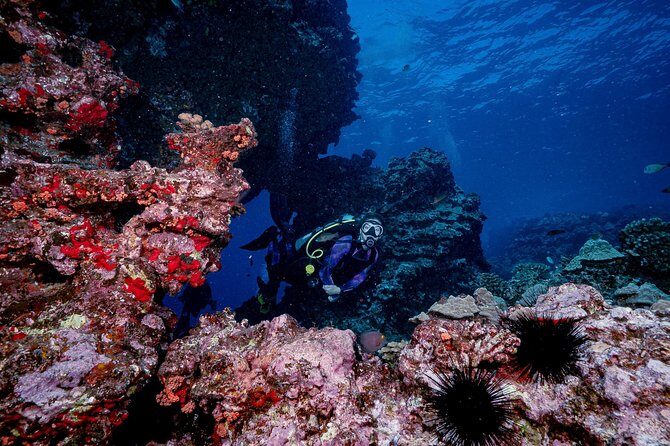
This outing caps at 14 travelers, which is a meaningful difference. Smaller groups generally make it easier for guides to check on everyone before you get into the water and while you’re down there. In the feedback, people mention that the crew didn’t treat them like they were just a slot on a schedule.
Names that come up often include Jess, Abby/Abbie, Brian, Maya, Scott, and Nick. Across the comments, the praise is consistent: clear safety briefings, practical help, and guides pointing things out rather than leaving you to spot everything alone. One person even described a sense of improvement between the first and second session after receiving comments in the water—exactly the kind of coaching you want on a structured trip like this.
Wildlife and visibility: what you can realistically expect
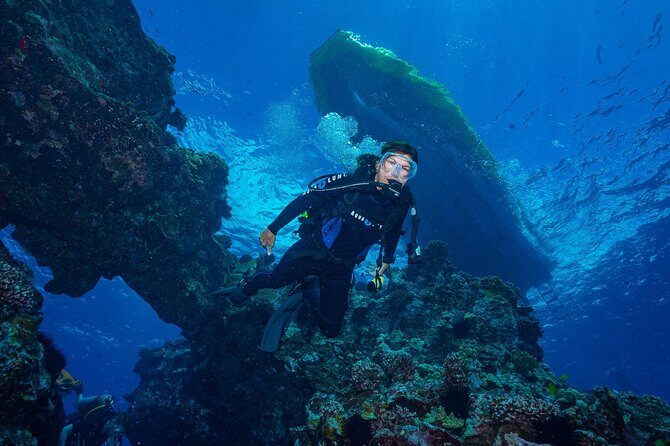
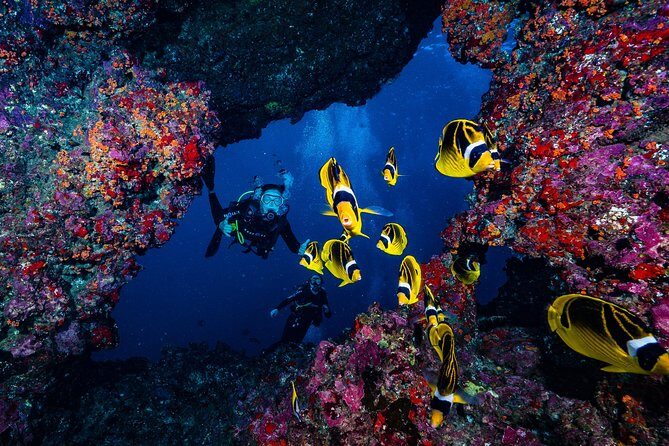
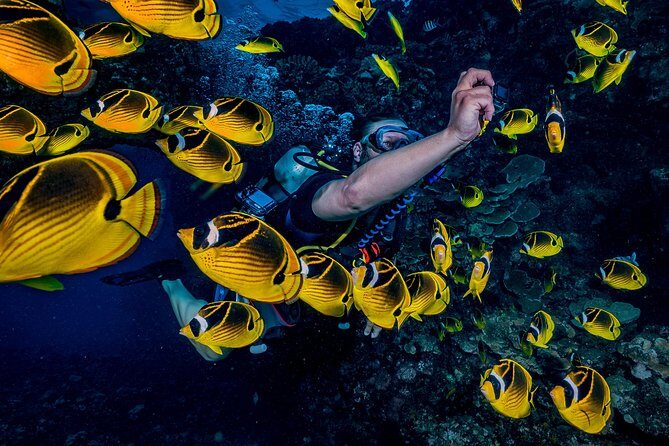
Expect wildlife. Dolphins and whales show up on the crossing often, and the crew typically stops for them. Underwater, you’re likely to see a mix of fish and critters that thrive around structure.
Visibility can be excellent. One person reported about 50–80 feet visibility. Others mention that conditions like sand kicked up by current can reduce clarity. That’s normal ocean physics, not a failure on the operator’s part. The value is that the crew keeps the plan flexible and prioritizes safety when conditions aren’t perfect.
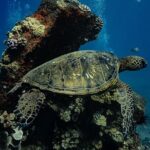
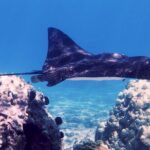
What kinds of creatures show up? From the feedback you’ll find plenty of examples: lobsters, cowries, octopus, moray eels, cleaning crabs, and eels coming out of hiding spots. Sharks weren’t commonly seen in the comments, but this outing isn’t advertised as a shark hunt. You’re here for caves, arches, and swim-through routes—with animals as a bonus.
Conditions on the day: currents, rough water, and safety responses
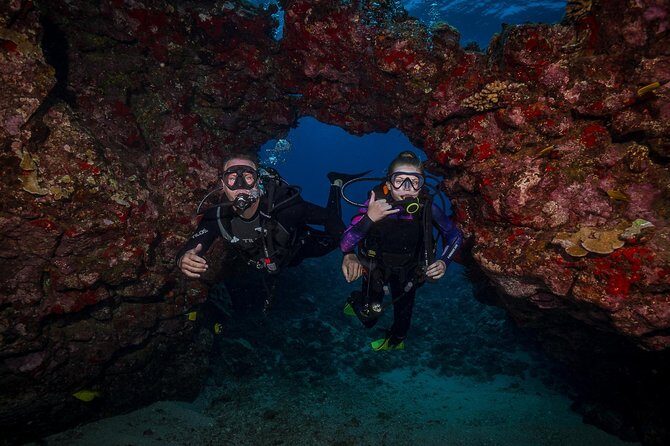
Ocean trips come with weather. The operator runs this with the understanding that conditions vary. Some people describe strong currents and rougher water yet still felt safe because the crew stayed attentive.
If you’re new-ish to ocean conditions, pay attention to this: the captain decides where you go based on conditions, and the lead guide manages the in-water plan. That matters when water movement is strong or when visibility changes due to sand. You don’t want to be in a rigid “this exact route no matter what” setup.
Also, gear care seems to be taken seriously. One review mentioned a high-pressure hose issue being fixed quickly by the crew. That kind of fast problem-solving is exactly what you want when you’re dealing with air and depth.
Price and value: is $306.89 a fair deal?
At $306.89 per person, this isn’t a budget outing. But it’s also not just paying for a boat ride and a single tank. You’re paying for a full morning structure: early departure, two in-water sessions, a snack break, small-group guidance, and the plan to target Lanai’s cathedral formations (plus the wildlife stops on the way).
Where this price feels especially justified is if you want:
- Two separate in-water experiences rather than a quick “one-and-done” outing
- Small-group attention (max 14)
- A morning timing that can bring dolphins and whales before you even gear up
- Underwater structure where guides help you notice what matters—arches, swim-throughs, lava formations, and cave edges
Where it may feel less worth it is if you’re highly sensitive to boat motion or you want a low-commitment day. The boat can be small. One person reported feeling nauseous because it felt cramped. If that’s you, treat this as a real factor, not a minor note.
What to bring (and what to think about)
You’re fitted for gear on-site, and rental gear is available. The operator also provides water and a light snack between sessions. What you should think about is how to handle the long morning.
Even though the in-water time is about 60 minutes per session, the overall experience runs around 6 hours. Plan for that time on your schedule, and pack like a real boat day even if you’re only going for the underwater part.
Motion sickness is the big “bring extra awareness” item. Bring what you normally use for nausea. The feedback includes at least one case where a small, cramped boat made someone feel sick, even if they never had motion issues before.
Who should book this Lanai Cathedrals outing?
This is a strong match for certified divers who want more than a basic reef swim. It fits especially well if:
- You’re Open Water certified or higher
- You’ve logged a recent ocean session within the last 18 months
- You want caves and swim-throughs rather than open-water drifting
- You like small groups and want a guide that stays involved
It may not be a fit if you:
- Are pregnant (not permitted)
- Have any reason you shouldn’t be on an open-water boat in variable conditions
- Are very motion-sensitive and won’t be able to manage that during the crossing
Minimum age is 14, and the operator notes a moderate physical fitness level is expected.
Should you book it? My practical take
If your priority is Lanai’s Cathedral structures—arches, caverns, lava channels, and swim-through routes—this outing makes sense. The combination of two in-water sessions, small-group attention, and a guide team that’s praised for safety and spotting sea life gives you a solid chance to have a smooth day.
I’d book it if you can comfortably handle a full morning at sea and you meet the certification rules (especially the 18-month recent dive requirement). I’d hesitate only if boat comfort is a dealbreaker for you. Motion-sensitive divers should plan for that reality.
If you want a day where the fun starts above the waves (whales and dolphins stops) and continues underwater with real structure, this is the kind of trip you’ll remember.
FAQ
How many tank sessions are included?
You get two in-water tank sessions. The plan is up to 60 minutes for each session, air permitting, at depths typically around 50–75 ft for the first session and 50–70 ft for the second.
How deep will I go?
The trip lists depths up to 85 feet (26 meters). Typical target depths are around 50–75 feet on the first session and 50–70 feet on the second.
Do I need scuba certification?
Yes. You must be certified (Open Water or higher), and you must have dived in the previous 18 months to participate.
What time and where do we meet?
Divers meet at 6:30 AM at 1223 Front St, Lahaina, HI 96761. The outing ends back at the meeting point.
How many people are on the tour?
The tour has a maximum of 14 travelers.
What happens if conditions aren’t good?
This experience requires good weather. If it’s canceled due to poor weather, you’ll be offered a different date or a full refund. If the minimum number of travelers isn’t met, you’ll also be offered a different date/experience or a full refund.