REVIEW · MAUI
Maui: Beginner Discovery Scuba Dive Excursion from Lahaina
Book on GetYourGuide →Operated by Extended Horizons · Bookable on GetYourGuide
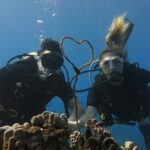
Scuba underwater without a certification sounds wild. This Lahaina experience lets you try scuba with a PADI instructor, in a small group, and you’ll learn skills before heading into no certification territory. The payoff is big: breathing through a regulator while you float over coral and look for turtles and reef fish.
I love how practical it feels from minute one. You get one-on-one coaching in a group of four, plus all equipment included, so the lesson stays focused on you, not a crowd. In the first part, your instructor walks you through breathing, buoyancy, and safety, then helps you translate those skills into calm ocean time.
One drawback to plan around: you can’t fly within 24 hours after your session. If your itinerary is tight or you have a same-day flight, this can be a real dealbreaker, even if you’re ready in the water.
In This Review
- Key things to know before you go
- Why this Lahaina intro scuba setup feels beginner-friendly
- Your 3-hour flow: from meeting point to calm ocean time
- What you actually learn in the classroom and shallow water
- The marine life and reef views you should expect off Lahaina
- Equipment and instructor attention: why the gear matters
- Price and value: is $230 reasonable for first-timers?
- Who this works best for (and who should skip)
- Flying restriction: the itinerary issue people forget
- Should you book this Lahaina beginner scuba session?
- FAQ
- FAQ
- Do I need scuba certification for this experience?
- How long is the beginner session?
- How many people are in the group?
- What happens before you enter the water?
- What marine life can I expect to see?
- Is equipment included?
- Is hotel pickup included?
- Can I fly after the scuba session?
- Do I need to submit a medical waiver?
- Is it suitable for non-swimmers or wheelchair users?
Key things to know before you go
- Small group of 4: more personal attention, faster corrections, less waiting around
- PADI-led beginner setup: you practice regulator breathing and buoyancy before going out
- Turtles on the route: chances to see green sea turtles plus lots of tropical reef fish
- Calm water format: you start in shallow areas off Lahaina, then continue with guidance
- All gear included: you don’t have to track down a wetsuit or tank setup
- Medical waiver required: you’ll submit it before arrival, and some conditions can block participation
Why this Lahaina intro scuba setup feels beginner-friendly
This is built for people who want the real scuba experience without months of prep. You start with a short classroom-style intro and equipment fit, then you move into the shallow water zone with an instructor right there to guide your body position and breathing.
The best part is the ratio. A small group of four (and often fewer, depending on how your day shapes up) means you spend more time doing and less time listening at the back of the boat line. You’re not just handed gear and sent forward.
You’ll also appreciate that this isn’t trying to turn day one into “advanced.” The goal is comfort. Learn how the regulator works, practice controlling your buoyancy, and get used to moving like a relaxed swimmer instead of a panicked flailer. If you’ve ever been nervous about being underwater, this teaching style matters.
You can also read our reviews of more scuba diving tours in Maui

Your 3-hour flow: from meeting point to calm ocean time
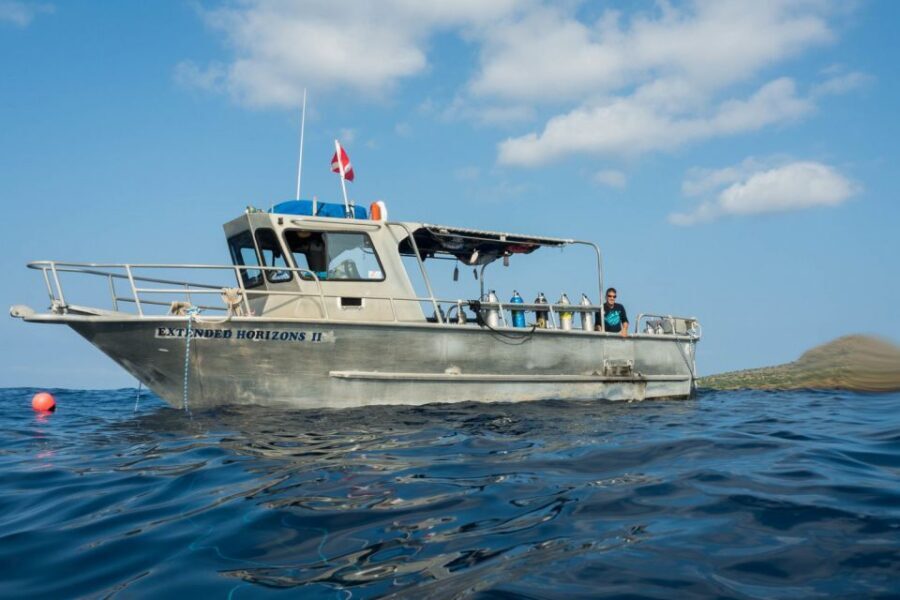
Your day starts at a meeting point where the guide name and exact location are provided the day before. It’s an easy approach, but it means you’ll want to check your email the night before and arrive a bit early so you don’t start stressed.
Once you’re with the team, you’ll suit up with the help of your PADI instructor. The included gear setup is part of the value here. Getting a mask fit and getting comfortable with the regulator are not “bonus steps.” They’re the foundation of why you can actually enjoy the water once you start moving.
From there, you’ll do a brief but focused briefing. You’ll learn how to breathe through the regulator, how to manage your buoyancy, and how to swim underwater safely. The lesson isn’t just theory. It’s designed so you can immediately apply what you just learned in shallow water.
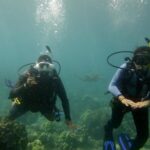
Then comes the ocean part. Off the coast near Lahaina, you head into calm, clear island waters where you can look out at reef fish, scan for turtles, and enjoy the sensation of floating with help from your equipment. You’ll be moving at a beginner pace, with the instructor monitoring and adjusting as needed.
At the end, the experience finishes back at the meeting point, so you’re not stuck managing transportation from a remote launch site.
What you actually learn in the classroom and shallow water
Before you ever go into open water, you practice the basics that make scuba feel doable. The key skills are simple, but they can feel strange the first time you try them.
First is regulator breathing. The instructor helps you figure out how to inhale and exhale calmly while the gear is in your mouth. You’re learning a rhythm so your brain stops treating it like an emergency.
Second is buoyancy control. This is the skill that turns scuba from stressful to smooth. You’ll learn how to adjust your body position and use your equipment so you hover without constantly sinking or floating too high.
Third is safe movement. You’ll learn how to swim in a way that keeps your breathing calm and your trim stable. You’re not trying to sprint. You’re learning how to glide.
One standout detail that shows up through multiple instructor experiences: people often feel their anxiety drop quickly once the instructor is patient and organized. Names like Rick, Emma, Gu, Mia, and Dave come up as guides who helped first-timers feel safe and comfortable. That matters because the first few minutes underwater can make or break your whole mindset.
The marine life and reef views you should expect off Lahaina
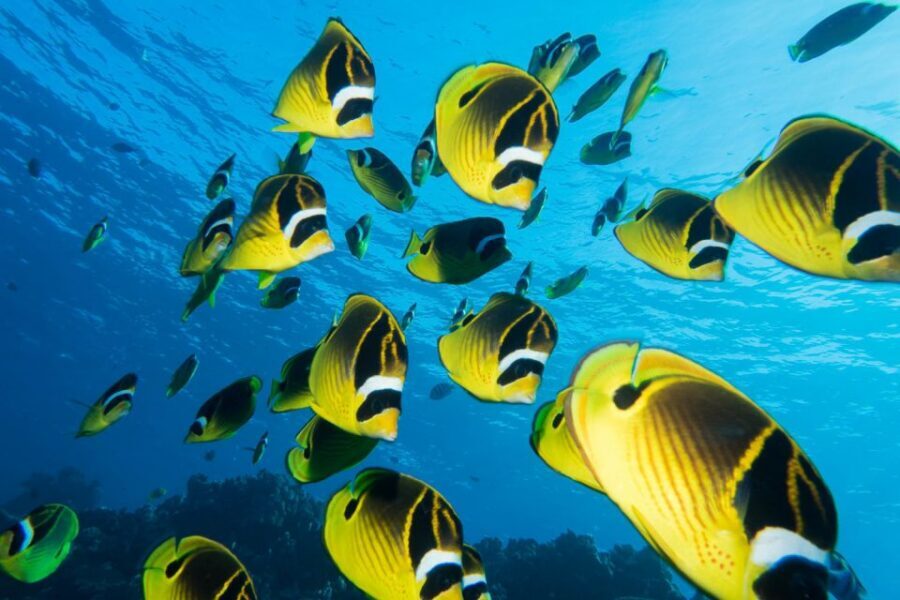
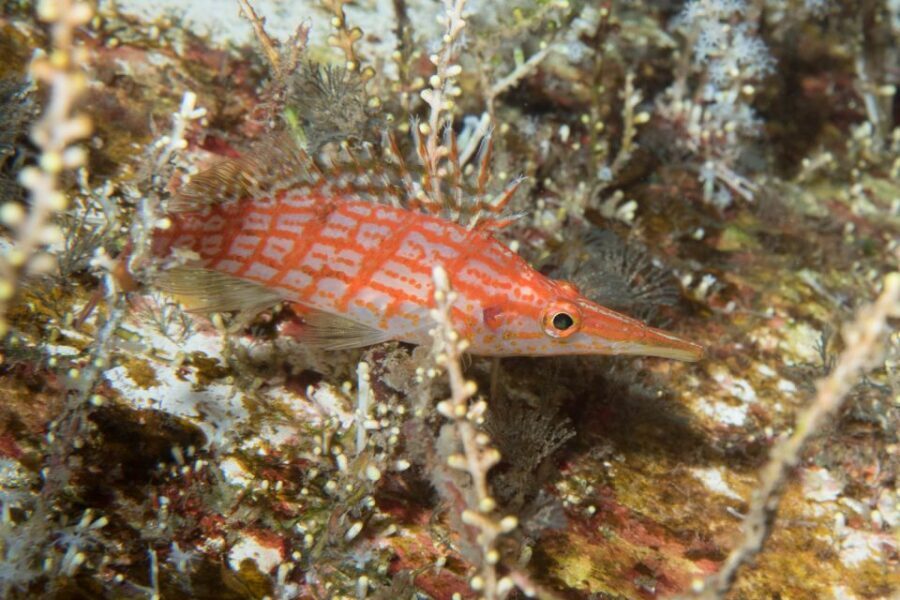
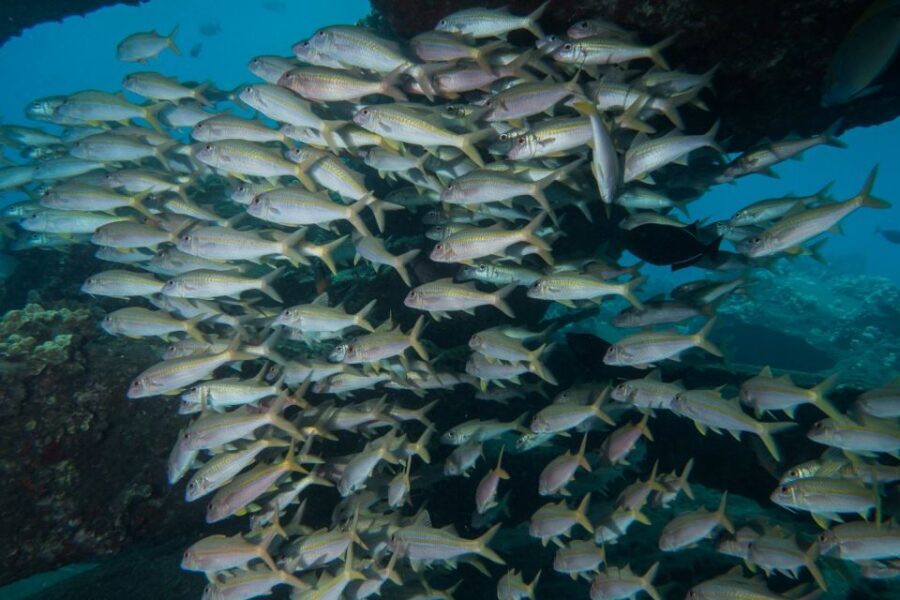
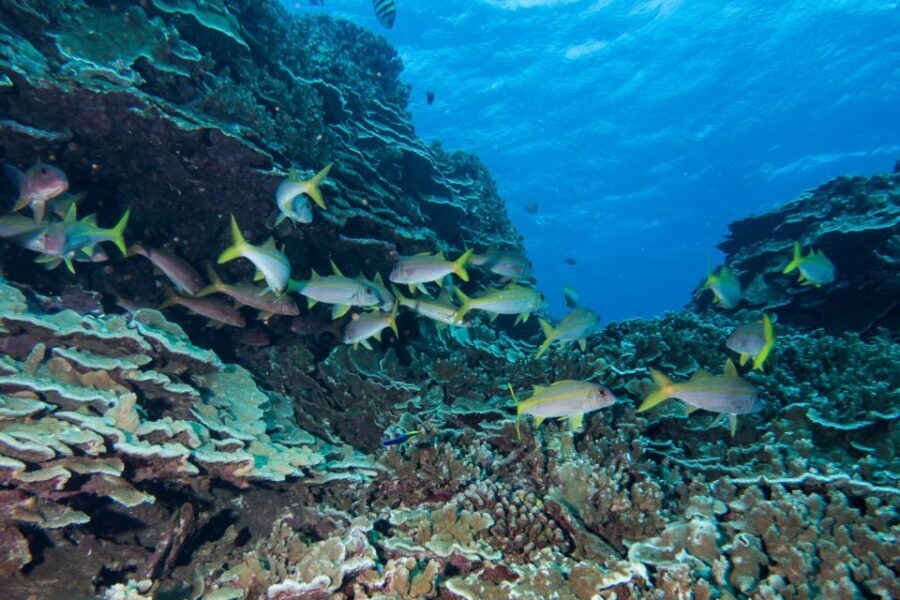
This is not a “scan for wildlife for luck” situation. It’s an intro-focused route where your instructor helps you find what’s around you. In clear, calm water, you can look for coral reef fish as you float and fin with controlled movements.
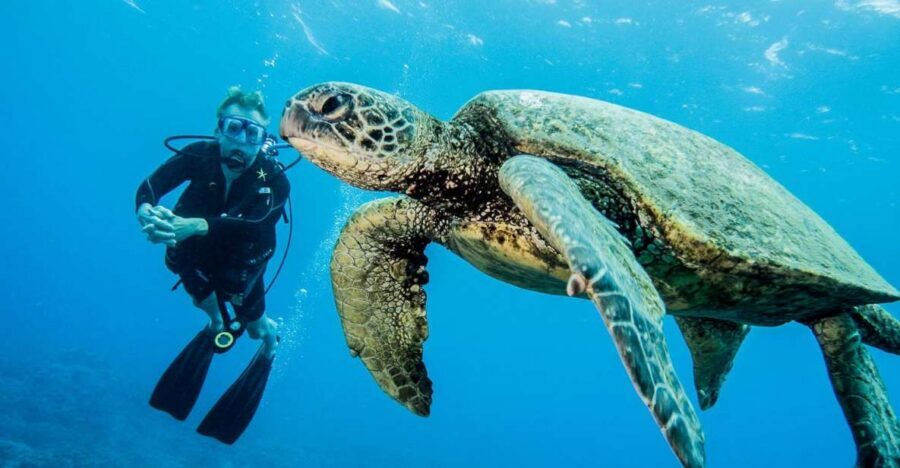
A big highlight is the chance to see green sea turtles. The experience description also points to other marine life like rays. That’s why this option often beats a basic snorkel for first-timers: you can linger lower in the water column and get a different angle than you’d get on the surface.
You should also plan for water visibility to vary. One person noted that rain and eroded conditions made the underwater view less clear than expected, but they still saw a turtle and plenty of fish. So if the water doesn’t look perfect that day, you’re not automatically out of luck.
For your comfort, think of the scenery as a “guided look.” You’re not just drifting aimlessly. Your instructor helps you orient, so you spend your attention where it matters: breathing, buoyancy, and enjoying what’s in front of you.
Equipment and instructor attention: why the gear matters
All required scuba equipment is included, which is a practical win. You don’t need to buy or rent a bunch of items ahead of time, and you avoid the common beginner mistake of guessing what size or fit you need.
More importantly, the instructor’s job is to make sure the equipment works for your body. Mask fit, regulator comfort, and how your buoyancy setup feels can affect your confidence. The small group format makes it easier to adjust quickly if something feels off.
This course is also described as offering one-on-one attention from a certified dive instructor. Even if you don’t feel that 1:1 attention at every moment, you should feel that you’re not competing for help. If you get confused about breathing or buoyancy, you’ll likely get direct corrections.
If you’re thinking about safety, you should know there’s a structured approach: briefing on safety measures, instruction on how to move safely, and close monitoring once you’re in the water. Many first-timers love that they’re guided through the process instead of being left to figure it out while holding their breath.



Price and value: is $230 reasonable for first-timers?
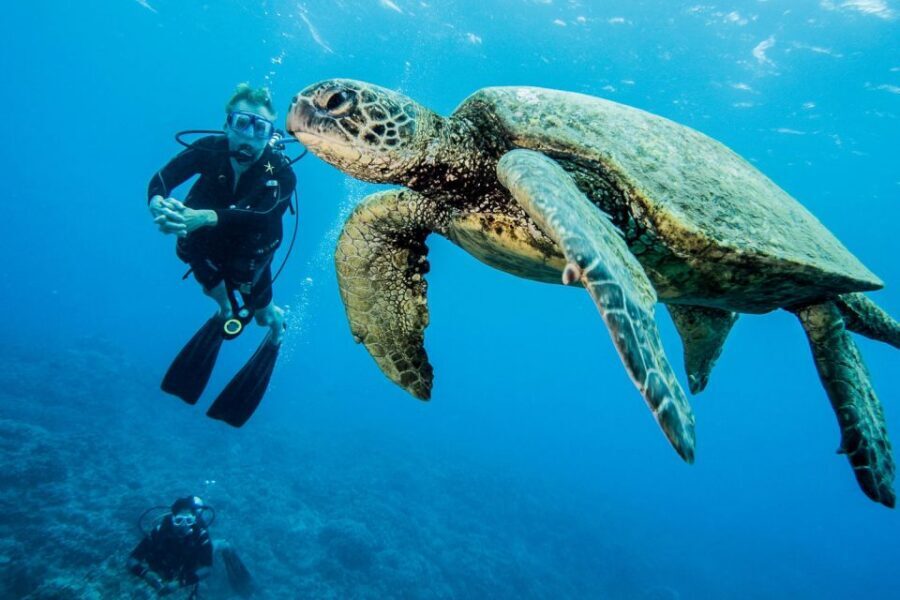
At $230 per person for a 3-hour intro session, this is a mid-range price for Hawaii adventure time. What you’re paying for isn’t just the water access. You’re paying for instructor time, certified coaching, and the full equipment setup.
Here’s what makes it feel like good value for beginners: you get hands-on training plus the chance to see marine life in a guided format. If you tried to DIY it, you’d still need gear, instruction, and safety oversight. The cost is essentially compressing all of that into one experience.
It also includes water. Small detail, but it helps you stay comfortable before the ocean time.
My practical take: if you’ve been on the fence because you’re nervous or you don’t want to commit to certification first, this price can be a smart “try it” step. If you already feel very confident underwater and have scuba skills, you might find other options more efficient. But for first-timers, this course is designed to be the first rung on the ladder.
Who this works best for (and who should skip)
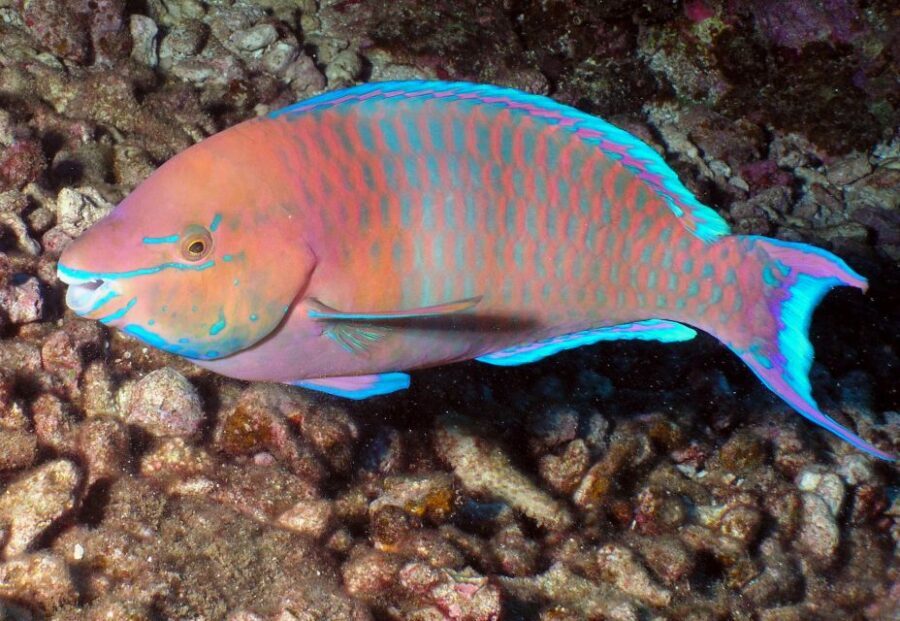
This experience is made for beginners and does not require scuba certification. It can also count toward certification, which is great if you want to turn this first day into a longer-term hobby.
It’s also described as not suitable for:
- Pregnant women
- People with back problems
- People with heart problems
- Wheelchair users
- Non-swimmers
You’ll also need to be physically fit and in good health, and you’ll fill out a medical waiver before arrival.
One extra practical warning from what people reported: if you’ve had surgery within 12 months of the dive date, you may be blocked from participating. That detail wasn’t framed as a rumor or guess. It came through as a real issue on a day someone arrived and then couldn’t go in due to the waiver.
So if you’re unsure about your health status, don’t assume you’ll be fine on arrival. Check the medical waiver requirements early and read them carefully.
If you want an intro that helps you manage anxiety, this is one of the stronger options. Multiple first-timers described feeling calmer once their instructor stepped in with patience and a clear plan.
Flying restriction: the itinerary issue people forget
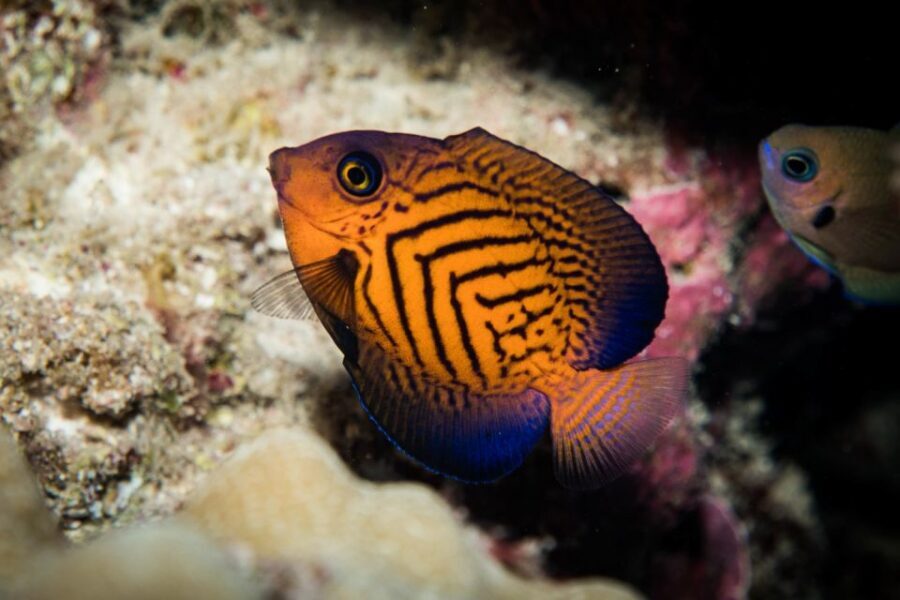
There’s one rule you should treat like a calendar lock: flying within 24 hours after your scuba session is not permitted. That affects more than just big flights. It can impact local connections too, depending on how your travel schedule is built.
If you have a flight the next day, count hours carefully. Build in recovery time so you’re not forced to restructure your entire vacation at the last minute. This rule is the main logistical consideration for people who want to combine a scuba session with airport plans.
Should you book this Lahaina beginner scuba session?
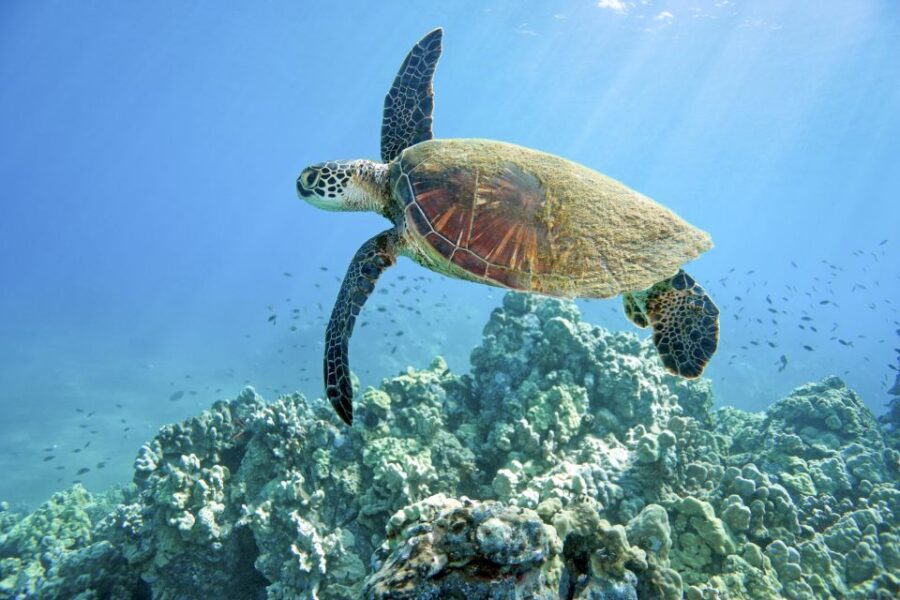
I’d book it if you:
- Want to try scuba with guidance instead of going in cold
- Prefer a small group where you can get real corrections
- Want a first look at turtles and reef fish off Lahaina, without committing to a full certification journey right away
- Learn best with clear steps: briefing, shallow practice, then calm ocean time
I’d think twice if you:
- Have a flight within 24 hours after your planned session
- Know you can’t meet the medical waiver requirements or fall into a category listed as not suitable
- Don’t swim and aren’t comfortable with water confidence work beforehand
If your biggest fear is feeling overwhelmed underwater, this kind of structured beginner coaching is exactly what you want. You’ll leave knowing what scuba feels like and whether you actually want to pursue certification next.
FAQ
FAQ
Do I need scuba certification for this experience?
No. You can take this beginner introduction without scuba certification, and it can count toward certification later.
How long is the beginner session?
The experience runs for about 3 hours. Starting times vary, so you’ll want to check availability for your preferred slot.
How many people are in the group?
It’s a small group limited to 4 participants, which helps you get personal attention from the instructor.
What happens before you enter the water?
You’ll start with a short instructional briefing and suit up with the PADI instructor. You’ll learn how to breathe through the regulator, manage buoyancy, and practice safety basics before going into shallow water.
What marine life can I expect to see?
You’re likely to see tropical reef fish, and there’s a strong focus on the chance to encounter green sea turtles. Rays are also mentioned as part of what you may see.
Is equipment included?
Yes. The experience includes use of all required scuba equipment, plus water.
Is hotel pickup included?
No. Hotel pickup and drop-off are not included.
Can I fly after the scuba session?
No. Flying within 24 hours after the session is not permitted.
Do I need to submit a medical waiver?
Yes. You must fill out a medical waiver and submit it before arrival to the local dive partner in Maui.
Is it suitable for non-swimmers or wheelchair users?
No. It’s not suitable for non-swimmers, and it’s also not suitable for wheelchair users.