REVIEW · MAUI
Beginner Scuba Dive in Lahaina: Swimming Required
Book on Viator →Operated by Banyan Tree Divers Maui · Bookable on Viator
Want to see Maui underwater fast? This beginner scuba lesson in Kaanapali is all about getting you breathing easy, then seeing fish and sea turtles with hands-on guidance. What I like most is the small group (max 8) so your instructor can watch your form, and the fact that all scuba gear is included. The big consideration: you must be able to swim independently in the ocean, and you’ll follow strict medical and timing rules.
You’ll start at Kahekili Beach Park in Lahaina, then head into shore-based water conditions that are calm and forgiving for first timers. I’ve seen praise for instructors like Simon, Shane, Kevin, Jen, and Chelsea—people consistently highlight how patient they are when you’re learning gear basics and basic underwater skills.
In This Review
- Key Points That Matter Before You Go
- Where This First-Time Scuba Lesson Fits in Maui’s Best Water
- Price and What You Get for $229 in a Small Group
- The Real Deal: Swim Independence, Medical Form, and the 18-Hour Rule
- Meeting at Kahekili Beach Park: What the Start Feels Like
- What Happens Underwater: From Shallow Skills to Reef Wildlife
- Wildlife You Can Actually Hope For (Turtles, Eels, Rays, and More)
- The Private Course Upgrade for Less-Comfortable Swimmers
- Small Group Dynamics: Why Max 8 People Changes Everything
- Gear, Snacks, and the Simple Stuff That Makes It Better
- Who This Tour Suits Best (And Who Should Think Twice)
- Tips to Make Your 2 Hours Go Smoothly
- Should You Book Banyan Tree Divers Maui?
- FAQ
- Do I need to swim independently in the ocean?
- What’s included in the price?
- How long does the experience take?
- Where does the tour start and end?
- Is transportation included?
- Do I need to complete a medical statement?
- How soon can I fly or go to high altitude after my underwater session?
Key Points That Matter Before You Go
- Swimming independence is non-negotiable: you must be comfortable swimming on your own in the ocean.
- Max 8 people = real attention: it’s a small group setup, not a crowded cattle-car lesson.
- Gear and pro guidance are included: you don’t have to source equipment or figure out setup.
- You learn shallow skills first: a few practiced basics, then a real underwater look near the reef.
- Medical form + timing rules protect you: you must answer NO to every medical question, and wait 18 hours before flying or major altitude changes.
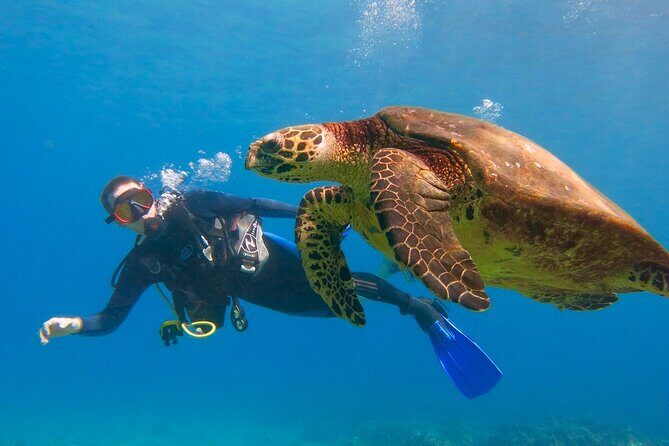
- Wildlife sightings are a major draw: turtles, eels, crabs, eagle rays, and lots of tropical fish come up often.
Where This First-Time Scuba Lesson Fits in Maui’s Best Water
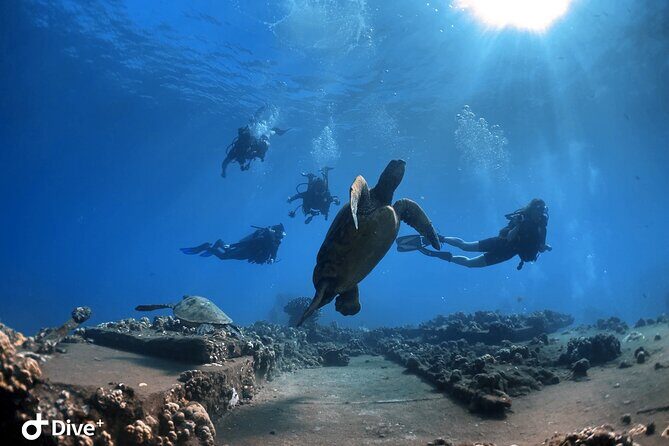
Maui makes scuba learning easier than you might expect—especially on the Kaanapali side—because the shore conditions are generally friendly year-round. Instead of starting with anything scary or technical, this experience is built around a clear progression: you practice a few skills in shallow water, then you get that “wait, I’m actually underwater” moment with your guide watching closely.
The tour is shore-based, which matters for beginners. You’re not dealing with boat rides, big open-ocean exposure, or extra complexity right away. If your goal is confidence over chaos, this is the kind of format that helps people get comfortable with breathing, buoyancy, and moving safely.
Also, the fact that the max group size is 8 is a quiet advantage. For a first-time experience, it’s hard to hide. When the group is small, your instructor can spot issues quickly—like how you’re holding your regulator, where your hands are, or how you’re controlling your body position in the water.
You can also read our reviews of more scuba diving tours in Maui
Price and What You Get for $229 in a Small Group
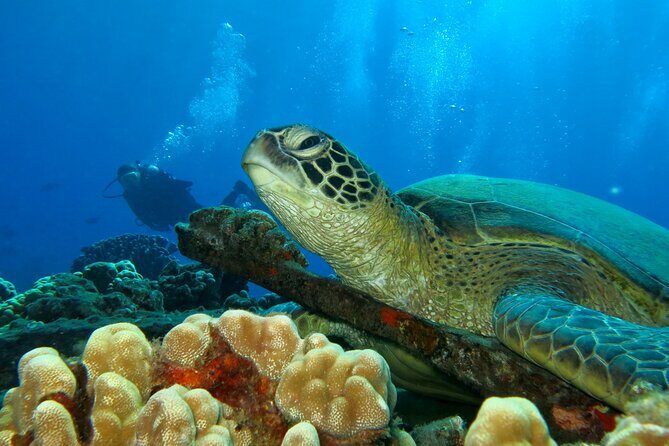
At $229 per person for about 2 hours, this lands in the “serious value” category because the essentials are already included: scuba equipment and a professional guide, plus a small snack afterward (fig bars).
Here’s what you should mentally account for with that price:
- You’re paying for instruction time, safety oversight, and gear.
- You’re not paying for bottled water (you’re encouraged to bring a reusable bottle).
- Transportation isn’t included, so having a rental car or another way to get to Kahekili Beach Park matters.
For first-time scuba, the real cost isn’t just money—it’s whether you feel taken care of. The consistent five-star feedback for instructors (Simon, Shane, Kevin, Jen, Chelsea) fits that value idea: people show up nervous, then leave feeling safe and guided. If you want a supportive intro without feeling rushed, this setup fits the bill.
The Real Deal: Swim Independence, Medical Form, and the 18-Hour Rule
This is where you either glide through the process—or get forced to stop. The tour is very direct about three safety requirements:
- Swimming ability in the ocean is required.
The experience expects you to swim independently in deep water. If you can’t do that, your participation can be forfeited and there’s no refund.
- You must complete a medical statement and answer NO to everything.
You’ll fill out a scuba medical form before going. Any “YES” means you need doctor clearance. If you skip that, you can lose the ability to participate with no refund.
- Plan the timing after your underwater session.
You must wait 18 hours before flying, ziplining, or ascending Haleakalā. The tour also says you must wait 18 hours before flying or ascending to 1,000 feet or more after your underwater time.
If you’re prone to medical surprises—like new congestion issues, recent injuries, or unclear medical history—don’t guess. Contact the provider ahead of time for the medical form and talk through it early. It’s one of those annoying parts of scuba, but it’s also the difference between an activity that feels smooth and one that shuts down fast.
One more note: the tour is not recommended for guests with asthma or sinus conditions. That’s important. These issues can make pressure-related breathing uncomfortable, and the tour won’t pretend otherwise.
Meeting at Kahekili Beach Park: What the Start Feels Like
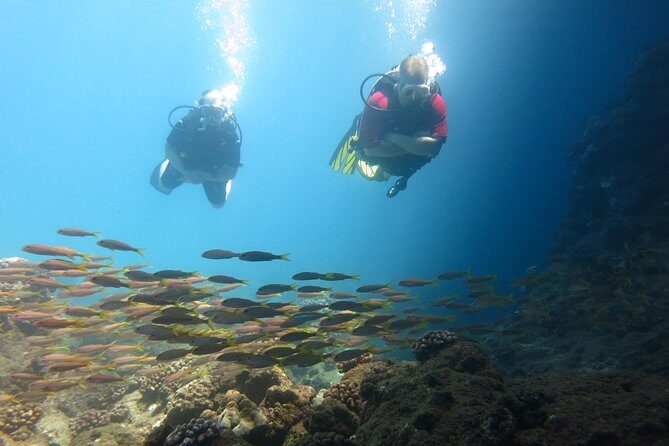
Your check-in point is Kahekili Beach Park, 65 Kai Ala Dr, Lahaina. The activity ends back at the meeting point.
From a beginner’s point of view, this starting location is helpful because it’s clear and fixed. You know where you’re going, and you can arrive early enough to do the mental warm-up: bathroom stop, water sip, and getting your gear-ready mindset.
Then expect the early phase to be all about getting set:
- Equipment fitting and setup
- Short safety briefing
- Learning the basics of how the gear works
The best part of this early segment is that instructors consistently teach in a way that keeps you calm. People mention instructors giving explanations that are detailed but not overwhelming. You’re learning gear controls for real—so the goal is getting your bearings fast before you ever go underwater.
If you can, plan to arrive with the energy to listen. The more relaxed you are on land, the easier it is to handle the new breathing sensation once you’re in the water.
What Happens Underwater: From Shallow Skills to Reef Wildlife
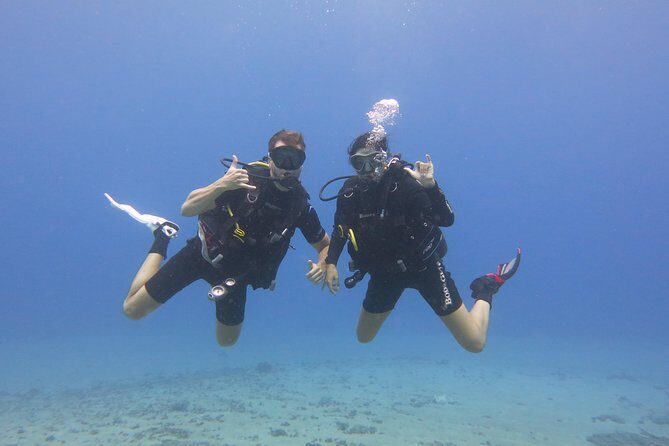
This experience follows a predictable flow, which is exactly what beginners need.
First: shallow water skills practice. You’ll work on a few foundational tasks while keeping things controlled. The point isn’t to show off—it’s to help your body figure out the new breathing rhythm and how your buoyancy feels under supervision.
Then: an underwater session near the reef. Your guide takes you out to observe the local life. Shore-based reef areas are great for first timers because you often stay within a manageable zone while still getting that wow factor.
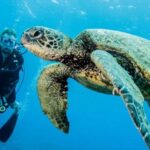
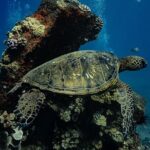
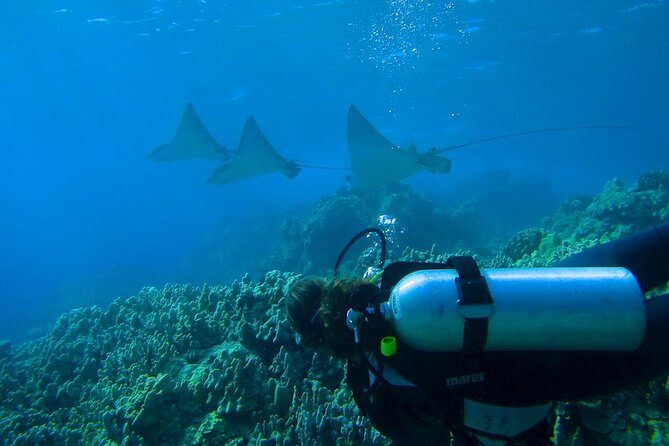
In terms of what you might see, the wildlife mentions are strong and recurring: sea turtles, eels, and schools of tropical fish show up again and again. Some first-time divers also report additional wildlife like eagle rays, sharks, crabs, and even starfish-like reef life.
One review specifically described the total depth as around 30 feet for a first-timer, which gives you a ballpark for what “beginner” can mean here. Still, don’t assume your exact depth will match. Your instructor will set expectations based on conditions and your comfort level.

Wildlife You Can Actually Hope For (Turtles, Eels, Rays, and More)
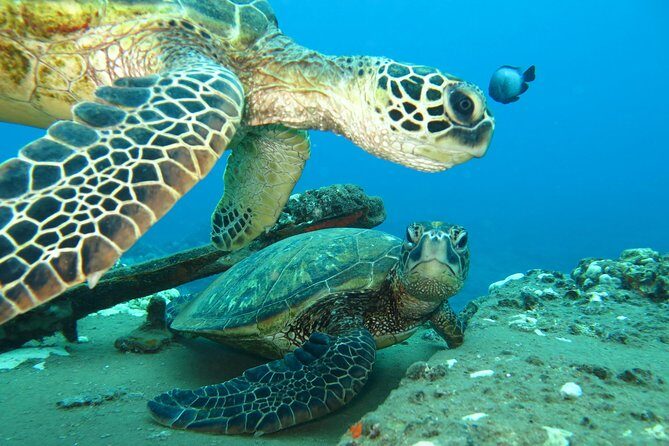
This is why people book. Maui reefs can be busy with life, and this experience is built around letting you actually look.
Here are the animals that come up most often:
- Sea turtles (often seen close enough to be meaningful, not just glimpsed)
- Eels and other reef fish
- Tropical fish schools that make the water feel alive
- Eagle rays and occasional larger visitors (one person mentioned a shark sighting)
- Extra reef surprises like crabs and starfish-type creatures
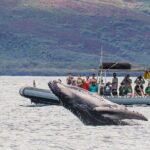
One interesting detail from experiences on this tour: people mention hearing whale sounds during the time out there. That doesn’t mean it’s guaranteed every outing, but it’s a reminder that you might get more than just visuals.
For planning, I’d treat wildlife sightings as a bonus that can be excellent, not something to demand. Your true win is getting a safe first scuba experience plus a real chance to see Maui’s ocean residents.
The Private Course Upgrade for Less-Comfortable Swimmers
If you’re not fully confident in open water, the tour offers an upgrade to a private course for less comfortable swimmers.
This matters because the standard format requires you to swim independently in the ocean. A private setup can give you the extra reassurance and attention you need so the lesson feels manageable instead of overwhelming.
Here’s how to use this info wisely:
- Be honest with yourself about your swim comfort.
- If you’re borderline, the private option can prevent a stressful situation where you might otherwise have difficulty keeping up with the tour’s expectations.
It’s also a smart way to get more direct coaching on your positioning and breathing without relying on the pace of a group.
Small Group Dynamics: Why Max 8 People Changes Everything
Scuba skills build fast, but only if you’re being watched. With a maximum group size of 8 travelers, you’re less likely to get lost in the background.
That’s a real difference for beginners. In a larger class, you might get one quick check, then wait while others rotate through. Here, the small group format supports constant feedback, which is what helps you adjust your breathing, posture, and hand control before it becomes a problem.
This also ties back to why instructors like Simon, Shane, Kevin, Jen, and Chelsea show up in so many positive comments. The consistency in praise usually points to coaching style: calm explanations, patience, and safety-first attention.
Gear, Snacks, and the Simple Stuff That Makes It Better
This is the part people forget to plan for, and it can make the experience feel smoother.
What’s included:
- Scuba equipment
- Professional guide
- Fig bars after (a small energy boost)
What’s not included:
- Bottled water (bring a reusable bottle)
What you should bring in practice:
- Your own water bottle so you’re not relying on whatever is on hand
- A mindset that you’ll be active in saltwater and might get wet more than you expect
Also, the tour notes you must be able to carry a minimum of 30 pounds for a short distance. If you’re traveling with heavy luggage, don’t assume you can toss it to the side and coast. Plan for a quick carry at the start.
Who This Tour Suits Best (And Who Should Think Twice)
This fits best if:
- You’re a beginner who wants structured instruction and close attention
- You’re comfortable swimming independently in the ocean
- You’re okay with a safety-first format that includes medical screening and strict aftercare timing
It may not be a good fit if:
- You have asthma or sinus conditions (explicitly not recommended)
- You’re not confident swimming on your own in deep water
- You can’t answer NO to every medical statement question without doctor clearance
- You’re planning a flight, Haleakalā, ziplining, or major altitude changes within the 18-hour window
Age-wise, the minimum is 10. That’s a common threshold for beginner scuba experiences, and the small-group structure can help younger participants get monitored well.
Tips to Make Your 2 Hours Go Smoothly
Want this to feel fun instead of stressful? Here’s how I’d prep, based on what matters most for first timers.
Read your medical form early. Don’t treat it as paperwork that can wait. If there’s any uncertainty, contact the provider and request the medical form ahead of time.
Be honest about swimming. The ocean doesn’t care that it’s your first day. If you’re unsure about independent swimming, consider the private course option.
Plan your schedule after. The 18-hour rule affects more than just flying. It includes ascending Haleakalā and ziplining. Build your day so you’re not stuck making hard choices at the end of your trip.
Bring your water bottle. It’s a small thing, but staying hydrated helps you feel more comfortable before you go in.
Go in ready to listen and practice. The underwater skills are short, but they depend on you paying attention. When you follow your instructor’s cues, it usually clicks fast.
Should You Book Banyan Tree Divers Maui?
Book it if you want a guided, small-group first-time scuba experience focused on safety, real instruction, and seeing Maui’s reef life. The combination of included equipment, close instructor attention (max 8), and the consistent wildlife sightings—especially sea turtles and eels—makes this one of the better “first try” options in the area.
Skip it if independent swimming in open ocean water isn’t your strength, or if you know medical timing and pressure rules are going to conflict with your travel plans. This experience is strict by design, and it doesn’t bend on the swim and medical requirements.
If you meet their requirements, though, this is a high-confidence way to check off beginner scuba while still keeping things calm and coached.
FAQ
Do I need to swim independently in the ocean?
Yes. Swimming ability in the ocean is required, and you must be comfortable swimming independently in the deep ocean to complete the tour.
What’s included in the price?
The tour includes scuba equipment use and a professional guide. Snacks (fig bars) are also provided.
How long does the experience take?
It takes about 2 hours (approximately).
Where does the tour start and end?
The meeting point is Kahekili Beach Park, 65 Kai Ala Dr, Lahaina, HI 96761, USA. The activity ends back at the meeting point.
Is transportation included?
No. Private transportation is not included, and you’ll want a plan to get to the meeting point.
Do I need to complete a medical statement?
Yes. Before scuba, you’ll fill out a medical statement and must be able to answer NO to each question. Any YES requires doctor clearance.
How soon can I fly or go to high altitude after my underwater session?
You must wait 18 hours before flying or before ascending to 1,000 feet or more, and also before activities like ziplining or ascending Haleakalā.