REVIEW · MAUI
Hula Lesson on Maui (Basics)
Book on Viator →Operated by Oni Foundation Inc - Wonderful World of Aloha Cultural Activity Center · Bookable on Viator
The hula class is a small skill with big meaning. In about an hour in Maui, you’ll learn basic hula movements, key terminology, and a bit of the dance’s legends—so it feels more like understanding than performing. The vibe is friendly, all-ages, and made for people who think they have two left feet.
What I like most is how beginner-friendly it is without dumbing anything down. You’ll practice core hand and body movements, then put them into a short dance or two, which means you leave with something real you can remember.
The second big win for me is the cultural context. You’re not just copying steps; you’re getting the story and language behind the dance. One possible drawback: it’s a short, one-hour session, so if you’re hoping for a long training block or lots of individual coaching, this may feel a bit brief.
In This Review
- Key Highlights You’ll Actually Feel
- Your Maui Hula Lesson in One Hour: Fun, Plus Meaning
- Where You Start: Oni Foundation on Ka’ahumanu Ave (Near Public Transit)
- What You Learn First: History, Legends, and Hula Terminology
- The Movement Part: Basic Hula Techniques You Can Use Immediately
- Putting It Together: A Dance or Two (What You Leave With)
- Who This Is Best For (And Who Might Want Something Else)
- Price and Value: $25 for a Skill You Carry Home
- Practical Tips for a Smooth Lesson Day
- Should You Book This Maui Hula Lesson?
- FAQ
- How long is the hula lesson in Maui?
- Where does the lesson meet in Kahului?
- What time does the class start?
- Is prior dance experience required?
- What is included in the price?
- Are meals included?
Key Highlights You’ll Actually Feel
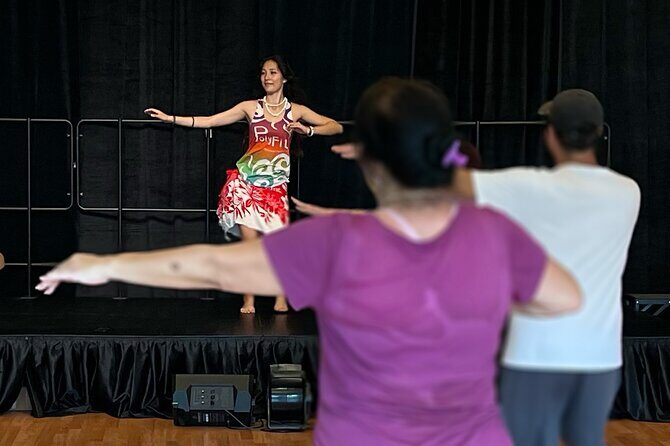
- All-ages instruction that works for kids through adults, regardless of dance background
- English guide leading you through history, legends, and hula terminology
- Bare-feet practice with hands-on movement training, then a short routine or two
- Small group size capped at 25 travelers, which keeps the class from feeling chaotic
- Mobile ticket for easy check-in and a smooth start to your lesson
Your Maui Hula Lesson in One Hour: Fun, Plus Meaning
This is the kind of activity that surprises you. Hula can look effortless from far away, but when you learn it up close, it turns into a fun challenge that clicks with your body. The best part is that the lesson is designed so you’re not starting from zero with no tools—you get simple language, basic movements, and a structure you can follow.
In practice, the class balances three things: the story side, the vocabulary side, and the body side. You’ll start with the background (history and legends), then learn some important terms, then practice the movement basics. Finally, you’ll bring it together into a dance or two. Even if you’re not much of a dancer, that arc makes progress feel fast.
You’ll also get a clear sense that hula isn’t one thing. It’s a dance form with meaning, and the gestures you’re learning are part of how the story gets told. That shifts the experience from entertainment to understanding, and it makes your routine feel more personal when you’re done.
You can also read our reviews of more tours and experiences in Maui



Where You Start: Oni Foundation on Ka’ahumanu Ave (Near Public Transit)
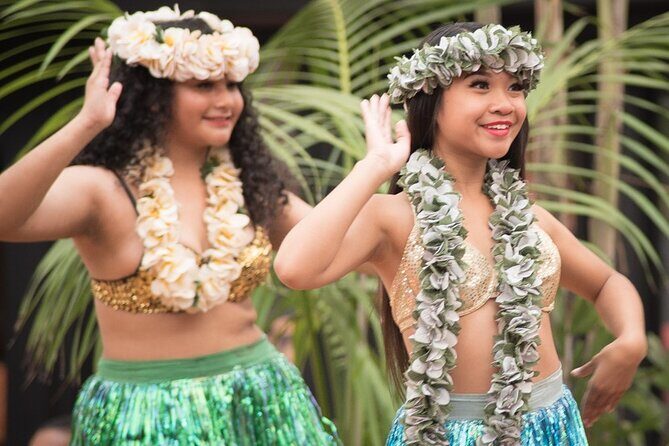
Your lesson begins at Oni Foundation Inc – Wonderful World of Aloha Cultural Activity Center, located at 275 W Kaahumanu Ave, Kahului, HI 96732. The class is scheduled to start at 11:00 am, and it ends back at the same meeting point.
This is a practical setup for Maui visitors. Kahului is a common base, and the location is listed as near public transportation, so you’re not forced into a complicated logistics puzzle if you’re not driving. It’s also a straightforward plan for families, since you can build the rest of your day around a single time block.
The lesson itself is capped at 25 travelers, so it doesn’t feel like you’re being processed. You’re in a group, but it’s not packed. That matters because hula relies on rhythm, posture, and repetition—when the class is too large, it’s harder to keep momentum and learn the basics cleanly.
What You Learn First: History, Legends, and Hula Terminology
Most vacation classes teach the body first. This one starts with context, and I think that’s why it works. You’ll learn some of the history and legends of hula, which gives you a reason to care about the movements beyond looking cute in photos.
Then you add important hula terminology. That’s not just academic. When you understand a few key words, the choreography makes more sense, and your instructor’s cues become easier to catch. You’re not just hearing random counts—you’re learning a system.
If you’re coming with kids, this storytelling layer is a big deal. Little learners often latch onto meaning before they latch onto technique. When the lesson includes legends and language, the class stays interesting instead of turning into only “repeat after me.”
If you’re coming as a dancer (or someone who loves dance), you’ll likely appreciate that it’s not treating hula like a stereotype. You’ll get a deeper view of the dance form—enough to understand what’s going on even if you’re not going to become a performer.
The Movement Part: Basic Hula Techniques You Can Use Immediately
Once you’ve got the story and terms, you practice. The lesson includes learning and practicing basic hula movements, focusing on what you can control quickly: hand shapes, body rhythm, and the overall look of the dance.
Hula is full of tiny details. A lot of people expect it to be all about big motions, but the basics are more about clarity—holding shapes, using steady rhythm, and staying coordinated. The good news is that this class keeps it approachable. You don’t need prior dance experience, and the instruction is set up so people can join with confidence.
You’ll also get the structure to make the moves stick. Instead of throwing you straight into a full song with no scaffold, the class builds step-by-step until you can handle a short sequence.
One practical note: the class uses bare feet. So plan to wear something you can easily manage on the day (easy footwear for the walk there is a smart idea, since the lesson itself is barefoot).
Putting It Together: A Dance or Two (What You Leave With)
This is where the lesson turns into a win you can feel. After you practice the basics, you’ll put it all together into a dance or two. You’re not just learning “moves”—you’re learning how the moves behave when they’re arranged to tell a story over time.
That’s a key value in a short, one-hour format. It helps you walk out with a complete experience, not just a sampler. Even if your routine isn’t perfect, you’ll have a full arc you can remember.
There’s also a confidence boost here. Hula often looks challenging until you see it taught in small, repeatable pieces. When the class connects the dots—story → movement → short routine—you get that satisfying moment where it finally clicks.






Who This Is Best For (And Who Might Want Something Else)
This lesson is a strong fit for almost anyone, including families. The class is explicitly positioned as all-ages, and the format is beginner-friendly, so you don’t need to worry about fitting in.
It also works well for:
- Couples who want a short, meaningful activity that isn’t a long time commitment
- Solo travelers who want an engaging group activity with a clear start and finish
- People who like cultural experiences with hands-on practice, not just watching
Where it may not fit as well:
- If you’re looking for a long practice session or intensive technique training
- If you want lots of personalized corrections (the group is capped at 25, but it’s still a class, not a private lesson)
Think of it as a “first taste done well.” You’ll leave with a skill and a story, and you can decide later if you want to continue learning more deeply.
Price and Value: $25 for a Skill You Carry Home
At $25 per person for about one hour, this is priced like an affordable cultural activity rather than a luxury workshop. The value comes from the structure: you’re getting instruction, cultural context, and practice that ends in an actual routine.
You’re also not paying extra for the essentials. The lesson includes the English guide and the experience content—history, terminology, and basic movements—plus you only need bare feet. That keeps the “hidden costs” low.
What’s not included is also clear. Gratuity isn’t included, and meal or refreshments aren’t included, so you’ll want to plan around that. If you need a snack break after, it’s worth thinking ahead.
For most people, the real question isn’t whether the price is low—it’s whether you’ll use what you learn. A short routine you can repeat, plus a better understanding of what you’re seeing when you watch hula on Maui, is exactly the kind of value that sticks.
Practical Tips for a Smooth Lesson Day
A few small choices can make the lesson feel easier.
First, go prepared to be barefoot for the class. Wear clothing that lets you move comfortably and that you can quickly adjust. You don’t want to wrestle with tight shoes or complicated layers when you’re about to focus on rhythm.
Second, bring the right mindset. Hula isn’t about being perfect; it’s about participating. If you treat it like a friendly puzzle—repeat, adjust, and try again—you’ll get more from every minute.
Third, plan your timing. Starting at 11:00 am, it’s an easy anchor for your day. You’ll finish back where you started, so you won’t need to build your schedule around a complicated end point.
Finally, since the group is capped at 25 travelers, the lesson tends to feel organized. Still, arrive a touch early so you can settle in and focus.
Should You Book This Maui Hula Lesson?
I’d book it if you want a cultural activity that’s hands-on, not just observational. The mix of history and legends, hula terminology, and actual movement practice makes the hour feel purposeful. And because it’s beginner-friendly and all-ages, it’s one of those rare “everyone can do it” experiences.
I’d skip it (or consider a longer class) if you’re chasing deep technique work. One hour is enough to get the basics and build confidence, but it’s not enough to turn you into a long-term hula dancer.
If you’re flexible, it’s also easy to adjust plans: cancellations are free up to 24 hours before the start time, so you can hold your spot and decide later if your Maui schedule shifts.
FAQ
How long is the hula lesson in Maui?
It lasts about 1 hour.
Where does the lesson meet in Kahului?
You meet at Oni Foundation Inc – Wonderful World of Aloha Cultural Activity Center, 275 W Kaahumanu Ave, Kahului, HI 96732.
What time does the class start?
The listed start time is 11:00 am.
Is prior dance experience required?
No. The experience is beginner-friendly, and anyone can join regardless of age, background, or dancing skills.
What is included in the price?
The lesson includes an English guide and the experience itself. You just need bare feet.
Are meals included?
No. Meal/refreshments are not included, and gratuity is not included either.