REVIEW · MAUI
Maui: Guided Whale Watching Tour on Eco Raft
Book on GetYourGuide →Operated by Hawaii Ocean Rafting · Bookable on GetYourGuide
Whale songs you can hear are rare. On this Maui eco-raft outing from Lahaina, you cruise the West Maui coast and toward Lanai waters in search of wild whales, while a marine naturalist helps you spot behavior you’d otherwise miss.
I especially like the small-group feel and the practical, family-friendly setup. I also really enjoy the hydrophone whale sounds part, which turns a boat trip into something you can actually learn to follow in real time.
The main thing to consider: conditions matter. Even with a whale sighting promised, wildlife in the wild means what you see can vary, and the low-to-the-water raft can get wet if the ocean is lively.
In This Review
- Key moments you’ll remember
- Why an eco-raft whale watching trip in Lahaina feels different
- Getting on board: check-in, the raft ride, and what staying dry really means
- The 2–5 hour flow: from short cruise to the whale window
- Marine naturalist coaching: how the tour makes whale behavior easier to read
- Hydrophone whale sounds: why it’s more than a gadget
- Snacks, drinks, and comfort breaks that keep the vibe relaxed
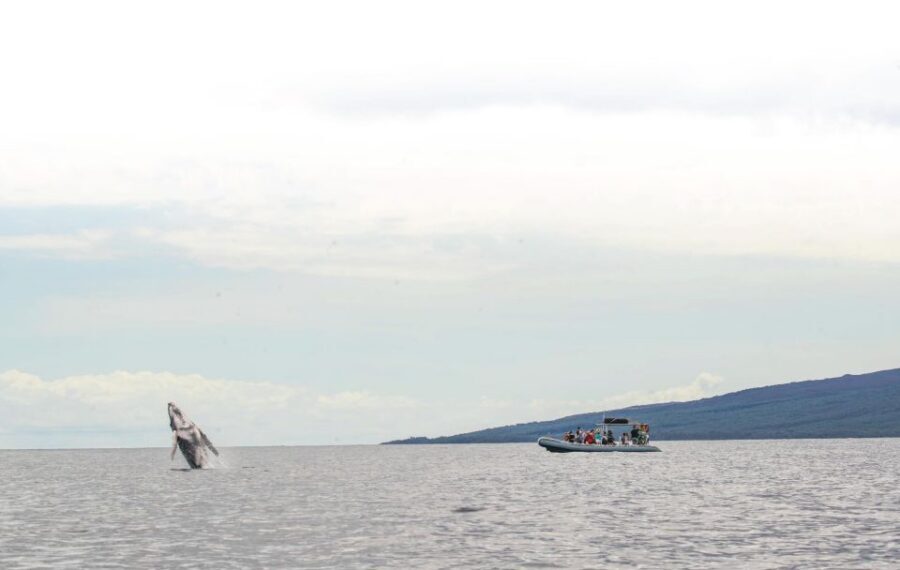
- What you’re actually likely to see: playful behavior, close surfacing, and real surprises
- Photography and seating: how to get better shots in choppy seas
- Who this tour suits best (and the people who should skip it)
- Price and value: is $96 a fair deal for Maui whale time?
- Booking instincts: how to decide if this is your kind of whale tour
- FAQ
- FAQ
- Is whale watching actually guaranteed on this tour?
- Do I have to swim or snorkel to participate?
- Where does the tour start in Lahaina?
- How long is the tour?
- What does the hydrophone do?
- What food and drinks are included?
- What should I bring?
- Is the tour suitable for non-swimmers?
- Who should not book this activity?
- What about allergies?
Key moments you’ll remember
- Hydrophone whale audio that helps you track whales even when they’re not right at the surface
- Marine naturalist guidance that makes sightings feel like a live lesson, not just a sighting hunt
- Small-group eco-raft cruising that feels less like a cattle call and more like a guided outing
- A dry, no-snorkeling format that lets non-swimmers enjoy the ocean without getting in the water
- Music while you cruise plus breaks with snacks that keep the vibe relaxed
Why an eco-raft whale watching trip in Lahaina feels different
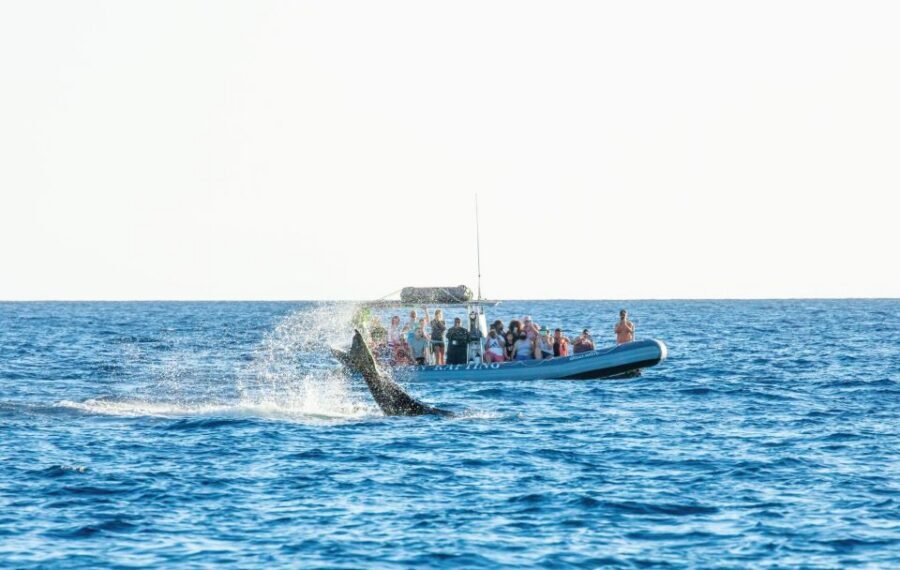
Maui whale watching is popular for a reason, but the style of tour matters. This is built around a semi-private eco-raft experience instead of a big, noisy vessel. That smaller setup makes it easier to pay attention—both to the ocean and to the naturalist’s explanations as whales move through the area.
What I like is the combination of “see them” and “understand what you’re seeing.” You’re not just scanning for spouts and flukes. With the hydrophone, you get whale communication coming through an underwater microphone. It’s one of those details that changes your whole mindset on the water: you start listening for activity, not only watching for it.
You’ll also appreciate that it’s designed for people who want wildlife without making swimming a requirement. The experience stays on the raft—so you can focus on whales and Maui scenery instead of gear checks or getting in the water.
You can also read our reviews of more guided tours in Maui



Getting on board: check-in, the raft ride, and what staying dry really means
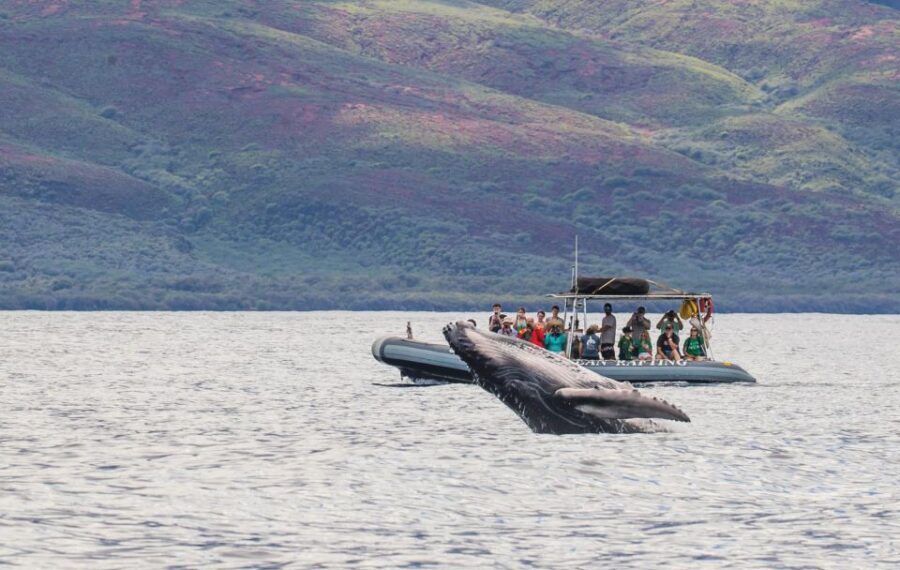
You’ll start at 1223 Front St in Lahaina. Check in at the tour shop there at least 30 minutes early, then you’ll be taken to the departure spot after check-in. Plan to arrive with enough buffer to avoid a rushed start, because late check-ins can mean you miss boarding.
Once you’re underway, you’ll feel the difference of an eco-raft. These are adventure-style, low-to-the-water boats. That’s part of the charm, but it also means you might get some spray depending on sea conditions. Bring a waterproof bag for your phone/camera and keep electronics secured.
Good news: this trip is set up so you can enjoy the ocean without committing to water time. There’s no in-water activity, and there’s no snorkeling. The viewpoint stays from the raft, which helps a lot if you’re traveling with someone who isn’t comfortable in the water.
The 2–5 hour flow: from short cruise to the whale window
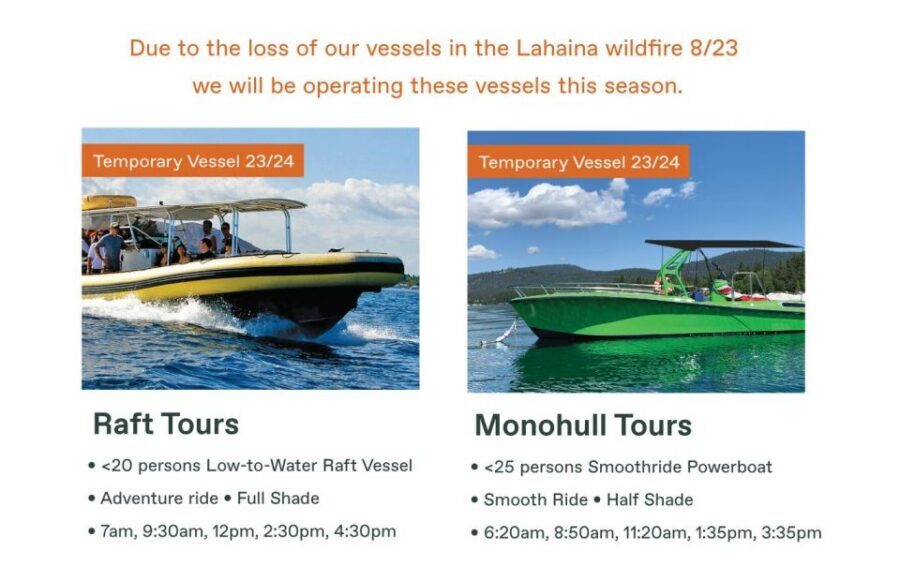
Tours like this tend to feel “short but focused,” and this one follows a simple rhythm.
First, there’s a quick time to get launched and into position. Think of it as a setup phase where you’re getting out beyond the immediate harbor area and watching the water for signs of wildlife.
Then comes the centerpiece: your whale watching stretch lasting about 1.5 hours. This is where the team looks for activity and where the naturalist’s role really shines. You may see whales behaving in ways that make the time feel fast—surfaces, tail movements, or groups interacting.
Finally, you return and wrap up back at the starting area on Front Street.
One practical takeaway: bring patience for the wild side of the day. Even with a whale sighting promised, the timing of the best sightings depends on where whales are choosing to be. The goal is a guided ride with a real search, not a guaranteed performance.
Marine naturalist coaching: how the tour makes whale behavior easier to read
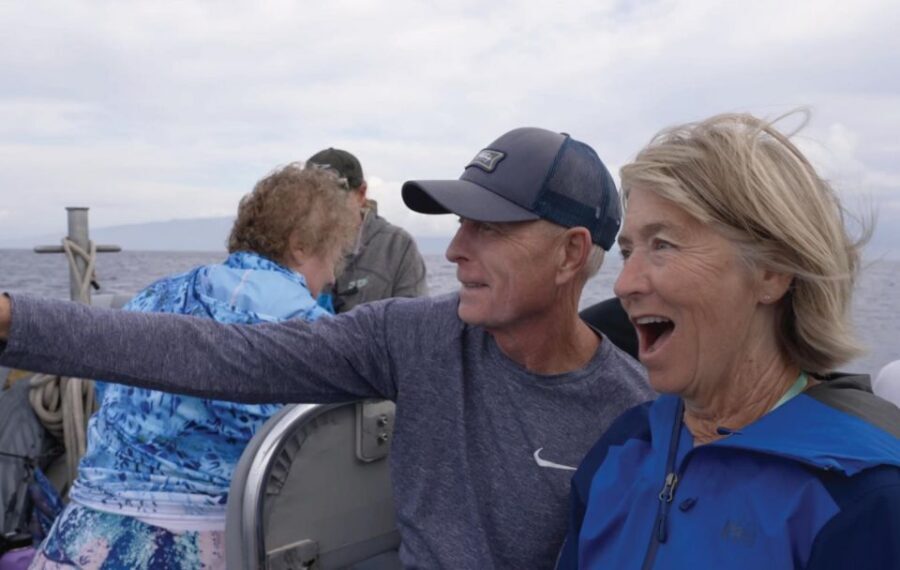
The best part of a guided whale tour isn’t just seeing whales—it’s knowing what you’re seeing. That’s where the marine naturalist comes in.
On this trip, the naturalist shares fun facts about marine animals and the islands while you’re on the water. You’re also getting help spotting behavior in the real moment. That means when whales surface, you have a better shot at understanding what signals you’re looking at—like play behavior, positioning, and how groups move.
In the experiences people shared, guides often include captains like Jack and naturalists such as Val or Jill. What matters for you isn’t the name on the checklist. It’s the style: friendly and talk-forward, with information that keeps you engaged even between sightings.
And yes, the sound piece is a big deal. The hydrophone gives you whale communication through the underwater microphone. If you’ve ever tried to watch wildlife while guessing what’s happening out of sight, this solves that problem in a surprisingly immediate way.
Hydrophone whale sounds: why it’s more than a gadget
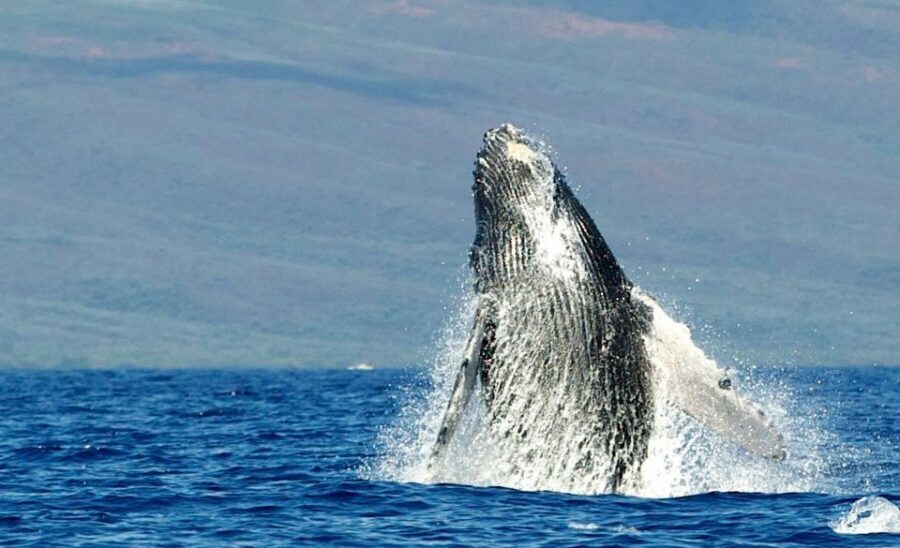
A hydrophone can sound like a gimmick until you’re actually on the water and you realize it’s a tracking tool.
Whales communicate through sound, and hearing those signals changes how you scan the ocean. Instead of staring only for spouts, you can watch for visual cues that match the audio activity. That’s especially helpful because whales can be underwater longer than you expect.
It also adds a level of wonder that doesn’t depend on perfect light or perfect calm seas. Even when the surface action is brief, the sound can hint that whales are nearby and active.
If you’re traveling with kids or non-experts, this is one of the easiest ways to make the experience feel interactive instead of passive. You’re not just waiting. You’re participating by listening and learning the pacing of the animals.
You can also read our reviews of more whale watching tours in Maui

Snacks, drinks, and comfort breaks that keep the vibe relaxed
This isn’t one of those “we’ll feed you after” tours. There are breaks with sweet pastries, fruit, Maui-style potato chips, cookies, and beverages, plus purified water.
It’s a small touch, but it matters on a trip that can run a few hours. You’re outside, you’re in the sun, and you’re focused on spotting wildlife. Having snacks and drinks keeps energy steady and helps everyone stay in a good mood for the whale window.
One more practical angle: if you’re prone to getting chilly or sunburned quickly, bring the right clothing. The trip is designed to keep you out on the raft, so sun protection and comfort are still on you.
What you’re actually likely to see: playful behavior, close surfacing, and real surprises
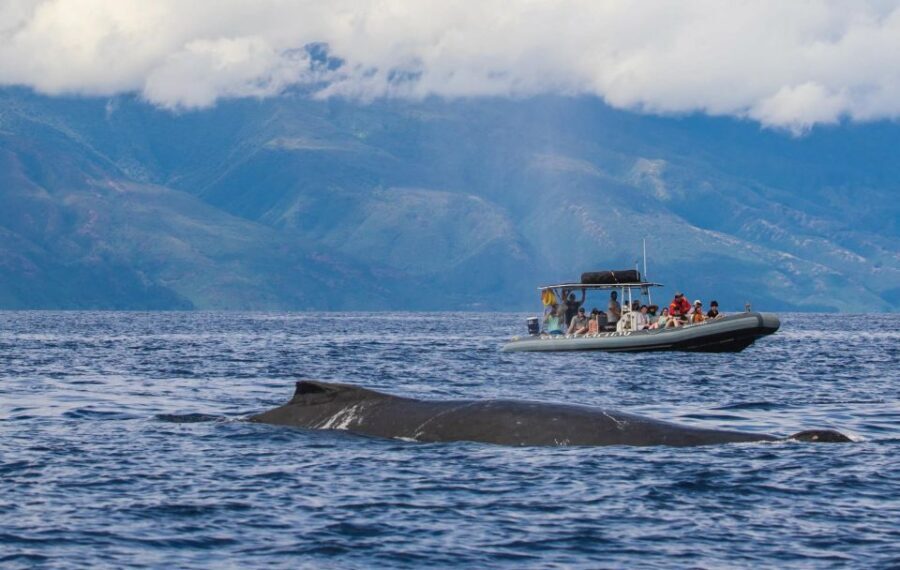
Whale watching can be a gamble because the ocean is not a theme park. Still, this tour is built around staying active in the search, and people who booked it often talk about strong sightings.
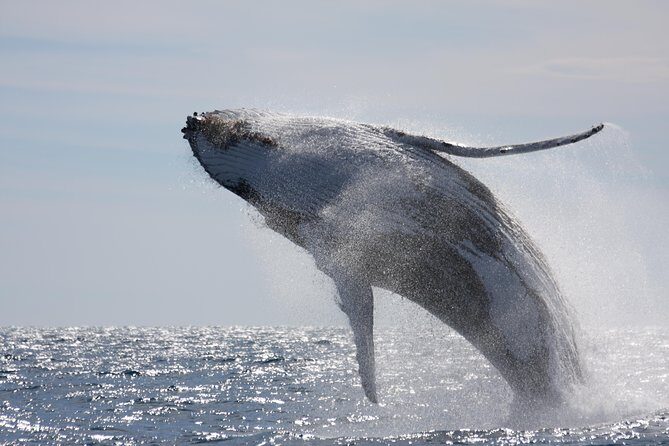
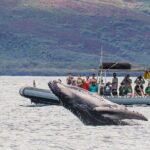
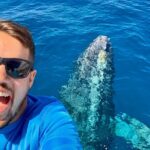
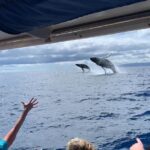
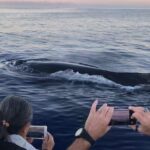
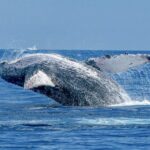
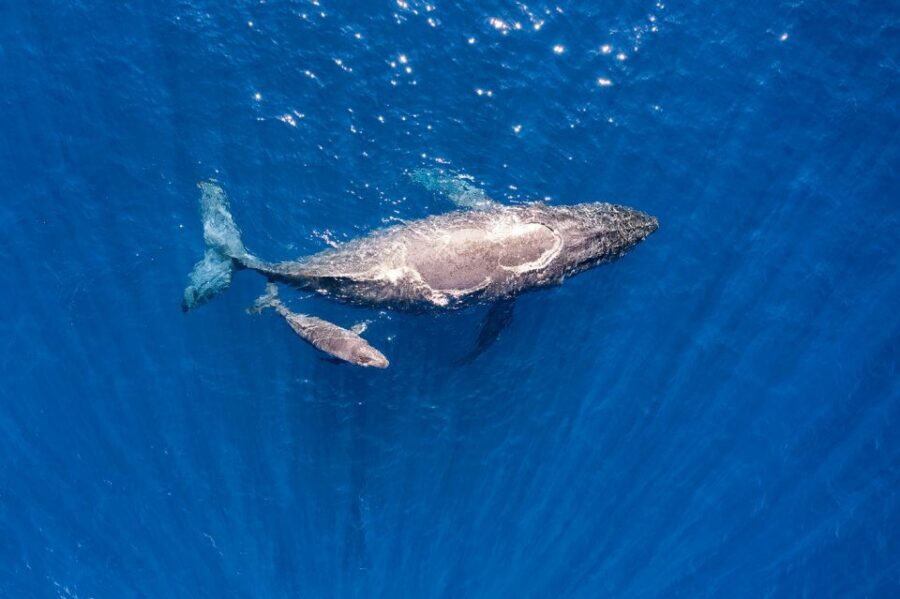
You might see whales that perform playful behavior—things like tail and fluke movement, pectoral fins showing in the right angle, or calves surfacing near adults. In past experiences shared, people described whales swimming close to the boat and showing noticeable activity.
You may also get multiple sightings rather than a single quick moment. That’s one reason the guided time matters: the team can reposition based on where activity pops up.
Keep expectations grounded. If you’re hoping for constant breaches back-to-back, no wildlife tour can promise that. But for many visitors, what makes this outing memorable is the mix of sightings plus guidance that helps you see the meaning behind the behavior.
Photography and seating: how to get better shots in choppy seas
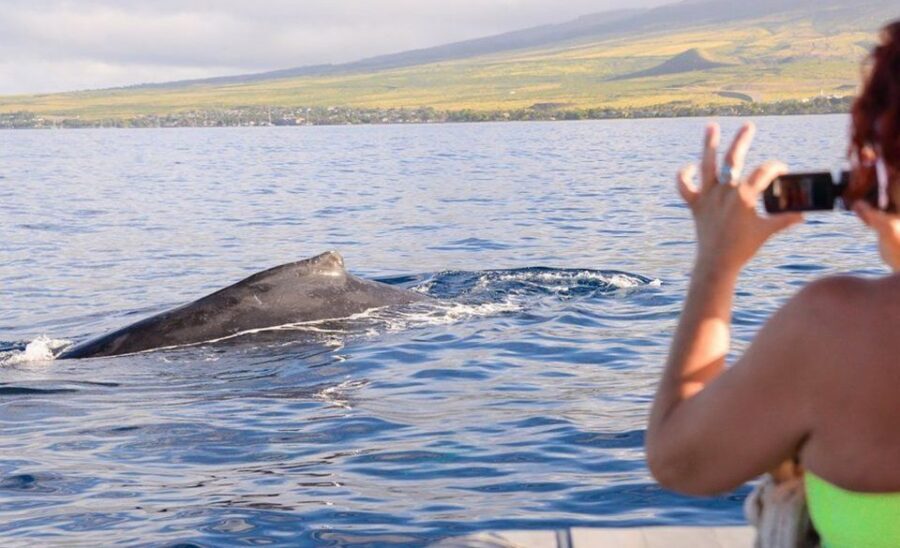
If photography is your priority, plan smart. One common issue with rafting and ocean movement is that timing matters and hand-held shots get harder in rougher water.
People noted that pictures can be tricky depending on where you sit and how choppy the sea is. If the water gets bouncy, the front and certain angles may be harder to stabilize. The raft is often described as fun and stable for many riders, but stability doesn’t remove motion entirely.
A practical tip: if you can choose a spot, consider aiming for the side that gives the captain a better view of whales during the approach. One person shared that whales were viewed differently based on side, and they wished they’d chosen starboard. You can treat this as a hint when you board: ask where the best viewing tends to be for whale action when conditions change.
What to bring for photos:
- a waterproof camera or waterproof phone setup
- a waterproof bag so you’re not juggling gear
- sunglasses so you can keep spotting without squinting
Who this tour suits best (and the people who should skip it)
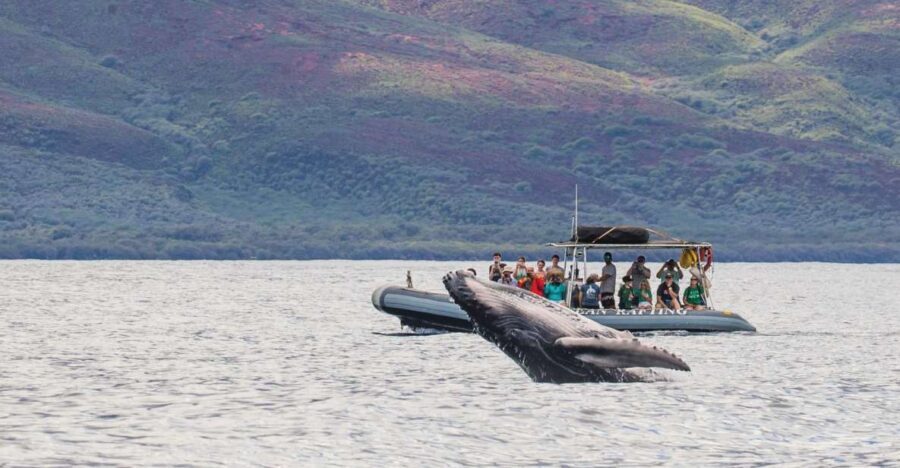
This is a strong choice for people who want whale watching but don’t want to swim.
It’s especially good if:
- you don’t swim and still want a real ocean wildlife experience
- you like a guided approach with interpretation, not just scanning
- you want a smaller group setting
It may not be right if:
- you’re pregnant
- you’re bringing children under 3
- you have back problems (the ride can be uncomfortable for some bodies)
- you use a wheelchair
Also consider your comfort with sun and possible spray. Bring the right gear so you’re not distracted by discomfort when whales appear.
If you have severe food allergies, read closely. The onboard food is prepared and handled in ways where cross-contact may happen, and the operator can’t guarantee allergen-free items. If you have an EpiPen or prescribed allergy medication, bring it as advised by your healthcare professional.
Price and value: is $96 a fair deal for Maui whale time?
At $96 per person, this isn’t a budget activity. But it can feel like value when you zoom out and look at what’s included.
Here’s what you’re paying for beyond just a boat ride:
- Guaranteed whale sighting as advertised
- a marine naturalist guiding your interpretation
- hydrophone audio, which makes sightings more meaningful
- snacks and beverages, plus purified water
- a small-group format designed to reduce crowd stress
That mix changes the cost equation. If you only want a brief look and you’re fine figuring out whales on your own, a cheaper option might exist. But if you want the experience to make sense—what you’re seeing, what the animals are doing, and how to track them—then the naturalist + hydrophone combination justifies a higher price.
Also, the dry, no-snorkeling format is part of the value. You’re not paying to rent water-time you may not want. You’re paying for a guided viewing experience designed for more comfort on the water.
Booking instincts: how to decide if this is your kind of whale tour
If you want whale watching that’s guided, listenable, and built around a smaller raft setting, I’d say this is a solid pick.
Book it if:
- you want whale audio through the hydrophone
- you prefer small group attention and a family-friendly vibe
- you need a no-swimming option with real wildlife time
Think twice if:
- you’re extremely sensitive to motion or discomfort on the water
- you require guaranteed photo conditions in rough seas
- you don’t tolerate outdoor sun and possible spray without strong prep
If you’re on the fence, consider your top goal for Maui: Is it the animals—and learning enough to enjoy them—or is it a long, luxury cruise where the main objective is scenery? This tour leans hard toward wildlife and understanding what’s happening out there.
FAQ
FAQ
Is whale watching actually guaranteed on this tour?
The tour advertises a guaranteed whale sighting. At the same time, whale and dolphin activity can vary in the wild, so what you see may differ day to day.
Do I have to swim or snorkel to participate?
No. There’s no in-water activity on this trip. All viewing happens from the eco-raft, so you can stay dry.
Where does the tour start in Lahaina?
Check-in is at 1223 Front St, Lahaina. The activity starts from there, and you’ll be taken to the departure location after check-in.
How long is the tour?
The duration is listed as 2 to 5 hours, with about 1.5 hours allocated for whale watching.
What does the hydrophone do?
The hydrophone lets you listen to whale communication underwater during the tour.
What food and drinks are included?
The tour includes sweet pastries, fruit, Maui-style potato chips, cookies, and beverages, plus purified water.
What should I bring?
Bring sunglasses, a sun hat, a towel, a waterproof camera, biodegradable sunscreen, water shoes, and a waterproof bag.
Is the tour suitable for non-swimmers?
Yes. It’s specifically noted as a great option for non-swimmers who want wildlife encounters from the raft.
Who should not book this activity?
It’s not suitable for pregnant women, children under 3 years, people with back problems, and wheelchair users.
What about allergies?
The operator can’t guarantee that food is free of allergens due to potential cross-contact. If you have a known severe allergy, notify the team in advance and bring any required medication.