REVIEW · MAUI
Farm to Taco: A Farm to Table Cooking Class
Book on Viator →Operated by Lā Kāhea Community Farm · Bookable on Viator
Turning farm produce into tacos is a joy. A small-group class at Lā Kāhea Community Farm blends a farm tour with hands-on cooking, so you see where your meal starts. You’ll come away with practical taco skills plus a better sense of how sustainable farming works right on Maui.
Two things I especially like: fresh ingredients are the center of the day, and the teaching is relaxed but hands-on, led by Janelle and Catherine. I also like that the class can fit vegetarian and gluten-free needs, and can be made vegan. One possible drawback: it’s tied to good weather, so plan to be flexible if conditions force a reschedule.
With a $149 price tag, you’ll want to be sure this is your kind of experience. At 2 hours 30 minutes with a maximum of 15 travelers, it’s built for a more personal feel—not a quick demo. If you’re expecting a huge production or lots of downtime, this might feel too “hands-on” for your taste.
In This Review
- Key Highlights You’ll Feel During the Class
- Farm-to-Taco on Maui: What This Day Is Really About
- Getting There: The Maui Meeting Point and Timing
- Lā Kāhea Community Farm: The Ingredients Come With a Story
- The Kitchen Part: Fresh Tortillas and Hands-On Taco Building
- Dietary Options: Vegetarian, Gluten-Free, and Vegan-Friendly
- What Makes It Feel Personal: Small Group Limits
- Price and Value: Is $149 Worth It?
- Weather and the Outdoor-to-Indoor Flow
- Best For: Who Should Book This Class
- Should You Book Farm to Taco?
- FAQ
- Where is the Farm to Taco cooking class meeting point?
- What time does the class start, and how long is it?
- How many travelers are in the group?
- Is the class vegetarian or gluten-free?
- Is the class offered in English?
- What happens if the weather is poor?
- Are service animals allowed?
Key Highlights You’ll Feel During the Class
- Small-group pace (max 15 travelers) keeps the room friendly and questions actually get answered
- Farm tour first, cooking second gives you context for what ends up in your tacos
- Vegetarian and gluten-free options are built in, and classes can be made vegan
- Fresh tortillas and taco assembly are real skills you’ll use again at home
- Instructors Janelle and Catherine make the day informative and fun, including for kids
- Ends back at the meeting point so you don’t have to plan extra transport
Farm-to-Taco on Maui: What This Day Is Really About
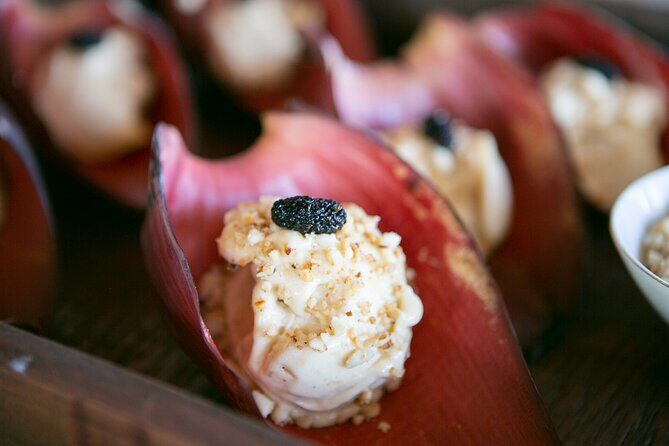
This isn’t just a cooking class where you read a recipe and hope for the best. It’s a farm-to-table style experience at Lā Kāhea Community Farm, built around one simple idea: if you understand the ingredients, you taste the difference.
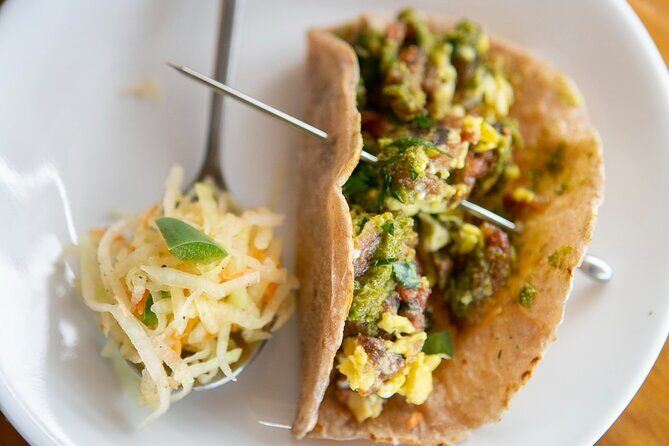
You start with a farm-focused portion that’s meant to connect food to the land—sustainable farming practices, local history, and the origins of what you’ll be cooking with. Then you move into the kitchen to learn how to make tacos using farm ingredients, including fresh tortillas and assembling tacos with care.
The setting matters, too. The day ends with the food you made, so the cooking isn’t separate from the meal. It’s a loop: see it grow, cook it, eat it.
You can also read our reviews of more tours and experiences in Maui.

Getting There: The Maui Meeting Point and Timing
Plan around a late morning start. The class begins at 10:30 am and runs about 2 hours 30 minutes. It starts at 2100 HI-30, Wailuku, HI 96793, USA, and it ends back at the same meeting point.
That start time is smart if you want a Maui morning that’s not rushed. You can still do a beach walk or a quick coffee stop before 10:30, but you’re not stuck with a super early pickup. And because it ends where it began, you won’t need to arrange a follow-up ride right after eating.
Also note it’s offered in English and you’ll receive a mobile ticket.
Lā Kāhea Community Farm: The Ingredients Come With a Story
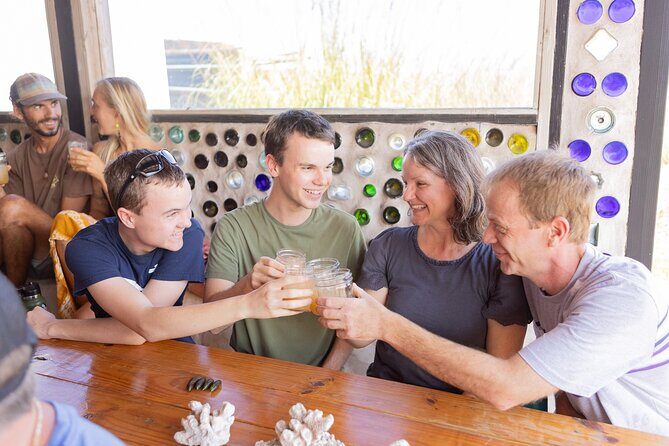
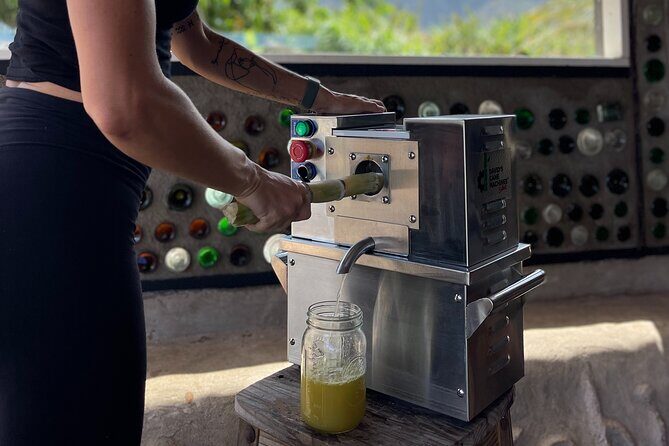
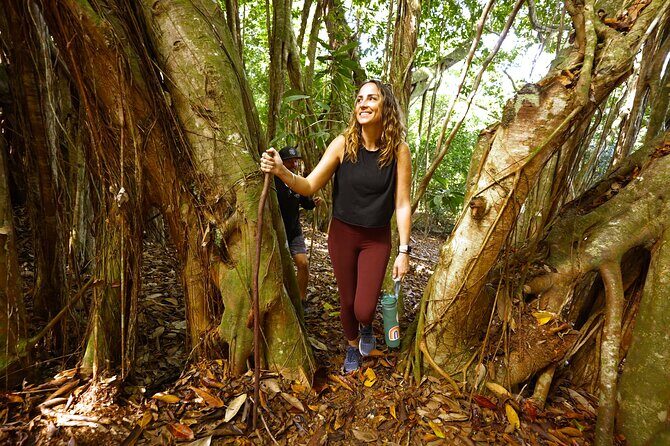
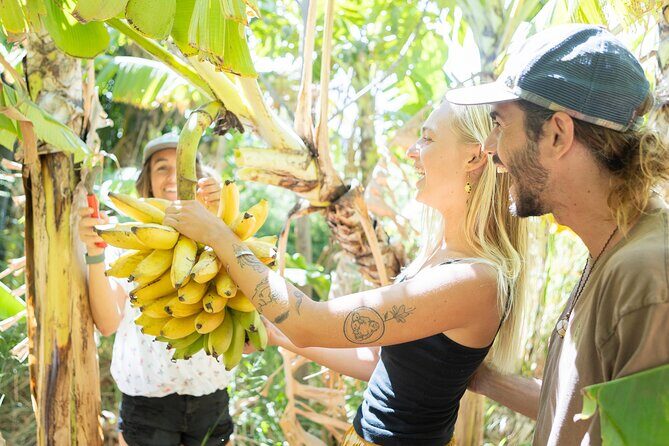
The day kicks off on the farm with a tour led by Janelle. This is where the experience becomes more than “just tacos.” Janelle shares knowledge about the land and the produce you’ll harvest or use—what makes it local, why it’s grown the way it is, and how sustainable practices connect back to taste.
From what you’ll see and learn, the goal is clear: you should leave understanding the why behind your plate. When you cook with farm ingredients, the flavor isn’t accidental. It’s the result of how food is grown and handled.
If you care about local culture (the food side of it), this is one of the best parts of the class. It gives meaning to the ingredients—so when you’re rolling tortillas or building tacos, you’re not just copying steps. You’re cooking with intention.
The Kitchen Part: Fresh Tortillas and Hands-On Taco Building
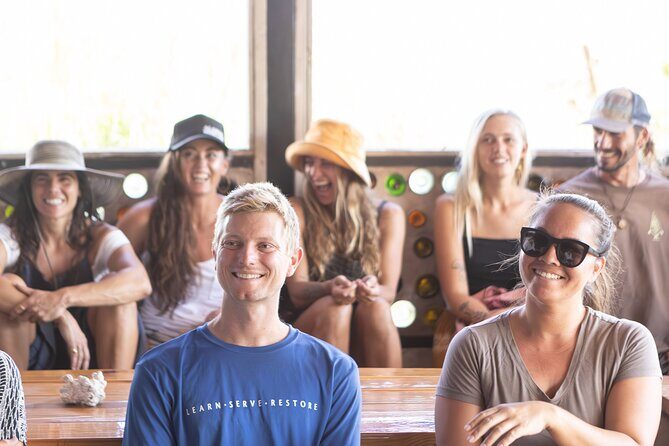
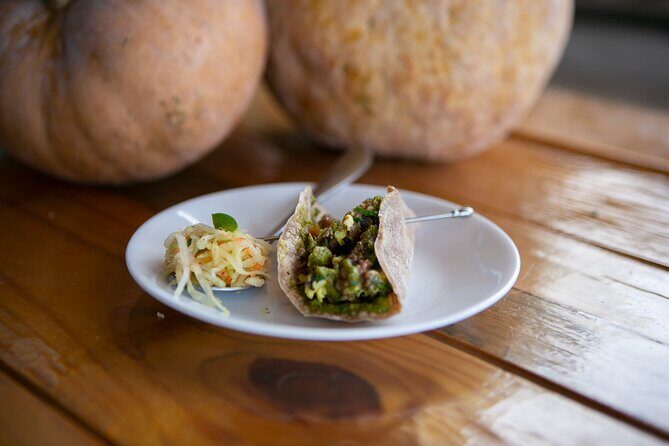
Next comes the kitchen instruction, led by Catherine. This is where you’ll switch from looking to doing. You’ll learn how to make fresh tortillas and assemble the tacos you’ll eat.
The teaching style is the kind that helps beginners feel capable. The pace is relaxed, with plenty of chances to get involved. It’s not a stage show, and it’s not a sink-or-swim situation. You’ll be guided through steps, but you’re expected to actively participate.
This part matters because tortillas are where many people get stuck at home. Even if you’ve eaten tacos your whole life, making tortillas is a different skill—simple in concept, but you need the right approach. When you finish here, you’ll have something tangible to practice later, not just a memory.
And yes, the result is food you’ll want to eat on the spot. The class is built so that your work becomes lunch.
Dietary Options: Vegetarian, Gluten-Free, and Vegan-Friendly
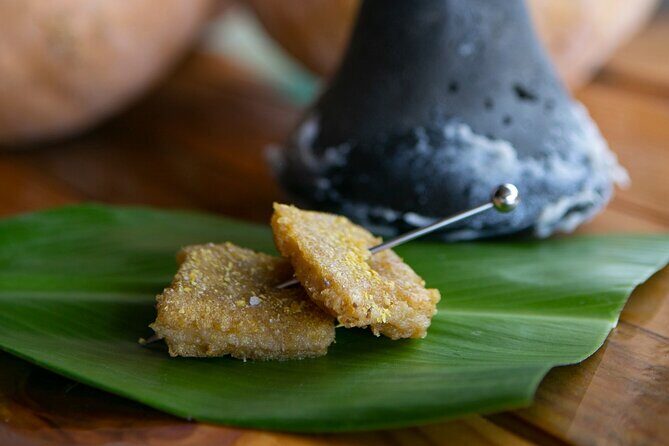
One of the strongest points here is that dietary needs aren’t treated like an afterthought. The class is described as vegetarian and gluten-free, and it can be made vegan.
For me, that’s real value. A cooking class that can actually adapt means you spend your time learning instead of worrying about what you’ll be able to eat. You’re still cooking the meal, not watching someone else eat.
If you’re traveling with a gluten-free partner or you eat plant-based, this structure makes the day feel inclusive. You won’t be stuck with a plain plate while everyone else gets the good stuff.
You can also read our reviews of more tours and experiences in Maui



What Makes It Feel Personal: Small Group Limits
With a maximum of 15 travelers, you should expect more interaction than a big tour with lots of standing around. Smaller groups make it easier to get help while you’re making tortillas, assembling tacos, and asking questions about ingredients.
It also tends to create a calmer vibe. In the reviews, the hosts are described as especially warm and welcoming, including making it kid friendly. If you’re traveling with children, that friendliness can be a huge help—food education with a low-stress tone is exactly what a family-friendly Maui activity should be.
Price and Value: Is $149 Worth It?

At $149 per person for about 2 hours 30 minutes, the price is not “cheap,” but it also isn’t out of line for a small-group, farm-connected cooking class. You’re paying for three things at once:
First, you’re paying for ingredient access and instruction—especially hands-on tortilla-making and taco assembly. Second, you’re paying for the farm tour portion, led by Janelle, where you learn about sustainable farming practices and local food origins. Third, you’re paying for the meal you produce during the session, not just a snack or tasting.
If you’re the type of traveler who wants more than scenic stops—someone who likes learning skills you can repeat at home—this tends to feel like good value. If you mainly want to eat great food without cooking, you might prefer a restaurant. But if you want to leave with both knowledge and a real skill, $149 starts to make sense.
Also consider the booking timeline. It’s typically booked about 45 days in advance, which hints that schedules can fill. If this is high on your list, don’t wait until the last minute.
Weather and the Outdoor-to-Indoor Flow
This experience requires good weather. Since part of the day is farm-based, the organizers build in a weather dependency, and if conditions are poor you’ll be offered a different date or a full refund.
Practically, that means you should check the day-of forecast and be ready to shift plans. Maui can be great, but weather changes happen. The good part: you’re not stuck with a ruined day plan if weather interferes. The experience has a built-in response.
Best For: Who Should Book This Class
This class is a strong fit if you:
- want a hands-on Maui food experience rather than a passive tour
- care about farm-to-table and want to learn what “sustainable farming” looks like up close
- need vegetarian and gluten-free options, with vegan adaptability
- like small-group activities where you can ask questions and actually participate
It’s also a decent choice for families. Reviews mention the hosts being very kid friendly, which usually means the environment is patient and not overly formal.
Should You Book Farm to Taco?
Yes—if your trip includes time for one guided food-and-farm experience where you actively cook, you’ll probably love this. The biggest reason is the combination: you learn from the farm with Janelle, then you cook with Catherine, and you eat what you make.
Before booking, think about your expectations. If you want a mostly scenic, minimal-effort activity, this won’t match that. But if you enjoy learning practical steps like tortilla-making and building tacos from farm ingredients, this is the kind of experience that tends to stick with you long after your Maui days.
FAQ
Where is the Farm to Taco cooking class meeting point?
It starts at 2100 HI-30, Wailuku, HI 96793, USA, and the activity ends back at the meeting point.
What time does the class start, and how long is it?
The start time is 10:30 am, and the duration is about 2 hours 30 minutes.
How many travelers are in the group?
This activity has a maximum of 15 travelers.
Is the class vegetarian or gluten-free?
Yes. The class is listed as vegetarian and gluten-free, and it can be made vegan.
Is the class offered in English?
Yes, it’s offered in English.
What happens if the weather is poor?
This experience requires good weather. If it’s canceled due to poor weather, you’ll be offered a different date or a full refund.
Are service animals allowed?
Yes, service animals are allowed.