REVIEW · MAUI
PADI Scuba Lesson and Shore Dive in Maui
Book on Viator →Operated by Karim · Bookable on Viator
Maui’s ocean is ready for your first scuba lesson. This PADI session starts at Kahekili Beach, with paperwork and a thorough warm-up briefing before you head in from shore for about 40 minutes. I especially like the patient, first-timer-friendly coaching from Karim and the fact that you get real time in the ocean from the beach, not just theory.
The main thing to think about: the ocean portion may come with an extra cost beyond the course feel of the class. Also, underwater visibility can vary—so you should be cool with not seeing everything perfectly.
In This Review
- Key Highlights You’ll Actually Care About
- Kahekili Beach Start Time: What Your 90 Minutes Looks Like
- Paperwork and the 30-Minute Briefing That Makes First-Time Scuba Easier
- Gear, Safety Checks, and Karim’s Calm Coaching Style
- Kahekili Beach Park and the Beach Entry Advantage
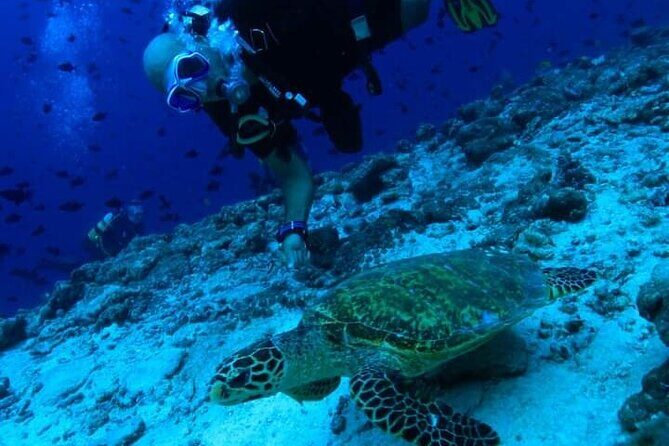
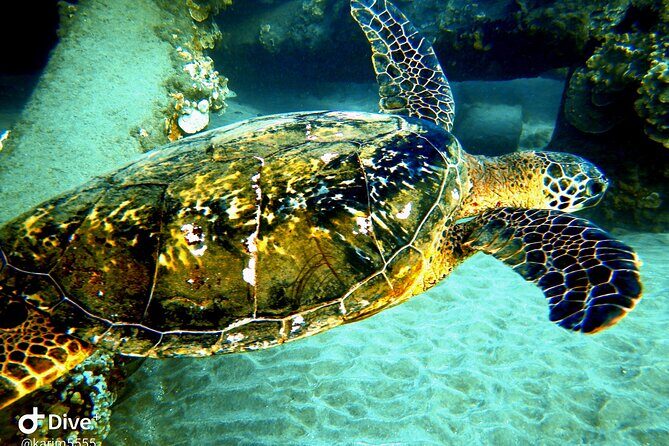
- The Ocean Session: About 40 Minutes of Fish, Coral, and Turtles
- When Visibility Is Off: How to Still Have a Great Time Underwater
- Who This Works Best For (And Who Should Think Twice)
- Private Group Value: Better Attention, Less Waiting
- Price and What to Confirm Before You Go
- Weather and Minimum Travelers: How Maui Conditions Affect Plans
- Should You Book This PADI Scuba Lesson from Kahekili Beach?
- FAQ
- Where does the experience start?
- What time does it start?
- How long is the scuba lesson and shore ocean session?
- Is this a private activity?
- What language is the session taught in?
- Is there a fitness requirement?
- Do I get confirmation after booking?
- What happens if the weather is poor?
- What happens if the minimum number of travelers isn’t met?
Key Highlights You’ll Actually Care About
- Karim’s clear, patient instruction for complete beginners (and kids)
- A half-hour briefing before you enter the water, so you know what’s happening
- Beach entry right from Kahekili Beach Park for a straightforward setup
- Real ocean time for about 40 minutes as part of the 1.5-hour experience
- Wildlife sightings are very possible, including turtles and various fish
Kahekili Beach Start Time: What Your 90 Minutes Looks Like
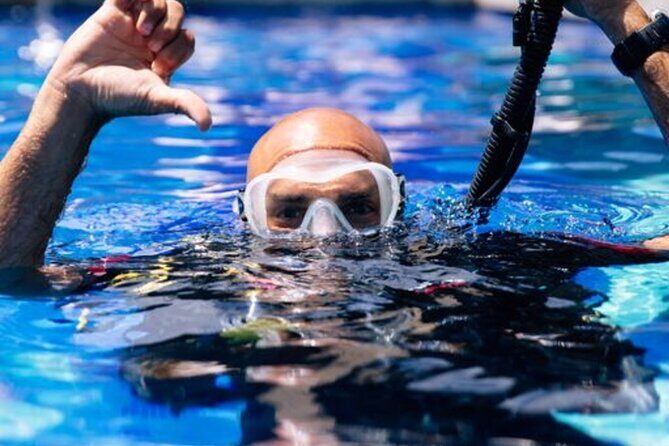
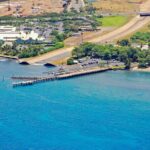
This is a tight, efficient experience—about 1 hour 30 minutes total, starting at 12:00 pm. You’ll meet at the parking area for Kahekili Beach, with the address 65 Kai Ala Dr, Lahaina, HI 96761. From there, the day runs on a simple rhythm: paperwork, a focused briefing, then you’re in the water from shore.
That schedule matters. It means you’re not spending half the day traveling between stations or waiting around in gear. It’s also a good fit for people who want a Maui activity that fits neatly into a day that might also include snorkeling, beach time, or a whale-season drive.
It’s also a private setup, so it’s just your group. That tends to make the pacing easier—especially if someone needs an extra moment to understand equipment or buoyancy basics.
You can also read our reviews of more tours and experiences in Maui

Paperwork and the 30-Minute Briefing That Makes First-Time Scuba Easier
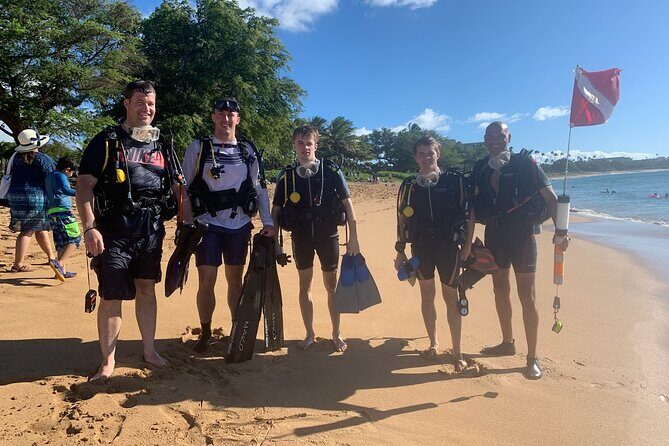
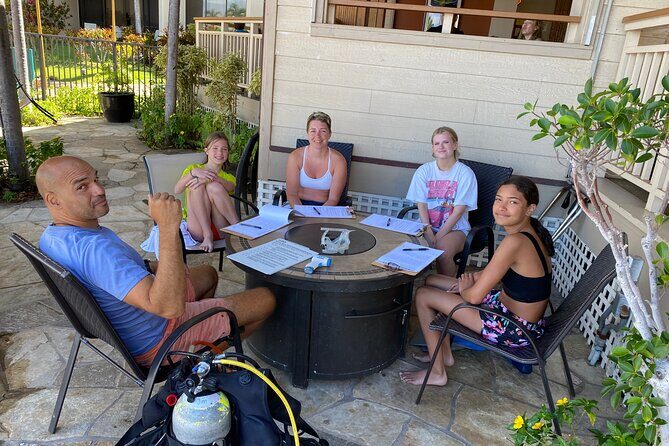
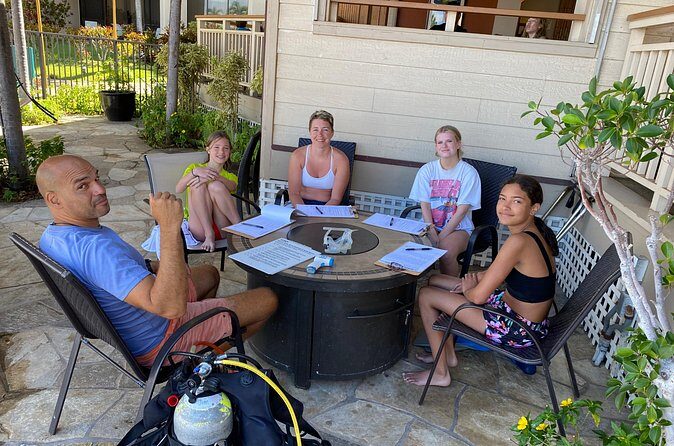
Before you touch the water, you’ll fill out paperwork and then get a briefing that lasts about half an hour. This is the part that sets expectations. You’ll learn how your equipment works, what to do once you’re in the water, and what safety steps look like in real time.
The biggest value here is clarity. When instruction is calm and organized, first-timers can relax faster. One of the most consistent themes from the experience is how Karim explains things in a way that feels manageable—clear steps, no rushing, and time to ask questions.
Also, the briefing isn’t just “listen and hope.” It’s structured to connect the classroom part with what you’ll do in the ocean. That’s why people who felt shaky at first often end up comfortable enough to do the shore ocean session afterward.
Gear, Safety Checks, and Karim’s Calm Coaching Style
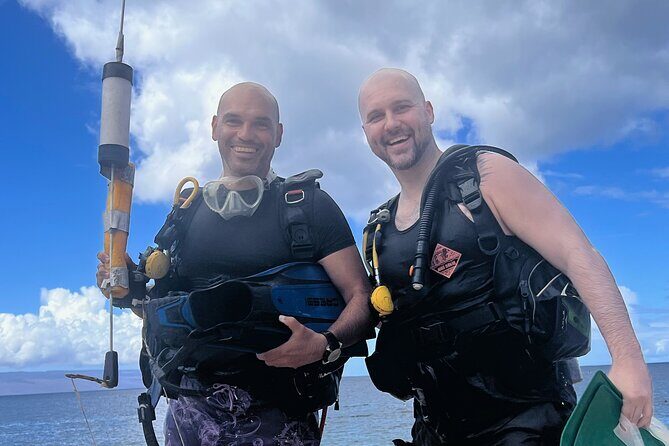
You’re not expected to have scuba experience. In fact, this experience is geared toward beginner and novice students, including kids, as long as they can follow directions and handle the physical side of getting ready and entering the water.
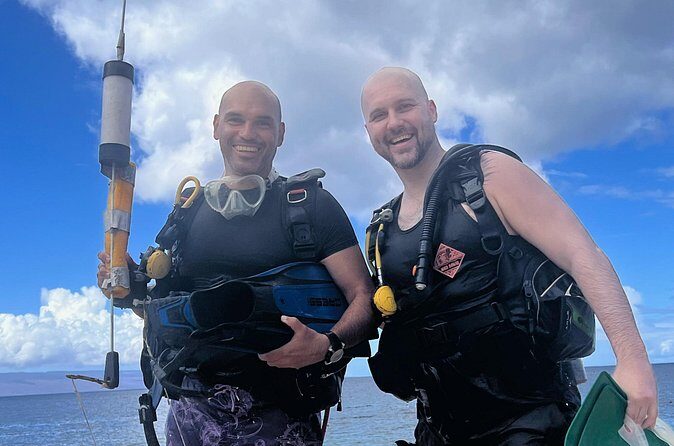
Safety is taken seriously, and you can feel that in how the instructor approaches the group. Karim makes practical calls based on divers’ maturity and comfort level, and also on current weather conditions before going forward with the ocean portion. That’s reassuring if you’re the kind of person who reads safety instructions and actually uses them.
You’ll also appreciate the human side of the coaching. People have described Karim as kind, patient, and accommodating, with instructions that stay focused instead of turning into a lecture. If someone needs a slower pace, the teaching adjusts.
One more detail that can matter: the training setup can be flexible when circumstances allow. Karim has been able to fit in an additional person for training in at least one case, which suggests he’s watching group needs, not running a rigid script no matter what.
Kahekili Beach Park and the Beach Entry Advantage
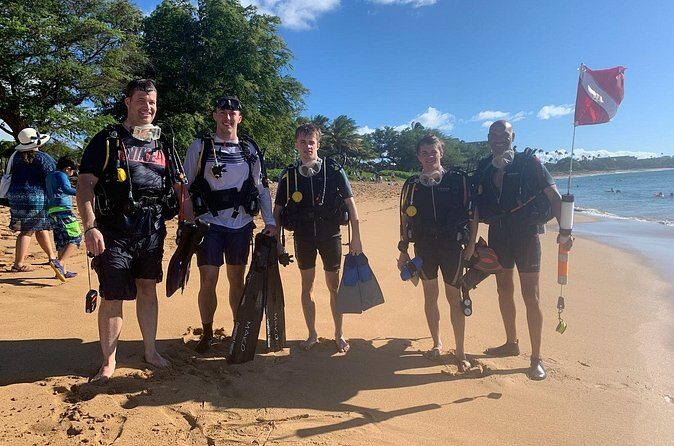
The whole plan centers on Kahekili Beach Park, and the ocean time begins right from shore. That’s a real advantage for a first scuba session.
Why? Because shore entry is simpler than boat logistics. No boat ride, no swapping tanks on a rolling deck, no wrestling gear while moving. You’re dealing with a familiar environment—sand, waterline, and a controlled setup—before you focus on breathing, buoyancy, and staying relaxed.
Kahekili is also the kind of place where the water feels like part of the beach day, not like a separate, complicated expedition. When the entry is straightforward, first-timers spend less energy on nerves and more on the experience itself.
And since you’re staying near the starting area, you can recover comfortably afterward—without turning the day into a long timeline of moving equipment and waiting for transfers.
The Ocean Session: About 40 Minutes of Fish, Coral, and Turtles
Once the briefing is done, you’ll go into the water straight from the beach for roughly 40 minutes. That time is long enough to learn what it feels like to move underwater, but not so long that you start rushing or losing confidence.
What makes it fun for beginners is that you can focus on a few big wins:
- getting used to breathing and buoyancy
- watching what’s around you instead of “performing” scuba skills
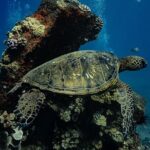
Wildlife sightings are a strong part of the payoff. People have reported seeing:
- a giant turtle
- moray eels
- needle fish
- a variety of colorful fish and beautiful coral
Even if you’re not chasing a checklist of species, seeing a turtle gliding by can change the whole mood of a trip. It turns the session from training into a memory.
One note to keep your expectations grounded: visibility can vary. One experience included poor visibility, and the student still had a good time. That’s a good reminder that you don’t need perfect conditions to enjoy the ocean portion—you just need a calm mindset and solid instruction.



When Visibility Is Off: How to Still Have a Great Time Underwater
You should go in expecting Maui water to be real life, not a showroom. Underwater conditions change with wind, swell, and time of day. If visibility is lower, you might not see everything at once, and you might rely more on the fish closest to you.
Here’s the practical part: a good instructor helps you slow down and use the moment. Karim’s teaching style has been described as relaxed and attentive, including during a day of reduced visibility where a first-timer still enjoyed the session.
If you’re someone who gets disappointed when a plan doesn’t go perfectly, try reframing your goal: aim for comfort first, then look around. In lower visibility, being relaxed actually helps you notice movement and shadows that you might otherwise miss.
Who This Works Best For (And Who Should Think Twice)
This is a great match if you’re:
- a beginner who wants structured coaching
- traveling with kids who can follow instructions and stay engaged
- someone who wants a short, focused water experience without the complexity of a big boat day
The experience is designed for moderate physical fitness, which usually means you should be able to handle the steps involved in getting geared up and entering/exiting water safely. It’s not described as an endurance challenge, but you should be comfortable moving with equipment and staying steady during training moments.
If you’re dealing with mobility limits or you know you’ll panic with any uncertainty, you’ll want to think carefully. The good news is that the coaching seems supportive—but your comfort level matters.
Private Group Value: Better Attention, Less Waiting
Going private can be a big quality boost. Since it’s only your group, you get less scrambling around for attention and more one-on-one pacing.
That often shows up in how instruction feels:
- fewer distractions
- more chance to ask questions
- a smoother progression from briefing to the water portion
Even the flexibility—like being able to adjust for additional people when possible—fits this private style. You’re not stacked into a larger class with a fixed rhythm. You’re working with the instructor and your group size.
Price and What to Confirm Before You Go
You should confirm the full cost breakdown up front, especially around the ocean portion. One key concern raised is that the experience title can feel like it includes everything, while there may be an extra payment needed for the ocean part.
I’d treat this as a simple checklist item:
- When you book, ask what’s included in the base price
- Confirm whether the ocean session has a separate fee from the lesson portion
This isn’t meant to scare you off—it’s about clarity. When you know exactly what you’re paying for, you can relax and focus on the fun parts: the briefing, the gear, and the chance to see turtles and other marine life.
Weather and Minimum Travelers: How Maui Conditions Affect Plans
This experience depends on good weather. If conditions aren’t right, it may be canceled due to poor weather. If that happens, you’ll either be offered a different date or receive a full refund.
It also has a minimum number of travelers. If the minimum isn’t met, you’ll also be offered an alternative date/experience or a full refund.
For you, the takeaway is planning strategy:
- If you’re scheduling this near another beach plan, keep your day flexible
- If your Maui trip is tight and you can’t move dates, consider booking earlier to reduce the risk of weather disruption
Should You Book This PADI Scuba Lesson from Kahekili Beach?
Book it if you want a beginner-friendly scuba experience with real coaching and an ocean session that’s easy to access. The combination of a structured half-hour briefing, beach entry from Kahekili Beach Park, and an instructor like Karim—patient, clear, and safety-focused—makes this a strong choice for first-timers.
Don’t book it on autopilot if:
- you’re very sensitive to extra fees and want total cost clarity first
- you’re hoping for guaranteed crystal-clear visibility (it can vary)
- you’re not comfortable with moderate physical demands
If you do choose to go, I’d go with a relaxed attitude and a beginner mindset. The goal isn’t to look cool underwater. The goal is to feel comfortable fast, follow instructions, and enjoy what’s around you—fish, coral, and the good odds of a turtle sighting.
FAQ
Where does the experience start?
You’ll meet at the parking lot of Kahekili Beach. The listed start address is 65 Kai Ala Dr, Lahaina, HI 96761, USA.
What time does it start?
The start time is listed as 12:00 pm, and the activity returns to the meeting point at the end.
How long is the scuba lesson and shore ocean session?
The duration is approximately 1 hour 30 minutes total, with about 40 minutes spent in the water after the briefing.
Is this a private activity?
Yes. Only your group will participate.
What language is the session taught in?
The experience is offered in English.
Is there a fitness requirement?
Travelers should have a moderate physical fitness level.
Do I get confirmation after booking?
Yes. Confirmation will be received at the time of booking.
What happens if the weather is poor?
If it’s canceled due to poor weather, you’ll be offered a different date or receive a full refund.
What happens if the minimum number of travelers isn’t met?
If canceled because the minimum isn’t met, you’ll be offered a different date or experience, or a full refund.