REVIEW · MAUI
Surf Lesson on Maui
Book on Viator →Operated by Maui Surf Lessons and Soul · Bookable on Viator
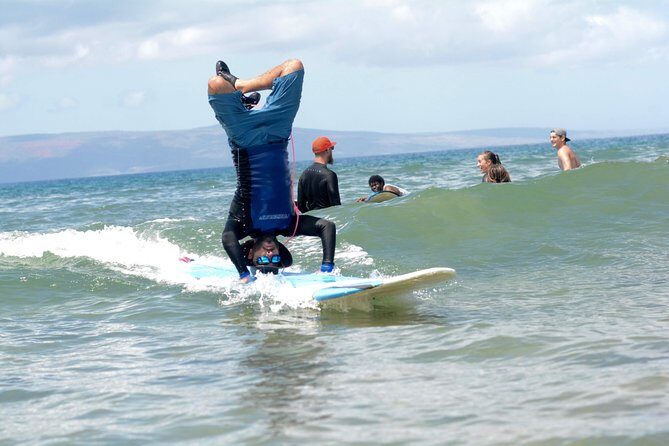
Ukulele-meets-waves energy. Maui surf lessons work best when you get real coaching fast, and this one is built around a private 1.5-hour session near Ukumehame Beach Park in Lahaina—so you’re not stuck waiting your turn.
I like that the lesson starts with a land warm-up so you get comfortable with the board and basics before you’re in the water. I also love the “you’re not guessing” approach: the instructor is with you the whole time, guiding your moves as the session gets more challenging.
One thing to consider: this is outdoors and weather-dependent, and the experience notes you should have a strong physical fitness level.
In This Review
- Key Highlights You’ll Actually Care About
- Private Lesson at Ukumehame Beach Park: Why This Location Matters
- What’s Included: Gear, Rashguard, Reef-Safe Sunscreen, and Photos
- The 1.5-Hour Flow: Land Warm-Up to First Waves
- Instructor Coaching That Stays Hands-On (Ryan’s Style)
- What the Water Time Looks Like: Practice, Corrections, and Better Timing
- Families and Tweens: A Lesson That Works for Young Learners
- Weather and Physical Fitness: When You Should Be Ready to Adapt
- Value for Money: Why Private Instruction Often Makes Sense
- Logistics That Affect Your Day (Meeting Point, Duration, Language)
- Should You Book This Maui Surf Lesson?
- FAQ
- Where does the surf lesson start?
- How long is the surf lesson?
- Is this a private tour or shared group?
- What gear is included?
- What language is the lesson taught in?
- Do I need to be physically fit?
- Are service animals allowed?
- What happens if the weather is bad?
Key Highlights You’ll Actually Care About
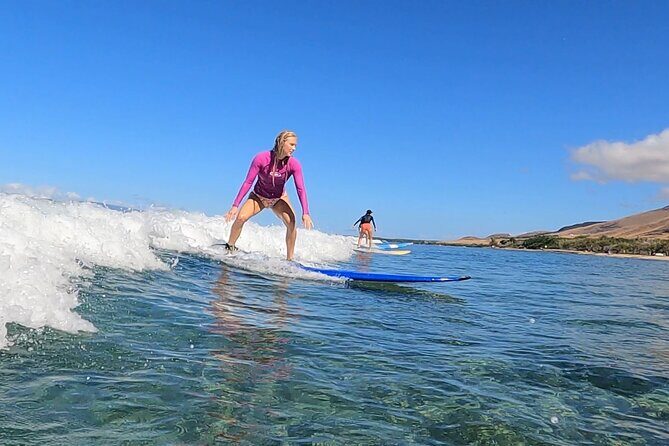
- Private instruction near Ukumehame Beach Park for a more focused, less crowded experience
- Includes core surf gear like a rash guard and board (plus booties and reef-safe sunscreen with the lesson)
- Land lesson first, so you start the water session with basics you can use immediately
- Instructor stays with you the whole time and keeps teaching as your skills improve
- Take-home digital photos so you can remember the day without hunting for your own shots
Private Lesson at Ukumehame Beach Park: Why This Location Matters
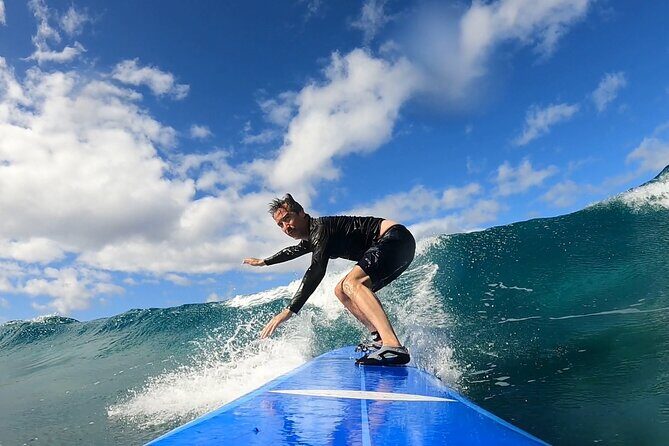
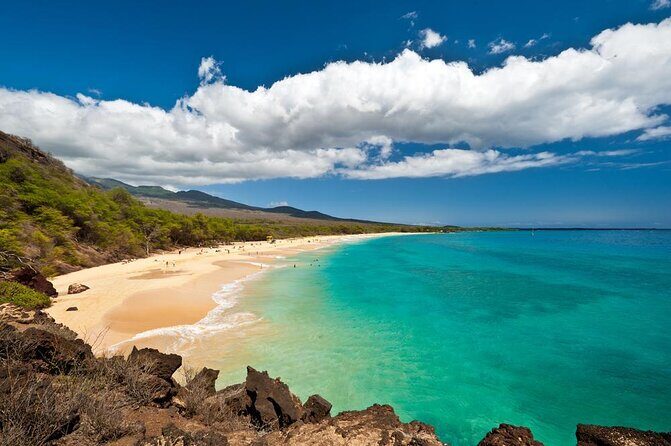
Maui’s coastline is famous for a reason—when the waves line up, it’s magic. This lesson is set near Ukumehame Beach Park in Lahaina, and the setup is designed for learning, not just watching surfers float by.
What I appreciate about choosing a specific beach like this is that it keeps the day focused. You’re meeting at a known starting point (615 HI-30, Lahaina), then your session follows a clear rhythm—land basics first, then practice in the water. For beginners, that structure matters more than people expect. You don’t waste time trying to figure out what to do next.
There’s also a practical side to going with a private lesson on a high-activity coast. When you’re learning, you want the instructor watching your stance, your timing, and your wave setup—not hoping someone notices before it’s too late.
You can also read our reviews of more tours and experiences in Maui

What’s Included: Gear, Rashguard, Reef-Safe Sunscreen, and Photos
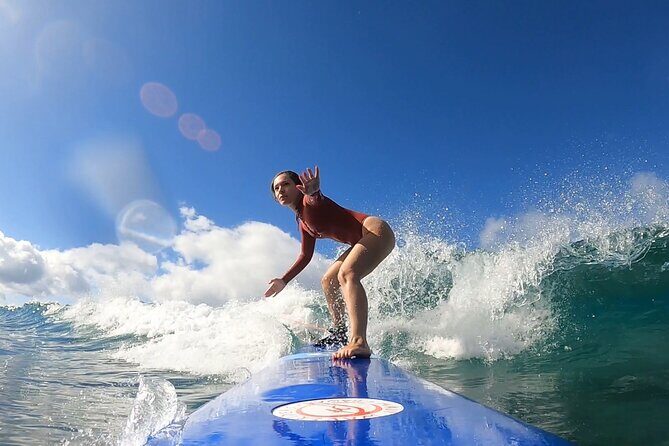
A surf lesson can fall apart fast if you have to scramble for gear. Here, you’re covered with the essentials so you can spend your mental energy on learning.
You get:
- A rash guard (included)
- A surf board
- Booties for the water (included with the lesson)
- Reef-safe sunscreen provided (included)
- Digital photos to take home as souvenirs
That sunscreen detail is more useful than it sounds. “Reef-safe” matters in Hawaii, and having it supplied removes a common hassle—especially if you forgot it or brought a product you’re not sure about.
The photos are also a big deal. Surfing is fast. Even when you’re doing well, you often don’t see yourself catch the wave the way other people do. Getting digital photos afterward gives you something to remember without relying on luck (or a stranger’s phone).
The 1.5-Hour Flow: Land Warm-Up to First Waves
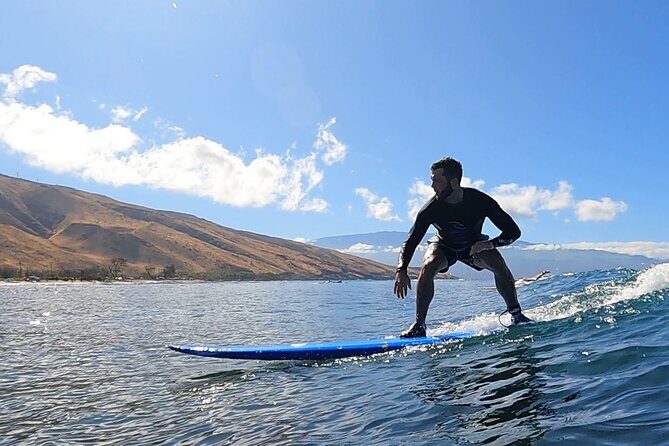
This session runs about 1 hour 30 minutes, and the pacing is built for real beginners. The day isn’t just “go in and hope.” It’s a sequence.
First comes a land lesson. You’ll get warmed up and familiar with the board on solid ground—this is where you learn the fundamentals you’ll later use in the ocean. It’s the kind of start that helps you stop fighting the board before you even reach the surf.
Then you move into the water. The guides are in the water and watching you, which means you’re not left to “figure it out” between waves. As your experience grows, the instructor keeps teaching and adjusting your technique—so the lesson doesn’t stay stuck at beginner level for the whole 90 minutes.
What this means for you: if you’re nervous, the land warm-up gives you a runway. If you’re excited, you’ll still get structured practice. And if you learn faster than expected, the instructor can push you to do more on each wave.
Instructor Coaching That Stays Hands-On (Ryan’s Style)
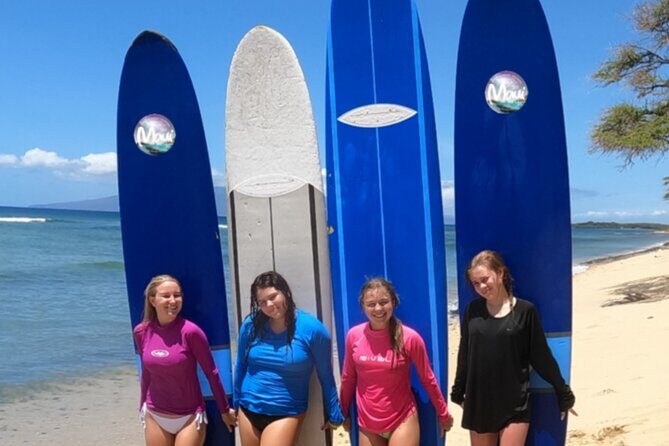
The difference between a surf lesson and a surf babysitting session is the coaching. This experience is clearly built around the instructor being with you the whole time.
In the standout feedback, Ryan is described as professional, kind, and patient—especially with beginners and kids. One family noted that all learners started as complete novices and still ended up doing runs by the end of the lesson. Another person praised the same careful approach for tweens, calling out how patient Ryan was.
I take that seriously because patience is not a “nice-to-have” in surfing. Learning happens through repetition, quick corrections, and confidence building. If the instructor is too rushed, you spend the whole session getting frustrated. If the instructor is steady, you actually progress.
Also, the instructor doesn’t just offer instructions and leave you. They keep teaching as things get harder. That matters because surfing skills are mostly timing and balance—things that improve only when someone is watching your attempt and giving feedback right away.
What the Water Time Looks Like: Practice, Corrections, and Better Timing
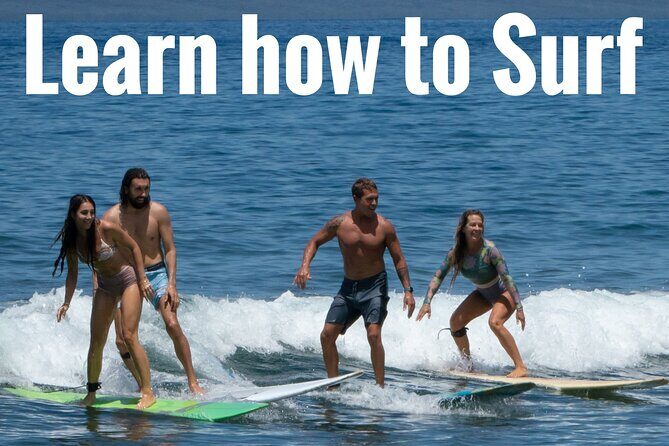
Once you’re in the water, the goal shifts. You’re no longer learning how to stand on the board in theory—you’re learning how to make your body work at the same time as the wave.
The session is guided so you’ll:
- Go out with support (the guides are in the water)
- Receive ongoing instruction as waves come in
- Build confidence as you get more comfortable riding
One detail that’s easy to overlook: the instructor adjusts the difficulty as your comfort level improves. That’s how a lesson stays fun. Instead of repeating the same easiest skill for 90 minutes, you get a natural ramp-up.
And because this is a private lesson, you’re not negotiating attention with other people. Your instructor can focus on what you need next—whether that’s paddling timing, turning your board, or catching the wave at the right moment.





Families and Tweens: A Lesson That Works for Young Learners
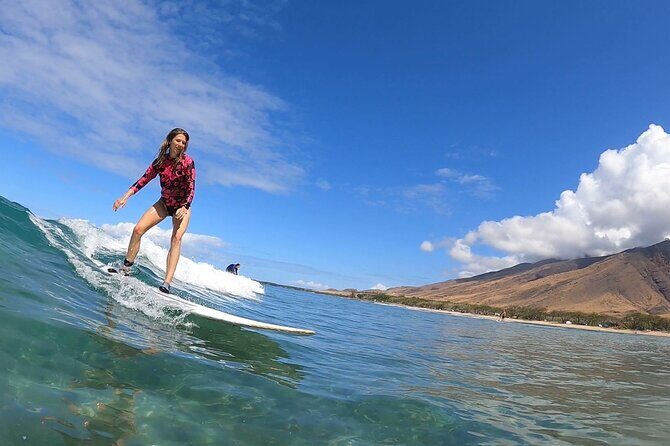
Surfing isn’t only for adults with strong core muscles and surfing friends. This kind of private instruction can be a fantastic family day—especially if you have kids who might get bored with long explanations.
The feedback here is really consistent about young learners:
- Beginners started doing more by the end of the session
- Kids and tweens described it as a highlight
- Ryan’s approach was repeatedly described as patient and kind
That combination is what you want for children. Surf lessons can be intimidating. You need instruction that feels calm and encouraging, not harsh or overly technical. You also need someone who can keep each attempt productive—so each kid feels like they’re learning something, not just getting knocked around.
If you’re traveling with a group that includes younger people, this is one of those rare activities where the “private” format is actually a quality advantage. It turns a chaotic group sport into a focused lesson where the instructor can adapt to different skill levels within the group.
Weather and Physical Fitness: When You Should Be Ready to Adapt
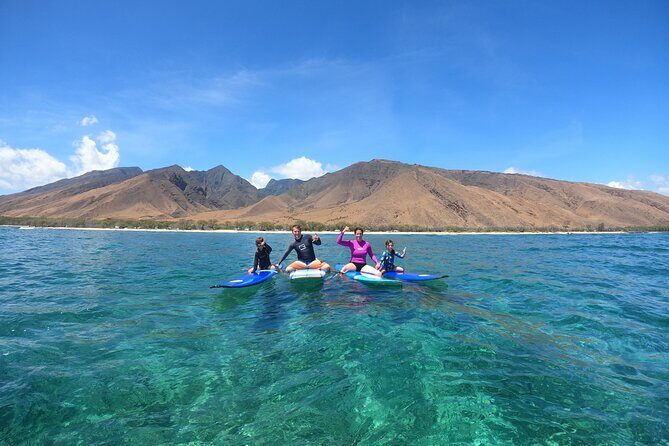
Surfing on Maui is weather-driven. This experience specifically notes that it requires good weather, and if poor weather cancels the session, you’ll be offered a different date or a full refund.
It also asks for strong physical fitness level. That doesn’t mean you need to be an athlete, but you should be prepared for physical effort: getting on and off the board, paddling, balancing, and repeating attempts while you learn.
Here’s the practical way to think about it:
- If you can handle an active outdoor lesson and don’t mind working through challenges, you’re likely a good fit.
- If you’re recovering from an injury or you know you’ll struggle with sustained physical effort, consider whether surfing is worth the strain right now.
Also, since the lesson depends on weather, keep some flexibility in your schedule. Even if you’re excited, Maui’s ocean doesn’t run on your itinerary.
Value for Money: Why Private Instruction Often Makes Sense
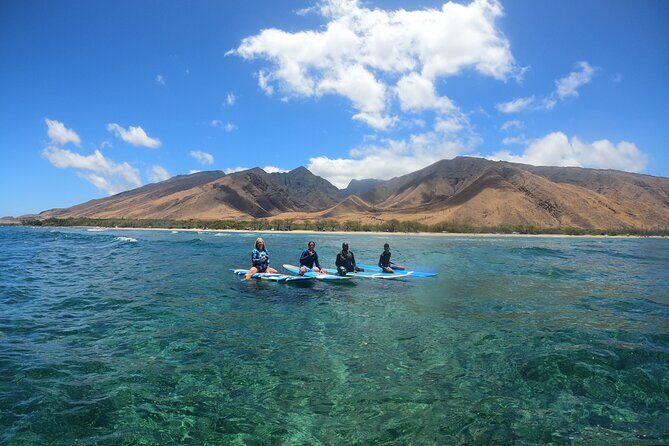
Even without seeing the price tag, you can judge value by what’s included and what kind of coaching you get.
This lesson includes key gear—rash guard, board, and booties—plus reef-safe sunscreen. That reduces the common “extra cost” problem where you still have to rent or buy essentials after booking.
You also get:
- A structured land-to-water lesson
- Instructor coaching the whole time
- A ramp-up in challenge as you improve
- Take-home digital photos
Now factor in the private format. In group classes, the instructor’s attention gets spread out. In a private session, you get more direct feedback and faster adjustments. That often means you progress sooner, especially if you’re a true beginner or you’re bringing kids who need extra reassurance.
If you’re looking at options, the biggest value question is simple: will you get individual coaching throughout the session? This one is designed so you do.
Logistics That Affect Your Day (Meeting Point, Duration, Language)
This is a straightforward setup. You meet at Ukumehame Beach Park, 615 HI-30, Lahaina, HI 96793, and the activity ends back at the meeting point.
The lesson is about 1 hour 30 minutes, and it’s offered in English. Confirmation is received at booking, and the ticket is mobile.
Service animals are allowed, which can matter for families planning activities around accessibility needs.
Should You Book This Maui Surf Lesson?
You should book if you want a surf lesson that feels safe, structured, and coached—not vague. It’s a smart pick for beginners and for families with kids or tweens, especially if you’re drawn to the kind of teaching style that stays patient and hands-on (with Ryan repeatedly praised for exactly that).
You might skip or reconsider if:
- You’re not comfortable with an active outdoor session that calls for strong physical fitness
- Your schedule is locked down with no flexibility and you can’t handle weather-related changes
If you want one Maui activity that mixes real learning with a high chance of success, this is the kind of experience I’d put high on the list—because it’s set up so you actually get waves, not just time near the ocean.
FAQ
Where does the surf lesson start?
The lesson starts at Ukumehame Beach Park, 615 HI-30, Lahaina, HI 96793, USA.
How long is the surf lesson?
The session runs about 1 hour 30 minutes.
Is this a private tour or shared group?
This is a private tour/activity. Only your group will participate.
What gear is included?
The lesson includes use of a surfboard and a rash guard. It also includes booties and reef-safe sunscreen, and you’ll receive take-home digital photos.
What language is the lesson taught in?
The experience is offered in English.
Do I need to be physically fit?
The experience notes that travelers should have a strong physical fitness level.
Are service animals allowed?
Yes, service animals are allowed.
What happens if the weather is bad?
The experience requires good weather. If it’s canceled due to poor weather, you’ll be offered a different date or a full refund.