REVIEW · MAUI
Ultimate 3.5 hour Whale Watch & Snorkel
Book on Viator →Operated by Ultimate Whale Watch & Snorkel · Bookable on Viator
Whales can show up fast here. This Maui outing mixes snorkeling off Lanai with whale watching during migration season, using a rescue-style boat designed to stay steadier so you can actually enjoy the view.
I love the way the trip is built around marine life: you get two snorkel stops plus time looking for dolphins and whales. I also like that the crew brings practical know-how on the water, with snorkel gear, flotation help, and real guidance so you’re not just tossed in and told good luck.
My main caution is that this is an outdoor boat trip and it depends on conditions. Even with a more stable vessel, wind and chop can make the ride tougher than a calm day.
In This Review
- Quick hits before you go
- Maui whale watch and snorkel: why this combo works
- Setting out from Lahaina Harbor at 9:00 am
- The Lanai snorkeling stops: reefs, coves, and real marine life
- Whale watching in season: what you might see and why it feels close
- The boat and crew setup: stability, small group vibes, and names you may hear
- Gear, snacks, and BYOB: the practical comfort side
- Safety and marine respect: how it shows up in real moments
- Weather, seasickness, and what to pack for a 3–4 hour outing
- Price and value: is $195 worth it?
- Who this tour is best for (and who should consider alternatives)
- Should you book Ultimate 3.5 hour Whale Watch & Snorkel?
- FAQ
- How long is the Maui whale watch and snorkel tour?
- Where do we meet, and what time does it start?
- What does the tour include for whale watching?
- Is snorkel gear and instruction provided?
- Are drinks and snacks provided, and is BYOB allowed?
- How many people are on the tour?
- Are children allowed, and can pregnant travelers join?
- What happens if weather is poor?
- What is the cancellation deadline for a full refund?
Quick hits before you go
- Lanai-focused route: the captain prioritizes the reefs around the island of Lanai for consistent marine sightings.
- Small-group size: capped at 16 travelers, with some departures running even smaller for a tighter experience.
- Two snorkel stops: one stop is paired with whale watching during whale season.
- Helps you hear and see whales: in-season whale song can be played through a hydrophone for clearer listening.
- Marine-minded: every ticket supports active marine research and whale rescue efforts.
- Proper gear and instruction: snorkel equipment and flotation devices are provided, plus hands-on tips.
Maui whale watch and snorkel: why this combo works
If you’ve ever done one boat tour that’s mostly sightseeing and another that’s mostly snorkeling, you already know the tradeoff. This tour tries to give you the best of both worlds in one go, with whale watching built into the same outing that takes you into the water.
On Maui, the key is not just seeing whales. It’s getting the right vantage point and timing, then having time to snorkel where the water offers real payoff. The experience is designed for that: a small boat, a focus on Lanai reefs, and enough time on the water to adjust when animals show up.
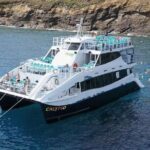
The boat design matters too. The tour uses a rescue-style USCG-approved vessel that sits lower in the water than many sightseeing boats. That can mean fewer people craning and more people getting a direct view when whales surface nearby.
You can also read our reviews of more whale watching tours in Maui
Setting out from Lahaina Harbor at 9:00 am
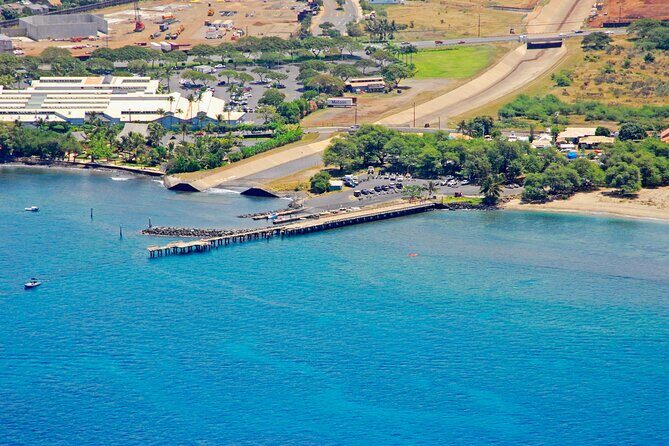
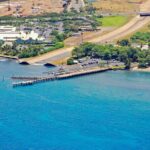
You meet at 1229 Front St, Lahaina, HI 96761, with the activity starting at 9:00 am and ending back at the same meeting point. The timing is handy if you like early plans that still leave room for lunch and the rest of your day in West Maui.
Arriving a little early pays off. You’ll want time to check in, get fitted with snorkel gear, and ask any last questions before heading out. If you’re traveling with a GoPro, this is the moment to make sure you’ve got it ready and secured.
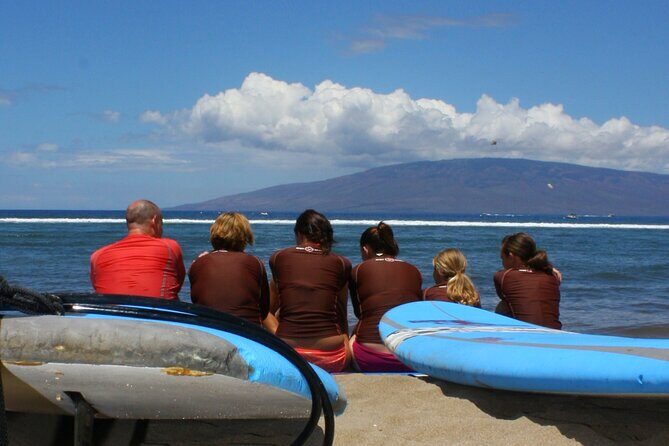
One practical note: you’ll be on a boat in open water, so dress for cool spray and sun at the same time. Even on a bright morning, you can get misted by wind, and you’ll be happier if you’re not juggling wet clothes.
The Lanai snorkeling stops: reefs, coves, and real marine life
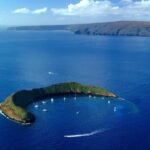
The heart of the snorkeling portion is targeting reefs off Lanai. The captain picks the best spots available that day, with an emphasis on the Lanai side because dolphin sightings tend to be more consistent from west Maui.
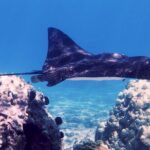
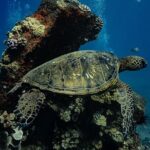
What you’re aiming for underwater is a mix of reef life and “wow” moments. Expect chances at tropical fish and sea life like turtles and octopus, and there’s often a possibility of manta rays depending on conditions. The tour also describes secret coves and sea cliffs around the area, which matters because those features can affect where marine animals gather.
Two snorkel stops is a sweet spot for most people. It gives you time to get comfortable in the water during the first stop, then return for a second chance if conditions or wildlife are better after you’ve learned the rhythm. It also makes the overall schedule feel active without turning into an all-day production.
If you’re a first-time snorkeler, this is one of those trips where you can feel less anxious. Snorkel instruction and flotation devices are provided, so you’re not stuck figuring it out while waves push you around.
Whale watching in season: what you might see and why it feels close
During migration season, the experience includes dedicated whale watching time as part of the loop. That matters because whale sightings are not guaranteed in any ocean tour, but the way this trip is structured gives you multiple windows to catch activity.
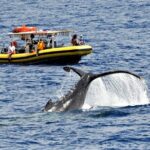
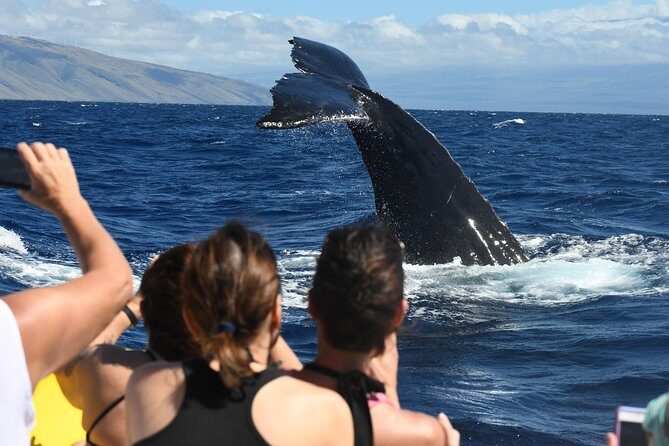
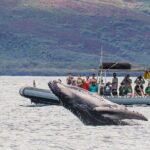
The boat’s low profile helps. When whales surface, you’re not stuck staring over tall railings or straining to find the horizon. People describe feeling like they have a direct view, which is exactly what you want when a whale’s tail or pectoral fin shows up nearby.
You may also hear whale sounds in a way that’s easier to catch than raw ocean noise. On some departures, the captain can use a hydrophone to magnify whale song so you can focus on what the whales are doing rather than just listening to wind and water.
What sightings can look like in real life varies day to day, but the typical highlights reported include:
- spinner dolphins close to the boat on the way out
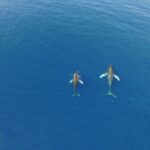
- humpback whales with moms and babies
- males trailing behind females
- dramatic surface behavior like breaches
One more thing I appreciate is the emphasis on respect and rules of distance. The crew follows a 100-yard rule, and they actively position the boat so you get good viewing while keeping the interaction safe for the whales. That balance is what turns a fun photo moment into a responsible encounter.
The boat and crew setup: stability, small group vibes, and names you may hear
This is a max 16 travelers operation, which changes how the trip feels from the start. You move through check-in faster, get help quicker, and there’s more flexibility for the captain when wildlife pops up.
Some departures are also described as very small, like a VIP setup with only about seven people on a boat. Even if you’re not in that exact group size, you can still expect a calmer onboard environment than big cattle-call tours.
On the crew side, the tour is run by an experienced captain and guides who explain what you’re seeing in plain terms. Names that have been shared by past participants include captains such as Jill and Casey, and guides like Amy, Lilly, Emma, Pat, and Sarah. You might not get the same crew, but the important part is the mix of leadership and marine talk that makes the time feel guided rather than chaotic.
Also, if you’re sensitive to motion, the rescue-style boat design can help. It’s specifically described as providing increased stability and reduced rocking motion, which is a big deal on whale days when everyone’s watching the same horizon.

Gear, snacks, and BYOB: the practical comfort side
Here’s what you don’t have to stress about: snorkel gear, flotation devices, and snorkel instruction are provided. That’s a value point in itself because it reduces packing and makes it easier to show up ready.
You’ll also get non-alcoholic beverages and snacks. That keeps the “I’m hungry and seasick” spiral from starting halfway through the morning.
The tour also notes BYOB is okay. So if you want something like a drink after snorkeling (or to share later on the water), this is one of those tours where you can plan for it without feeling like you need to bring a cooler for everything. That said, keep it light and respectful of the sea and safety rules.
One smart tip: bring your GoPro if you have one. There’s enough action potential for both surface and underwater shots, and the snorkeling setup makes it realistic to capture more than just foggy ocean footage.
Safety and marine respect: how it shows up in real moments
What I look for in whale watching is how the crew behaves when things happen fast. This tour is designed around real marine rules and active adjustments—because whales don’t schedule themselves.
Past experiences include moments where the crew responded to marine rescue activity. There was at least one account of getting involved with a rescue mission when a female was entangled in netting. That sort of scene can be emotional, but it also shows the tour isn’t only about watching. It’s about stewardship, and the tour states that each ticket supports whale rescue and marine research.
Even when you’re focused on fun, safety comes through in the way the boat is described and operated. The vessel is USCG approved, and the crew is trained enough to handle rough conditions. One group noted that they faced tough water and wind, and the captain and owner still got everyone out safely while making the best of it.
If you want to reduce stress, show up with the right attitude:
- expect a real ocean morning, not a theme-park ride
- follow the crew’s instructions promptly
- keep your eyes on the captain when weather shifts
That’s how you turn a “maybe the whales show up” day into a “we got the full experience” day.
Weather, seasickness, and what to pack for a 3–4 hour outing
This tour requires good weather, and the operator notes it can be canceled if conditions aren’t right. That’s not a reason to skip. It’s a reason to plan around flexibility and pack smart.
For a whale watch and snorkel combo, you want clothing that handles splash and sun. Bring:
- a light layer for wind (especially on the ride out and back)
- reef-safe sunscreen (and reapply if you’re in the water)
- a way to keep your phone secure and dry
- water shoes or something grippy if you tend to slip
If you’re prone to motion sickness, this matters. The boat is described as having reduced rocking motion, but you can still feel chop. I recommend bringing any motion-sickness remedy you normally trust, and staying hydrated early since dehydration worsens how people feel on water.
Price and value: is $195 worth it?
At $195 per person, this isn’t the cheapest way to see whales and snorkel off Maui. The value comes from what’s folded into the ticket and what the tour tries to deliver in limited time.
You’re paying for:
- two snorkeling stops with gear and instruction
- whale watching during migration season
- a small-group experience capped at 16
- non-alcoholic beverages and snacks
- and ticket support for marine research and rescue work
For many people, the real question is whether they’d otherwise pay for separate snorkeling and whale watching tours. If you want both, combining them into one morning is often a better deal than booking two separate operations.
The other value angle is effort. A smaller boat can help you get to where whales are active faster, and the low profile improves viewing. That “seeing clearly” piece is hard to quantify, but it’s often the difference between a tour that’s just okay and a tour you talk about long after.
If you’re the type who wants comfort, control, and a guided feel, this pricing can make sense. If you’re mainly chasing a bargain, you may find other options. But if you want a higher chance of an experience that feels personal and complete, this one has a strong argument.
Who this tour is best for (and who should consider alternatives)
This trip suits you if you want:
- a small-group day on Maui
- both snorkeling and whale watching without splitting your time
- a captain-led experience that explains what you’re seeing
- a water-focused plan rather than a long drive and lots of waiting
It’s also a good fit for first-time whale watchers because the boat setup keeps whales visible and the crew talks through behavior. People who snorkel for fun (not just for a quick peek) may love getting two chances underwater.
It may not fit you if:
- you’re dealing with pregnancy (not permitted)
- you have kids under 4 (not allowed)
- you know you’ll struggle with moving boats in wind and chop
If those don’t apply, and you can handle a “nature day” with changing conditions, this is an excellent choice.
Should you book Ultimate 3.5 hour Whale Watch & Snorkel?
Yes, you should book if you’re aiming for a tight, high-value Maui morning: snorkeling off Lanai plus whale watching during migration season, with a smaller boat and real crew attention. The low-to-the-water viewing setup, the two snorkel stops, and the chance to hear whale song through a hydrophone make it more than a casual sightseeing cruise.
I’d think twice only if you’re highly weather-averse or you know your body reacts badly to choppy open-water rides. Otherwise, this is the kind of tour that turns your “maybe we’ll see something” day into a “we saw whales, then we saw reef life” day.
FAQ
How long is the Maui whale watch and snorkel tour?
It runs about 3 to 4 hours.
Where do we meet, and what time does it start?
You meet at 1229 Front St, Lahaina, HI 96761, and the tour starts at 9:00 am. It ends back at the same meeting point.
What does the tour include for whale watching?
During whale migration season, the tour includes whale watching as part of the experience, with at least one stop timed for both snorkeling and whale watching.
Is snorkel gear and instruction provided?
Yes. Snorkel gear, flotation devices, and snorkel instruction are included.
Are drinks and snacks provided, and is BYOB allowed?
Non-alcoholic beverages and snacks are provided, and the tour notes that BYOB is okay.
How many people are on the tour?
The tour has a maximum of 16 travelers.
Are children allowed, and can pregnant travelers join?
No children under 4 years old are allowed. Pregnant travelers cannot join.
What happens if weather is poor?
This experience requires good weather. If it’s canceled due to poor weather, you’ll be offered a different date or a full refund.
What is the cancellation deadline for a full refund?
You can cancel for a full refund if you cancel at least 24 hours before the experience’s start time. If you cancel less than 24 hours before, the amount paid is not refunded.