REVIEW · MAUI
Certified Divers! Scuba dive the Ka’anapali Coast and more!
Book on Viator →Operated by Aloha Maui Diving · Bookable on Viator
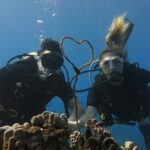
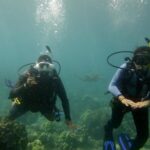
West Maui’s reef starts right from shore. This Ka’anapali Coast scuba outing takes you to shore-based reef areas near Kahekili Beach Park.
I love the way the team runs the session: clear talk before you hit the water, plus safety-first leadership from guides like Sarah Sisco and owner Deborah. I also love the realistic wildlife list you’ll be scanning for, especially green turtles and spotted eagle rays.
One big consideration: it’s shore-based and physically demanding, and you also have an elevation rule afterward. You need the strength for the entry and exit, and you’ll want to plan the rest of your Maui day below 1,000 feet for 18 hours.
In This Review
- Quick Hits: What You’ll Notice Fast
- West Maui Reef From Shore: What Makes This Ka’anapali Coast Trip Different
- Kahekili Beach Park to the Waterline: Timing and Small-Group Feel
- The Reef Encounter Checklist: What You’re Here to See
- Sarah Sisco, Deborah, and the Kind of Control You Want on a Shore Session
- Shore-Scuba Reality Check: Fitness, Weight, and English Requirements
- Gear, Money, and What’s Actually Included in the $169 Price
- Night Options Near Black Rock: What Changes After Dark
- After the Water: The 1,000-Foot Rule for the Next 18 Hours
- Who This Is Best For (and Who Should Skip It)
- Should You Book This Ka’anapali Shore Scuba Experience?
- FAQ
- How long is the experience?
- Where do we meet for the outing?
- What does the $169 price include?
- Is private transportation included?
- Do I need to bring proof of certification?
- Do I need to be fluent in English?
- What physical requirements are needed for this shore-based experience?
- What are the rules for elevation after the session?
Quick Hits: What You’ll Notice Fast
- Shore entry, reef walking, and lots of close-up critters—not a long boat ride format.
- Small group size (max 6 people), which makes the briefing and pacing feel controlled.
- Guides with real experience and calm confidence, named in reviews including Sarah Sisco, Deborah, and Brian.
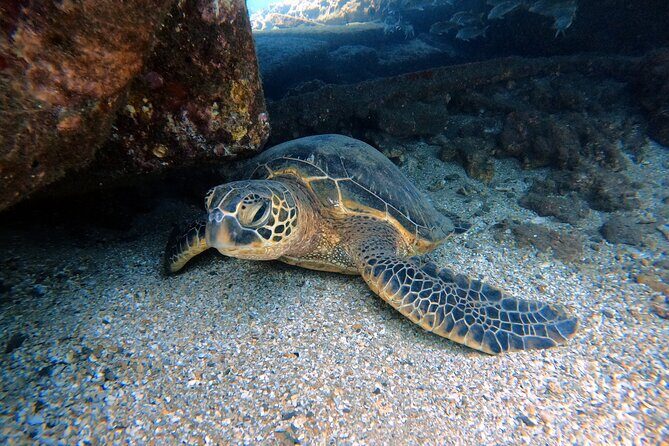
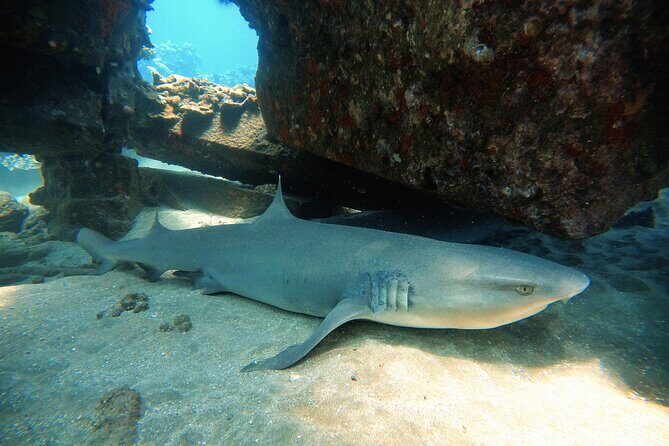
- Big wildlife odds on Maui’s West side: green turtles, octopus, white tip reef sharks, moray eels, frogfish, nudibranchs, and more.
- Even gear issues are handled smoothly, including having quality spare regulator gear on hand.
- You’ll plan around the 1,000-foot-after-rule for the next 18 hours—simple, but it affects your itinerary.
West Maui Reef From Shore: What Makes This Ka’anapali Coast Trip Different
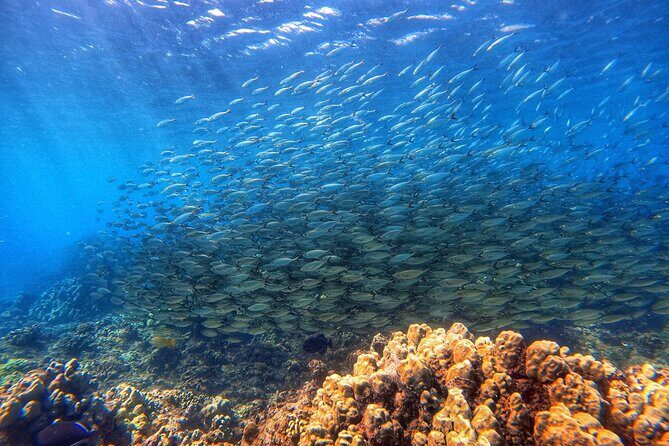
This is a shore-based scuba experience along Maui’s West side, aimed at certified scuba participants who want direct access to coral reef habitat. Instead of spending your time coordinating a boat schedule, you meet at Kahekili Beach Park and get suited up for water entry right from the shore.
The other difference is how much the operator frames the day around reef care. You’re not just looking at sea life—you’re supporting local efforts tied to Maui’s community and the health of the reef. That can matter, especially in Maui where conditions and tourism pressure can change quickly.
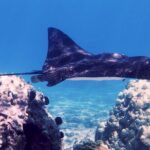
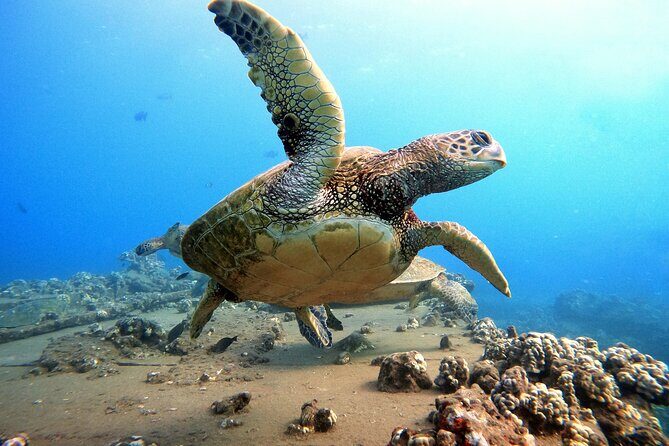
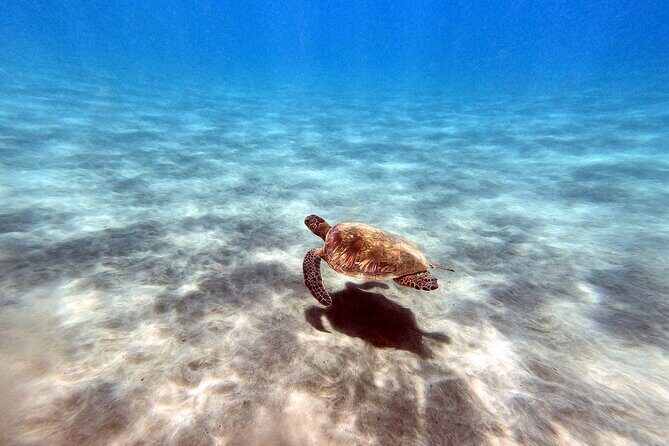
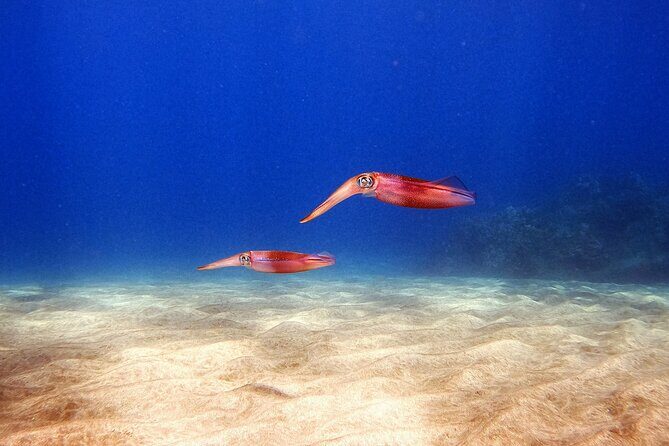
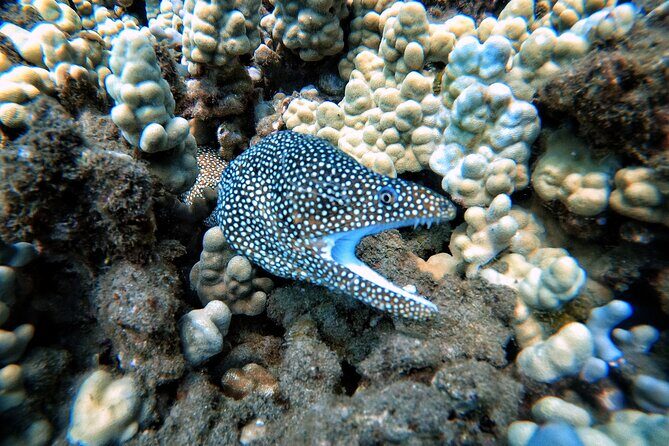
Expect a guided session focused on reef corners and marine life watching. The wildlife list is specific, which helps you set expectations: green turtles, octopus, white tip reef sharks, moray eels, spotted eagle rays, frogfish, nudibranchs, and colorful reef fish. If whale song is in season, you may hear that too—one of those “only on Maui” moments.
You can also read our reviews of more scuba diving tours in Maui


Kahekili Beach Park to the Waterline: Timing and Small-Group Feel
You start at Kahekili Beach Park, 65 Kai Ala Dr, Lahaina, HI 96761, and the experience ends back at the same meeting point. It’s about 2 hours (approx.), and it’s capped at 6 people.
That small number is a real quality-of-life perk. You’re more likely to get a briefing that fits your exact comfort level, and it’s easier for the team to watch buoyancy, spacing, and comfort—especially on a shore-based outing where the first few minutes matter.
There’s also a practical timing note: since it’s a shore entry, you’ll want to arrive ready to move. No one wants to be scrambling around with gear while everyone else waits. If you’re someone who likes a calm start, build in a little extra buffer before check-in.
The Reef Encounter Checklist: What You’re Here to See
Here’s the value of this trip’s wildlife focus: the expectations are concrete. You’re not signing up for generic “see fish” promises—you’re scanning for names.
During your reef swim, you can look out for:
- Green turtles cruising reef edges
- Octopus tucked into reef structure
- White tip reef sharks (sightings are listed, and you’ll want calm awareness rather than panic-staring)
- Moray eels in holes and shadows
- Spotted eagle rays gliding over sandy or mixed reef zones
- Frogfish as the classic camo hunt
- Nudibranchs for the “what is that tiny thing?” moments
- Lots of colorful reef fish, plus the occasional “whale song when in season”
For many people, frogfish and nudibranchs are the payoff items because they’re small and behavior-based. You won’t just chase big animals—you’ll slow down and look. That’s where good guidance helps.
If you enjoy photographing sea life, these types of sightings are usually the best subjects. You’ll get more benefit by watching for behavior than by staring at the same spot waiting for a miracle.
Sarah Sisco, Deborah, and the Kind of Control You Want on a Shore Session
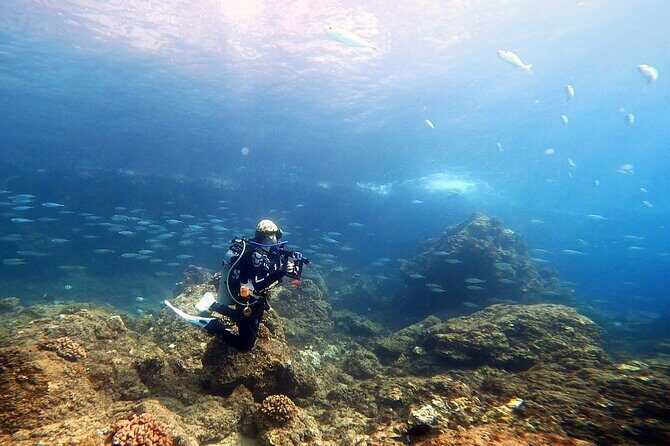
One thing that comes through in the operator’s feedback is how seriously they take organization. Reviews highlight thorough pre-session briefings, clear instructions, and a safety-conscious setup.
You’ll hear names like:
- Sarah Sisco as a capable, energetic guide
- Deborah as an owner/manager described as supportive and organized
- Brian mentioned as doing well as a guide on additional sessions
There’s also a telling detail: one person shared that when they forgot their regulators, Sarah had a spare high-quality regulator set ready. That kind of preparedness reduces stress. It’s not about drama—it’s about the team having the basics covered so you can focus on the reef and your comfort.
On a shore-based outing, your initial comfort matters more than on a calm, fully handled boat drop. The team’s style—patient, professional, and tuned to different comfort levels—helps you settle in faster.
And if you like a positive attitude underwater, it sounds like Sarah’s personality is the kind that keeps nerves down without acting like it’s a big production.
Shore-Scuba Reality Check: Fitness, Weight, and English Requirements
This is the section to read twice, because the rules are clear and they affect who should book.
First: it’s shore-based, which means you must manage the entry and exit yourself. The info states:
- You must be able to carry at least 50 lbs
- You must be in good physical health
- You must be able to enter and exit the water with a minimum of 40 lbs
So if you’re recovering from an injury, dealing with breathing limitations, or you’re not confident moving with gear, you should reconsider. Shore entry is often simple for fit people and frustrating for people who are strong but not used to dragging gear and maintaining balance.
Second: language. The operator states participants must be fluent in English, since dive professionals aren’t guaranteed to speak other languages. This matters more than you might think. If you freeze during instructions, you’ll feel it fast.
Third: certification proof is required. Bring proof of certification. If you haven’t completed a scuba session in the last two years, a refresher is strongly recommended. If your last certification was a long time ago, that refresher can be the difference between a fun day and a stressful one.

Gear, Money, and What’s Actually Included in the $169 Price
The listed price is $169.00 per person for about 2 hours. The good news: the experience includes scuba equipment and government fees.
That’s meaningful value because Maui trips can nickel-and-dime you with rental gear or extra fee categories. Here, at least those pieces are baked in.
Two things are not included:
- Private transportation
So if you’re staying in West Maui (Lahaina/Kaanapali area), plan for either a short ride-share, a rental car, or getting yourself there on time with minimal hassle. Since the meeting point is Kahekili Beach Park, it’s easiest if you can control your own arrival schedule.
Also, you’ll want to bring any required certification paperwork and make sure your gear basics are in place. Even though equipment is provided, your certification documentation is on you.
Night Options Near Black Rock: What Changes After Dark
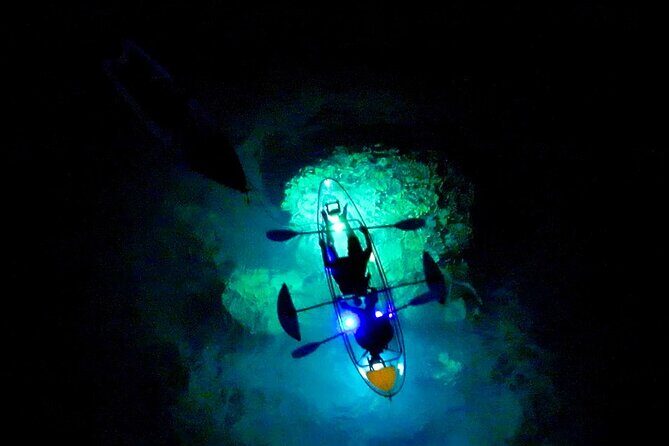
Some sessions from this operator include after-dark formats. For example, one review describes a 2-tank night shore scuba session around Black Rock at Ka’anapali Beach, with a dusk run and a second run after it was fully dark.
If you’re considering a night outing, two things matter:
- Your comfort level with unfamiliar lighting and less visibility
- Your willingness to slow down and follow the guide’s cues
Night can be fantastic for spotting small reef life and noticing behaviors you’d miss in daylight. But it’s not automatically easier. You’re relying more on the briefing, hand signals, and steady buoyancy.
If you get nervous at night or you’ve never done an after-dark scuba session, you’re better off starting with a daytime outing first—especially with shore entries involved.
After the Water: The 1,000-Foot Rule for the Next 18 Hours
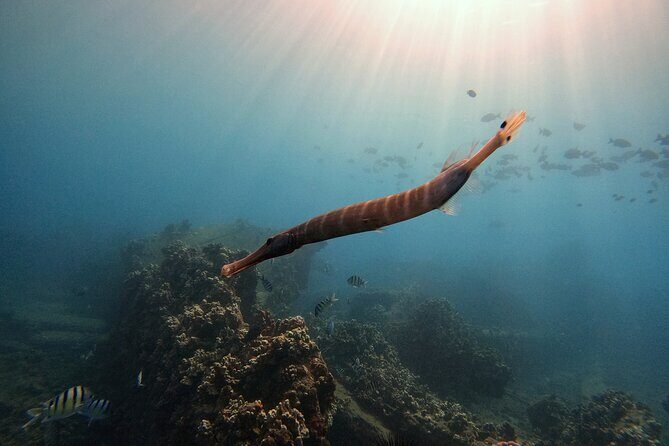
This is one of the most important practical rules in the listing. After your underwater session, participants must stay below 1,000 ft elevation for 18 hours.
Examples of things explicitly mentioned as above that limit:
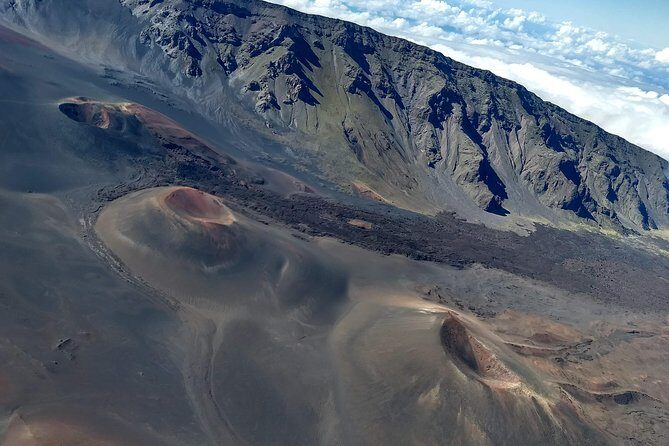
- Mt. Haleakala
- Certain hikes
- Upcountry towns like Kula and Makawao
- And certain activities like helicopter tours, paragliding, hiking, and ziplining
This means you should plan your itinerary with sea-level time in mind. A smart approach is to treat this as a “stay near West Maui” window on the same day. If you’re the type who likes to drive up for sunset views, either do it earlier or do it on a different day.
It’s not meant to be annoying. It’s there so your body has a predictable post-session environment.
Who This Is Best For (and Who Should Skip It)
This outing fits best if you:
- Are already certified and can show proof
- Feel comfortable carrying gear and doing shore entry/exit
- Speak English well enough to handle instructions in real time
- Want a reef-focused session with a strong chance of classic Maui species like turtles and eagle rays
- Prefer smaller groups with steady guidance
It may not fit if:
- You can’t meet the carry and entry/exit requirements
- You haven’t done scuba recently and don’t want to take the refresher recommendation seriously
- You’re planning a busy itinerary that climbs above 1,000 feet soon after your session
Should You Book This Ka’anapali Shore Scuba Experience?
If you want a structured, safety-conscious shore-based scuba experience with a small-group feel, this is a strong choice. The wildlife targets are specific, the briefing style gets praise, and the team names you’ll hear—Sarah Sisco and Deborah—show up in a way that suggests real hands-on professionalism.
Book it if your fitness and height-after-rule planning are solid. If you’re unsure about the physical entry/exit demands, or you’re planning upcountry excursions the same day, pause and plan a day that gives you room to follow the 1,000-foot rule.
FAQ
How long is the experience?
It’s listed as about 2 hours (approx.).
Where do we meet for the outing?
You meet at Kahekili Beach Park, 65 Kai Ala Dr, Lahaina, HI 96761, and the activity ends back at the same meeting point.
What does the $169 price include?
The price includes use of scuba equipment and government fees.
Is private transportation included?
No. Private transportation is not included.
Do I need to bring proof of certification?
Yes. You must bring proof of certification. If you have not completed a scuba session in the last two years, a refresher is strongly recommended.
Do I need to be fluent in English?
Yes. Participants must be fluent in English, since scuba professionals are not guaranteed to speak other languages.
What physical requirements are needed for this shore-based experience?
You must be able to carry at least 50 lbs, be in good physical health, and be able to enter and exit the water with a minimum of 40 lbs.
What are the rules for elevation after the session?
You must stay below 1,000 ft elevation for 18 hours after your underwater session. The listing includes examples like Mt. Haleakala and upcountry towns such as Kula and Makawao as activities that are above 1,000 ft.