REVIEW · MAUI
Maui & Molokai Spectacular with Exclusive Landing Helicopter Tour
Book on Viator →Operated by Blue Hawaiian Helicopters - Maui · Bookable on Viator
Maui from above is a different planet. This Kahului helicopter experience is interesting because it’s not just a sightseeing hop; it includes a real landing break on the route and uses aviation-grade gear so you can actually hear the story as you fly. Two things I like a lot are the small group size and the comfort setup (first-class seating with clear viewing).
One thing to consider: this is weather-dependent, and your exact sights can shift if clouds move in. Also, check-in is strict, and late arrivals aren’t accepted—so plan for traffic to Kahului. I’ve seen pilot names come up in reviews too; one example is pilot Tim, noted for being friendly and funny.
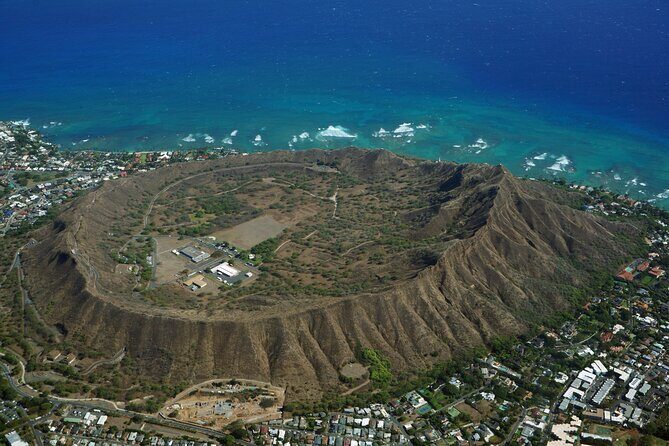
From the air, you’ll connect West Maui and Iao Valley scenery with a cross-channel peek at Molokai—especially the sea-cliff views that are hard to get any other way.
In This Review
- Key points at a glance
- The big reason this Maui & Molokai flight feels special: it lands
- Price and value: what $614.90 is really buying
- Kahului meeting point and check-in: where timing matters
- The flight route that strings West Maui to Iao Valley (and why the order matters)
- Ancient population center and the gateway feel
- Iao Valley from above: towering peaks and a cut-through valley floor
- Mauna Kahālāwai: watching the mountains top out
- Crossing to Molokai: why this channel hop is the whole point
- Ka’anapali and Kapalua coastline: resorts, beaches, and the “Maui you picture”
- Ka’anapali coastline
- Kapalua: beaches plus golf-course precision
- The exclusive landing break: South Maui views and a final reset
- The gear and guide style that make the difference: Bose audio and two-way mic
- What you’re allowed to wear and bring (so your photos don’t get ruined)
- Wildlife and cloud shifts: what to expect from the view
- Who should book this Maui and Molokai landing helicopter tour
- Should you book it?
- FAQ
- How long is the Maui & Molokai helicopter tour?
- What is the meeting point for the tour?
- What time should I check in?
- Is the tour in English?
- What does the ticket price include?
- Does the tour include transportation to and from the heliport?
- Is there a weight limit for passengers?
- Are children allowed?
- What items are not allowed in the helicopter?
- What happens if weather cancels the tour?
Key points at a glance

- Exclusive landing break: You’ll set down for a pause and drinks during the flight.
- Bose aviation noise-cancelling headsets: Clear audio over rotor noise.
- Two-way mic with a pilot-guide: You’re not just watching; you’re listening while flying.
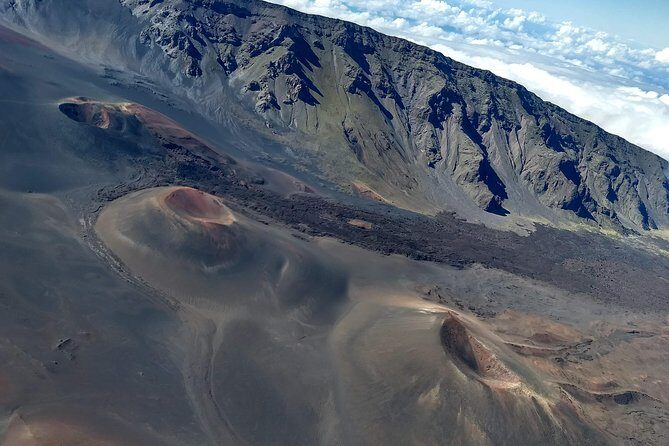
- Route design across microclimates: You’ll see how changing weather and elevation reshape the island.
- Molokai from the air: Sea cliffs and viewpoints you mostly can’t access on the ground.
- Small max group size: Up to 6 passengers, which keeps the experience feeling personal.
The big reason this Maui & Molokai flight feels special: it lands
Most Maui helicopter tours are all about the view, with little time to stretch your legs. Here, you actually land for a break and drinks, which changes the rhythm of the trip. You get a moment on the ground before continuing the loop back.
That landing also makes the whole experience feel more like a guided outing than a quick transfer in the sky. I like that the tour keeps the focus on angles you can’t replicate from a car—then gives you a pause to reset so you can keep enjoying the next set of sights.
You can also read our reviews of more tours and experiences in Maui


Price and value: what $614.90 is really buying
At $614.90 per person for about 1.5 hours, this isn’t a budget activity. But the ticket is structured to include the expensive stuff: the helicopter flight time, all fees and taxes, and aviation-grade equipment.
The value factor for me is that you’re paying for a guided, hearing-focused experience—not just seats by a window. Bose aviation noise-cancelling headsets plus two-way communication means you’ll get more out of the flight than a silent stare out the glass. If you’re someone who wants a true “learn as you see” kind of tour, that’s where the price starts to make sense.
One more value point: the group is capped at six passengers, so you’re less likely to feel like you’re in a packed shuttle. And yes, optional photo/video packages are sold after the flight, but you’re not forced into buying them to enjoy the main experience.
Kahului meeting point and check-in: where timing matters
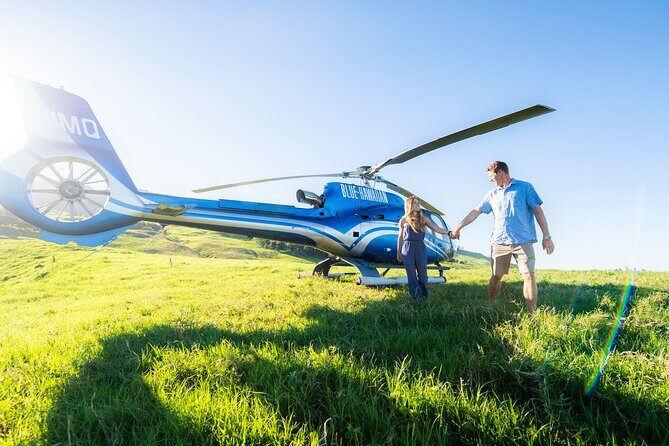
You meet at Blue Hawaiian Helicopters, Lelepio Pl #1, Kahului, HI 96732. The tour ends back at the same meeting point, so you’re not dealing with a long transfer day.
Plan to check in 45 minutes early. That time is used for weight check-in, a safety briefing, and getting you seated so the helicopter leaves on schedule. Late arrivals won’t be accepted and aren’t refundable, so build in buffer time even if you think you’re close.
Parking at the heliport costs $7.00 USD, and the tour does not include transportation to and from the heliport. The good news is the meeting location is near public transportation, so you may be able to avoid extra driving hassle if that fits your plans.
The flight route that strings West Maui to Iao Valley (and why the order matters)

This tour is laid out so you gradually “zoom out” of the story. You start on the west coast of Maui and take in rugged cliffs, then work toward the Iao Valley area, which is one of the islands’ best gateways to understanding how dramatically Maui changes with elevation.
Here’s what that means for you in the air:
- You’ll see the diversity of microclimates—different shades of green and dry spots can appear as you move over terrain and elevation.
- You’ll get context for why Maui’s “rain side” and “sun side” can feel like different worlds.
Ancient population center and the gateway feel
As you fly, you’ll trace the history of an ancient population center that acts as a gateway to Iao Valley and the West Maui Mountains. The point of this stop isn’t trivia for trivia’s sake; it helps you read the coastline and valleys as more than a pretty picture.





Iao Valley from above: towering peaks and a cut-through valley floor
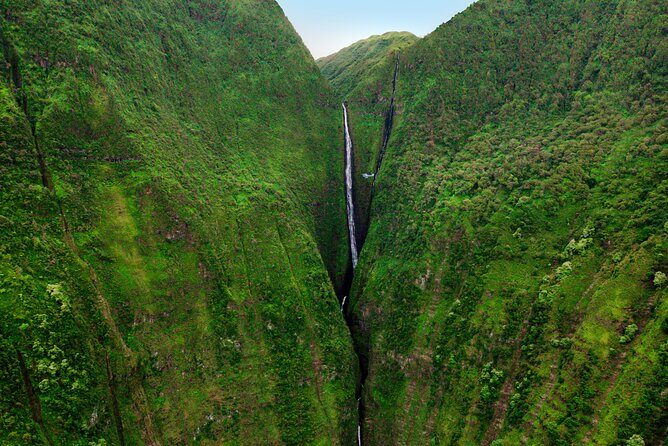
Next comes ’Iao Valley, viewed through towering emerald peaks guarding a lush, stream-cut valley floor. Seeing it from the air changes the scale instantly. The valley floor and the steep walls start to look like a natural corridor—something you don’t fully grasp from a single viewpoint on the ground.
Mauna Kahālāwai: watching the mountains top out
You’ll also see Mauna Kahālāwai, the highest peak of the West Maui Mountains. This is one of those moments where altitude and terrain become obvious. If you’re into geography, it’s a clear “this is the high point” reference as the route transitions toward Molokai.
Crossing to Molokai: why this channel hop is the whole point
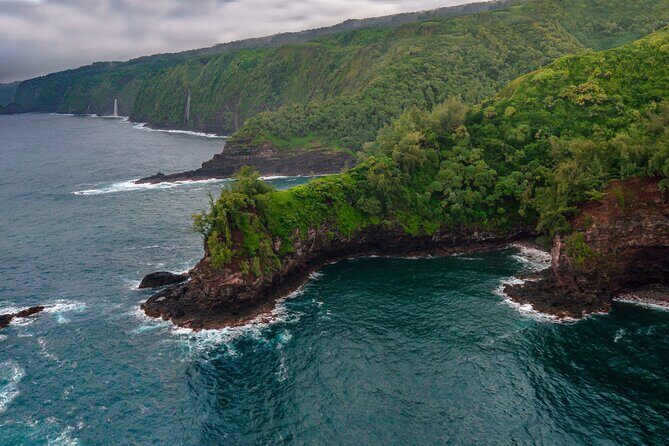
Then you cross the channel and explore Molokai, a Hawaiian island many people only experience by rumor and photos. From the air, Molokai becomes more real fast.
Molokai is known for the world’s tallest sea cliffs, and the helicopter is the cleanest way to see them at scale. Many sights on Molokai can only really be viewed from above, because the ground access is limited and the terrain is dramatic.
I like that the tour explicitly uses the air time for what the air does best: showing you sheer drop-offs and long cliff lines that you simply can’t compare from shore. If you’re the type who likes getting your bearings, this is also where the tour helps you understand how the island sits in relation to Maui.
Ka’anapali and Kapalua coastline: resorts, beaches, and the “Maui you picture”
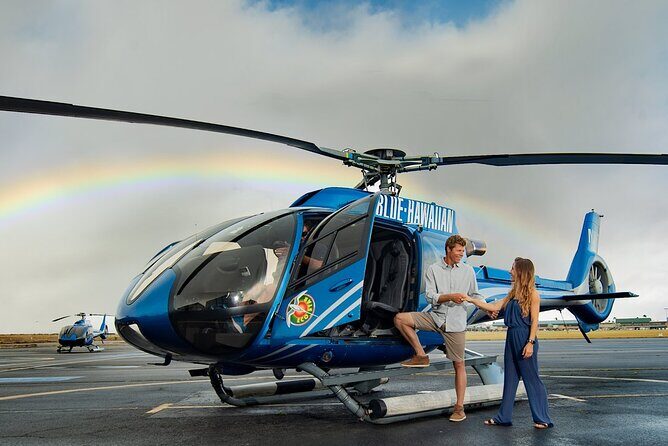
After Molokai, the route loops back toward the most photographed parts of West Maui: Ka’anapali and Kapalua.
Ka’anapali coastline
You’ll view Ka’anapali, home to some of Maui’s premier resorts. From the air, what stands out is the coastline shape—beach lines, headlands, and the way the ocean color shifts with depth.
Kapalua: beaches plus golf-course precision
Then it’s on to Kapalua, where you’ll see a mix of beautiful beaches, crystal-clear waters, and manicured golf courses. This segment is great if you want variety in a single flight: wild-looking shoreline features and the tighter, landscaped resort shapes side by side.
If you’re doing Maui for food and beaches on a separate day, the helicopter day becomes the “big picture” match for all those details.
The exclusive landing break: South Maui views and a final reset
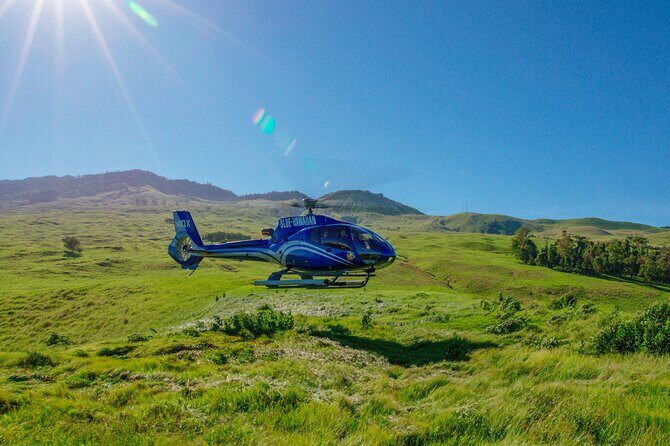
The flight ends with an exclusive landing and views of the South Maui coastline and neighboring islands. This is your reset moment, and it’s also a smart design choice: ending with a landing gives you a chance to come back to your senses before the final takeoff and return.
Because it’s an active break, not just a quick pause, you’ll feel like the trip had chapters instead of being one continuous loop. Add in the fact that you can keep listening to the pilot-guide while in motion, and the whole thing feels more guided than scenic-only.
The gear and guide style that make the difference: Bose audio and two-way mic
I pay close attention to onboard audio on helicopter tours, because if you can’t hear the pilot, you miss half the point. Here, you’ll use Bose Aviation-grade electronic noise-cancelling headsets plus microphones with 2-way communication with the pilot.
That setup matters because it turns the flight into a conversation. You’ll hear what the pilot is pointing out as you pass it, and you can get explanations in real time instead of after the fact.
Also, the tour includes a Pilot Guide who is State of Hawaii Certified Tour Guide—not just a pilot reading safe checklist lines. In reviews, pilot Tim is called out for being friendly and funny, and that kind of personality tends to make the information easier to follow when you’re looking out at fast-changing terrain.
What you’re allowed to wear and bring (so your photos don’t get ruined)
Small rules can make a big difference in a flight like this. You should wear dark colored clothing so it doesn’t reflect in photos. It’s one of those instructions that sounds minor until you realize window reflections can mess up an otherwise great shot.
In the air, bags and large cameras are not allowed, and extending selfie sticks aren’t allowed either. You’ll want to travel light and keep gear minimal.
You’ll also want a credit card for optional video/photo packages and souvenirs at the heliport. Cash isn’t accepted, so don’t plan on paying at the last minute.
One more practical heads-up: no scuba diving within 24 hours of tour departure. If you’re mixing days on Maui, schedule this helicopter trip carefully around any diving plans.
Wildlife and cloud shifts: what to expect from the view
Sights vary depending on weather, and that’s not a small footnote here. Clouds can change the exact route you see, and the helicopter tour adapts to conditions.
That said, the route and altitude put you in position for ocean-life spotting when visibility lines up. Reviews include wildlife sightings such as whales, turtles, and manta rays, and those are the kinds of moments that feel almost random—in the best way—because they only happen when the flight and the ocean cooperate.
If you’re booking during busy weeks, also note that tours are often booked around 47 days in advance on average. That timing is a hint: the best dates can go fast once weather patterns stabilize.
Who should book this Maui and Molokai landing helicopter tour
This is a strong fit if you:
- Want a single-day Maui highlight that covers Maui and Molokai by air.
- Care about being informed in real time, not just looking out a window.
- Like intimate group experiences, since the max is six passengers.
- Enjoy scenery variety: cliffs, valleys, coastal resort areas, and sea views.
It might not be the best match if:
- You’re sensitive to strict timing rules (check-in is 45 minutes early and late arrivals aren’t accepted).
- You’re bringing lots of gear (large cameras, bags, and extending selfie sticks aren’t allowed).
- You need guaranteed exact views—because weather affects what you’ll see.
Weight is another consideration. There’s a 240 lb (108 kg) per passenger total weight limit. If you’re over that, you’ll need an adjacent empty seat to balance the aircraft, and the second seat is half off the regular tour price. Arranging that additional seat after booking is part of making things work.
Should you book it?
If you want the most “Maui and Molokai in one go” experience that still feels guided, I’d book this. The combination of noise-cancelling audio, a State of Hawaii certified pilot-guide, and an actual landing break makes it more than a short scenic flight.
The only reason not to book is simple: if you can’t handle weather uncertainty or you dislike rules about timing and onboard items. Otherwise, this tour is a smart way to see the islands’ big differences fast—especially the Molokai sea-cliff portion that’s hard to replicate from the ground.
FAQ
How long is the Maui & Molokai helicopter tour?
It’s approximately 1 hour 30 minutes.
What is the meeting point for the tour?
You meet at Blue Hawaiian Helicopters, Lelepio Pl #1, Kahului, HI 96732, USA.
What time should I check in?
Check in is 45 minutes prior to your tour time for weight check-in, a safety briefing, and to be escorted and seated.
Is the tour in English?
Yes, it’s offered in English.
What does the ticket price include?
It includes Bose Aviation-grade, electronic noise-cancelling headsets, use of microphones with 2-way communication, a pilot guide who is a State of Hawaii Certified Tour Guide, and all fees and taxes.
Does the tour include transportation to and from the heliport?
No. Transportation to and from the heliport is not included.
Is there a weight limit for passengers?
Yes. The total weight per passenger is 240 lbs (108 kg). If you weigh over that, an adjacent empty seat is required for safe balance, and the second seat is half off the regular tour price.
Are children allowed?
Yes. Children 23 months and younger are complimentary and considered a lap child.
What items are not allowed in the helicopter?
Bags, large cameras, and extending selfie sticks are not allowed.
What happens if weather cancels the tour?
Because the experience requires good weather, if it’s canceled due to poor weather you’ll be offered a different date or a full refund.
If you want, tell me your travel dates and whether you’re doing any scuba or lots of camera gear, and I’ll help you decide how to schedule this day for the least stress.