REVIEW · MAUI
Waterfalls of West Maui and Molokai Helicopter Tour
Book on Viator →Operated by Blue Hawaiian Helicopters - Maui · Bookable on Viator
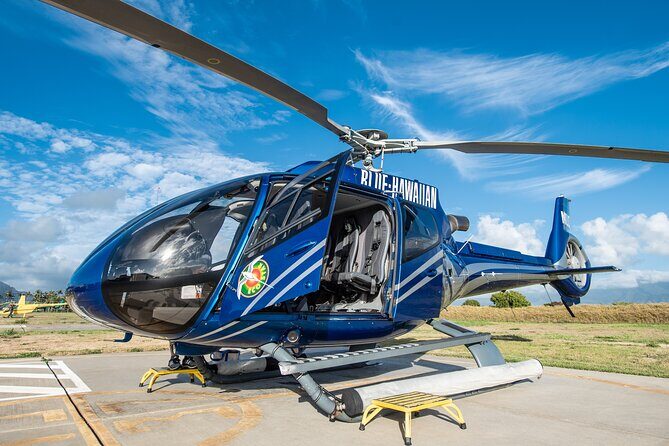
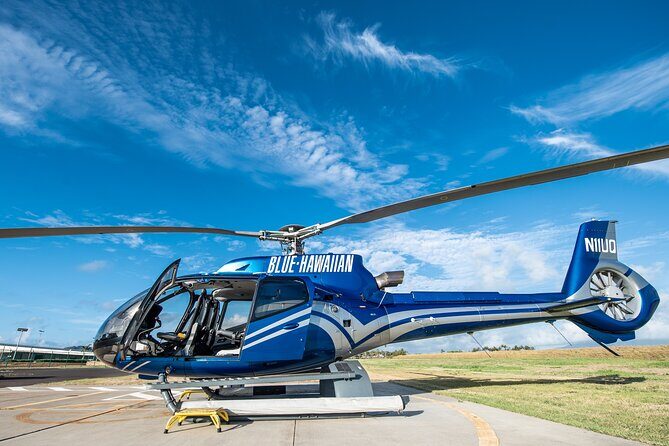
Flying above Maui slices travel time fast. This West Maui and Molokai helicopter tour pairs Bose aviation headsets with live pilot commentary, so you actually understand what you’re seeing, and your pilot is also a Hawaii state-certified tour guide. The trade-off: the flight is about 50 minutes, so you may not get multiple close-up waterfall moments if weather and wind shape the route.
I love that the experience is built for clarity, not chaos. You get communication through microphones and noise-cancelling headsets, plus an after-tour video preview back at the heliport, which makes it easier to re-find what you just saw in the sky.
One more thing to plan for: transportation to and from the Kahului heliport is not included, and you’ll need dark clothing to reduce glare in photos. If you weigh over 240 lbs, you’ll be required to book an adjacent empty seat for safe balance.
In This Review
- Key highlights worth knowing before you fly
- Why a West Maui and Molokai helicopter flight beats other viewpoints
- Small-group comfort plus clear audio with Bose aviation headsets
- Check-in timing, weight limits, and what to wear for better photos
- Maui’s West side opener: Haleakala views, Iao Valley gateway, and Waiheʻe ridgelines
- Kahakuloa Bay and Mauna Kahālāwai: remote coasts and the highest West Maui peak
- Molokai’s sea cliffs, Kalaupapa, and Pelekunu Valley’s free-flowing stream
- Price and value: is $460.90 for 50 minutes actually fair?
- Who should book this tour, and who may want a different plan
- Final call: should you book the Waterfalls of West Maui and Molokai helicopter tour?
- FAQ
- How long is the Waterfalls of West Maui and Molokai helicopter tour?
- How many people are on the helicopter?
- What’s included with the tour?
- Do I need to bring anything for the optional photo or video packages?
- Where do I meet for the tour?
- When should I check in?
- Is there a weight limit?
- Can I scuba dive right before the tour?
- What if the weather is bad?
Key highlights worth knowing before you fly
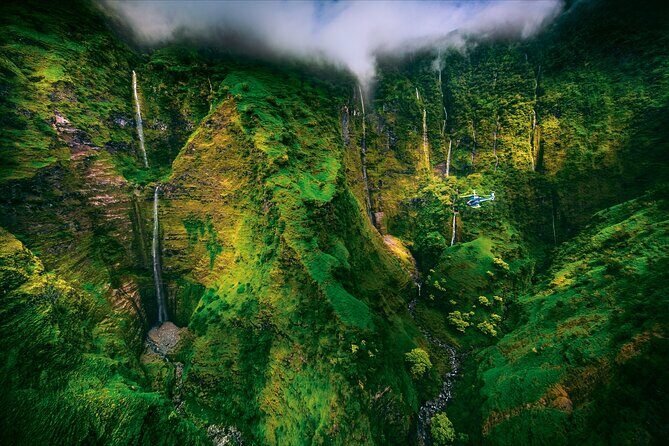
- Max 6 travelers: a small cabin that keeps the pilot’s narration personal.
- Bose Aviation-grade headsets: noise-cancelling plus comfort for a tight, bumpy ride.
- Pilot + Hawaii-certified tour guide: you get guiding, not just flying.
- Live two-way communication: you can ask questions during the flight through provided microphones.
- Route hits both Maui and Molokai: Haleakala views on Maui, then Molokai’s sea cliffs and Kalaupapa on the other island.
- Video preview after landing: you can match memories to real footage before you shop optional packages.
Why a West Maui and Molokai helicopter flight beats other viewpoints
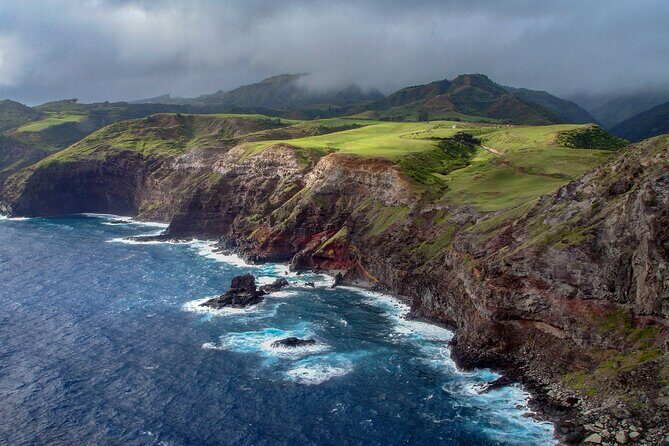
A helicopter tour is the only way to watch Maui and Molokai at the speed of birds. From the air, the scale of the valleys, the drama of ridgelines, and the way waterfalls carve into the land stop being “nice scenery” and start looking like the actual shape of the island.
This specific route is designed to show contrast. You go from Maui’s shoreline and mountain views into West Maui ridges and remote bays, then over to Molokai for the famous sea cliffs and the Kalaupapa community area. If your plan is mostly beaches and short drives on the ground, this adds height, depth, and perspective fast.
The biggest “value” here is not just the views. It’s the context. When your pilot is also a Hawaii state-certified tour guide, you spend less time guessing what you’re looking at and more time connecting the dots: where the valleys sit, why certain areas look rugged, and how the islands’ geography shapes what you can see.
You can also read our reviews of more tours and experiences in Maui

Small-group comfort plus clear audio with Bose aviation headsets
You’ll fly in a group capped at 6 people, which matters. Smaller groups reduce the awkward moments where you’re all trying to hear over the engine noise, and they also make it easier for the pilot to keep narration flowing.
The included Bose Aviation-grade electronic noise-cancelling headsets are a big deal for comfort. They also help you hear the guided commentary through the provided audio system, which is where the tour stops being just sightseeing and starts becoming a guided flight.
Even better, the setup includes microphones for two-way communication with the pilot. That means you’re not only listening to a script; you can ask questions or get quick clarifications. For first-time helicopter riders, that clarity is part of what makes the whole experience feel safe and manageable.
From the reviews you shared, the consistent theme is trust. People call out feeling safe, and they credit pilots who explain what you’re seeing as you fly. Names that came up include Pete and Marco for strong guiding and a calm cockpit vibe, and Tim for feeling 100% comfortable during the ride.
Check-in timing, weight limits, and what to wear for better photos
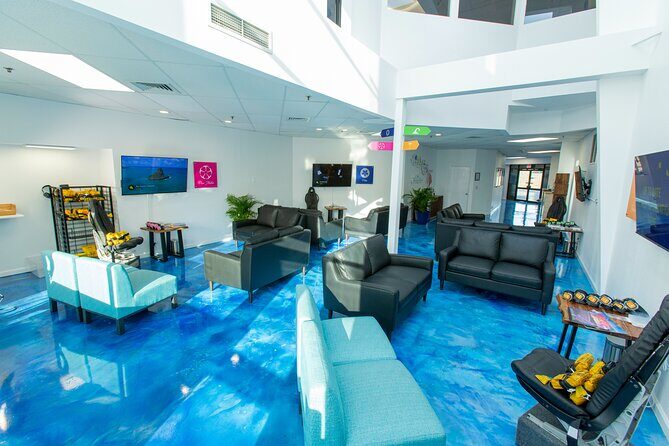
Plan your day around check-in, not departure time. You check in 45 minutes prior for a weight check, safety briefing, and to be escorted and seated so the helicopter can leave on time. If you’re late, you may not be accepted and the ticket is non-refundable.
Then there’s the weight rule. Total weight per passenger is capped at 240 lbs. If you’re over, the operator requires an adjacent empty seat to keep the helicopter properly balanced, and that extra seat is half off the regular tour price. If you’re close to the limit, it’s worth confirming before you arrive so you don’t get stuck changing plans at the heliport.
For photos, wear dark clothing. The tour guide info specifically calls out dark colors so you don’t reflect in the windows. Simple fix, big payoff: you’ll see your shots instead of shiny glare.
Also, remember scuba timing. The tour info says no scuba diving within 24 hours of departure. If you’ve got an ocean day planned right before your flight, you’ll want to separate those activities.
Maui’s West side opener: Haleakala views, Iao Valley gateway, and Waiheʻe ridgelines
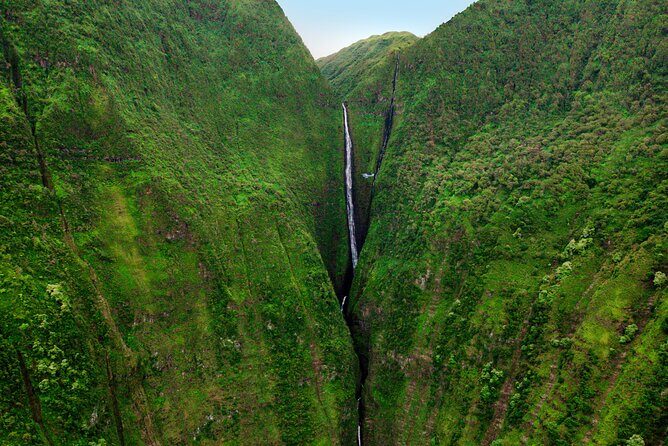
Your flight starts with a Maui look that’s hard to recreate any other way. You’ll head over the shoreline area near the base of Maui’s economy, then take in wide vistas that show Haleakala and the West Maui Mountains from above. On the ground, these distances feel vague. In the air, the island’s “layers” become obvious.
Next, you get the “gateway” angle toward the Iao Valley and West Maui Mountains. This is one of those moments where being overhead helps you understand why the valleys feel both close and unreachable at the same time. You’re seeing how waterways and roads relate to the steep terrain.
After that comes Waiheʻe and its lush ridge lines. The narration here matters because it helps translate what looks like green hills and slopes into something more readable. The ridges become pathways, and you start spotting where the land channels into deeper terrain.
One practical note: you’ll be flying above steep country, and weather affects what the pilot can safely show. That’s why the tour notes that tours/times may vary based on wind and weather conditions. The upside is that when visibility is good, the Maui portion of the route is stunning for first-timers.
Kahakuloa Bay and Mauna Kahālāwai: remote coasts and the highest West Maui peak
West Maui is known for dramatic roads, and the helicopter version turns those curves into something you can finally “see all at once.” You’ll pass over Kahakuloa Bay, described as a remote former fishing village area with a striking look along the winding West Maui Mountain Road. From the air, the remoteness doesn’t feel like a marketing phrase—it’s obvious in the spacing, the drop-offs, and the way the shoreline sits isolated.
Then you’re up toward the West Maui Mountains, including Mauna Kahālāwai, identified as the highest peak in that range. This is the kind of peak that looks impressive from the ground, but from above it tells a different story: the shape of the summit, the steepness of the flanks, and how ridgelines connect like ribs.
Now for the balanced part. This is a short flight, around 50 minutes. That means you get a “best-of” mix of big sights rather than a long, slow loop built for maximum waterfall time. One of the key drawbacks from your provided feedback was a mismatch in expectations: a family booking specifically for multiple deep-valley waterfall moments felt the flight focused more on valley views and fewer close-up passes than they hoped for.
If you want waterfall time above everything else, keep your expectations flexible and let weather drive what’s possible.


Molokai’s sea cliffs, Kalaupapa, and Pelekunu Valley’s free-flowing stream
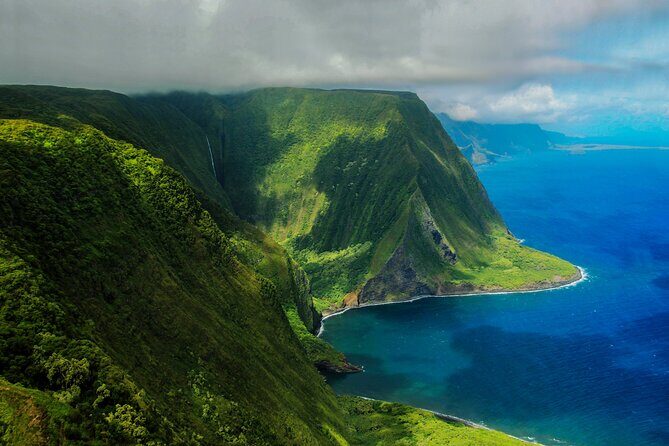
Molokai is where the tour really turns dramatic. You fly by the island described as having the world’s highest sea cliffs, then you pass by the famous Kalaupapa community area. On the ground, you hear names and descriptions. In the air, you see why this region has a legendary reputation: sheer drop-offs, strong ocean exposure, and rugged terrain right next to the water.
After that Maui’s side returns into view, including Kapalua, which you’ll recognize for its mix of beaches, crystal-clear water, and the presence of well-kept golf-course scenery. It’s a fun contrast: the island isn’t only rough and remote. You also get a look at how developed coastlines sit next to steep mountain systems.
Then comes Pelekunu Bay and the entrance to Pelekunu Valley. The tour information points out one of Hawaii’s last remaining free-flowing streams in the valley, along with uniquely preserved ancient Hawaiian fauna. The way the narration frames this matters: you’re not just looking at greenery. You’re seeing a living system shaped by the terrain and the valley’s relative protection.
In short: Maui gives you big views and ridges. Molokai gives you scale and sea cliffs. Pelekunu adds the “why it matters” layer that makes a waterfall-style route feel more than scenic.
Price and value: is $460.90 for 50 minutes actually fair?
At $460.90 per person for about 50 minutes, this is not a budget activity. So you should judge it on what it replaces.
If you’re choosing between a helicopter and multiple other paid viewpoints, helicopter time can be value when you want one payoff shot: altitude, waterfall access, and island contrast in one flight. No driving to multiple trailheads. No long boat ride. You’re paying for a straight-line shortcut to the island’s most dramatic shapes.
What makes the price feel more reasonable is what’s included: Bose aviation headsets, microphones for two-way communication, a pilot who also holds Hawaii state-certified tour guide credentials, and an after-tour video preview at the heliport. Those items add up in “experience quality,” not just convenience.
The best “value” scenario is also the simplest. If your schedule is tight and you want one signature activity that feels different from beaches and snorkeling, this tour earns its spot.
The risk is expectation. If your main goal is a guaranteed parade of close-up waterfalls, a 50-minute flight can’t promise that in every weather pattern. Treat it as a route that can show waterfalls and valleys from the air, with the pilot making the most of what conditions allow.
Who should book this tour, and who may want a different plan
This tour fits best if you:
- Want a guided helicopter experience over West Maui and Molokai, not a “ride only” option
- Like learning as you look, especially with two-way communication
- Enjoy short, high-impact activities that pack a lot into one time block
- Are comfortable planning around weather and wind
You might reconsider if:
- You need a long, slow waterfall-focused outing rather than a “many-sights from above” format
- Your day has tight buffers for check-in, since you must be there 45 minutes early and late arrivals can’t be accepted
- You’re bringing special timing needs around diving, since there’s a no scuba rule within 24 hours
If it’s your first helicopter ride, the tone in the reviews you shared is encouraging: people repeatedly mention feeling safe and credit pilots for clear guidance. That safety vibe is a big reason to book with a strong operator like Blue Hawaiian Helicopters.
Final call: should you book the Waterfalls of West Maui and Molokai helicopter tour?
If you want one activity that changes how you understand Maui, booking this makes sense. You get the altitude fast, you get clear audio, and you fly with a pilot who can translate the island while you’re watching it from above. For the price, it only feels “too much” if you expect a long waterfall expedition or if your schedule can’t handle weather variability.
If you can keep your expectations flexible and you’re ready for dramatic island scale, this is exactly the kind of trip that earns a place in a Maui itinerary.
FAQ
How long is the Waterfalls of West Maui and Molokai helicopter tour?
The flight time is about 50 minutes, though overall timing can shift based on wind and weather.
How many people are on the helicopter?
The maximum group size is 6 travelers.
What’s included with the tour?
You get Bose aviation-grade electronic noise-cancelling headsets, microphones for two-way communication with the pilot, a pilot who is also a Hawaii state-certified tour guide, an after-tour video preview at the heliport, and all fees and taxes.
Do I need to bring anything for the optional photo or video packages?
You should bring a credit card since USB in-flight video and photo packages are available after the flight for purchase, along with souvenirs at the heliport.
Where do I meet for the tour?
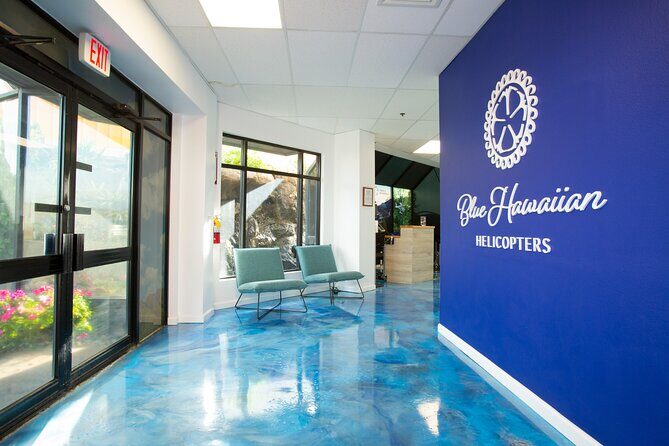
Meet at Blue Hawaiian Helicopters, Lelepio Pl #1, Kahului, HI 96732, USA. The tour ends back at the same meeting point.
When should I check in?
Check in is 45 minutes prior to your tour time for weight check, safety briefing, and seating. Late arrivals may not be accepted.
Is there a weight limit?
Yes. Total weight per passenger is 240 lbs. If you weigh over 240 lbs, an adjacent empty seat is required for safe balance, and the second seat is half off the regular tour price.
Can I scuba dive right before the tour?
No. The tour info states no scuba diving within 24 hours of departure.
What if the weather is bad?
This experience requires good weather. If it’s canceled due to poor weather, you’ll be offered a different date or a full refund.