REVIEW · MAUI
Maui: Small Group Shark & Turtle Scuba Dive from Shore
Book on GetYourGuide →Operated by Dive Maui/Hawaiian Rafting Adventures · Bookable on GetYourGuide
Mala Wharf is where Maui’s reef life shows up fast. I like the small group feel and the fact you’re paired with a PADI-certified guide who keeps things organized and calm. You’ll also like the animal mix here: turtles plus the chance of white-tip reef sharks and lots of reef fish. One thing to consider: this is a certified-diver only outing, and you’ll need to carry your own gear in and out of the water.
What makes this shore experience feel practical is the pacing. You get a proper safety briefing, then a short walk to the pier, and you’re underwater for up to about an hour (air and conditions decide). The possible downside is weather and conditions still matter, and if visibility or sea conditions aren’t right, your plan can change to a different date.
Finally, this is built for people who want real reef sightings without the big-tour chaos. The setup is close to Lahaina, and the critter list is the kind that keeps you looking down at the reef as much as out toward open water.
In This Review
- Key highlights I’d prioritize
- Price and what you’re actually buying
- Meeting in Lahaina: where it starts and why location helps
- Safety briefing first: the part that makes a short trip go smoothly
- The short walk to the pier: part logistics, part warm-up
- Mala Wharf: why this site is worth your one-hour window
- Wildlife targets you should plan around
- Reef critters: the slow-looking payoff
- What the underwater time feels like (and how to manage it)
- Small group and private options: why 4 people changes everything
- Equipment and what you still need to bring
- Conditions: when your plan is good, and when it changes
- Who this is best for (and who should skip it)
- The best moments to aim for during your hour
- Should you book the Maui shore scuba at Mala Wharf?
- FAQ
- Is this activity for certified divers only?
- How long will I be underwater?
- What’s included in the price?
- Where do I meet the guide?
- Do I need hotel pickup?
- How big is the group?
- Can I take this if I’m not a strong swimmer?
- What if the weather is poor?
- What should I wear or bring besides my certification?
Key highlights I’d prioritize
- Mala Wharf shore access with a short walk from the shop to the pier
- Up to 1-hour underwater time using standard 80-cubic-foot tanks (air permitting)
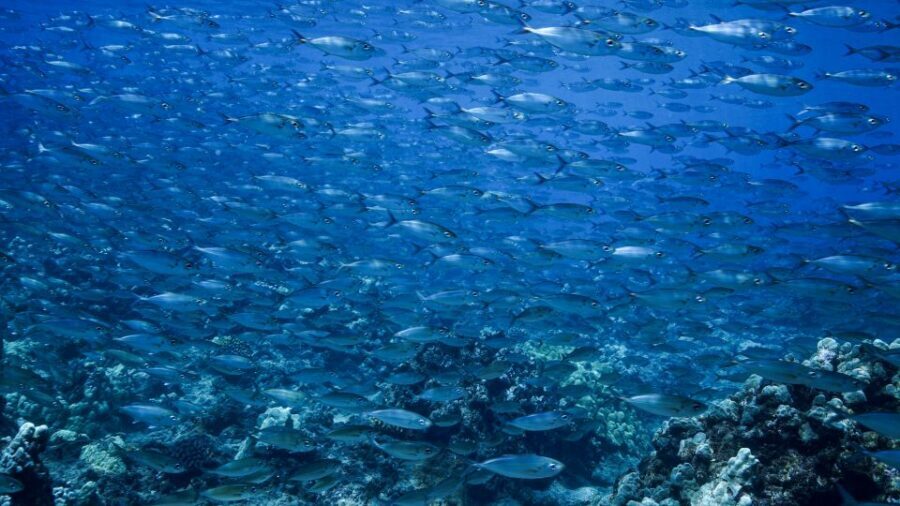
- Turtles and white-tip reef sharks as the main wildlife targets
- Colorful reef life including octopuses, eels, nudibranchs, and frogfish chances
- Group size capped at 4 for easier control, briefing, and less waiting
- Guides like Joe getting called out in feedback for smooth, professional leadership
Price and what you’re actually buying
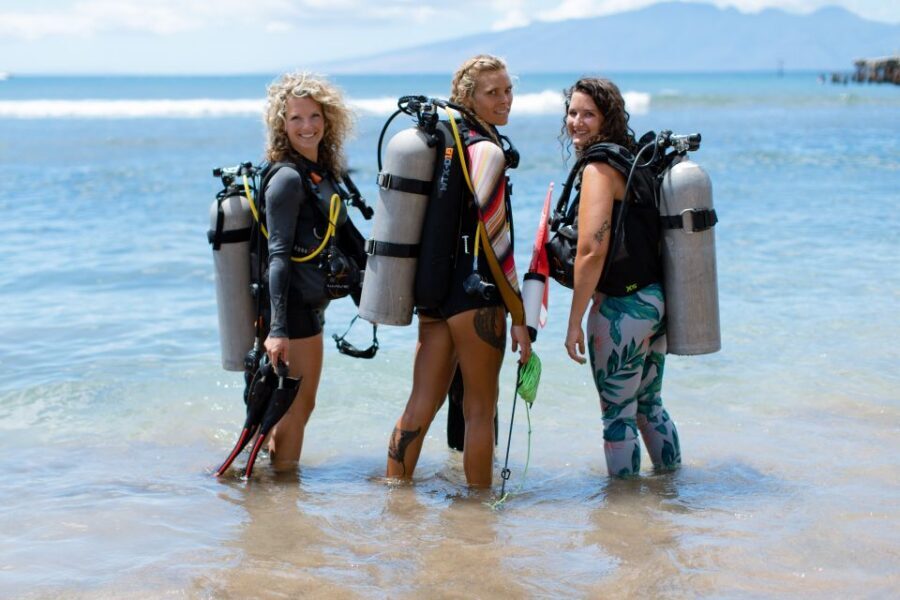
At $128 per person for a 150-minute total experience, the pricing makes sense if you’re a diver who values time underwater and a low-stress format. You’re not paying for hotel pickup or a long bus ride. You’re paying for the guide, the local shore site, and the scuba equipment.
Also, the “up to 1-hour” underwater window matters here. That’s not just a marketing line. You’re using standard 80’s (standard size tanks), and those typically translate into close to an hour when you’re diving at a normal pace and conditions cooperate. If you’re the type who gets annoyed spending more time suiting up than seeing wildlife, this layout usually fits your style.
Compared with big-group boat trips, a shore session like this can feel like better value because you spend less time traveling and more time in the water. Still, you should read the fine print in your head: this isn’t for non-certified divers, and it does require enough comfort to carry your own gear in and out.
You can also read our reviews of more scuba diving tours in Maui
Meeting in Lahaina: where it starts and why location helps
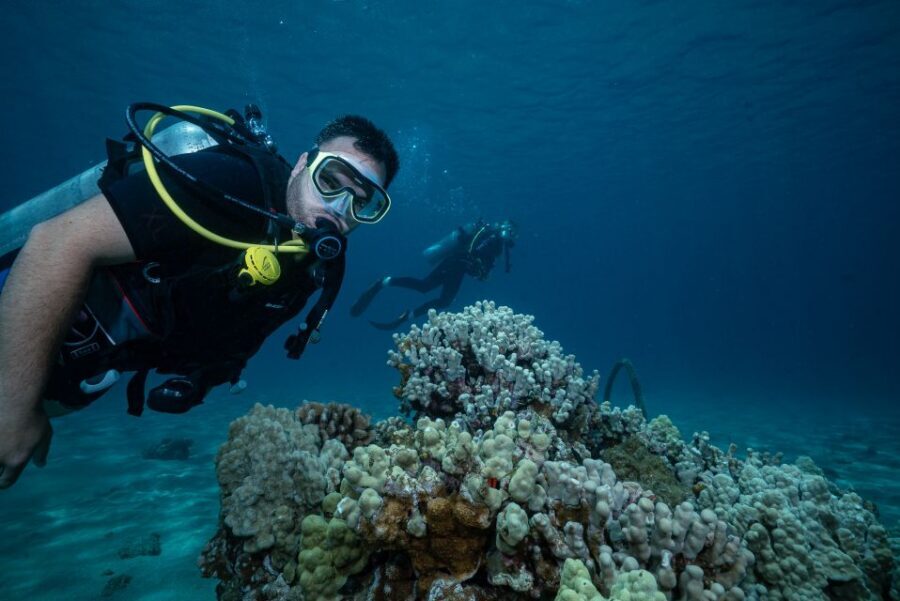
The meeting point is 1223 Front St, in the heart of Lahaina. You’ll meet your guide at the activity provider’s dive shop, and the location is close to where the water action starts near Baby Beach and Mala Pier.
Why this matters in real life: you don’t have to build a complicated schedule around remote pickup. When a dive day starts right in town, you can usually keep the rest of your Maui plans cleaner afterward—especially if you’re also doing snorkel time, a meal run, or a sunset walk.
Parking is also spelled out: there’s parking in the shop’s front lot, plus free overflow across the street. The one caution is to not park in front of Snorkel Bob’s. That’s the kind of practical note that saves you stress at the worst possible moment—right when you’re trying to check in.
Safety briefing first: the part that makes a short trip go smoothly
Your day begins with about 20 minutes of safety briefing. That time is not wasted. Shore sessions can go fast once you’re at the water, and a good briefing helps you get your head straight: where you’ll enter, how the guide expects you to manage your gear, and what to watch for underwater.
The best sign from feedback is that the experience is described as smooth and professional, with divers feeling safe and supported. That doesn’t mean the briefing replaces skill—this is still certified-diver territory—but it does suggest the guide runs the show in a way that reduces uncertainty.
If you haven’t been diving recently, pay extra attention to the “in the last 2 years” requirement. This isn’t just a rule on paper. It’s there because carrying your own gear, managing buoyancy in reef conditions, and staying comfortable with your routine is the difference between a fun hour and a mentally tiring hour.
The short walk to the pier: part logistics, part warm-up
After the briefing, you walk about 5 minutes to the pier. That small walk is a big deal because it sets the tone: you’re not dragging gear for a long distance, and you’re transitioning quickly from land to water.
This pier is also a feeder zone for sea life. The area you’re heading to is known for schools of fish, along with sightings like octopuses and eels, plus nudibranchs. And yes, people specifically look for frogfish, which can be elusive—but famous enough that your guide will be actively scanning.
In other words, even before you drop in, the location gives you a head start on what kind of reef “wow” you’re likely to get.
Mala Wharf: why this site is worth your one-hour window
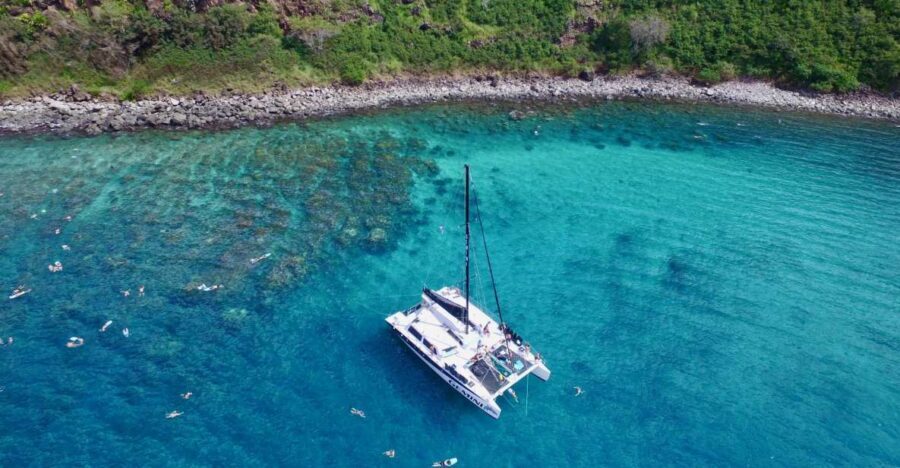
Mala Wharf has a history that explains its reputation. It was destroyed by Hurricane Iniki in 1992, and since then it’s developed into a strong underwater habitat. That kind of reef “rebuild” is exactly what divers chase, because structure equals shelter equals fish.
At Mala Wharf, the idea is simple: sunken and broken structure gives animals places to hide, feed, and patrol. That helps you get variety during a single session instead of hoping you get lucky with one species.

Wildlife targets you should plan around
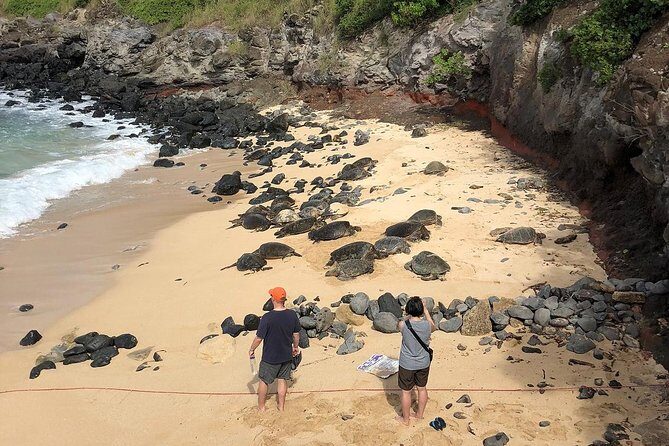
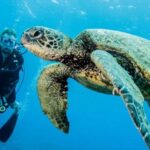
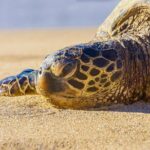
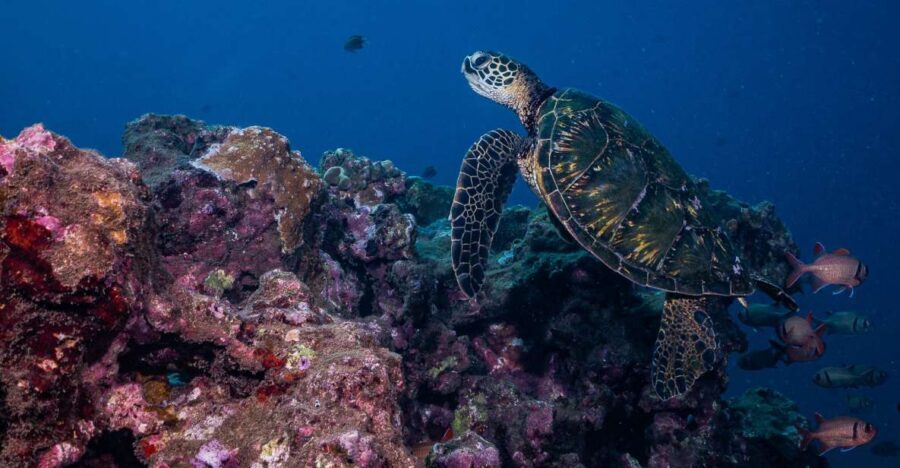
The main headline species here are turtles and the possible presence of white-tip reef sharks. If you’re coming for wildlife, this is the kind of place where you can spend time looking in multiple directions instead of focusing on one narrow “maybe” moment.
Turtles also change how you dive. You tend to slow down, watch carefully, and keep buoyancy steady so you don’t disturb the reef or the critters. That makes the experience feel more like observing than just checking boxes.
Reef critters: the slow-looking payoff
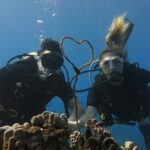
This is also a reef spot where you’ll likely enjoy spending time looking closely. You might spot things like octopuses, eels, nudibranchs, and a chance at frogfish tucked into the reef. Those sightings are the kind of details that turn an ordinary hour underwater into one you’ll remember.
And the reason I like this for divers is that it rewards both styles:
- If you’re a wide-angle observer, you can watch turtles and larger fish movement.
- If you’re a macro hunter, the reef critters give you something to focus on while you hover.
What the underwater time feels like (and how to manage it)
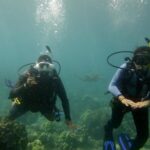
You’ll have up to a 1-hour underwater session, air permitting, on those 80’s tanks. In plain terms: plan your dive like you have about an hour to use well, not like you’ll necessarily do an exact 60 minutes.
Because this is a shore operation, you’ll also want to be ready for the “small tasks” that can eat energy if you’re not prepared:
- controlling your buoyancy near structure
- staying calm around turtles and fish
- watching for the guide’s cues so you don’t drift away from the group
The feedback trend is that visibility can vary. One diver noted conditions weren’t the greatest but still found the experience fantastic and worth repeating. That’s a key expectation-setting point: even if the water looks a little different that day, Mala Wharf’s critter density and guide help can still deliver a strong session.
Small group and private options: why 4 people changes everything
This outing is set up as a small group limited to 4 participants, with the option for a more private feel depending on how the session runs. For divers, fewer people usually means:
- easier communication
- less waiting on gear and transitions
- more time spent actually watching wildlife instead of moving through the group
In feedback, people consistently mention how smooth the operation felt and how the guide made them feel safe. That lines up with a small-group format. When the group isn’t huge, the guide can spend more attention on each diver’s comfort and positioning.
If you’re worried about feeling rushed or lost, this is the kind of structure that tends to reduce that. You still need skills and comfort, but the environment is friendlier than the chaotic end of the tour spectrum.
Equipment and what you still need to bring
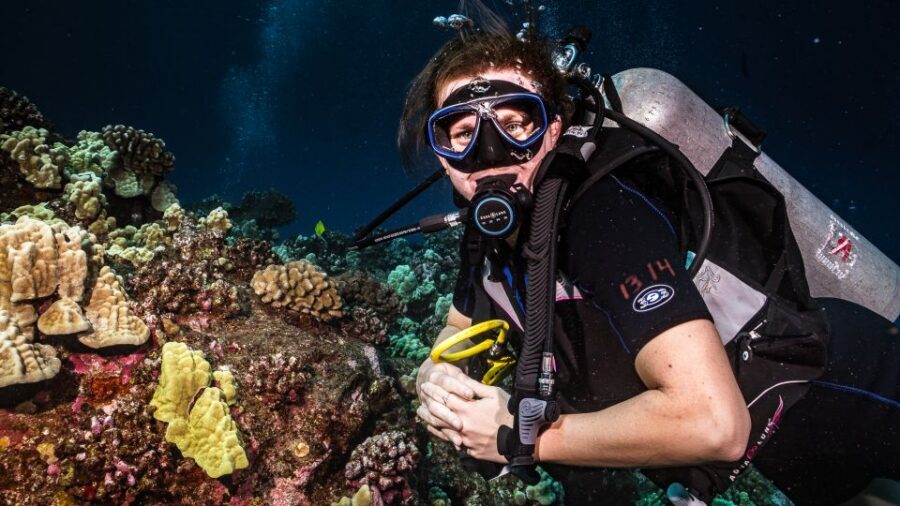
Included in the price is scuba equipment and the up to 1-hour underwater time at Mala Wharf. What’s on you:
- Bring your certification card
- Bring any required documentation your provider asks for (certified divers only)
- Be ready to carry your own gear in and out
- Bring your own dive comfort routine (what you do to stay calm and organized)
Also, plan for your personal logistics: food and drinks aren’t included. A shore session can still be a full chunk of time, so it helps to have a plan before you arrive at 1223 Front St.
Conditions: when your plan is good, and when it changes
This experience requires good weather. If the activity is canceled due to poor weather, you’ll be offered a different date or a full refund. The same kind of practical handling shows up in how divers talk about the experience when conditions aren’t perfect—meaning you’re not paying for an illusion.
This is also why the “good diver” part of the eligibility matters. Reef life is there, but water and visibility affect how easily you can see details. If you can stay relaxed and dive within your comfort, you’ll usually get more out of whatever day Maui gives you.
Who this is best for (and who should skip it)
This is a certified divers only experience, and it includes a few specific requirements:
- You must be a certified diver and have dived in the last 2 years
- You must be able to carry your own gear in and out of the water
- Minimum age is 10
- The dive is led in English
It’s also not suitable for:
- Pregnant women
- People with back problems or heart problems
- Wheelchair users
- Non-swimmers
- Anyone with pre-existing medical conditions
- Divers with low level of fitness
- People without recent diving experience in the last 2 years
If you’re a diver who enjoys reef structure, likes the idea of turtles plus reef critters, and you want a shore-based schedule that’s easy to fit into a Maui itinerary, you’ll probably like this a lot.
If you’re hoping for a relaxed day with no physical prep, or you’re not confident with your certification routine, pick something else. Shore entries and close-to-reef buoyancy demands reward preparation.
The best moments to aim for during your hour
Based on the wildlife focus and the way divers describe the experience, I’d mentally aim for three types of moments:
First, be ready for the turtle time. Once turtles show up, your best viewing comes from staying steady and not chasing them. Let them do their slow business while you watch closely.
Second, keep an eye out for white-tip reef sharks. This isn’t a guaranteed “always,” but the site is specifically known for them, so your job is to stay alert and let the guide’s knowledge guide your scanning.
Third, take your time on the reef critters. Frogfish can be hard to find, and that’s the point. If you slow your pace—look, hover, adjust—you give yourself a real shot at spotting those hidden faces.
Should you book the Maui shore scuba at Mala Wharf?
Book it if:
- You’re a certified diver who’s comfortable carrying your own gear and diving within your limits
- You want turtles plus the possibility of white-tip reef sharks
- You like the idea of a small group capped at 4
- You care about reef critters like nudibranchs, octopuses, eels, and frogfish chances
Don’t book it if:
- You’re not certified, haven’t dived in the last 2 years, or you’re not comfortable with the physical parts of the shore setup
- You have medical limitations listed by the provider
- You’re hoping for a casual, non-technical experience
If your goal is a focused, well-run shore scuba session with real Maui wildlife and enough time to enjoy the reef details, this is a strong pick—especially if you want your day to feel organized from the first briefing to the return back at 1223 Front St.
FAQ
Is this activity for certified divers only?
Yes. This experience is only for certified divers, and you’ll need to bring your certification card. You also must have dived in the last 2 years.
How long will I be underwater?
You’ll have up to about a 1-hour underwater session, air permitting.
What’s included in the price?
Your price includes up to 1-hour at Mala Wharf and scuba equipment.
Where do I meet the guide?
Meet your guide at the activity provider’s dive shop at 1223 Front St in Lahaina.
Do I need hotel pickup?
No. Hotel pickup and drop-off are not included.
How big is the group?
It’s a small group limited to 4 participants.
Can I take this if I’m not a strong swimmer?
No. This activity is not suitable for non-swimmers.
What if the weather is poor?
The experience requires good weather. If it’s canceled due to poor weather, you’ll be offered a different date or a full refund.
What should I wear or bring besides my certification?
You’ll need to bring your certification card. You should also be prepared to carry your own scuba gear in and out of the water. Food and drinks are not included, so plan for that.