REVIEW · MAUI
Semi-Private Surf Lesson at Kalama Park in Kihei
Book on Viator →Operated by Maui Waveriders · Bookable on Viator
Your first Maui wave comes fast. At Kalama Park in Kihei, Maui Waveriders pairs a quick land safety lesson with focused semi-private coaching, so you spend most of the 2 hours in the water. Beginners get the basics, the right setup, and a clear plan for how to stay safe in the surf.
The only catch is wetsuits are pending availability, and you do need moderate fitness for getting in and out of the ocean and paddling.
In This Review
- Key things I’d circle before you go
- Kalama Park in Kihei: the kind of spot that builds confidence fast
- The first 10–15 minutes on land: safety + the basics that save you
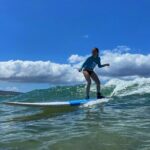
- The water time: where you learn, wobble, and then stand
- What to watch for in your own performance
- Gear included: surf shoes, shirts, and wet-suit reality
- Maui Waveriders instructors: patient coaching and safety-first cues
- Semi-private format: why it often feels better than big group lessons
- Meet-up and timing: plan your Maui day around two hours in the ocean
- Want more surfing time later?
- Who should book this lesson?
- Price and value: what you’re really paying for
- Quick heads-up: weather, expectations, and what could slow things down
- Should you book Maui Waveriders at Kalama Park?
- FAQ
- FAQ
- Where do I meet for the surf lesson?
- How long is the semi-private surf lesson?
- Is the lesson in English?
- How much time is spent on land versus in the water?
- What surf gear is included?
- Are wet-suits provided?
- Is hotel pickup or drop-off included?
- Is this a private activity?
- Can kids join?
- What if weather is poor?
- When will I get confirmation after booking?
Key things I’d circle before you go
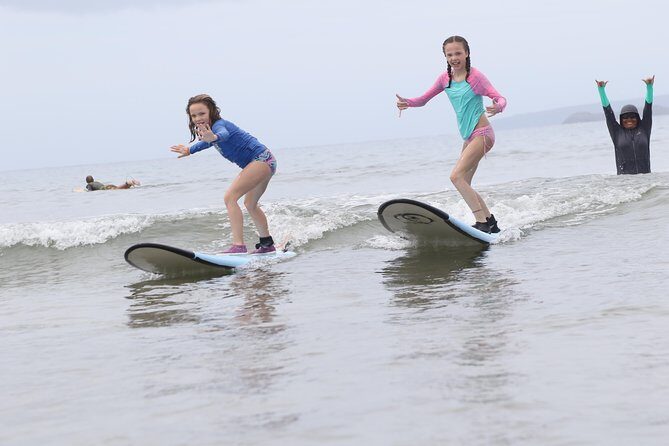
- Beginner-friendly setup at Kalama Park in a cove-style area that helps first-timers get confidence quickly
- 10–15 minutes on land first, focused on surf basics and ocean safety
- Semi-private attention for your exact group, with only your group participating
- Gear is provided (surf shoes, surf shirts, and wet-suit if available)
- Instructors push for standing while keeping safety top of mind, with many sessions led by coaches like Wave Daddy, Andrew, Ben, Jade, and Keppa
- Optional photos for purchase after the lesson, so you can capture the moment
Kalama Park in Kihei: the kind of spot that builds confidence fast
Kalama Park is a smart choice for a Maui surf lesson because it’s set up for the real goal: get you feeling stable and comfortable on the board. The environment matters. When the water and area are workable for beginners, the lesson moves faster and you spend less time just trying to figure out what’s happening around you.
A semi-private format helps too. You’re not competing for the instructor’s attention while everyone scrambles for individual help. Instead, your coach can watch your stance, your paddle timing, and whether you’re reading the wave set correctly.
The vibe here tends to be friendly and upbeat. It’s the kind of experience where the staff and instructor want you to succeed, not just survive the session.
You can also read our reviews of more private tours in Maui


The first 10–15 minutes on land: safety + the basics that save you
Before you go into the water, plan on a short on-land lesson—about 10–15 minutes. This isn’t a lecture. It’s the quick foundation you actually need once you’re wet and focused on balance.
Here’s what you can expect from this phase:
- Surf basics you’ll use immediately (how to get positioned on the board, basic movement ideas)
- Ocean safety guidance so you know what to look for and what to avoid
- How your coach will guide you in the water so you aren’t guessing
You’ll also learn how your instructor plans to adapt the session to your ability level. That flexibility is huge. If you’re a total first-timer, you’ll get simpler cues. If you’ve tried before, you’ll likely get adjustments to stand and catch waves more cleanly.
The water time: where you learn, wobble, and then stand
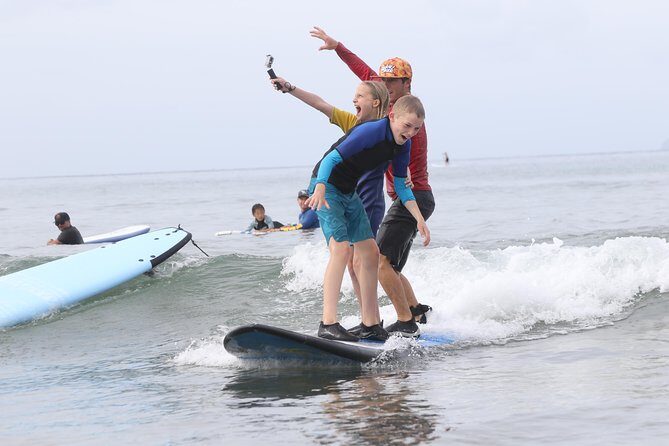
After the land session, the rest of your ~2-hour experience is spent in the water with your instructor. That split is practical: you get the essentials on shore, then you do the hard part (the paddling, the timing, the balance) right away.
This is also where the semi-private advantage shows up. In a smaller group, your coach can:
- Give more individualized corrections
- Help you reset between attempts
- Keep an eye on safety as conditions shift
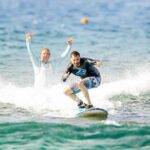
A common theme from past lessons is that instructors treat standing up as a mission. Some coaches are especially praised for being patient while steering you toward waves where you can get on the board—names you might hear include Wave Daddy, Andrew, Ben, Chez, Ina, Ben again (yes, he’s been a favorite), and David. If that sounds like your style, you’re in the right place.
And if you’re nervous, that first time in the water can feel big. The better your coaching cues are, the faster your brain stops panicking and starts following instructions. That’s what you want here: calm, clear guidance, not chaos.
What to watch for in your own performance
During the lesson, focus on the simple things your instructor will likely repeat:
- Board control first, then wave timing
- Paddle setup and staying aligned with your wave
- Listening for the cue that tells you when to shift and when to commit
If you catch a wave and stand even briefly, don’t dismiss it. For many beginners, that’s the turning point. After that, it’s mostly repetition with better timing.
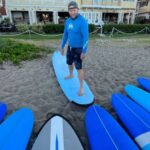
Gear included: surf shoes, shirts, and wet-suit reality
You’ll be provided with equipment that makes the lesson easier to start and less expensive to prep yourself for.
Included gear:
- Surf shoes
- Surf shirts
- Wet-suits (only if available)
That wet-suit note matters. Because it’s pending availability, you should plan for the possibility that you might need to do the lesson without one. It won’t be a deal-breaker for everyone, but it can affect comfort—especially if you get cold easily.
Also think about what you wear to the meeting:
- You’ll likely get wet, so plan for quick-drying clothing underneath or that you don’t mind soaking.
- If you’re bringing your own sunglasses, consider a strap. Water + sudden motion is rough on glasses.
The good news: you’re not showing up needing to buy or rent the core surf items. That’s part of the value. You can spend your Maui day doing the surfing, not managing gear logistics.
You can also read our reviews of more tours and experiences in Maui


Maui Waveriders instructors: patient coaching and safety-first cues
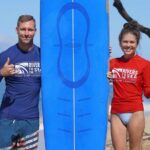
One of the standout reasons to pick this experience is the quality of coaching. People keep praising how instructors teach with patience, positivity, and strong safety awareness.
You’ll hear a lot of instructor-led emphasis on:
- Safety in crowded or changeable surf conditions
- Watching your technique closely and correcting what matters
- Encouragement that feels real, not cheesy
Several instructors have popped up across sessions in the names you may encounter, including Keppa, Andrew, Wave Daddy, Jade, Chez, Ina, K’ola, Noah, Kai, Kekoa, David, and Sola. Even if you don’t get the same coach someone else had, the pattern is similar: the instructor is focused on your progress, not just getting everyone through.
If you’re older, a parent, or bringing kids, this matters. One theme is that first-timers can stand with the right coaching—some older couples even mention feeling like they didn’t have to prove anything to the sea.
Semi-private format: why it often feels better than big group lessons
This is semi-private, and it’s set up for your group only. Only your group participates, so you’re not mixed into a huge class.
There are two practical implications:
- You’ll likely get quicker feedback and more direct attention.
- The coach can manage your group pacing—slower for beginners, faster for those ready to progress.
There’s also a minimum requirement: at least 2 people per booking for semi-private lessons. If you’re traveling solo, you’ll want to check whether you can join another booking or whether the operator can accommodate your situation—but the provided details do specify the minimum for semi-private.
For families, semi-private is often a good compromise. Parents can stay nearby and watch while the kids get time in the water. And when kids are learning, the ability to stay focused instead of competing in a large crowd can make a real difference.
Meet-up and timing: plan your Maui day around two hours in the ocean
Your lesson starts at:
2021 S Kihei Rd, Kihei, HI 96753, USA
It ends back at the meeting point.
There’s no hotel pickup or drop-off included. So you’ll want to plan transportation and parking (or rideshare time) yourself. This is normal for many Maui shore activities, but it’s worth factoring in so you don’t end up stressed about being late.
The session duration is about 2 hours, with the on-land part being 10–15 minutes and the remainder in the water. That time structure keeps the lesson energetic and efficient: you’re not waiting around for long periods before you get in.
Want more surfing time later?
Some people like to take a second run later in the day when conditions shift. One tip that comes up is returning to rent gear after the wind changes. If you think you’ll want extra time, build in flexibility so you can take advantage of that.
Who should book this lesson?
This semi-private surf lesson is a strong fit for:
- First-time surfers who want basic instruction fast and then hands-on practice
- Families who want a smaller group experience and more coaching time
- Couples who prefer not to feel like one more body in a large class
- Anyone with at least moderate physical fitness, since you’ll be getting in and out and paddling
You should also know that this activity includes a physical component. If you’re dealing with mobility issues or you’re unsure about paddling effort, consider whether you’ll be able to participate comfortably for the time in the water.
For kids, there’s a clear rule: children must be accompanied by an adult for check-in. That means an adult is part of the process, even if kids are the ones in the water.
Price and value: what you’re really paying for
Even without a specific listed cost, I look at surf lessons through the value lens: What are you paying for, and what do you get back?
Here’s where the value tends to show up here:
- Instruction time that’s actually useful: the land lesson is short and focused, then you get straight into the water
- Semi-private attention: you’re more likely to get corrections that help you progress during the session
- Equipment provided: surf shoes and shirts are included, and wet-suits may be available
- Photos for purchase at the end: optional, but it’s a nice way to document the milestone
If you’re already thinking about renting boards anyway, this type of lesson often feels like a better first step than trying to guess your way into standing and catching waves.
Quick heads-up: weather, expectations, and what could slow things down
This experience depends on good weather. If conditions aren’t right, you’ll be offered another date or a full refund.
In the water, no one controls ocean conditions. Your goal is to follow the coach’s guidance and focus on small wins—proper position, safe paddling, and getting up at least some of the time. Beginners who are open to coaching cues usually do best.
The other consideration is comfort. Because wet-suits are not guaranteed, you may feel colder than you expect depending on the water temps and wind.
Should you book Maui Waveriders at Kalama Park?
Yes—if you want a beginner-friendly Maui surf lesson with a small-group feel and real coaching focus. The 4.9 rating and strong recommendation rate (99% recommended) isn’t random. The recurring themes are clear: patient instruction, lots of time in the water, and coaches who make standing up feel possible for first-timers.
Book it if:
- You want more water time and less waiting around
- You prefer semi-private instruction over big crowded classes
- You’d like gear handled for you (surft shoes and shirts are included)
Skip it (or at least ask questions first) if:
- You know you’ll be uncomfortable without a wet-suit
- You can’t manage moderate physical demands like paddling and getting in/out of surf
FAQ
FAQ
Where do I meet for the surf lesson?
You’ll meet at 2021 S Kihei Rd, Kihei, HI 96753, USA. The activity ends back at the same meeting point.
How long is the semi-private surf lesson?
It’s about 2 hours (approx.).
Is the lesson in English?
Yes, the experience is offered in English.
How much time is spent on land versus in the water?
Plan on 10–15 minutes on land for surf basics and ocean safety, then the rest of the time in the water with your instructor.
What surf gear is included?
You’ll receive surf shoes and surf shirts.
Are wet-suits provided?
Wet-suits are included pending availability.
Is hotel pickup or drop-off included?
No. Hotel pickup and drop-off are not included.
Is this a private activity?
It’s described as a private tour/activity: only your group will participate. Also, semi-private requires at least 2 people per booking.
Can kids join?
Yes, but children must be accompanied by an adult for check-in.
What if weather is poor?
This experience requires good weather. If it’s canceled due to poor weather, you’ll be offered a different date or a full refund.
When will I get confirmation after booking?
You’ll receive confirmation at the time of booking.
—
If you tell me your group details (ages, first-timer or not, and whether anyone gets cold easily), I can help you think through what to wear and what to expect from the lesson day.