REVIEW · MAUI
VIP (12 Guests ONLY) Ultimate Whale Watch
Book on Viator →Operated by Ultimate Whale Watch & Snorkel · Bookable on Viator
Whales get personal on Maui. I love the 12-guest VIP feel and the whale songs you can hear through the hydrophone, plus close viewing from a low-to-water raft. A possible drawback: the ride can be bumpy and you may get mist, so if you get seasick easily, plan ahead.
This is a tight two-hour outing from Lahaina’s Front Street area, designed for efficient searching and quick repositioning when whales show up. There’s also an onboard marine naturalist who shares what you’re seeing as the action unfolds, and humpback sightings are guaranteed in season (December–April), with a free return if you don’t spot whales.
In This Review
- Key Highlights You’ll Feel Right Away
- Lahaina Harbor VIP: What the 12-Guest Raft Feels Like
- Hydrophone Whale Songs and Naturalist Talks: Why This Is Worth the Money
- The Two-Hour Plan: From Front Street to the Whale Zone
- What You’ll Likely See: Humpbacks, Calves, and Male Competition
- Comfort on a Raft: Wind, Spray, and Camera Strategy
- Price and Value: Why $125 Can Make Sense for VIP
- Who Should Book the Ultimate Whale Watch VIP?
- Quick FAQ Before You Commit
- FAQ
- How long is the VIP whale watch?
- Where does the tour start in Lahaina?
- How many people are on the boat?
- Are whale sightings guaranteed?
- What language is the tour offered in?
- Is this tour okay for kids or pregnancy?
- What happens if the tour can’t run due to weather?
- Should You Book This VIP Whale Watch?
Key Highlights You’ll Feel Right Away
- 12 guests only for a true VIP-style experience
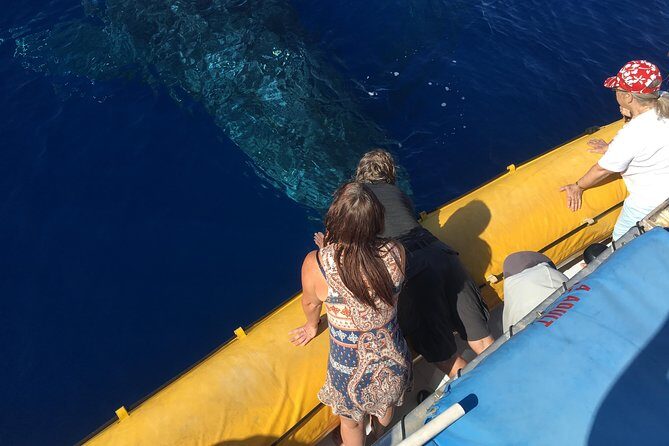
- Low-to-the-water “Coast Guard style” raft for front-row viewing
- Marine naturalist onboard with real-time whale education
- Hydrophone whale songs so you don’t just see whales, you hear them
- Whale sightings guaranteed December–April, with a go-again-for-free option
- Expect some spray and wind and bring a light jacket if you run cold
Lahaina Harbor VIP: What the 12-Guest Raft Feels Like
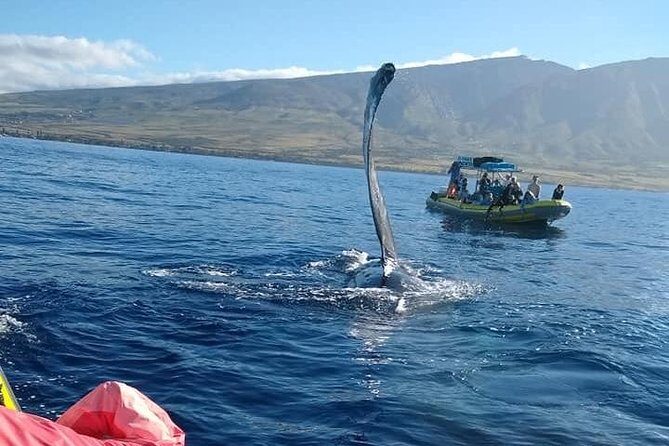
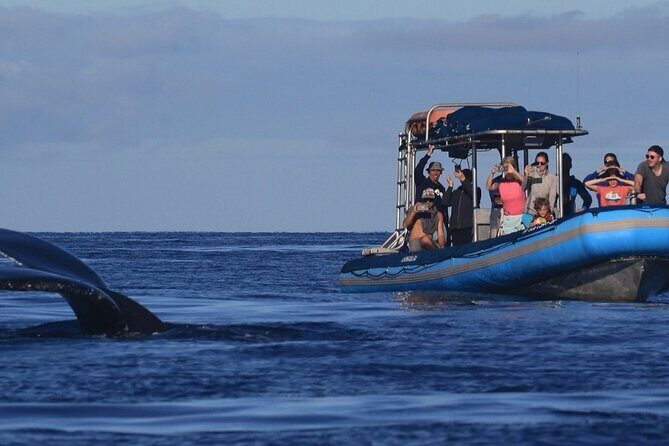
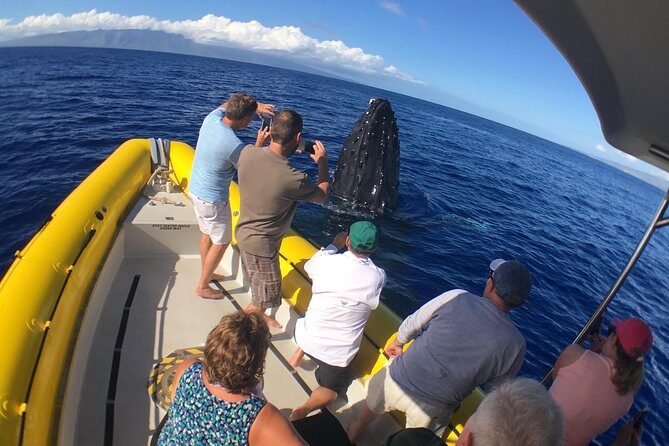
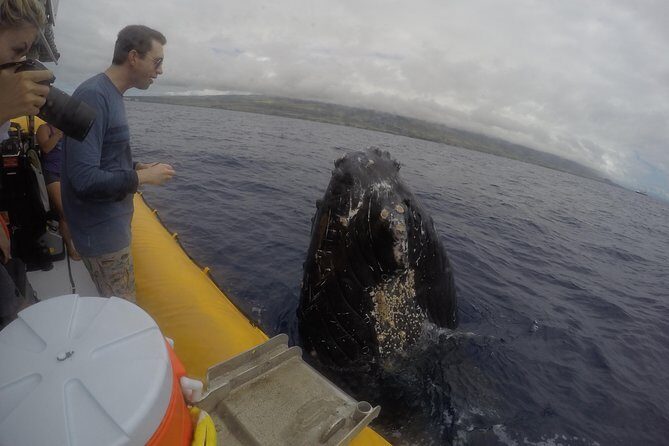
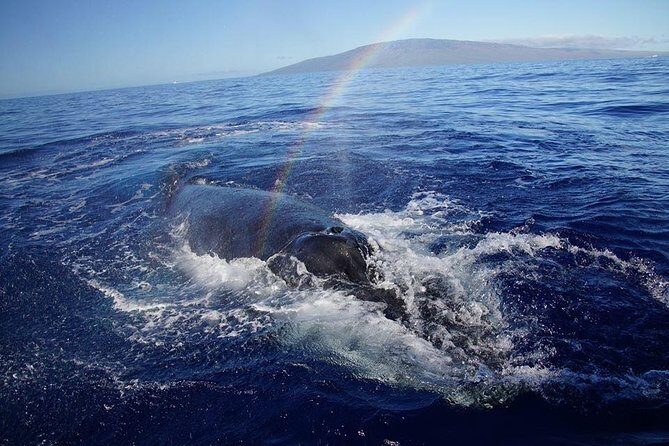
This tour is built around one simple idea: closer seats and faster whale time. With a maximum of 12 travelers, you’re not fighting for sight lines, and the crew can keep the group together without turning the experience into a moving traffic jam. On a raft-style boat that sits low in the water, you get a more natural horizon line. The whales feel less like a distant dot and more like an actual presence.
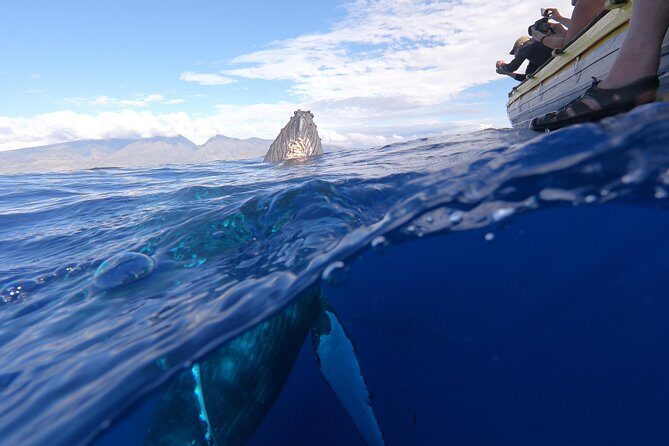
The vessel is described as Coast Guard-style rafts, and the reviews match the vibe. People talk about easy sightlines and the feeling that everyone has a good view, not a “you’re behind the rail” situation. You also get a more active viewing platform when whales surface close by. When humpbacks breach near you, there’s less structure between you and the moment.
Still, be honest about the tradeoff. Rafts can be bouncy, and they can get wet. One guest even called out that returning from whales didn’t always mean staying dry. If you hate motion or you’d rather stay crisp, bring a jacket and take motion-sickness precautions seriously.
You can also read our reviews of more tours and experiences in Maui



Hydrophone Whale Songs and Naturalist Talks: Why This Is Worth the Money
Seeing whales is the headline, but the hydrophone is the secret sauce. This tour lets you listen to whale songs using an underwater microphone (hydrophone) so you’re not just watching. You get the sound layer too, which helps the whole experience feel more connected to whale behavior instead of just picture-taking.
The onboard marine naturalist adds context while you’re out there. That matters because humpbacks don’t just “appear and do one thing.” You’ll likely see multiple behaviors in one outing, from mothers and calves to the dramatic male interactions that can include chasing, jostling, and extended displays. When you have a person explaining what you’re looking at in plain language, your brain stops treating it like a random nature show and starts tracking patterns.
In the crew details, several names come up repeatedly for their friendly, engaged style. You may be guided by captains and naturalists such as John, Casie, Emma, Pat, Jeremiah, Sarah, Lacey, Lizzie, or Kari/Carrie, depending on your date. What stays consistent is the effort to keep you informed and positioned well when whales are active.
Practical note: the hydrophone experience is most powerful when you’re calm enough to listen. So if you’re going with a big camera setup, try to alternate. Get your shot, then put the camera away for a minute and listen. The sound can be surprisingly moving.
The Two-Hour Plan: From Front Street to the Whale Zone
The tour starts at 1229 Front St, Lahaina, HI 96761, and it ends back at the same place. Duration is about two hours, so you’re not spending half your day in transit. This is an outing designed for momentum: get out, search efficiently, watch closely, then return with the best sightings the group can catch.
Here’s what you can expect while you’re on board:
- You’ll set up for front-row-style viewing from the raft, which tends to keep the whale sightings visually “in your face” rather than up on a far horizon.
- You’ll spend time scanning and repositioning until whales are nearby. The low raft and small group size make it easier to react when the crew spots activity.
- When whales are close enough, you’ll get those closer encounters that people rave about, including surface behavior and sometimes whales moving under or alongside the boat.
- As conditions allow, you’ll use the hydrophone to listen to whale songs while watching from the water’s edge.
One more detail that affects the feel of the tour: the itinerary is built around the whales being active. When whales are social or performing, you may see extended stretches of behavior. When they’re quieter, you’re still out there looking, and the crew keeps searching. Several accounts mention it taking time to find whales, then turning into a burst of nonstop action once they’re located.
What You’ll Likely See: Humpbacks, Calves, and Male Competition
This is a humpback-focused season tour. December through April is the main window, which is why the tour includes a whale sighting guarantee during that period. If whales don’t show up on your trip, you’re offered a free return. That’s a big deal for value, because whale watching is inherently weather-and-migration dependent.
When you do find humpbacks, the behaviors are often varied:
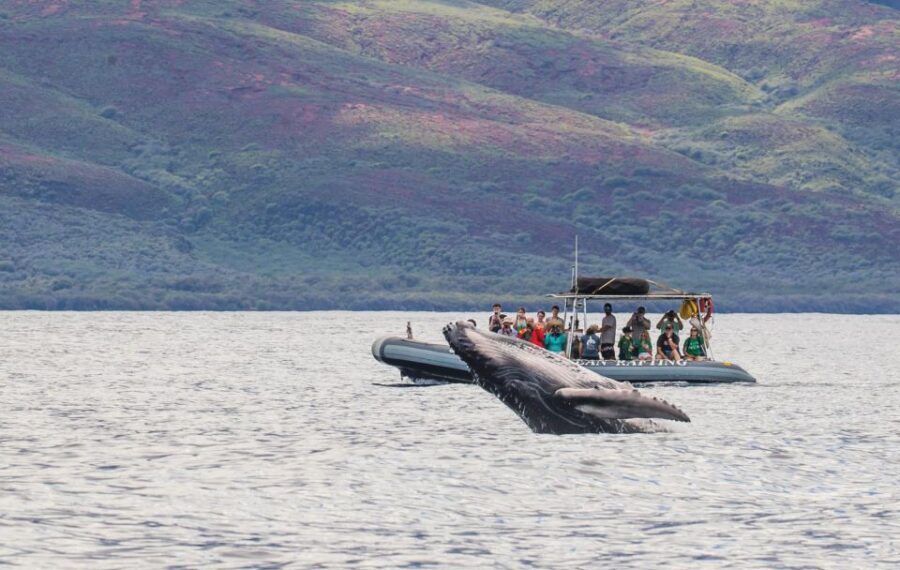
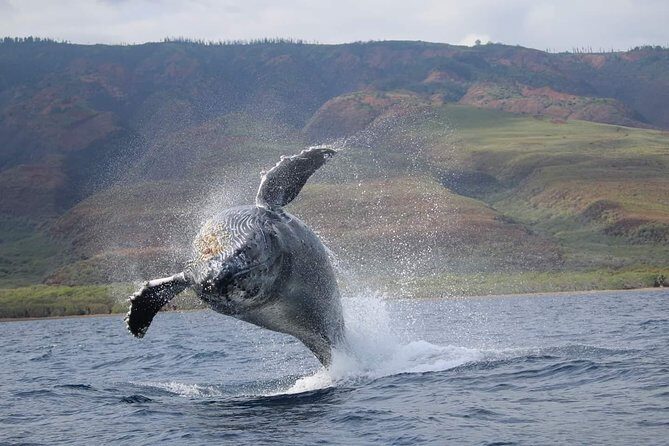
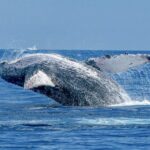
- Breaches and surface displays that make you feel like you’re watching the whales perform, not just swim.
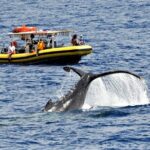
- Fin slaps and other quick visual tells that help you spot activity fast.
- Mother-and-calf behavior, where the pair can linger and give you time to watch without constant searching.
- Male competition behavior, which can look intense. Multiple people describe extended interactions, with males circling and sometimes coming very close.
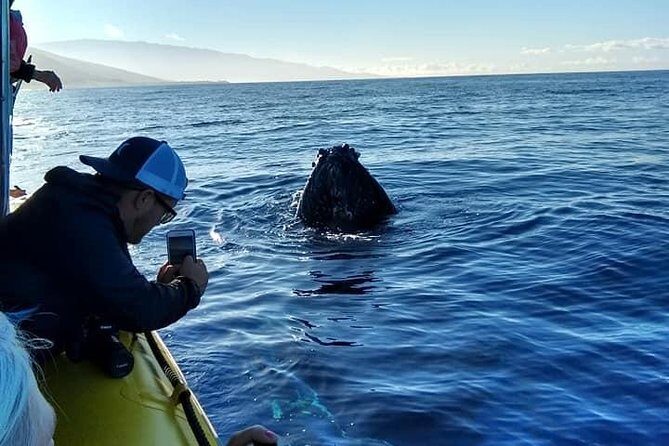
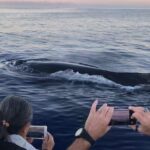
One of the most memorable themes in the feedback is the closeness. People describe whales rolling at the surface and even going under the raft. If you’re thinking about photography, this is the kind of experience where you should plan to shoot quickly. Surfacing can happen fast, and the best angles come when whales are at human eye level.
Also, listen for the soundscape changes. Whale songs on the hydrophone can shift your attention from the visual to the behavioral. You start noticing what changes in the water might signal whales are about to surface or change direction.
Comfort on a Raft: Wind, Spray, and Camera Strategy
Let’s talk comfort like an adult, because raft whale watching has a few repeat issues.
Expect wind. Lahaina’s harbor area can feel breezy once you get moving. Several accounts note feeling safe even in wind, but the wind can make the spray and chill more noticeable. If you run cold, bring a light jacket or something you can layer over swimwear.
Expect some spray. Even if you wear the right clothes, you might get wet at times. If you’re hoping for a dry outfit for dinner right after, plan on a quick rinse or towel before you head back into town.
Expect bumpy moments. Rafts ride differently than big boats. You can still have a good time, but motion sensitivity is real. If you know you get seasick, bring motion-sickness remedies and consider sitting where you feel most stable.
Camera strategy that helps.
- Shoot in bursts during suspected action.
- Then pause and watch for the whale’s full behavior cycle.
- If you’re also listening via hydrophone, take turns between filming and listening.
One person flat-out said they wouldn’t go back to a larger boat after this kind of close, unblocked viewing. That’s not a guarantee, but it’s a good sign that the raft format makes the experience feel direct.
You can also read our reviews of more whale watching tours in Maui


Price and Value: Why $125 Can Make Sense for VIP
At $125 per person for about two hours, you’re paying for a very specific mix:
- Small-group control (max 12 guests)
- A raft vessel built for close encounters (low-to-water viewing)
- An onboard marine naturalist
- A real guarantee during peak months (December–April)
Big boats can be cheaper because they carry more people. But you pay for that in sight lines and in the pace of searching. Here, the value comes from time on whales and visibility that doesn’t disappear behind rails.
The guarantee is the part I’d underline. Whale watching is a gamble everywhere. Here, in the main season, you have an extra layer of protection: if you don’t see whales, you can go again for free. That turns your decision from hope-based to plan-based.
Booking timing also hints at demand. This one is often reserved about 44 days in advance, which suggests the best days fill first. If you have specific travel dates in whale season, book sooner rather than later.
One more pricing angle: this is labeled VIP, and the 12-guest limit is the real meaning of VIP here. You’re not buying a fancy add-on so much as buying fewer people between you and the whales.
Who Should Book the Ultimate Whale Watch VIP?
This tour is a strong fit if you want:
- Close-up whale watching without big-boat crowds
- A small-group atmosphere where your questions can get answered
- A chance to hear whale songs through the hydrophone
- Time spent watching behavior, not just “riding around”
It’s less ideal if:
- You have trouble with motion. The raft can be bouncy.
- You expect a fully dry outing. Some spray is part of the deal.
- You need child-friendly flexibility. The tour notes no children under age 3.
- You’re pregnant. The tour states they are unable to take pregnant guests.
If you’re celebrating something or you’re the person who wants to impress family and friends, this is also one of those tours that tends to land well. The consistent praise is about the crew and captain working hard to find active whales and position the boat for the best viewing.
Quick FAQ Before You Commit
FAQ
How long is the VIP whale watch?
The tour lasts about 2 hours.
Where does the tour start in Lahaina?
You meet at 1229 Front St, Lahaina, HI 96761, and the tour ends back at the same meeting point.
How many people are on the boat?
It’s limited to a maximum of 12 travelers.
Are whale sightings guaranteed?
Yes, whale sightings are guaranteed during December–April. If you don’t see whales, you can go again for free.
What language is the tour offered in?
The tour is offered in English.
Is this tour okay for kids or pregnancy?
No children under age 3. Pregnant guests are not allowed.
What happens if the tour can’t run due to weather?
If it’s canceled due to poor weather, you’ll be offered a different date or a full refund.
Should You Book This VIP Whale Watch?
I’d book it if your priority is close whale time and you want a smaller, calmer setup than the big-boat experience. The raft format plus the 12-guest limit are the main reasons this tour works. Add in the onboard naturalist and the hydrophone whale songs, and it becomes more than sightseeing.
If you’re very sensitive to motion or you’re traveling with someone who can’t handle wind and spray, make that part of your planning. Bring a light jacket, take motion-sickness seriously if you need to, and keep expectations realistic for a raft ride.
For most people traveling during whale season, this is a pretty clean value call: you’re paying for better viewing conditions, and you’re not stuck entirely on luck thanks to the December–April guarantee.